
Trees
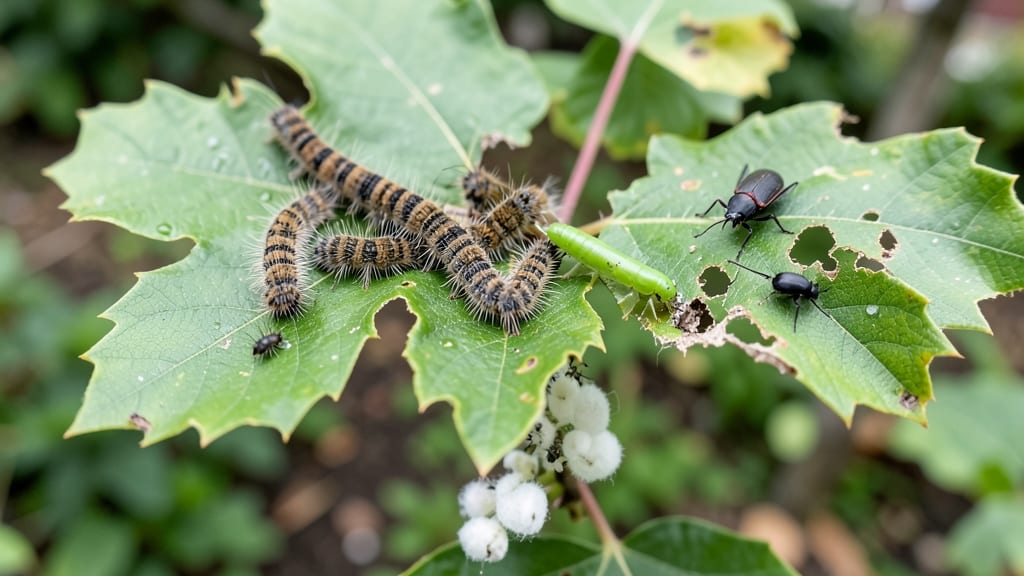
Bugs eating tree leaves can turn your lush canopy into skeleton branches in weeks—unless you act fast. 🌿 I’ve watched my own shade trees go from vibrant green to sad and sparse, and I learned the hard way that waiting for "next season" is a mistake.
The good news? Most leaf-eating pests respond to simple, natural fixes before they cause real damage.
Caterpillars, beetles, and sawflies are the usual suspects, but the damage looks different: chewed edges, holes, or entire leaves stripped away. The key to stopping them is catching the problem early—before your tree’s health takes a hit.
I’ve tested everything from handpicking pests to organic sprays, and the right approach depends on what’s actually munching on your leaves.
With the right tools and timing, you can restore your tree’s foliage to thick, healthy growth in just a few weeks. The secret isn’t harsh chemicals but understanding the pest’s life cycle and giving your tree the support it needs to bounce back.
Even if your tree looks bad now, it can recover—if you act at the right moment.
This works for any tree type, from young saplings to mature oaks, and the methods scale from small backyards to large properties. Let’s get your tree back to its full, proud self—before next year’s leaves even sprout.
The hidden triggers behind leaf loss
When you notice your tree’s leaves looking like a buffet for tiny appetites, it’s rarely just bad luck. Behind every skeletonized leaf or ragged edge lies a specific reason—often tied to biology, seasonality, or even human activity.
Understanding these triggers is the first step to reclaiming your tree’s lush canopy. Let’s break down the science behind why bugs go for your leaves in the first place.
Bugs, like most living things, reproduce when resources are abundant. If your tree is thriving—especially in spring or summer—it becomes a magnet for pests like aphids, caterpillars, or Japanese beetles. Here’s why:
- Explosive growth = more food. Young, tender leaves are packed with nutrients, making them a high-calorie snack for insects. A single female Japanese beetle can lay up to 60 eggs in a season, and her offspring will target the freshest foliage first.
- Drought stress = weakened defenses. When trees struggle with dry soil, they produce less sap and more sugars in leaves—a double incentive for pests. Drought-stressed trees are 3x more attractive to leaf-eating insects like gypsy moths.
- Monoculture landscapes = pest parties. Planting the same tree species in rows (common in suburbs or farms) creates a perfect storm for outbreaks. Pests like tent caterpillars can spread rapidly with no natural barriers.
Actionable fix: Mulch deeply to retain moisture, diversify plantings to break pest cycles, and prune in late winter to remove egg-laying sites before hatching season.
Bugs don’t just appear—they follow a metronome of nature. Their life cycles sync with your tree’s growth phases, creating predictable "leaf-munching seasons." Here’s the timeline:
| Season | Common Culprits | Why They Strike Now |
|---|---|---|
| Early Spring | Cankerworms, sawfly larvae | New leaves are soft and nutrient-rich after winter dormancy. Adult moths emerge to lay eggs on dormant buds in late winter. |
| Late Spring/Early Summer | Japanese beetles, tent caterpillars | Warmth triggers mass hatching. Beetles seek out sunlit canopies (like oaks or lindens), while caterpillars web together to protect their feast. |
| Summer | Aphids, spider mites, leaf miners | High temperatures speed up metabolism, so pests eat more to survive. Leaf miners tunnel into foliage, while aphids excrete sticky honeydew—a sign of overpopulation. |
| Fall | Fall webworms, bagworms | Pests prepare for winter by stockpiling food. Bagworms, for example, spin silk nests to preserve leaves for their final growth spurt before pupating. |
Pro tip: 🌡️ Monitor your tree’s growth stages and set up pheromone traps before peak seasons (e.g., Japanese beetle traps in late May).
Sometimes, the problem isn’t nature—it’s us. Unintentional gardening mistakes can turn your yard into a pest paradise. Here’s how:
- Over-fertilizing = sugary leaves. Excess nitrogen makes foliage too tender for chewing insects. Slow-release fertilizers reduce this risk.
- Ignoring leaf litter = hiding spots. Fallen leaves harbor egg masses (like gypsy moth eggs) and hibernating pests. A cleanup in late fall can cut next year’s infestation by 70%.
- Windbreaks that backfire. Tall hedges or fences can trap heat and humidity, creating ideal conditions for scale insects or mealybugs.
- Firewood or nursery plants = stowaways. 90% of invasive pests (like emerald ash borers) spread via contaminated wood or plants. Always inspect new additions before bringing them home.
Quick fix: ✨ Aerate soil to reduce compaction (which stresses roots), and avoid broad-spectrum sprays—they kill beneficial predators (like ladybugs) that keep pests in check.
When trees are under pressure—whether from pollution, compacted soil, or extreme weather—they emit distress signals that pests can detect. Here’s the science:
- Compacted soil = weak roots. Roots struggle to absorb water, forcing trees to prioritize leaf growth over defenses. This makes them 3x more vulnerable to borers and leaf miners.
- Air pollution (ozone/sulfur dioxide). Damaged leaf surfaces become easier to penetrate for pests like spider mites, which thrive on stressed foliage.
- Sudden temperature swings. Freeze-thaw cycles rupture leaf cells, making them irresistible to sap-sucking insects like aphids.
Solution: 💡 Test soil pH (aim for 6.0–7.0), mulch with wood chips to improve drainage, and water deeply but infrequently to encourage deep root growth.
Practical Ways to Stop Leaf Munching
Now that you know what’s nibbling on your tree’s leaves, it’s time to take action! The good news? Most leaf-eating pests can be managed with a mix of preventive care, targeted treatments, and smart gardening habits.
Below, we’ll break down solutions by the most common culprits—plus tips to keep your trees thriving long-term.
Japanese beetles are notorious for skeletonizing leaves in just hours. Here’s how to fight back:
🔥 Immediate Action: Handpick or Trap - 👨🍳 Handpick beetles in the early morning when they’re sluggish.
Drop them into soapy water to kill them instantly. - 🪲 Use pheromone traps (but place them away from your trees—traps near foliage can attract more beetles!). - 🍳 Apply neem oil or kaolin clay as a protective barrier. These create a film that deters beetles from feeding.
🌱 Long-Term Prevention
- 🌡️ Encourage natural predators like birds, toads, and parasitic wasps by planting native flowers (e.g., marigolds, yarrow).
- ✨ Prune and dispose of heavily damaged leaves to reduce beetle populations.
- 🎯 Avoid broad-spectrum pesticides—they can harm beneficial insects and disrupt the ecosystem.
These fuzzy bands of caterpillars defoliate trees in waves. Act fast to minimize damage:
🔪 Mechanical Removal
- 🍳 Cut out and destroy nests (they look like gray silk tents) with pruners or a broom. Wear gloves—caterpillars can sting!
- 🪲 Shake nests into a bucket of soapy water to drown them before they hatch.
💡 Chemical-Free Control
- 🌡️ Apply horticultural oil or Bacillus thuringiensis (Bt)—both are safe for humans and pets but deadly to caterpillars.
- 🎯 Wrap tree trunks with sticky bands (like Tanglefoot) to trap crawling larvae.
🌱 Prevention Tips
- 💡 Prune trees in late winter to remove potential egg-laying sites.
- 🌿 Plant resistant species like oaks or hickories if caterpillars are a recurring issue.
Gypsy moths can strip a tree bare in weeks. Break their life cycle with these steps:
🔥 Early Intervention
- 🍳 Remove egg masses (gray, fuzzy clusters on branches) in late fall/winter and crush or burn them.
- 🪲 Use Bt spray when caterpillars are small (they’re less harmful to other insects at this stage).
🌱 Long-Term Defense
- 🌡️ Plant gypsy moth-resistant trees like birch, linden, or sweetgum.
- 🎯 Introduce nematodes (Steinernema carpocapsae)—microscopic worms that kill gypsy moth larvae naturally.
- 💡 Report outbreaks to your local cooperative extension service for large-scale treatment options.
These tiny pests suck sap and leave behind sticky residue (honeydew). Knock them out with these methods:
💦 Water Blast Attack
- 🍳 Spray leaves with a strong stream of water to dislodge aphids and leafhoppers. Repeat every few days.
- 🪲 Use insecticidal soap or neem oil for a chemical-free kill.
🌱 Encourage Beneficial Bugs
- 🌡️ Attract ladybugs, lacewings, and parasitic wasps by planting dill, fennel, or cosmos nearby.
- 🎯 Avoid over-fertilizing—aphids thrive on tender, nitrogen-rich new growth.
No matter the pest, a healthy tree is resilient. Keep your trees strong with these tips:
- 💡 Water deeply but infrequently—drought-stressed trees attract more pests.
- 🌡️ Mulch around the base (2–4 inches) to retain moisture and deter crawling insects.
- 🎯 Prune for airflow—thick foliage traps humidity, inviting fungal diseases and pests.
- 🔥 Test soil annually—nutrient deficiencies (like iron or nitrogen) weaken trees, making them easier targets.
Pro Tip: 💡 Start treatments early! The sooner you act, the less damage pests can do—and the fewer chemicals (or manual labor) you’ll need. Monitor your trees weekly during peak pest seasons (spring and summer) for the best results.
Frequently asked questions
What are the most common bugs that eat tree leaves?
The usual suspects include Japanese beetles (skeletonized leaves), tent caterpillars (silk nests), gypsy moths (fuzzy egg masses), aphids (sticky honeydew), and leaf miners (serpentine tunnels). Each leaves distinct damage patterns—knowing the culprit helps you target solutions faster.
Will my tree recover if most leaves are eaten?
Yes, but only if you act quickly! Trees store energy in roots and trunk—if less than 50% of foliage is lost, they’ll regrow. For severe damage, focus on watering deeply, avoiding fertilizer (which stresses recovery), and protecting remaining leaves with neem oil. Most trees bounce back in 1-2 seasons with proper care.
Are there natural ways to deter pests without chemicals?
Try these chemical-free methods: Neem oil (disrupts feeding), kaolin clay (creates a barrier), pheromone traps (for beetles), or beneficial nematodes (kills larvae). Planting marigolds or yarrow also attracts predator insects that eat leaf-eaters naturally.
How do I know if my tree is stressed or just being eaten?
Look for these clues: Wilting, yellowing (not just holes), or cracked bark signal stress. Leaf-eaters usually leave chewed edges, honeydew, or silk webs. Test soil moisture—dry roots make trees more vulnerable. A healthy tree with 50%+ leaf loss can recover, but stressed trees need extra care.
When is the best time to treat for leaf-eating bugs?
Timing is everything! Target egg-laying season (late winter for gypsy moths) or early spring when pests hatch. For Japanese beetles, set traps in late May. Always treat before you see major damage—once leaves are gone, the pest population is already established.