
Diseases
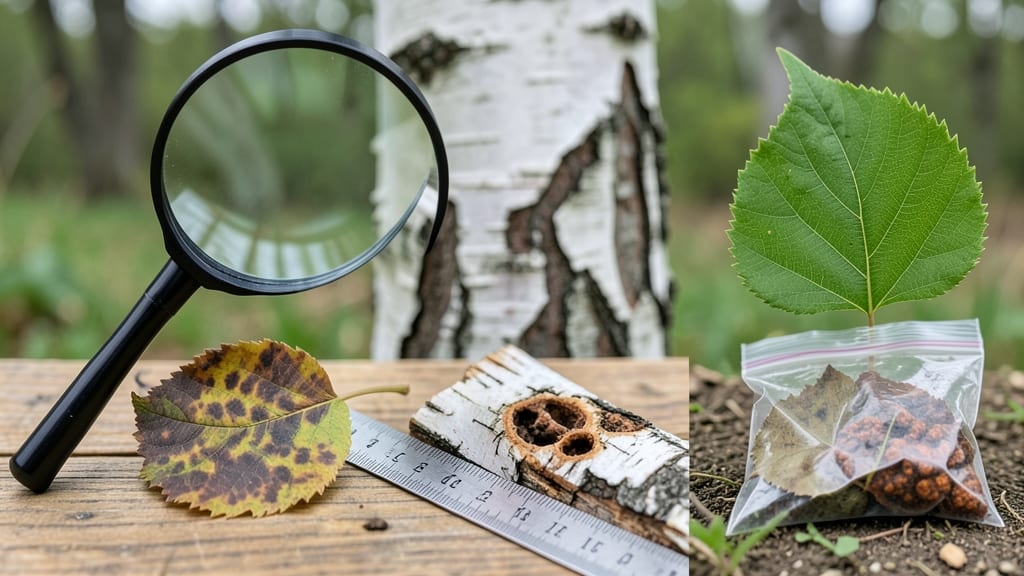
Those yellowing leaves and mysterious spots on your birch tree aren’t just cosmetic—they’re early warnings from nature about birch tree diseases and leaves that need your attention. 🌳 I’ve seen birch trees go from stunning white-barked beauties to struggling shadows in just a few seasons because homeowners ignored the first signs of disease.
The key to saving your tree lies in spotting these symptoms early and acting fast, before the damage spreads.
Birch trees face three main leaf threats: birch leaf blight (tiny brown spots that multiply), bronze birch borer (wilting despite water, sawdust-like frass), and fungal infections (yellowing between veins). Most people assume it’s just drought stress—until the tree starts shedding branches.
The good news? Each problem has a targeted fix, from pruning infected limbs to applying organic fungicides at the right time.
With the right approach, you can restore your birch’s health and prevent future outbreaks. I’ll walk you through how to diagnose each issue by leaf pattern, when to intervene, and which treatments work best for your climate.
Think of this as a birch tree first-aid kit—except the patient is standing right in your yard.
Whether you’re dealing with a young sapling or a mature tree, early action makes all the difference. Let’s get your birch back to its vibrant best before the next growing season.
The sooner you act, the sooner you’ll see those fresh green leaves return—and keep your tree thriving for years to come.
Root Causes of Birch Leaf Damage
Birch trees are stunning with their delicate foliage, but when their leaves start showing signs of disease—like yellowing, spots, or unsightly cankers—it’s usually a sign of deeper issues. Understanding why these problems occur is the first step to saving your tree.
Below, we break down the most common culprits behind birch leaf diseases, backed by science and actionable insights.
Fungi are the #1 cause of birch leaf diseases, thriving in moist, humid conditions. These microscopic organisms don’t just attack leaves—they can weaken the entire tree over time. Here’s how they strike:
- Bacterial Leaf Scorch: Caused by Xanthomonas bacteria, this disease clogs a tree’s water-conducting vessels, leading to brown, crispy leaf edges. Why it happens: Warm, wet springs (60–80°F) create the perfect breeding ground for bacteria, which spread via rain, insects, or contaminated tools.
- Birch Leaf Spot (Marssonina): Fungal spores (Marssonina betulae) infect leaves in early summer, creating dark spots with yellow halos. Why it happens: Overhead irrigation or frequent rain splashes spores onto leaves, and poor air circulation (like dense foliage) traps moisture, giving fungi a foothold.
- Anthracnose: This fungal disease (Apiognomonia veneta) thrives in cool, wet springs, causing leaf blight and defoliation. Why it happens: Spores overwinter in fallen leaves or cankers, then germinate when temperatures hover around 60°F and humidity is high.
💡 Pro Tip: Fungi spread faster in shady, poorly ventilated areas. Prune for airflow and avoid watering leaves (aim for the soil instead).
Insects don’t just eat leaves—they also transmit diseases and create wounds that invite fungal infections. Here’s how pests contribute to birch leaf problems:
- Birch Leafminers: Larvae of Fenusa pusilla burrow into leaves, causing white, serpentine trails. Why it happens: Adults lay eggs in spring, and larvae thrive in dry, sunny conditions, stressing the tree and making it vulnerable to secondary infections.
- Aphids & Scale Insects: These sap-suckers weaken trees by draining nutrients, leading to yellowing and stunted growth. Why it happens: They multiply rapidly in warm, dry weather and are often spread by ants (who "farm" them for honeydew).
- Borers & Beetles: Wood-boring insects (like bronze birch borers) create cankers by tunneling under bark. Why it happens: Stressed trees—from drought, poor soil, or disease—attract these pests, which then block nutrient flow, causing leaf discoloration.
🔥 Warning: Once borers infest a birch, the tree can decline rapidly. Act fast if you spot D-shaped exit holes or sawdust-like frass.
Diseases don’t always come from pathogens—they can be triggered by your tree’s surroundings. Birch trees are sensitive to:
| Stressor | Why It Causes Leaf Problems | Actionable Fix |
|---|---|---|
| Drought | Lack of water weakens the tree’s defenses, making it susceptible to fungal infections and pest attacks. | Mulch around the base (2–4 inches deep) and water deeply 1–2 times per week during dry spells. |
| Poor Soil Drainage | Waterlogged roots suffocate roots, leading to root rot (often caused by Phytophthora fungi), which spreads to leaves. | Test soil pH (birches prefer slightly acidic, 5.0–6.5) and amend with compost or sand if compacted. |
| Extreme Temperature Swings | Sudden cold snaps or late frosts damage new leaves, inviting bacterial/fungal infections. | Plant birches in sheltered locations and avoid pruning in late summer/fall (new growth is frost-sensitive). |
| Air Pollution or Salt Buildup | Urban pollution (ozone, sulfur dioxide) or road salt stress trees, causing chlorosis (yellowing) and reduced disease resistance. | Use rain gardens to filter runoff and avoid de-icing salts near the trunk. |
✨ Expert Insight: Birches are shade-tolerant but light-loving. If planted too deeply in shade, they’ll produce sparse, disease-prone foliage.
Leaves don’t just suffer from attacks—they can also scream for help when their diet is off. Common issues:
- Iron Deficiency (Chlorosis): Yellow leaves with green veins signal poor iron uptake, often due to alkaline soil (pH >7.0) or compacted roots.
- Magnesium Deficiency: Yellow patches between leaf veins (but green edges) mean the tree can’t process chlorophyll properly—common in sandy soils.
- Herbicide Drift: Glyphosate or other chemicals can cause necrotic spots on leaves, mimicking disease symptoms.
💪 Solution: Test soil every 2–3 years and apply chelated iron or Epsom salt (magnesium sulfate) if deficiencies are confirmed.
Now that you know the why behind birch leaf diseases, the next step is diagnosis and treatment. Stay tuned for our guide on identifying specific symptoms and saving your tree! 🌿🔍
How to Fix Birch Leaf Problems
Once you’ve identified the issue plaguing your birch tree’s leaves—whether it’s yellowing, unsightly spots, or stubborn cankers—it’s time to take action. The good news? Most birch leaf diseases and pests can be managed with the right approach.
Below, we’ve mapped out practical, step-by-step solutions tailored to each common cause, plus prevention tips to keep your tree thriving long-term.
Fix It: Remove, treat, and prevent recurrence
🔥 Step 1: Prune Infected Branches
- Use sterilized pruners (wipe with rubbing alcohol or bleach solution) to cut out branches with dark, irregular spots or premature leaf drop.
- Remove leaves that have fallen—do not compost them (they can reinfect the soil).
- Pro Tip: 💡 Prune in early spring (before fungal spores spread) or late fall (after leaf drop).
🍳 Step 2: Apply Fungicide
- Choose a copper-based fungicide (like Bordeaux mixture) or a systemic fungicide (e.g., propiconazole).
- When to spray:
- Preventive: Apply in early spring (before buds swell) and again after rain.
- Treatment: Spray when you first notice spots, repeating every 10–14 days until new growth appears.
- Avoid overwatering—fungi thrive in damp conditions.
🌡️ Step 3: Improve Airflow & Soil
- Thin out dense branches to allow sunlight and air to circulate.
- Mulch properly: Keep mulch 2–4 inches deep but 6 inches away from the trunk to prevent moisture buildup.
- Test soil pH—birches prefer slightly acidic soil (pH 4.5–6.0).
Amend with sulfur if needed.
Fix It: Boost nutrients and adjust care
💪 Step 1: Diagnose the Deficiency
| Symptom | Likely Cause | Quick Fix |
|---|---|---|
| Yellow between veins | Iron deficiency (chlorosis) | Apply chelated iron (liquid or granules) in early spring. |
| Uniform yellowing | Nitrogen deficiency | Fertilize with balanced 10-10-10 or slow-release nitrogen. |
| Purple stems/leaves | Phosphorus deficiency | Use a phosphorus-rich fertilizer (e.g., bone meal). |
🥗 Step 2: Adjust Watering & Soil
- Water deeply but infrequently—birches hate soggy roots.
Aim for 1–1.5 inches per week. - Aerate compacted soil with a garden fork to improve root access to nutrients. - Pro Tip: 🌱 If your soil is alkaline (pH >7.0), mix in peat moss or sulfur to lower pH over time.
🎯 Step 3: Prevent Future Issues
- Mulch with organic matter (like pine needles or compost) to slowly acidify soil.
- Avoid over-fertilizing—birches are sensitive to salt buildup from synthetic fertilizers.
Fix It: Isolate, prune, and protect wounds
🔪 Step 1: Prune Aggressively
- Cut out cankered branches 6–12 inches below the affected area (healthy tissue is usually green inside).
- Burn or bag pruned branches (do not compost)—they may harbor bacteria or fungi.
- Seal wounds with pruning paint or wound dressing (optional but helps prevent reinfection).
⏰ Step 2: Treat with Antibacterial Sprays
- For bacterial cankers, use a copper fungicide (like copper hydroxide) every 2–3 weeks during growing season.
- For fungal cankers, apply a systemic fungicide (e.g., myclobutanil).
🛡️ Step 3: Strengthen Tree Health
- Water deeply during droughts—stressed trees are more susceptible.
- Avoid wounding the bark (e.g., from lawnmowers or tools).
- Pro Tip: 🔥 If cankers recur yearly, consider removing the tree—some infections (like birch dieback) can be fatal.
Fix It: Disrupt life cycles and remove pests
👨🍳 Step 1: Manual Removal
- Aphids: Blast off with a strong spray of water or wipe with soapy water (1 tsp dish soap + 1 quart water).
- Mites: Spray with neem oil (follow label rates) for a natural knockdown.
- Borers: Look for sawdust-like frass—prune infested branches immediately.
🌿 Step 2: Use Targeted Pesticides
- Insecticidal soap or horticultural oil (for soft-bodied pests like aphids).
- Systemic insecticide (e.g., imidacloprid) for borers—apply early spring before adults emerge.
- Pro Tip: 🎯 Avoid broad-spectrum sprays in late summer—they can attract pests by removing natural predators.
✨ Step 3: Encourage Natural Defenses
- Attract ladybugs and lacewings (their larvae devour aphids) with dill, fennel, or marigolds.
- Reduce stress by ensuring proper water, sunlight, and soil health.
- Inspect trees monthly during growing season for early signs of trouble.
- Clean up fallen leaves in autumn to remove overwintering spores.
- Avoid overhead watering—water at the base to keep foliage dry.
- Plant birches in full sun (they need 6+ hours of sunlight daily).
- Test soil every 2–3 years—birches are finicky about pH and nutrients!
Remember: Some issues (like iron chlorosis) may require yearly maintenance, while others (like cankers) can be a sign of deeper stress. When in doubt, consult a local arborist—they can provide a customized treatment plan for your tree’s specific needs. 🌳💚
Frequently asked questions about birch tree leaf diseases
What do tiny brown spots with yellow halos on birch leaves mean?
Those are classic signs of birch leaf spot (Marssonina disease), caused by fungal spores thriving in wet conditions. The spots start small but multiply rapidly—prune infected branches immediately and apply a copper fungicide every 10-14 days until new growth appears. Remove fallen leaves to prevent reinfection.
Why are my birch leaves turning yellow between the veins?
This interveinal yellowing is almost always iron chlorosis, common in alkaline soils (pH >7.0). Birches need slightly acidic soil (pH 5.0-6.5). Apply chelated iron in early spring and amend soil with sulfur or peat moss to lower pH gradually over 2-3 years.
How can I tell if my birch has bronze birch borer instead of a disease?
Look for D-shaped exit holes in the bark and sawdust-like frass at the base—these are telltale signs of borers. Unlike fungal diseases, borers attack stressed trees first. Prune infested branches immediately and treat with systemic insecticide (like imidacloprid) in early spring before adults emerge.
Can I save my birch if half the leaves are already dropping?
It depends on the cause! For fungal diseases, act fast with copper fungicide and pruning. For borers, the damage may be irreversible—focus on preventing spread to other trees. If >50% of the canopy is affected, consult an arborist about removal before the entire tree declines. Early intervention is key for partial damage.
Is it safe to compost fallen birch leaves with spots?
No—never compost diseased leaves! Fungal spores survive composting and can reinfect your soil. Instead, double-bag infected leaves in plastic and dispose of them in yard waste. This prevents spreading diseases to other plants next season.