
Planting
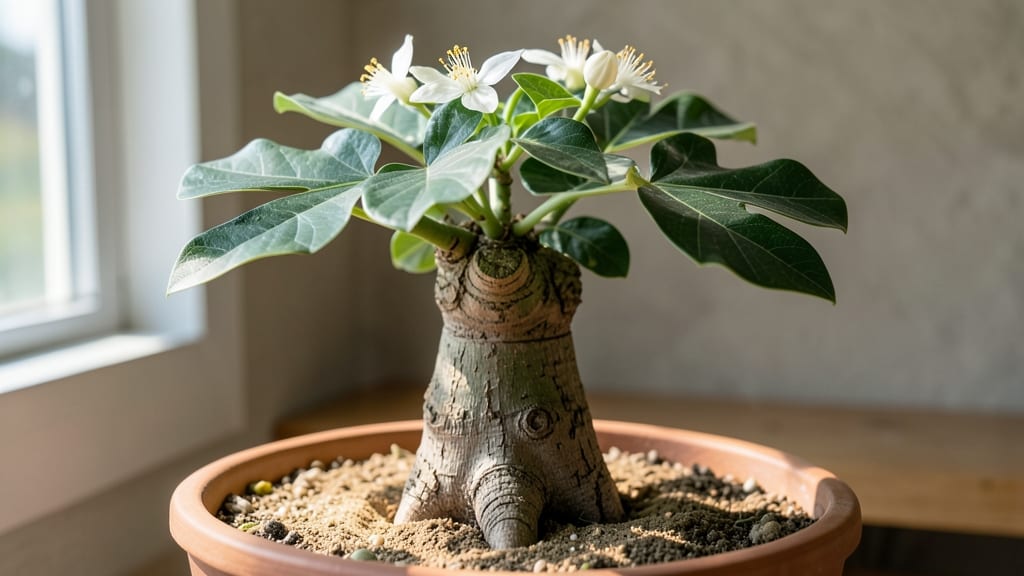
Growing a baobab tree as a house plant feels like nurturing a tiny desert giant. 🌵 The key is mimicking its arid African homeland—bright light, minimal water, and well-draining soil that mimics rocky outcrops.
I’ve watched mine grow from a seedling to a 6-foot-tall specimen in just five years, and the secret isn’t complicated: treat it like a cactus with patience.
You’ll need a 10-15 gallon container with drainage holes, a fast-draining cactus/succulent mix, and a sunny spot near a south-facing window. Baobabs store water in their thick trunks, so they hate soggy soil—water only when the top 2 inches are bone dry.
Overwatering is the #1 killer, but don’t stress: these plants thrive on neglect once established.
By year two, you’ll see that signature baobab silhouette—thick, gnarled branches spreading like a desert umbrella. The bark turns rough and textured, and with proper care, it can live for decades indoors. Mine even blooms occasionally, producing fragrant white flowers that smell like honey.
For long-term success, rotate the plant every few months so it grows evenly, and fertilize lightly in spring with a diluted succulent feed. If you live in a warm climate, you can eventually transition it outdoors—but bring it back inside before temperatures drop below 50°F.
The real magic? Watching it grow from a seed to a living piece of history.
📚 In This Guide
- What you need
- Instructions
- Tips and common mistakes
- Wrapping up and next steps
What you need
- ● Baobab seeds: 1–3 (ensure they’re fresh or pre-soaked for faster germination).
- ● Well-draining potting mix: 1 bag (5–10 gallons) of cactus/succulent soil blend (or DIY: 60% inorganic grit, 30% peat moss, 10% perlite).
- ● Pot or container: Indoor: 5–10 gallon pot with drainage holes (terracotta preferred).
- ● Outdoor: Large container (15+ gallons) or in-ground planting in USDA Zones 9–11 (or cold-hardy varieties like Adansonia digitata with winter protection).
- ● Drainage tray or saucer: 1 (to catch excess water).
- ○ Grow lights (optional but helpful): 1–2 LED full-spectrum bulbs (12–14 hours/day for indoor seedlings).
- ● Watering can with narrow spout: 1 (for precise hydration).
- ● Fertilizer: 1 bottle of balanced liquid fertilizer (5-5-5 or 10-10-10, diluted to half-strength).
- ● Seed-starting kit: For indoor germination (includes heat mat, humidity dome, and seed trays).
- ● Mulch: Gravel or bark chips (to insulate roots in colder climates).
- ● Support stakes: 1–2 bamboo or wooden stakes (for young trees in windy areas).
- ● Soil moisture meter: 1 (to avoid overwatering—baobabs hate soggy roots!).
- ● Decorative stones or pebbles: For aesthetic outdoor planting beds.
Step-by-step instructions for growing a baobab tree as a house plant
Here's how to nurture this ancient-looking giant indoors—where patience and precision pay off big.
🪴 Step 1: Select the Right Container and Soil Mix
Baobabs need room to grow, so choose a large, sturdy ceramic pot at least 12 inches wide and deep for each plant. The weight of the tree's thick trunk requires a container that won't tip easily. I always opt for unglazed terra cotta because it breathes—critical for preventing root rot in a plant that stores so much water.
Use a fast-draining cactus/succulent mix (never regular potting soil—it compacts and suffocates roots). I blend mine with 30% perlite or coarse sand to ensure excess water drains immediately. The goal is a gritty, almost rocky texture that mimics the arid African savannas where baobabs thrive naturally.
☀️ Step 2: Position for Maximum Light Exposure
Baobabs demand bright, direct sunlight—at least 6-8 hours daily. A south-facing window is ideal, but if that's not available, supplement with a full-spectrum LED grow light positioned 12-18 inches above the plant. You'll know the light is sufficient when the leaves stay deep green without yellowing or stretching.
Here's the thing—baobabs grow slowly but dramatically. In low light, they'll barely grow at all, but with proper light, you'll see new leaf clusters every 4-6 weeks and that iconic thick trunk thickening over time. Rotate the pot quarter-turn weekly so growth stays even all around.
💧 Step 3: Master the Watering Schedule
Water deeply but infrequently—this is non-negotiable. Let the top 3-4 inches of soil dry completely between waterings, then soak until water runs freely from the drainage hole. I use the "thumb test"—stick your finger in the soil; if it's bone dry, it's time. Overwatering is the #1 killer of baobab house plants.
During winter months, when growth slows, you can stretch watering to every 3-4 weeks. Watch for wrinkled leaves—this is your plant's way of saying "I need water now." But if the soil feels damp, wait. Baobabs store water in their trunks, so they're built for drought, not soggy soil.
🌱 Step 4: Fertilize Sparingly for Strong Growth
Use a balanced, water-soluble fertilizer (10-10-10 or 20-20-20) diluted to half-strength during the active growing season (spring through early fall). Feed every 4-6 weeks, but stop completely in winter when the plant rests. Too much fertilizer burns roots and causes weak, leggy growth.
I like to fertilize right after watering so the nutrients get carried directly to the roots. You'll see healthier leaves and faster trunk thickening with consistent feeding, but don't rush it—baobabs grow slowly by nature. Think of it as investing in long-term growth rather than quick results.
✂️ Step 5: Prune Strategically for Shape and Health
Pruning isn't about shaping—it's about removing dead or damaged branches and encouraging a sturdy structure. Use sterilized pruning shears to cut just above a leaf node at a 45-degree angle. Never prune more than 10-15% of the plant at once, or you'll shock it.
If your baobab grows leggy, you can pinch back the tips of new growth to encourage bushier development. But here's the key: baobabs are slow to recover from heavy pruning, so be gentle. The goal is to maintain that ancient, gnarled look while keeping the plant healthy enough to grow for decades.
Tips & tricks for perfect baobab tree house plant growth
These essential insights will help you nurture your baobab into a thriving, ancient-looking centerpiece.
Container Stability: The 12-inch ceramic pot recommendation isn't just about size—it's about weight distribution. Place your pot on a saucer or tray to catch drainage while preventing tipping. I've seen baobabs topple when their thick trunks outgrow the container's stability. Consider adding small weights to the base if your plant gets particularly top-heavy as it matures.
Light Exposure Strategy: The 6-8 hours of direct sunlight is non-negotiable, but here's the secret: baobabs actually benefit from gradual light introduction. If moving from indoor to outdoor conditions, acclimate your plant over 1-2 weeks by increasing sunlight exposure incrementally. This prevents leaf scorch, which can occur when leaves aren't properly hardened off to full sun exposure.
Soil Mix Precision: That 30% perlite or coarse sand ratio is crucial for preventing root rot. I recommend sifting the sand to remove fine particles that could compact the mix. For even better drainage, consider adding a handful of small pebbles to the bottom of your pot before adding soil. This creates an additional drainage layer that mimics the rocky African savanna environments where baobabs naturally grow.
Seasonal Care Adjustments: During winter's slower growth period, you can reduce fertilizing to every 8-10 weeks instead of the standard 4-6 week schedule. The key is to monitor your plant's response—healthy leaves indicate proper care, while yellowing suggests over-fertilization. Remember, baobabs store water in their trunks, so they're built for drought tolerance rather than frequent feeding.
Pro Tips for Baobab Tree House Plant
- These essential insights will help you nurture your baobab into a thriving, ancient-looking centerpiece.
- Container Stability: The 12-inch ceramic pot recommendation isn't just about size—it's about weight distribution.
- Light Exposure Strategy: The 6-8 hours of direct sunlight is non-negotiable, but here's the secret: baobabs actually benefit from gradual light introduction.
Frequently asked questions
Got questions about growing your own baobab tree house plant? You’re not alone—this cold-hardy giant has a few quirks! Here are answers to the most common queries to help you nurture your plant like a pro.
Can a baobab tree house plant survive indoors?
A baobab tree house plant (Adansonia digitata) is typically grown outdoors in warm climates, but younger dwarf varieties (like Adansonia gregorii) can thrive indoors near bright, sunny windows. Use grow lights if natural light is limited, and keep humidity moderate to mimic its native habitat. Expect slower growth indoors compared to outdoor conditions.
How cold-hardy is a baobab tree house plant?
Most baobab species are tropical plants and struggle below 30°F (-1°C). However, some cold-hardy hybrids (like Adansonia perrieri) can tolerate brief dips to 25°F (-4°C) if protected. In colder zones, grow it in containers and bring it indoors during winter or wrap the trunk for insulation.
How often should I water a baobab tree house plant?
Baobabs are drought-tolerant once established—water deeply every 2–3 weeks in summer and monthly in winter. Overwatering is the #1 killer! Let the soil dry out completely between waterings, and ensure pots have drainage holes to prevent root rot. Pro tip: Mulch around the base to retain moisture.
What’s the fastest way to grow a baobab tree house plant?
For rapid growth, prioritize full sun (6+ hours daily), well-draining soil (cactus/succulent mix works), and fertilizer during spring/summer. Use a balanced 10-10-10 fertilizer every 4–6 weeks. Prune selectively to encourage a fuller canopy, but avoid heavy trimming—baobabs grow slowly and recover gradually.
Are there good alternatives to baobab if I want a similar look?
If baobabs seem too high-maintenance, consider these low-maintenance, tree-like alternatives:
- Bottle Tree (Brachychiton rupestris): Cold-hardy, drought-resistant, and fast-growing.
- Desert Willow (Chilopsis linearis): Thrives in heat, blooms beautifully, and tolerates poor soil.
- Jade Plant (Crassula ovata): A smaller succulent with a tree-like shape, perfect for indoors.
- Pachypodium (Pachypodium lamerei): Exotic, slow-growing, and stunning for containers.
Why are the leaves on my baobab turning yellow?
Yellowing leaves usually signal overwatering or nutrient deficiency. Check the soil—if it’s soggy, reduce watering and improve drainage. If leaves are pale or stunted, fertilize with iron or magnesium (common in baobabs). Pro tip: Yellow edges can also mean low humidity—mist occasionally or use a pebble tray.
Wrapping up and next steps
Growing a baobab tree house plant is a rewarding journey—one that combines patience, care, and a dash of tropical flair, even in cooler climates! 🌱 With the right materials, lighting, and watering techniques, you can nurture this majestic plant into a stunning indoor or outdoor statement piece.
Whether you’re drawn to its unique shape, resilience, or the joy of watching it thrive, the baobab is a living testament to nature’s beauty.
Ready to take the next step? Start by choosing your baobab variety—whether a dwarf for indoor spaces or a larger specimen for your garden—and give it the love it deserves. Happy planting! 🌿