
Trees
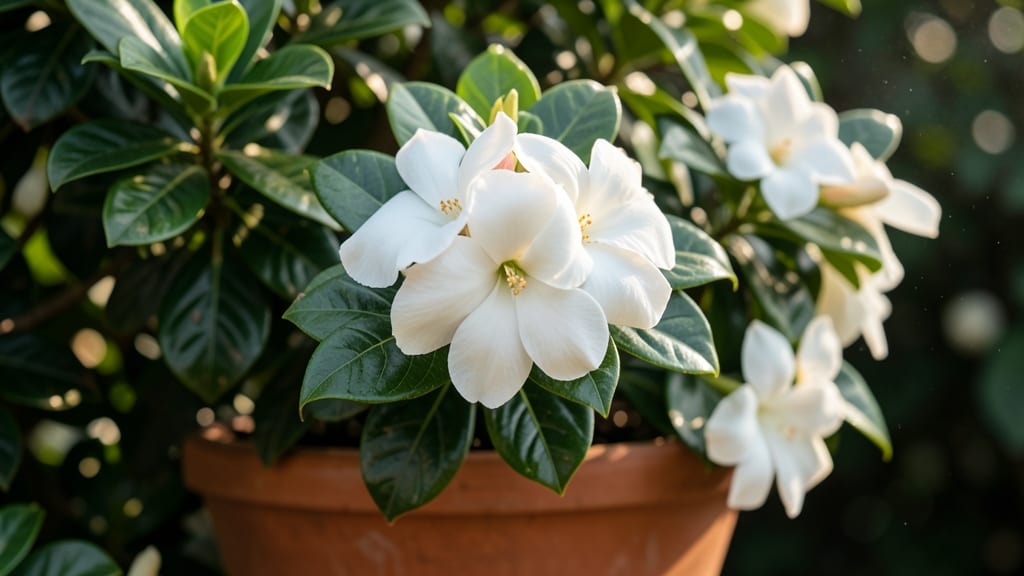
Transform your garden into a natural perfume haven with these 10 fragrant trees that mimic or enhance jasmine's signature scent. Whether you crave year-round blooms or seasonal bursts of aroma, these varieties bring elegance and tranquility to any outdoor space.
Jasmine-Scented Philadelphus (Mock Orange)
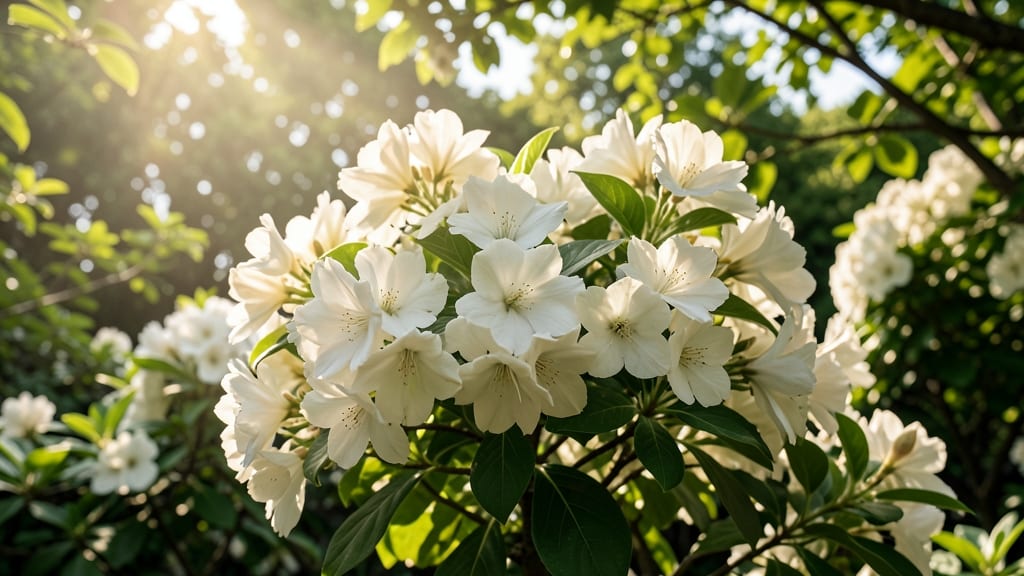
Imagine walking through your garden in late spring and being greeted by a wave of sweet, jasmine-like perfume—without needing to plant actual jasmine. The jasmine-scented philadelphus, or mock orange, delivers that dreamy aroma with its intensely fragrant white flowers, which resemble oversized orange blossoms. This native North American tree is a pollinator magnet, drawing bees and butterflies while filling the air with its signature scent.
Thriving in USDA zones 4-9, this small tree (6-10 feet tall) prefers full sun to partial shade and well-drained soil. Its blooms appear in late spring, offering a three-week fragrance festival that’s perfect for cutting or enjoying in situ. Prune lightly after flowering to maintain shape and encourage next year’s blooms.
Ideal for small gardens or as a fragrant hedge, this tree brings effortless elegance with minimal care. Perfect for gardeners who love low-maintenance plants with high rewards! 🌿
Fringe Tree (Chionanthus Virginicus)
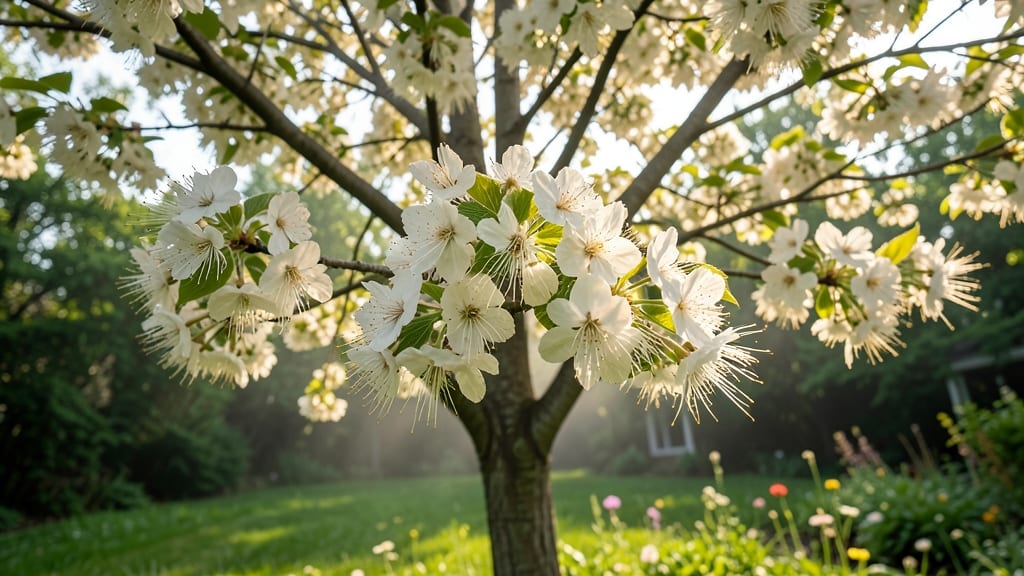
If you love the dreamy scent of jasmine but crave a low-maintenance tree that thrives in Southern humidity, the fringe tree (Chionanthus virginicus) is your perfect match. This native beauty bursts into bloom in late spring with delicate, fringe-like white flowers that release a heady, jasmine-like perfume that lingers in the air.
Unlike many fragrant trees, fringe trees are drought-tolerant once established and provide welcome shade with their lush, medium-sized canopy (reaching 20-30 feet tall). They prefer well-drained soil and full sun to partial shade, making them ideal for urban gardens or woodland edges. The scent peaks in late spring, but the tree’s glossy foliage adds year-round interest.
Perfect for gardeners in USDA zones 5-9 who want a fragrant, shade-providing tree with minimal fuss. Plant it near patios or seating areas to fully enjoy its natural perfume on warm evenings. 🌻
Sweet Bay Magnolia (Magnolia Virginiana)
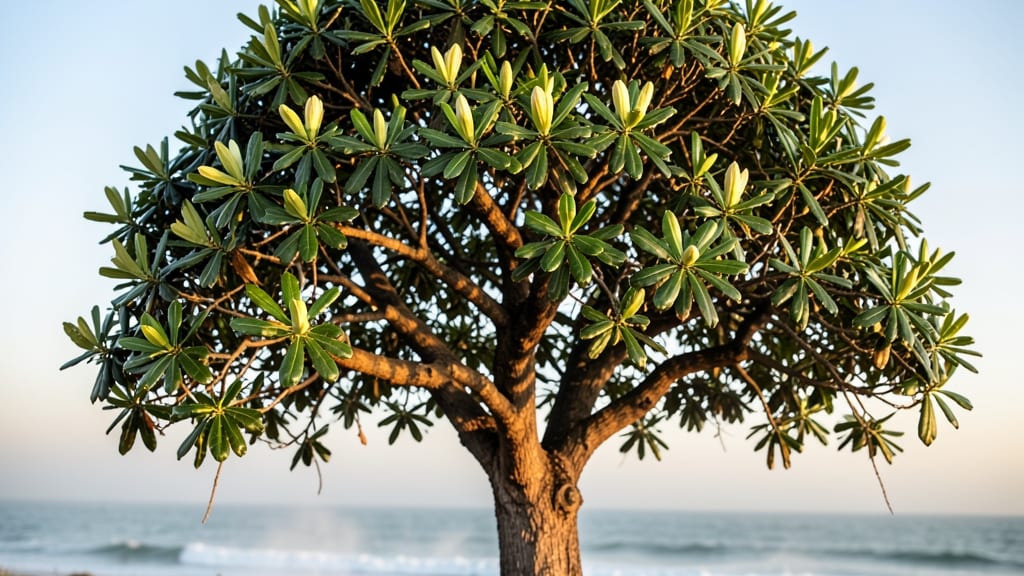
If you're craving a fragrant tree that thrives by the ocean breeze and keeps its scent alive year-round, the Sweet Bay Magnolia delivers a unique jasmine-citrus aroma that no other tree matches. Unlike its deciduous cousins, this evergreen beauty stays lush and aromatic even in winter, making it a standout for coastal gardens.
This versatile tree handles sandy, well-drained soil beautifully and tolerates salt spray, perfect for seaside properties. The white, cup-shaped flowers bloom in spring, releasing their signature scent, while the glossy, dark green leaves provide year-round structure. Prune lightly after flowering to maintain shape and encourage dense growth.
Coastal gardeners and those seeking low-maintenance fragrance will love this tree's resilience and dual-purpose beauty—it's as stunning as it is fragrant. 🌿
Japanese Snowbell Tree (Styrax Japonica)
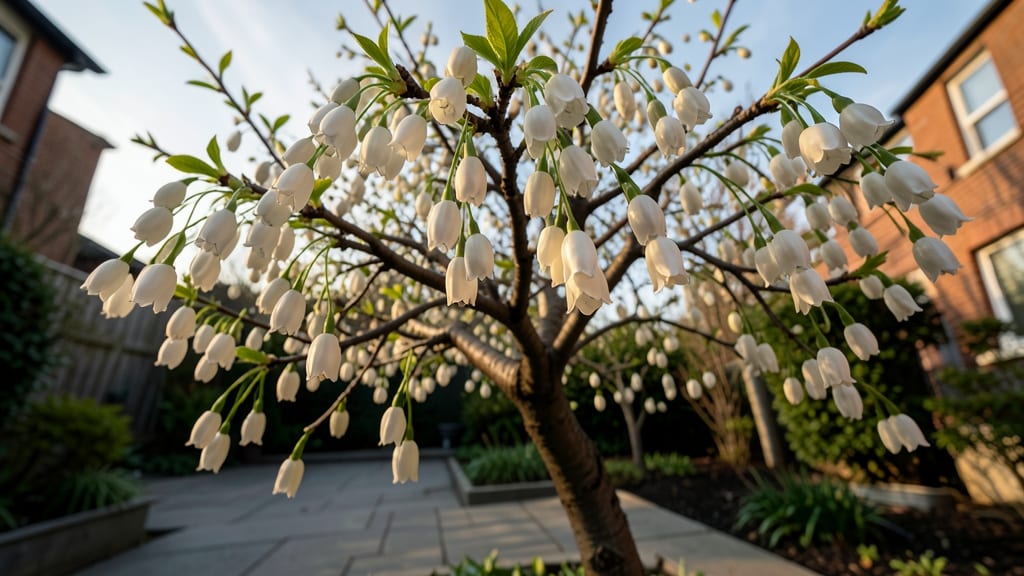
Transform your small garden or urban patio into a fragrant oasis with the Japanese Snowbell Tree (Styrax japonica). Unlike other jasmine-scented trees, this beauty delivers its signature perfume in late spring when its delicate, bell-shaped white flowers open—releasing a scent so intoxicating it can be detected from several feet away.
Thriving in partial shade to full sun and adaptable to most soil types, this tree reaches 15-25 feet tall but can be pruned to maintain a compact form—ideal for tight spaces. Its glossy green foliage provides year-round interest, while the fragrant blooms attract pollinators without the mess of dropping petals. For best results, plant in well-draining soil and water moderately during its first year.
Perfect for city dwellers or gardeners with limited space, this tree offers a low-maintenance way to enjoy jasmine-like fragrance without the upkeep of tropical varieties. Its graceful form and subtle charm make it a standout in any landscape. 🌷
Cestrum Nocturnum (Night-Blooming Jasmine)
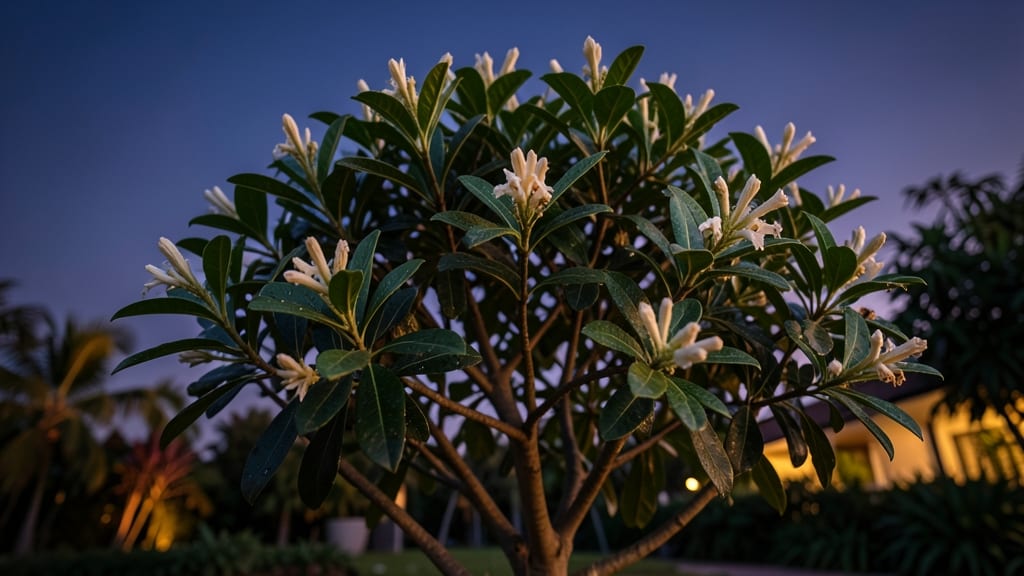
If you love jasmine's signature scent but wish it lasted longer, Cestrum nocturnum is your answer—this tropical shrub/tree blooms exclusively at night, releasing its intoxicating fragrance after sunset when most gardens are quiet. Unlike daytime-blooming jasmine varieties, this plant turns your evening hours into a sensory experience, perfect for patios or garden seating areas.
The dark green, glossy leaves create a lush backdrop for its white tubular flowers, which appear in clusters and perfume the air for hours. Plant it in well-draining soil with full sun to partial shade, and water regularly to keep the soil moist (but not soggy). It thrives in USDA zones 9-11, making it ideal for warm climates like Florida, California, or Hawaii.
Urban gardeners and small-space enthusiasts will love that it can be pruned into a compact shrub or allowed to grow as a small tree. Just be aware its berries are toxic if ingested—keep it away from pets and children. 🌟
Deutzia (Fragrant Deutzia Shrub-Tree)
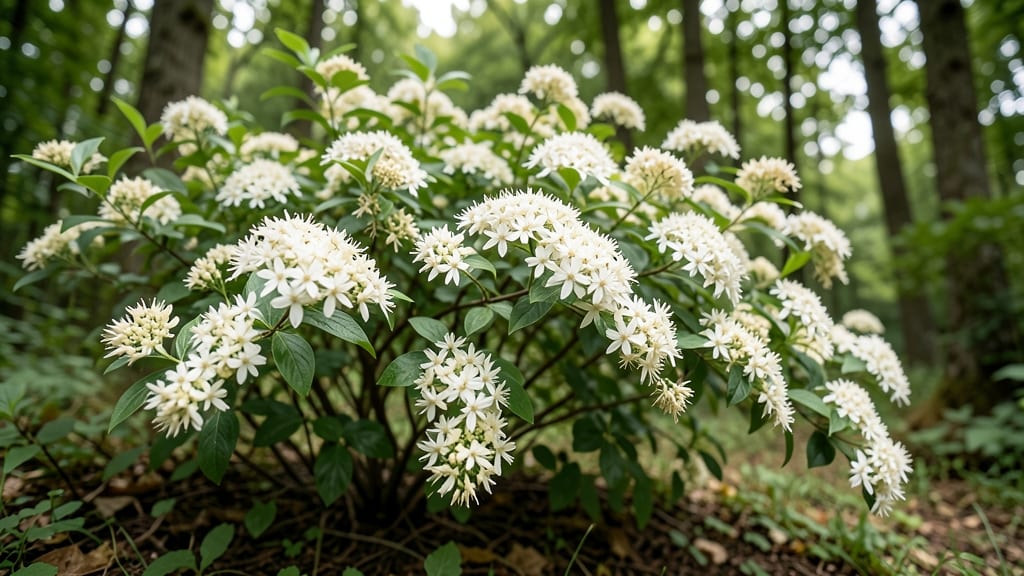
If you love the idea of a fragrant garden but struggle with high-maintenance plants, Deutzia is your perfect match. This hardy deciduous shrub bursts into clusters of delicate white flowers in early summer, filling the air with a jasmine-like perfume—without requiring full sun or constant care.
Thriving in partial shade and adaptable to various soil types, Deutzia is ideal for understory plantings, woodland gardens, or as a low-maintenance hedge. Its late spring blooms attract pollinators like bees and butterflies, while its glossy green foliage provides year-round interest. Prune lightly after flowering to maintain shape and encourage next year’s fragrant display.
Perfect for beginners or busy gardeners, Deutzia brings effortless elegance to shaded spots where other fragrant plants struggle. 🌿
Osmanthus Fragrans (Sweet Olive Tree)
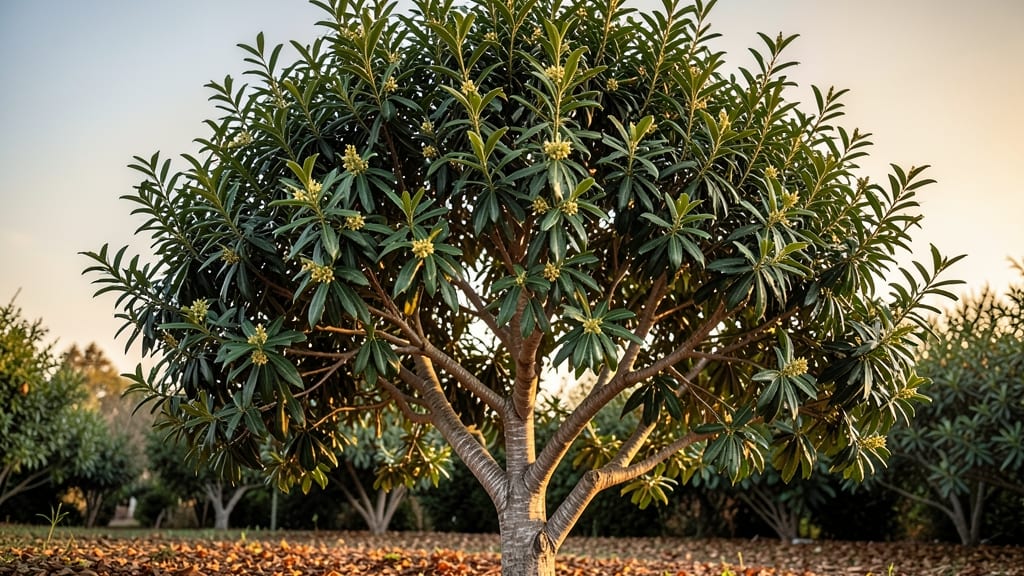
Looking for a fragrant tree that thrives even when you forget to water it? Osmanthus fragrans, or Sweet Olive Tree, delivers a jasmine-apricot scent year-round while demanding minimal care. Unlike other jasmine-scented trees, this evergreen keeps its perfume even when not in bloom.
This versatile tree handles drought conditions beautifully and grows well in hedges, containers, or as a bonsai specimen. Prune lightly after flowering to maintain shape, and watch as its glossy leaves and tiny white blossoms fill your space with a sweet, citrusy aroma. It’s perfect for urban gardens where space is limited.
Urban gardeners and bonsai enthusiasts will love how this tree adapts to small spaces while still packing a fragrant punch. 🌱
Pittosporum Tobira (Japanese Mock Orange)
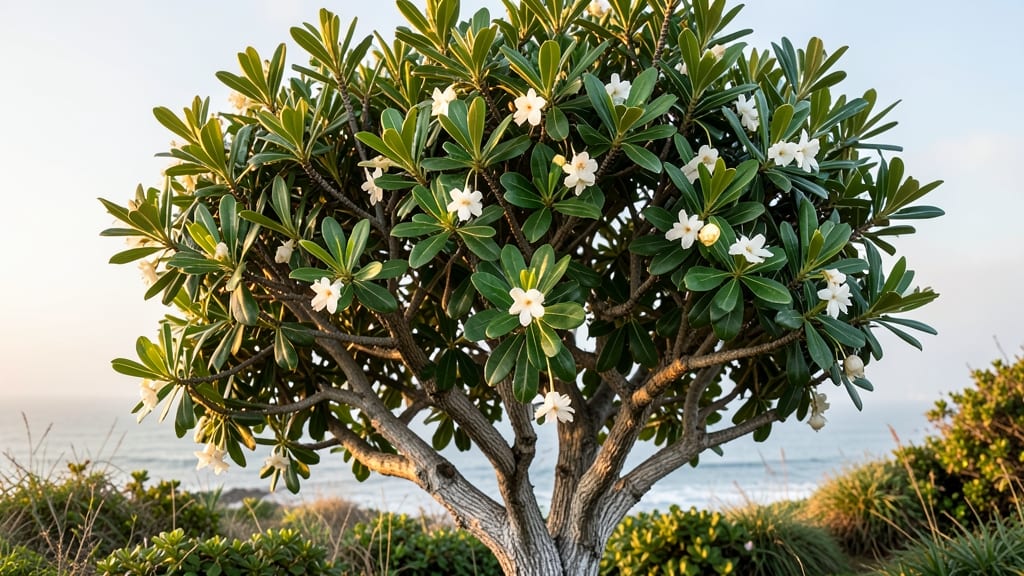
Looking for a fragrant evergreen that thrives by the coast and fills your garden with a jasmine-orange blossom perfume? Pittosporum Tobira, or Japanese Mock Orange, is your answer. Unlike seasonal bloomers, this hardy shrub/tree produces fragrant white flowers year-round in mild climates, making it a standout for coastal gardens.
This versatile plant handles sandy soil, salt spray, and even drought once established, while its glossy dark green leaves add lush texture. Prune lightly after flowering to maintain shape—just avoid heavy cuts, as it blooms on old wood. The scent is strongest in spring but lingers subtly through warmer months, creating a natural air freshener for patios and walkways.
Perfect for gardeners in USDA zones 7-10, Pittosporum Tobira also works beautifully in containers for urban spaces. Its low-maintenance nature and dual fragrance make it a winner for those who love jasmine but want a hardier, evergreen option. 🌿
Forsythia (Golden Bells Shrub-Tree)
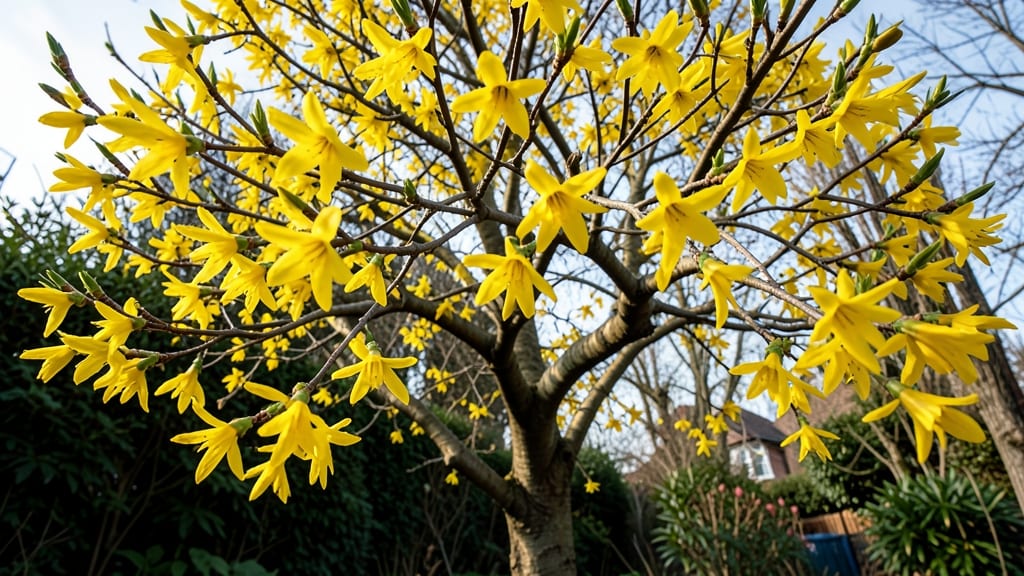
If you're craving a burst of spring fragrance that wakes up your garden before other blooms even appear, forsythia is your answer. This cheerful shrub-tree delivers bright yellow flowers in late winter or early spring, often before its leaves emerge, and carries a delicate jasmine undertone that pollinators adore.
Thriving in full sun and adaptable to most well-drained soils, forsythia requires minimal care—just prune back old wood after blooming to encourage next year's vibrant display. Its early blooms provide a vital food source for bees and butterflies, making it a standout choice for pollinator-friendly gardens. The subtle jasmine-like scent lingers on gentle breezes, creating a welcoming atmosphere.
Perfect for beginner gardeners or urban spaces, forsythia's hardy nature means it handles city pollution and occasional drought. Plant it as a focal point or hedge for a splash of color that signals spring's arrival. 🌻
Gardenia Augusta (Cape Jasmine)

Want to bring a tropical wedding bouquet or container garden to life with a jasmine-like fragrance that thrives in cooler climates? Gardenia Augusta (Cape Jasmine) delivers the dreamy, intoxicating scent you crave—without requiring a greenhouse. This evergreen stunner blooms repeatedly with large, creamy-white flowers that perfume the air at dusk and dawn.
Grow it in containers with well-draining soil and morning sun, protecting it from harsh afternoon rays. Prune lightly after flowering to encourage bushier growth, and feed monthly with acid-loving fertilizer during bloom season. Its glossy dark leaves add lush contrast to any setting, making it a standout for both gardens and floral arrangements.
Perfect for urban balconies, patios, or as a centerpiece plant, this fragrance powerhouse brings tropical luxury to cooler zones. 🌻