
Landscaping
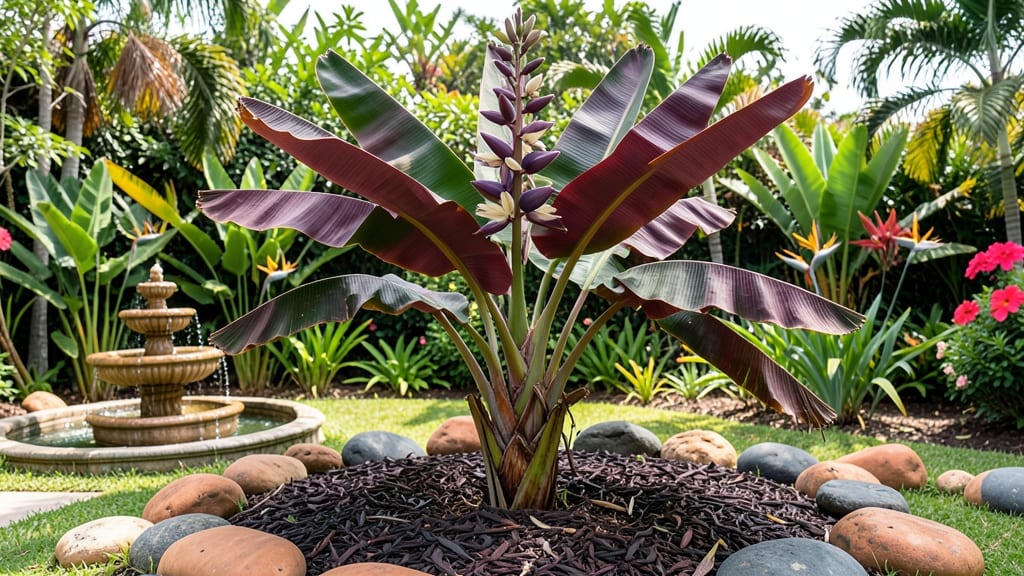
Transforming your yard into a tropical paradise starts with banana tree landscaping ideas as your centerpiece. 🌴 These striking plants don’t just produce fruit—they create instant drama with their bold foliage and architectural presence, perfect for warm climates or even container growing in cooler zones.
Picture a banana tree framing your patio entrance, its massive leaves rustling in the breeze while casting dappled shade. You can plant them near pools, along fences, or even in large pots on patios—just ensure they get plenty of sunlight and protection from strong winds.
Their versatility makes them ideal for both functional and decorative uses, from privacy screens to edible landscaping.
Combine them with other tropical plants like hibiscus, bird of paradise, or bamboo for a lush, layered look. In cooler areas, opt for dwarf varieties or grow them in containers that can be moved indoors during winter. The payoff? A year-round tropical vibe that turns heads and invites relaxation.
Whether you’re going for bold statement pieces or subtle tropical accents, banana trees bring something special to any landscape. Ready to make your outdoor space feel like a resort? Let’s get started with placement and pairing ideas!
📚 In This Guide
- What you need
- Instructions
- Tips and common mistakes
- Wrapping up and next steps
What you need
- ● Banana tree plants: 1–3 mature trees (depending on size; dwarf varieties like Musa acuminata work well for smaller spaces).
- ● High-quality potting soil: 5–10 bags (50 lbs each) of well-draining, organic mix (amend with perlite or sand for aeration).
- ● Container or planting hole: In-ground: Dig a hole 2–3x wider than the root ball, 6–12 inches deep.
- ● Container: 1–2 large pots (20+ gallons each) with drainage holes.
- ● Mulch: 2–3 bags of wood chips or pine straw (3–4 inches thick) to retain moisture.
- ● Fertilizer: Balanced organic fertilizer (10-10-10 or citrus-specific blend) + slow-release granules.
- ● Support stakes: 2–4 bamboo or metal stakes (5–6 ft tall) for young trees.
- ● Watering system: Drip irrigation kit or hose with a gentle spray nozzle.
- ● Water storage (5+ gallon jug) for deep watering.
- ● Must-haves: Shovel & garden trowel
- ● Pruning shears (sterilized)
- ● Gloves (heavy-duty for thorns!)
- ● Nice-to-haves: Soil pH tester (ideal range: 6.0–7.5)
- ● Wheelbarrow for soil transport
- ● String trimmer for edging
- ● Climate: Banana trees thrive in USDA Zones 10–11. For colder zones, opt for Musa basjoo (hardy to Zone 6) or grow in containers.
- ● Sunlight: Full sun (6+ hours daily). Partial shade in extreme heat.
- ● Wind protection: Plant near a fence or trellis if in windy areas.
- ● Drainage: Avoid soggy soil—raise beds or use containers if drainage is poor.
How to design stunning banana tree landscapes
Transform your space into a tropical retreat with these bold, climate-smart banana tree arrangements.
🌿 Step 1: Select the Right Varieties for Your Climate
Banana trees thrive in USDA zones 10-12, but cold-hardy varieties like Musa acuminata 'Dwarf Cavendish' can survive brief dips to 25°F with proper winter protection. For warmer climates, opt for Musa velutina (velvet leaf banana) or Ensete ventricosum (false banana) for architectural drama. I always check the mature height—some dwarf varieties stay under 6 feet, while tropical giants can reach 20+ feet.
Space them according to their growth habit: 6-10 feet apart for single-trunk varieties, 12-15 feet for clumping types. Grouping three plants creates a natural focal point that mimics their native forest understory. Avoid planting near structures unless you're using dwarf varieties—their massive leaves can cast 10+ foot shadows and their roots spread aggressively.
☀️ Step 2: Position for Maximum Sun and Wind Protection
Banana trees demand full sun (6-8 hours daily) but hate scorching afternoon rays in hot climates. I position mine east-west to capture morning sun while avoiding midday intensity. In coastal areas, use lightweight shade cloth (30% coverage) during peak heat to prevent leaf scorch. The key is airflow—plant near a southeast-facing wall or windbreak hedge to reduce disease risk from stagnant air.
Watch for yellowing leaf tips—a sign of either salt spray (common near coasts) or overwatering. Mulch heavily with 4-6 inches of organic matter to retain moisture while protecting roots from temperature swings. The soil should stay consistently moist but never soggy, so I always check the top 2 inches before watering.
🪴 Step 3: Create Stunning Container or In-Ground Plantings
For containers, use at least 15-gallon pots with drainage holes—banana trees hate wet feet. I fill with a mix of 60% potting soil, 20% coconut coir, and 20% perlite for aeration. Add a slow-release fertilizer at planting to support their heavy foliage. In-ground plantings benefit from amended soil: mix in compost and sand if your native soil is clay-heavy. The roots spread 3-4 feet wide, so dig a wide, shallow trench to encourage lateral growth.
For dramatic impact, plant banana trees near palms, bird of paradise, or hibiscus—their contrasting textures create instant tropical vibes. I often tuck ground covers like caladiums or ferns at their base to soften the base while keeping weeds at bay. The secret to a lush banana tree is regular feeding: apply balanced 10-10-10 fertilizer every 6 weeks during growing season, but reduce nitrogen in winter to prevent tender new growth.
✂️ Step 4: Prune and Maintain for Year-Round Appeal
Banana trees are self-cleaning—dead leaves fall naturally, but I remove yellowed or damaged fronds at the base to redirect energy. The pseudostem (what looks like a trunk) is actually tightly packed leaves—never cut into it, as the tree won't regrow. Instead, focus on removing suckers (baby plants) unless you want a clumping effect. I leave 2-3 strong suckers per mature plant to ensure continuous growth.
In cold climates, mulch heavily and wrap the base with burlap or frost cloth before temperatures drop below 35°F. The goal is to protect the crown, not the leaves. You'll know you've done it right when the tree sprouts new leaves in spring—a sure sign the roots survived. For container plants, move them to a sheltered garage or under eaves before frost hits.
🌱 Step 5: Extend the Season with Creative Mulching
Mulch isn't just for insulation—it's a living canvas for banana trees. I use 6 inches of wood chips in summer to retain moisture, then switch to straw or leaves in winter for extra warmth. The mulch should extend 12 inches out from the pseudostem to protect the root flare. For a polished look, edge with black lava rock or pebbles to define the planting area while reflecting heat back to the roots.
Add seasonal interest with ornamental grasses or bromeliads at the base—their upright forms contrast beautifully with banana leaves. I also incorporate solar-powered landscape lights at the base to highlight the tree's architectural form after dark. The result? A tropical oasis that feels lush year-round, even in cooler months.
Tips & tricks for stunning banana tree landscapes
Here's what nobody tells you about creating tropical drama with banana trees that actually thrives.
Climate-Smart Variety Selection: In Step 1, when choosing varieties, consider your microclimate beyond just USDA zones. Coastal areas with salt spray need Musa velutina—its thick leaves handle salt better than standard bananas. For inland heat, Ensete ventricosum thrives with less watering. I've seen Dwarf Cavendish survive to 20°F with extra mulch, but only if planted in sheltered spots where cold air pools last.
Sunlight Strategy: The 6-8 hours of full sun in Step 2 is non-negotiable, but timing matters more than you'd think. In Step 2, position your trees to catch morning sun first—this prevents afternoon leaf scorch in hot climates. I use 30% shade cloth only on the western side of my plants, never the eastern side, to maintain that critical morning light while protecting from harsh afternoon rays.
Container Hack: For container plantings in Step 3, upgrade to 20-gallon pots if possible—the extra space prevents root binding that stunts growth. I add hydrogel crystals to the potting mix to retain moisture between waterings, which is especially helpful in coastal areas where salt spray can dry out soil. The 15-gallon minimum works, but you'll need to water more frequently.
Winter Protection Secret: When protecting against 35°F in Step 4, focus on the root flare—this is where most cold damage occurs. I wrap the base with burlap and mound 8 inches of straw around the pseudostem, creating an insulated dome. For container plants, move them to unheated garages with south-facing windows to capture winter sunlight while avoiding frost.
Pro Tips for Banana Tree Landscaping Ideas
- Here's what nobody tells you about creating tropical drama with banana trees that actually thrives.
- Climate-Smart Variety Selection: In Step 1, when choosing varieties, consider your microclimate beyond just USDA zones.
- Sunlight Strategy: The 6-8 hours of full sun in Step 2 is non-negotiable, but timing matters more than you'd think.
Frequently asked questions
Got questions about transforming your space with banana trees? Here are some of the most common concerns—and their answers—to help you get started with confidence!
Can banana trees survive in cold climates?
Most banana trees thrive in USDA zones 10–12, but some cold-hardy varieties (like Musa basjoo) can tolerate brief dips to 20°F. In colder regions, plant near south-facing walls, mulch heavily, or grow them in containers to move indoors during winter. If you’re in a frost-prone area, consider ornamental banana plants (like Ensete ventricosum) for year-round interest.
How long does it take for a banana tree to grow big enough for landscaping impact?
With proper care, banana trees can reach 10–20 feet tall in 2–5 years, depending on the variety and climate. Dwarf varieties (like Musa acuminata ‘Dwarf Cavendish’) grow faster and may be ready in 1–2 years. For instant drama, plant a 3–4-foot mature specimen—just ensure it’s well-established before transplanting!
Do banana trees produce edible fruit in landscaping settings?
Not always! Many ornamental banana trees (like Strelitzia or Heliconia) are non-edible and prized for their foliage and flowers. If you want actual bananas, choose Musa spp. varieties and expect a 3–5 year wait for fruit. Even then, cold climates may limit production—focus on the tropical aesthetic first!
What pests or diseases should I watch for with banana trees?
Banana trees are generally low-maintenance but can attract:
- Spider mites (yellowing leaves, webbing): Spray with water or neem oil.
- Banana aphids (sticky residue): Use insecticidal soap.
- Fungal diseases (black spots): Improve airflow and avoid overhead watering.
Mulch heavily to deter pests and keep soil moist but not soggy. Prevention is key—inspect leaves regularly!
Can I grow banana trees in containers? What’s the best pot size?
Dwarf varieties work best in containers. For 1–2 years, a 15–20 gallon pot suffices, but mature trees need 25+ gallons with drainage holes. Use a well-draining mix (60% potting soil, 30% perlite, 10% compost). Move pots indoors (bright, cool spot) when temps drop below 50°F.
Wrapping up and next steps
Transforming your outdoor space with banana tree landscaping is a fantastic way to bring tropical flair and year-round interest to your yard. From creating stunning focal points to adding texture and shade, these versatile plants offer endless creative possibilities.
Whether you’re a seasoned gardener or just starting out, the key is to start small, plan thoughtfully, and let your space evolve naturally.
Ready to get growing? Pick one idea from this guide and take the first step today! 🌿 Whether it’s planting a single specimen or designing a full tropical oasis, your backyard (or balcony!) will thank you. Happy landscaping! 🌺