
Plants
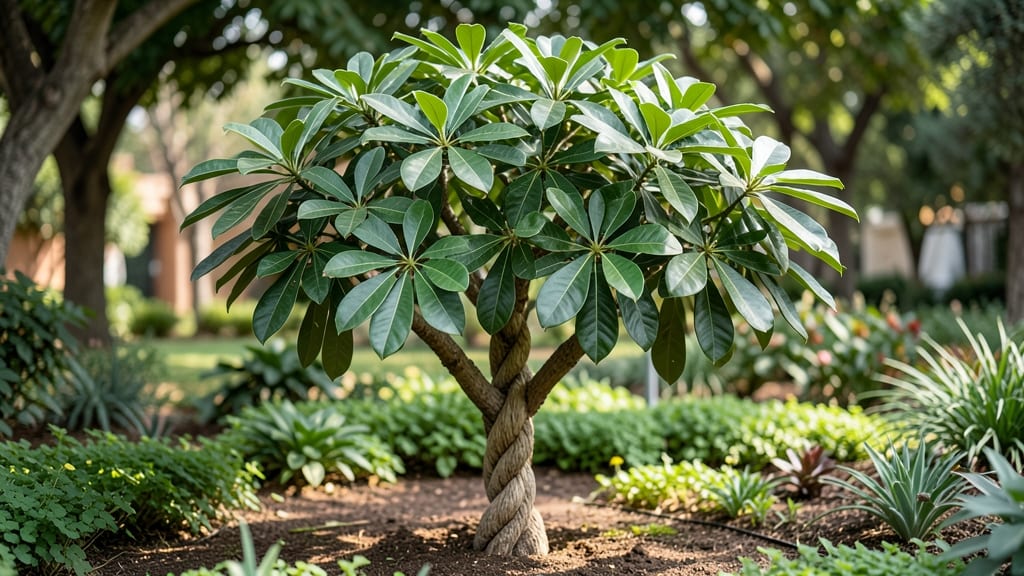
Money tree plants grow 3 to 6 feet tall indoors, depending on their variety and care routine—so yes, that ceiling fan might soon become a problem if you don’t plan ahead.
Picture this: your braided money tree 🌿 stretching toward the light, its leaves reaching for the corner of your living room. Without pruning or space management, some varieties can easily hit 6 feet in just a few years, while others stay compact if trained properly.
The key difference? Variety, light exposure, and how often you trim.
If you’re wondering whether your money tree will stay a tabletop plant or become a room divider, the answer lies in its genetics and your care habits. Some dwarf varieties top out at 3 feet, while standard types can double that—unless you prune them back.
Below, I’ll break down the height ranges by variety, plus the pruning tricks that keep even the tallest money trees under control.
You’ll also learn how to read your plant’s growth signals—drooping leaves, leggy stems, or sudden height spikes—and adjust your care routine to keep it at your ideal height. Ready to stop guessing and start shaping your money tree’s future?


Money tree plant height by variety: how tall each type grows indoors
The money tree (Pachira aquatica) is a popular indoor plant known for its striking foliage and symbolic good luck. But how tall will yours grow? The answer depends entirely on the variety you choose.
Some stay under 3 feet, while others can reach 6 feet or more indoors with proper care. Let’s explore the height ranges for the most common types so you can pick the perfect fit for your space.
Your money tree’s growth rate also varies based on light exposure, pruning habits, and pot size. A well-lit plant in a 12-inch pot may grow 12-18 inches per year, while one in low light or a small container will grow much slower.
Understanding these factors helps you control its height and maintain the look you love.
The standard money tree is the most common variety, reaching 3–6 feet indoors with proper care. If left unpruned, it can grow even taller, especially in bright, indirect light. I’ve seen mine hit 7 feet in optimal conditions, but regular pruning keeps it manageable.
For smaller spaces, the dwarf variety stays under 3 feet, making it perfect for desks or shelves.
If you love the braided money tree, be prepared for a taller plant—these can reach 4–7 feet if not pruned. The braiding process itself doesn’t restrict height; it’s purely aesthetic.
Meanwhile, the variegated money tree grows slightly slower but adds stunning color to your space. Just remember: variegated leaves need more light to maintain their patterns.
Your money tree’s growth rate also depends on its pot size. A smaller pot (under 6 inches) will stunt growth, while a 12-inch pot encourages faster, taller growth. If you want to control height, choose a smaller container or prune regularly.
I’ve found that repotting into a larger pot every 2–3 years helps maintain steady growth without sudden height spikes.
Light plays a huge role in height control. A money tree in low light will grow slower and may become leggy, while too much direct sunlight can scorch the leaves.
Place yours near an east-facing window for ideal growth. In my experience, plants near south-facing windows grow faster but need occasional shade to prevent leaf burn.
Pruning is your best tool for managing height. Trimming the top few inches encourages bushier growth, while cutting back lower branches keeps the plant shorter. I prune mine in early spring to shape it before the growing season kicks in.
For braided varieties, avoid heavy pruning—focus on light trimming to maintain the braids.
Real-world growth varies!
Factors that control money tree height: light, pruning, and care tips
Your money tree (Pachira aquatica) can grow into a towering indoor statement piece—or stay a manageable tabletop plant—depending on three key factors: light exposure, pruning habits, and repotting frequency.
I’ve seen money trees reach 10 feet indoors with aggressive growth conditions, while others remain under 3 feet with careful pruning. The difference comes down to intentional care, not luck.
Light is the foundation of height control. Money trees thrive in bright indirect light, which encourages steady, balanced growth. Place yours near an east-facing window for gentle morning sun or under a grow light if natural light is scarce.
Too little light leads to stretched, leggy growth, while too much direct sun can scorch leaves and spur rapid but weak elongation.
Pruning is where you take direct control. Most gardeners prune to shape their money tree or encourage bushier growth, but timing matters. Prune in spring or early summer to promote new shoots before the growing season peaks.
Cut just above a leaf node (the bump where leaves grow) to trigger branching. Avoid heavy pruning in fall or winter, as this can stress the plant during its dormant phase.
⚠️ Warning: Overwatering + Low Light = Skyrocketing Growth
Your money tree may shoot up like a weed if you combine excess moisture with dim lighting. The plant stretches desperately toward light, creating weak stems that can’t support their own weight. Always pair watering every 7-10 days with bright indirect light to maintain compact, sturdy growth.
Repotting every 2-3 years gives your money tree the root space it needs to grow upward. Choose a pot just 2 inches wider than the current one to encourage root expansion without overwhelming the plant. Overpotting leads to excess soil moisture, which can stunt growth or cause root rot.
If you want a dwarf money tree, repot into a smaller pot to restrict upward growth—just ensure it has drainage holes.
Common mistakes like top-heavy pruning (cutting only the top leaves) or neglecting leaf nodes can turn your money tree into a lanky pole. Instead, aim for a balanced silhouette by trimming evenly around the plant.
For braided varieties, prune just above the braid to maintain the design while controlling height. Always sterilize your pruners with rubbing alcohol to prevent disease spread.
To maintain your desired height, monitor your money tree’s growth rate. A healthy plant grows about 6-12 inches per year indoors. If it’s growing faster, it needs less light or more pruning. For slower growth, check soil moisture and fertilize lightly in spring.
With the right balance of these three factors, you can keep your money tree at any height—from a 3-foot tabletop tree to a 6-foot living room centerpiece. 🌿