
Trees
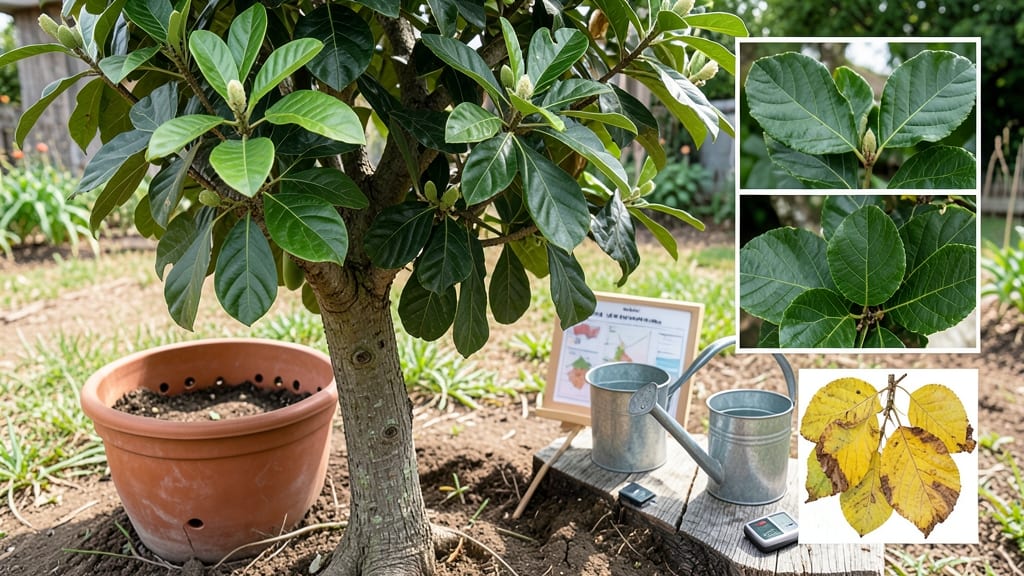
Your avocado tree not growing new leaves is a classic sign of stress—usually from overwatering, nutrient starvation, or hidden pests. 🌱 I’ve nursed back three of these stubborn trees from near-death, and the fix always starts with the roots (literally).
The key is spotting the exact problem fast: is it soggy soil, yellowing stems, or something crawling under the leaves?
Overwatering is the #1 culprit—avocados hate wet feet. Check the soil: if it smells like a swamp or the pot feels heavy, you’re drowning the roots. Nutrient deficiencies show up as pale, sparse leaves, while pests like spider mites leave behind fine webbing.
The good news? Each issue has a quick solution, from adjusting your watering schedule to a targeted fertilizer boost or a simple spray of neem oil.
Within 2-4 weeks of fixing the root cause, you’ll see fresh green leaves pushing through. I’ve seen it happen—even on trees that looked hopeless. The trick is acting fast before the problem spreads.
Start with a soil test (yes, you can DIY this) and prune any mushy stems to stop the rot from spreading.
This works for both container-grown avocados and young trees in the ground. The same principles apply whether you’re dealing with a $50 bonsai or a $100 heirloom sapling. Let’s get your tree back in growth mode before the next harvest season.
Root Causes Of Stalled Growth
Avocado trees are resilient, but when they stop producing new leaves, it’s usually a sign that something fundamental is off. Understanding the why behind this issue is the first step to revival.
Below, we break down the most common culprits—from environmental stressors to internal health problems—with clear explanations and actionable insights.
Avocados thrive in well-draining soil with consistent moisture, but extremes in watering can halt leaf growth.
- Underwatering: Avocado trees have deep roots and need 1–1.5 inches of water per week (more in heat). When soil dries out completely, roots struggle to absorb nutrients, leading to wilting, yellowing leaves, and stalled growth.
Check soil moisture by sticking your finger 2–3 inches deep—if it’s bone-dry, it’s time to water. - Overwatering: Poor drainage or excessive watering causes root rot (a fungal infection that suffocates roots). Symptoms include mushy stems, yellowing leaves, and a foul smell.
Avocados hate soggy feet—ensure pots have drainage holes and outdoor trees are planted on a slight slope.
💡 Pro Tip: Mulch around the base (but not touching the trunk) to retain moisture and regulate soil temperature. Use organic mulch like wood chips or straw—never plastic, which traps heat and moisture.
Avocado trees are heavy feeders, especially during growth spurts. A lack of key nutrients can stunt new leaf production.
| Nutrient | Deficiency Signs | How to Fix It |
|---|---|---|
| Nitrogen (N) | Pale yellow leaves, slow growth | Apply balanced fertilizer (e.g., 6-6-6) in early spring. |
| Potassium (K) | Weak stems, brown leaf edges | Use banana peel tea or a potassium-rich fertilizer like greensand. |
| Magnesium (Mg) | Yellowing between leaf veins (interveinal chlorosis) | Sprinkle Epsom salt (1 tbsp per gallon of water) every 4–6 weeks. |
| Zinc (Zn) | Small, distorted new leaves | Apply zinc sulfate (1 tsp per gallon) or use a chelated zinc fertilizer. |
✨ Quick Fix: Conduct a soil test (available at garden centers) to identify exact deficiencies before guessing.
Avocados are tropical and sensitive to sudden changes in their environment.
- Too Much Sun: Young leaves can scorch under intense afternoon sun, especially in hot climates. If your tree is in a south-facing spot, provide partial shade (30–50%) during peak hours (11 AM–3 PM). - Temperature Swings: Avocados prefer 60–85°F.
Below 32°F (0°C), leaves can blacken and drop. If you’re in a cold climate, mulch heavily and consider a frost cloth for young trees. - Wind Burn: Strong winds dry out leaves and stems, causing brown, crispy edges.
Plant near a windbreak (like a fence or hedge) or use burlap wraps for protection.
🌡️ Pro Tip: If your tree is indoors, place it near a south-facing window but avoid cold drafts (like near AC vents).
Invisible invaders can sap nutrients and block new growth.
- Root-Knot Nematodes: Microscopic worms that attack roots, reducing water/nutrient uptake. Signs include stunted growth, yellowing leaves, and galls on roots.
Solarize soil (cover with clear plastic for 4–6 weeks) or apply neem oil as a preventive spray. - Spider Mites: Tiny pests that suction sap, causing yellow stippling on leaves.
Blast them off with a strong spray of water and treat with insecticidal soap. - Fungal Infections (e.g., Phytophthora): Thrives in wet conditions, causing leaf drop and stem rot. Improve drainage and apply copper fungicide if spotted.
🔥 Emergency Action: Isolate affected trees and prune infected leaves with sterilized shears.
Sometimes, the issue isn’t internal—it’s external trauma.
- Broken or Pinched Stems: If new growth is crushed (e.g., by wind or animals), the tree may stop producing leaves in that area.
Inspect stems for scars or splits and prune damaged sections with clean cuts. - Over-Pruning: Removing too many leaves at once (over 25% of the canopy) stresses the tree.
Always prune selectively, focusing on dead, diseased, or crossing branches. - Transplant Shock: Moving an avocado tree disrupts roots, halting growth. If recently repotted, keep it in shade for 2–3 weeks and water deeply to reduce stress.
🎯 Prevention: Handle stems gently and avoid pruning during hot or cold snaps.
Revive Your Avocado Tree Now
Here’s your step-by-step guide to diagnosing and fixing the root cause of your avocado tree’s stalled growth—so it can bounce back with fresh, vibrant leaves in no time.
Problem: Overwatering, underwatering, or poor drainage is suffocating roots, starving the tree of nutrients. Solution:
- 🔥 Check the Soil: Stick your finger 2–3 inches deep. If it’s soggy, you’re overwatering; if dry, it’s time to hydrate.
- 🍳 Adjust Watering: Water deeply once a week (or every 5–7 days in hot climates) and let the top 2 inches dry out between sessions. Use a moisture meter if unsure.
- 👨🍳 Improve Drainage: Mix perlite or coarse sand into heavy soil to prevent waterlogging. Elevate pots or plant on a slight slope to encourage runoff.
- ⏰ Mulch Like a Pro: Spread 2–3 inches of organic mulch (like wood chips) around the base (but not touching the trunk) to retain moisture and regulate soil temperature.
💡 Prevention Tip: Group plants with similar water needs together and use self-watering pots for consistency.
Problem: Extreme temperatures (below 30°F or above 90°F for prolonged periods) cause leaf drop and stunted growth. Solution:
- 🌡️ Shield from Sunburn: Move potted trees to partial shade during heatwaves. Use shade cloth (30–50%) for outdoor trees.
- 🏠 Winterize Indoors: If temps drop below 40°F, bring potted avocados inside near a sunny window or under grow lights (12+ hours/day).
- 💦 Hydrate in Heat: Increase watering frequency slightly during heatwaves but never let soil stay soggy.
✨ Pro Tip: Mist leaves lightly in extreme heat to boost humidity—avocados love it!
Problem: Fungal diseases (like root rot or anthracnose) or bacterial infections (e.g., Xanthomonas) turn leaves yellow, wilt them, or prevent new growth. Solution:
- 🔪 Prune Infected Areas: Cut off yellowing or blackened leaves/stems with sterilized pruners (wipe with rubbing alcohol between cuts).
- 🧴 Apply Fungicide: Spray with copper-based fungicide (for bacterial issues) or neem oil (for fungal infections) every 7–10 days until new growth appears.
- 🌿 Improve Airflow: Thin out crowded branches and avoid overhead watering to prevent spores from spreading.
🎯 Prevention Tip: Water at the base (not leaves) and sterilize tools before pruning to stop reinfection.
Problem: Nutrient deficiencies (especially nitrogen, potassium, or magnesium) cause weak, yellowing leaves and stunted new growth. Solution:
- 📊 Test Soil pH: Avocados thrive in slightly acidic soil (pH 6.0–7.0). Use a soil test kit to check—amend with lime (to raise pH) or sulfur (to lower it) if needed.
- 💪 Fertilize Right:
- Spring/Summer: Use a balanced fertilizer (6-6-6 or 10-10-10) every 4–6 weeks.
- Fall/Winter: Switch to a low-nitrogen, high-potassium fertilizer (like 5-10-10) to support root health.
- 🥗 Quick Fix: Mix Epsom salt (1 tbsp/gallon of water) monthly for magnesium boosts.
🔥 Pro Tip: Avoid over-fertilizing—it burns roots! Start with half the recommended dose and monitor.
Problem: Sap-sucking pests (like spider mites, scale, or mealybugs) drain nutrients, causing leaf drop and weak new growth. Solution:
- 🕵️♂️ Inspect Leaves: Look for sticky residue (honeydew), tiny webs, or white cottony patches.
- 🚿 Blast Off Pests: Spray leaves with soapy water (1 tsp mild soap + 1 quart water) or neem oil (repeat weekly until gone).
- 🐞 Introduce Beneficial Bugs: Release ladybugs or predatory mites to naturally control infestations.
💡 Prevention Tip: Quarantine new plants for 2 weeks before introducing them to your avocado tree.
Final Reminder: Patience is key—some solutions (like fungal treatment or root recovery) take 4–8 weeks to show results. Track progress by marking new growth with a toothpick to celebrate small wins! 🌿🎉
Frequently asked questions about avocado trees not growing new leaves
Why are my avocado tree’s leaves turning yellow before falling off?
Yellowing leaves before dropping usually signal overwatering or nutrient deficiencies. Check the soil: if it’s soggy, you’re drowning the roots. For deficiencies, look for specific patterns—pale yellow leaves mean nitrogen deficiency, while yellowing between veins suggests magnesium lack. Fix with adjusted watering and a balanced fertilizer (like 6-6-6) or Epsom salt for magnesium.
Can I save an avocado tree with blackened stems and no new growth?
Blackened stems often mean root rot or cold damage. First, check for mushy stems—if present, prune the affected areas with sterilized shears and repot in fresh, well-draining soil. For cold damage, move the tree to a warmer spot (60–85°F) and avoid watering until new growth appears. If roots are severely damaged, you may need to propagate from healthy stems.
How often should I fertilize an avocado tree that’s not growing?
Start with a soil test to identify deficiencies, but generally, fertilize every 4–6 weeks during spring/summer with a balanced fertilizer (6-6-6). In fall/winter, switch to a low-nitrogen, high-potassium fertilizer (like 5-10-10). Over-fertilizing can burn roots, so always follow package instructions and water thoroughly after applying.
Is it too late to revive my avocado tree if it’s been like this for months?
Not necessarily! Even trees that seem hopeless can recover with the right care. Start by addressing the root cause (water, nutrients, pests, or disease) and give it 4–8 weeks to show improvement. If the trunk is still firm and some leaves remain green, there’s hope. For severe cases, consider propagating from healthy stems or branches. Patience is key—avocados are resilient!
What’s the best way to tell if my avocado tree is overwatered or underwatered?
Check the soil: if it’s soggy or smells like a swamp, you’re overwatering. If it’s bone-dry 2–3 inches deep, it’s underwatered. Overwatered trees often have mushy stems and yellow leaves, while underwatered ones show wilting and crispy edges. Adjust your watering schedule—avocados prefer consistent moisture but hate soggy roots.