
Pruning
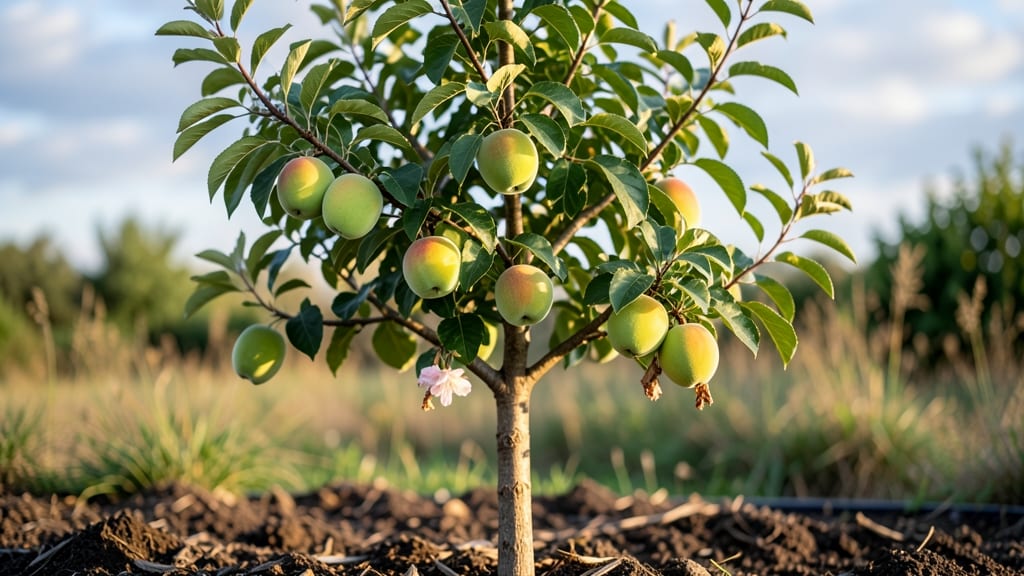
Green peach fruit on your 🍑 tree isn’t just a color issue—it’s a sign your tree needs attention, whether from weather, nutrients, or pests.
Picture this: You’ve waited months for those juicy peaches, only to find them still green when harvest time rolls around. It’s frustrating, but the good news? Most cases have simple fixes—like adjusting watering, checking for disease, or giving your tree the right nutrients.
Below, I’ll walk you through the fastest ways to turn those green fruits into sweet, ripe peaches before it’s too late.
Peach trees in Zone 6a often face this problem due to cool springs or uneven ripening. The key is acting early—whether it’s pruning for better airflow, testing soil pH, or even harvesting slightly early if the fruit is otherwise ready.
You’ll learn exactly how to tell when green fruit is salvageable and when to let it go.
By the end, you’ll know not just why your peaches stay green, but how to prevent it next season—so you can enjoy that classic summer harvest without the guesswork.
Why your peach tree produces green fruit: 5 common causes
Peach trees are known for their vibrant yellow-orange fruit, but when you spot green peaches instead, it’s often a sign your tree is struggling. While some varieties like green-fleshed peaches (e.g., 'Green Garnet') are naturally green, most commercial peach varieties should transition to warm hues.
Understanding the root causes helps you take corrective action before your harvest suffers.
Green fruit typically results from environmental stress, nutrient imbalances, or immature development. Unlike apples or pears, peaches rely heavily on warm temperatures and consistent sunlight to trigger color change.
Even a single missed factor—like uneven watering or late-season chilling hours—can delay ripening and keep fruit green well past harvest time.
- 🌡️ Temperature Fluctuations: Peaches need consistent warm days (80°F+) and cool nights (50-60°F) to ripen. Sudden heatwaves or late frosts disrupt chlorophyll breakdown, keeping fruit green.
- 💧 Water Stress: Overwatering causes root rot, while drought stress limits nutrient uptake. Both conditions delay fruit maturation, leaving peaches hard and green longer.
- 🌱 Nutrient Deficiencies: Lack of potassium or magnesium (common in alkaline soils) prevents color development. Yellowing leaves paired with green fruit often signal a phosphorus shortage.
- ⏳ Immature Fruit: Young trees (3 years old) produce small, green peaches due to limited energy reserves. Even mature trees may yield underripe fruit if pruned too late in the season.
- 🍄 Disease or Pest Damage: Brown rot or aphid infestations can stunt fruit growth, leaving peaches deformed and green. Check for blackened pits or sticky sap as red flags.
One of the most misunderstood causes is varietal differences. Some heirloom peach varieties, like 'Green Skin' or 'Green Garnet,' naturally retain a greenish hue even when ripe. If your tree matches this description, focus on texture and taste rather than color to determine ripeness.
For most commercial varieties, though, green fruit signals an underlying issue needing attention.
Another critical factor is chilling hours. Peach trees require 300–1,000 hours below 45°F during winter to break dormancy and set fruit properly. In warmer climates (USDA Zones 8–10), insufficient chilling can lead to poor fruit development, with peaches staying small and green.
This is why low-chill varieties (e.g., 'Redhaven' or 'Elberta') are often recommended for southern gardens.
Soil pH plays a surprising role too. Peach trees thrive in slightly acidic soil (pH 6.0–6.5). If your soil is too alkaline (pH 7.0+), the tree struggles to absorb essential nutrients like iron and zinc, directly impacting fruit color. Conduct a soil test—if pH is off, amend with sulfur or peat moss to restore balance.
Even pruning mistakes can contribute to green fruit. Over-pruning in late spring removes energy sources, leaving the tree with fewer resources to ripen fruit. Conversely, under-pruning can lead to overcrowded branches, where peaches receive uneven sunlight and stay green.
Aim to prune in late winter to encourage balanced growth.
Finally, consider your harvest timing. Some gardeners pick peaches green for storage, assuming they’ll ripen indoors. However, peaches don’t ripen well off the tree—they’re a climacteric fruit like tomatoes, meaning they need ethylene gas from the tree to soften.
If you harvest too early, the fruit may stay firm and green indefinitely.
Addressing these causes early can restore your peach tree’s productivity and ensure a sweet, vibrant harvest next season. Start by evaluating your tree’s environmental conditions and care routine—small adjustments can make a big difference in fruit color and flavor.
How to fix green peach fruit fast: step-by-step solutions
If your peach tree is producing green fruit instead of the vibrant yellow-orange hues you expected, don’t panic. This common issue often stems from environmental or care-related factors. The good news? With the right adjustments, you can encourage proper ripening and restore your tree’s productivity.
Start by diagnosing the root cause—whether it’s water stress, nutrient deficiencies, or temperature fluctuations—and apply targeted fixes immediately.
First, check your watering schedule. Peach trees need consistent moisture, especially during fruit development. Overwatering or underwatering can both stress the tree, leading to poor color development. Aim for deep watering 2-3 times per week during peak growing months (May–August), ensuring the soil stays evenly moist but not soggy.
Use a moisture meter to monitor soil conditions—if the top 2 inches are dry, it’s time to water.
⚠️ callout-warning
Next, evaluate your fertilizer strategy. A lack of potassium or phosphorus can delay fruit ripening. Switch to a balanced fertilizer (10-10-10) and apply it in early spring and mid-summer.
For a quick boost, use a fruit-specific fertilizer with higher potassium content (e.g., 0-10-20). Spread fertilizer evenly around the tree’s drip line and water it in thoroughly to avoid root burn.
Pruning can also play a critical role. Remove overcrowded branches to improve airflow and sunlight penetration, which speeds up ripening. Focus on thinning out fruit clusters—overloaded branches can’t mature properly.
Aim to leave 6-8 inches between fruits to reduce competition for nutrients. Use clean, sharp pruners and sterilize them with rubbing alcohol to prevent bacterial infections.
Temperature exposure is another key factor. Peaches need 600-800 chill hours (below 45°F) during dormancy to set fruit properly. If your region lacks these chill hours, consider low-chill varieties like ‘Redhaven’ or ‘Elberta.’
During fruit development, protect your tree from late frosts (below 28°F) by covering it with frost cloth or using a tree wrap. Even mild heat stress (above 90°F) can stunt ripening, so provide afternoon shade with lightweight shade cloth if needed.
For long-term prevention, maintain a consistent care routine. Mulch around the tree’s base with 2-4 inches of organic mulch (like wood chips) to retain moisture and regulate soil temperature. Test your soil’s pH level—peach trees thrive in slightly acidic soil (pH 6.0–6.5).
If your soil is too alkaline, amend it with sulfur or peat moss to improve nutrient uptake. Finally, monitor for pests like aphids or peach tree borers, which can stress the tree and delay ripening. Use neem oil or insecticidal soap as a preventive spray.