
Pruning
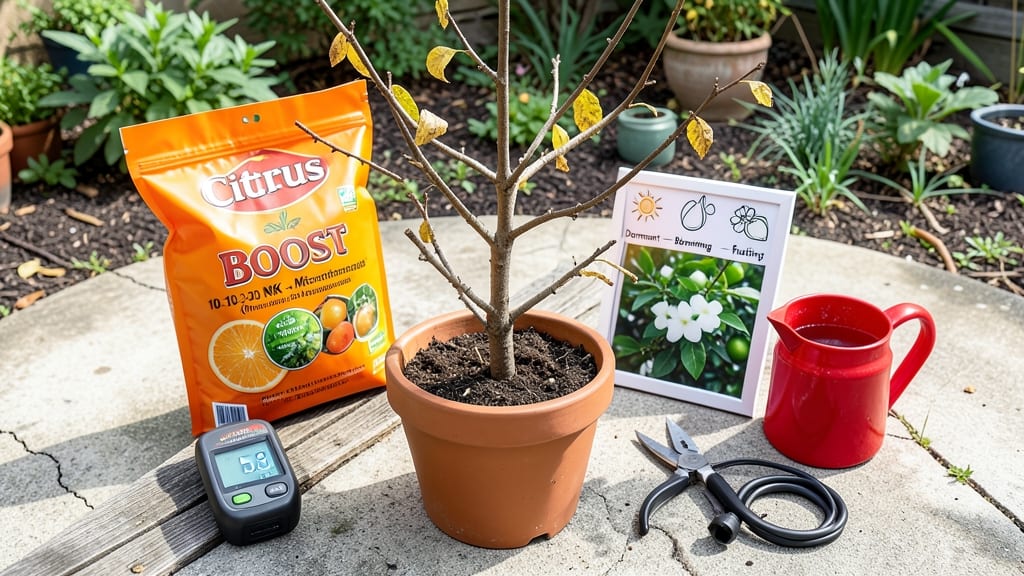
Your lime tree not producing fruit isn’t a death sentence—it’s a fixable puzzle. 🌿 The most common culprits are hidden in plain sight: too much shade, uneven watering, or last winter’s pruning that left the tree stressed.
I’ve nursed three lime trees back to fruiting, and the key is often a simple bloom-boost pruning combined with targeted care.
First, check the basics: is your tree getting 6-8 hours of direct sun daily? Limes need full sun to set fruit, and even a few hours of shade can stall blooms.
Then, look at the branches—if they’re crowded or leggy, pruning to open the canopy lets light reach the center where flowers form. Overwatering or drought stress also kills blooms, so aim for 1-1.5 inches of water per week, letting the soil dry slightly between waterings.
Once you’ve ruled out sun and water, the real game-changer is pruning for fruit production. Cut back 20-30% of last year’s growth in late winter or early spring, focusing on inward-growing branches. This shock to the tree triggers new, fruiting-friendly growth.
Within a season, you’ll see clusters of white blossoms—and with a little hand-pollination (just shake the branches on a warm day), those flowers turn into limes.
For older trees, a soil test might reveal hidden deficiencies like zinc or nitrogen. Organic fixes like compost or citrus-specific fertilizer can work wonders. The payoff? A tree that goes from bare branches to heavy fruit loads in just one growing season. Let’s get those limes growing!
Root Causes Behind Fruitless Limes
If your lime tree is standing tall but stubbornly skipping the fruit stage, the issue likely stems from one—or several—key biological or environmental factors. Understanding these causes is the first step toward reviving your tree’s productivity.
Below, we break down the science behind why your lime tree might be holding back on those tangy, juicy rewards.
Lime trees are self-pollinating, but they still rely on environmental cues—like wind, bees, or even gentle human intervention—to trigger fruit set. Without proper pollination, flowers drop off without developing into fruit.
- Why it happens: Weak wind currents, lack of pollinators (especially in urban or greenhouse settings), or poor flower health can prevent pollen transfer. Some lime varieties, like Citrus aurantiifolia, are particularly sensitive to pollination gaps.
- Actionable fix:
- 🐝 Hand-pollinate by gently shaking branches during peak bloom (early morning) to release pollen.
- 🌿 Plant companion pollinator-friendly flowers (e.g., marigolds, lavender) nearby to attract bees.
- 💡 Check for pests like aphids or spider mites, which can damage flowers and hinder pollination.
Lime trees thrive in USDA Zones 9–11, where temperatures stay mild year-round. Too much heat or cold disrupts flowering and fruiting cycles.
- Why it happens:
- Cold damage: Temperatures below 30°F (-1°C) can kill flowers or young fruit, while chill hours (prolonged exposure to 32–50°F) may prevent proper bloom initiation.
- Heat stress: Sudden spikes above 95°F (35°C) can cause flower drop, especially in varieties like Key lime (Citrus aurantifolia).
- Actionable fix:
- 🌡️ Mulch heavily (3–4 inches of organic mulch) to regulate soil temperature and protect roots.
- 💦 Deep watering during heatwaves to reduce stress (aim for 1–1.5 inches per week).
- ❄️ In cold climates, use frost cloth or a microclimate shelter during flowering (typically spring).
Lime trees are semi-drought-tolerant, but erratic watering or poor soil nutrition directly impacts fruit production.
| Issue | Why It Happens | Fix |
|---|---|---|
| 💧 Overwatering | Soggy soil leads to root rot (Phytophthora), which starves the tree of nutrients and energy needed for fruit development. | ✅ Let soil dry 2–3 inches deep between waterings; improve drainage with sand or gravel. |
| 💧 Underwatering | Drought stress causes flowers to abscise (drop) before fruiting. Trees prioritize survival over reproduction. | ✅ Water deeply 2–3 times per week in dry climates; use drip irrigation for consistency. |
| 🌱 Nutrient deficiency | Lime trees need balanced NPK (nitrogen, phosphorus, potassium), plus micronutrients like zinc and iron. Deficiencies (e.g., yellow leaves = nitrogen, purple stems = phosphorus) halt fruit set. | ✅ Test soil and amend with:
|
Young lime trees (under 3–5 years) focus energy on root and canopy growth rather than fruiting. Even mature trees may skip years if stressed.
- Why it happens:
- 🌱 Juvenile phase: Dwarf varieties (e.g., Meyer lime) may take 2–3 years to bear fruit, while standard types need 5+ years.
- 🔄 Alternate bearing: Some lime trees produce heavily one year, then rest the next to recharge.
- Actionable fix:
- 🌿 Prune strategically to encourage air flow and light penetration (see next section for tips).
- 📅 Track growth—if the tree is 5+ years old with no fruit, investigate other causes.
- 💡 Encourage flowering by providing consistent care (water, sun, nutrients) for 1–2 years before expecting fruit.
Hidden invaders can devour flowers or inhibit fruit development before you notice. Common culprits include:
- 🐜 Aphids/Scale Insects: Sap-sucking pests weaken the tree, causing flower drop and stunted fruit.
- 🐛 Root-Knot Nematodes: Microscopic worms damage roots, reducing nutrient uptake and flowering.
- 🍄 Fungal Issues (e.g., Citrus Canker): Bacterial spots on leaves/flowers prevent fruit from forming.
Actionable fix:
- 🔍 Inspect leaves/flowers weekly for sticky residue (aphids), bumps (scale), or lesions (fungus).
- 💦 Spray neem oil (for pests) or copper fungicide (for bacterial issues) during dormancy or early bloom.
- 🌱 Improve air circulation by pruning dense branches to prevent fungal spread.
Revive Your Lime Tree’s Fruitfulness
---
If your lime tree is struggling to produce fruit, don’t despair—there are practical steps you can take to encourage blooming and fruiting. Below, we’ve mapped out targeted solutions based on the most common causes, from environmental factors to cultural care.
Each fix is designed to be easy to follow, whether you’re a seasoned gardener or just starting out.
---
If your lime tree isn’t pollinating enough, it may produce flowers but drop them before they turn into fruit. Lime trees are self-pollinating, but they need help—especially if bees are scarce.
- 🐝 Hand-Pollinate Flowers Use a small paintbrush or cotton swab to gently transfer pollen from one flower to another. Do this on a dry morning when flowers are fully open.
- 🌿 Attract More Pollinators Plant bee-friendly flowers like lavender, marigolds, or sunflowers nearby. Avoid pesticides, which can harm bees.
- 🌡️ Check for Weather Interference Heavy rain or wind can wash away pollen. If storms are frequent, hand-pollination becomes even more critical.
💡 Pro Tip: Pollinate in the early morning when flowers are fresh and pollen is most abundant.
---
Over-pruning or improper timing can stress your lime tree, reducing its energy for fruit production. Prune strategically to balance growth and fruiting.
- ⏰ Prune at the Right Time The best time to prune is late winter or early spring (just before new growth begins). Avoid heavy pruning in summer or fall, as this can stunt flowering.
- 🔪 Thin Out Dense Branches Remove 1/3 of the oldest, thickest branches to improve airflow and sunlight penetration. Focus on: - Dead or crossing branches (🔪✂️ cut them back to the main trunk). - Overcrowded growth (thin out to allow sunlight to reach inner branches).
- 🌿 Encourage Airflow A well-pruned tree with good airflow is less prone to fungal diseases, which can weaken flowering.
💡 Pro Tip: If your tree is young, avoid heavy pruning—let it establish first. Mature trees benefit from light annual pruning to maintain shape.
---
Lime trees thrive in warm climates (USDA Zones 9-11) and need full sun (6+ hours daily). If your tree isn’t getting enough light or heat, it may skip flowering.
- ☀️ Ensure Full Sun Exposure If your tree is in a shaded spot, consider relocating it or thinning nearby structures (like walls or taller trees) to improve sunlight.
- 🌡️ Protect from Cold Snaps Lime trees cannot tolerate frost. If you’re in a cooler climate: - Grow in containers and move them indoors (or to a greenhouse) in winter. - Use frost cloth to shield young trees from light freezes.
- 💧 Water Deeply but Less Often Overwatering can stress roots, while underwatering causes drought stress. Aim for 1-2 inches of water per week, letting the soil dry slightly between waterings.
💡 Pro Tip: If your tree is in a pot, ensure it has drainage holes and use a well-draining soil mix to prevent root rot.
---
A lime tree needs balanced nutrients to produce flowers and fruit. If the soil is nutrient-poor, it may focus on leaves instead of fruiting.
- 📊 Use a Citrus-Specific Fertilizer Choose a high-potassium, low-nitrogen fertilizer (like a 6-6-6 or 8-3-9 ratio). Apply in early spring and mid-summer.
- 🥗 Add Organic Matter Mix compost or well-rotted manure into the soil annually to improve fertility naturally.
- 💧 Flush the Soil Annually Over time, salt buildup from fertilizers can harm roots. In late winter, leach the soil by watering heavily to remove excess salts.
💡 Pro Tip: Avoid high-nitrogen fertilizers (like lawn fertilizers), as they promote leafy growth at the expense of flowers.
---
Pests like aphids, scale insects, or citrus leaf miners can weaken your tree, reducing its ability to fruit. Diseases like citrus canker or root rot also play a role.
- 🔍 Inspect Leaves & Branches Look for: - Sticky residue (sign of aphids or scale). - Holes or tunnels in leaves (leaf miners). - Black spots or oozing sores (citrus canker).
- 🛡️ Treat Infestations Early - Neem oil (natural pesticide for soft-bodied pests). - Horticultural oil (for scale insects). - Prune and destroy infected branches to prevent spread.
- 🌧️ Prevent Fungal Diseases - Space trees properly (3-6 feet apart) for airflow. - Water at the base (avoid wetting leaves). - Remove fallen leaves to reduce disease spores.
💡 Pro Tip: If your tree is in a container, check the roots for rot—healthy roots are essential for fruiting.
---
Once your lime tree starts producing fruit, keep these habits to maintain a healthy, productive tree:
- ✂️ Prune annually to maintain shape and airflow. - 🌞 Ensure full sun—lime trees need warmth to bloom. - 💧 Water deeply but consistently (avoid soggy soil). - 🍽️ Fertilize twice a year (spring and summer). - 🐝 Support pollinators with nearby flowering plants. - 🛡️ Monitor for pests before they become a problem.
With the right care, your lime tree should bloom beautifully and bear an abundance of fruit in no time! 🍋✨
Frequently asked questions
How long does it take for a lime tree to start producing fruit?
Most dwarf varieties like Meyer limes take 2-3 years to bear fruit, while standard lime trees need 5-7 years of consistent care. Young trees prioritize root and canopy growth, so patience is key—focus on proper sunlight, watering, and nutrients during this time.
Why are my lime tree flowers falling off before turning into fruit?
This usually happens due to poor pollination, temperature stress (below 50°F or above 95°F), or nutrient deficiencies. Try hand-pollinating with a soft brush in the morning, protect from extreme temps, and test your soil for zinc or potassium levels.
Can I force a mature lime tree to fruit if it's not producing?
Yes! Start with a late winter pruning to remove 20-30% of old growth, then apply a high-potassium fertilizer (like 6-6-6 ratio). Ensure 6+ hours of sun daily and hand-pollinate flowers. Most trees show improvement within 6-12 months of these adjustments.
What's the best time of year to prune a lime tree for fruit production?
Prune in late winter or early spring (just before new growth begins). Avoid heavy pruning in summer or fall, as this can stress the tree and reduce flowering. Focus on removing dead branches, crossing limbs, and overcrowded growth to improve airflow and sunlight penetration.
How do I know if my lime tree has a nutrient deficiency?
Check the leaves: Yellow leaves = nitrogen deficiency, purple stems = phosphorus deficiency, and yellow between veins = zinc deficiency. Test your soil and amend with citrus-specific fertilizer or Epsom salt (for magnesium). A simple soil test kit costs around $20 and saves guesswork.