
Pests and Diseases
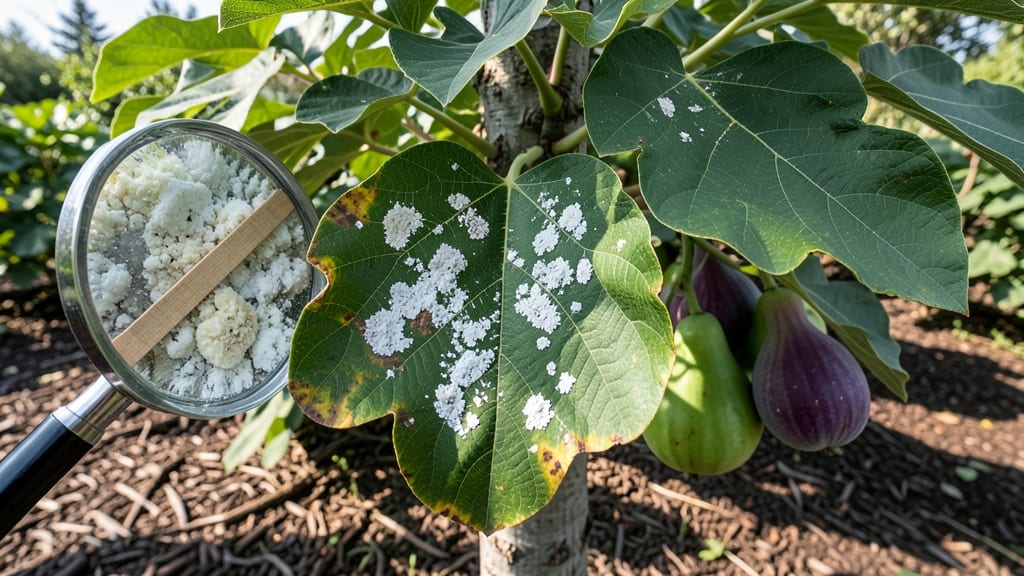
White spots on fig tree leaves mean your plant is fighting powdery mildew—and it’s fixable. 🌿 That fuzzy white coating isn’t just unsightly; it weakens your tree if left untreated.
I’ve battled this exact issue with my Mission figs, and I’ll walk you through how to diagnose it, stop its spread, and bring your tree back to full, glossy health. The culprit is almost always powdery mildew, a fungal disease that thrives in warm, humid conditions.
You’ll spot it as white, powdery patches on leaves, stems, or even fruit. The good news? This fungus responds well to simple, organic treatments—no harsh chemicals needed. My trees recover within 2-3 weeks with consistent care, and I’ll share the exact steps that work.
You’ll start by isolating the affected branches and applying a baking soda spray (yes, the kitchen staple!) mixed with a drop of dish soap. For stubborn cases, a neem oil solution does the trick. The key is prevention: improve airflow, water at the base, and avoid overhead sprinkling.
Your fig tree will bounce back stronger than ever. This method works for all fig varieties, from dwarf varieties to mature trees. Whether you’re growing in containers or in-ground, these solutions adapt easily. Let’s get your tree thriving again!
Root Causes Behind White Spots
Understanding why your fig tree leaves develop those pesky white spots is the first step toward treating—and preventing—the problem. These spots are rarely just a cosmetic issue; they’re usually a sign of stress or infection.
Let’s break down the most common culprits, backed by science, so you can identify the issue and act fast.
Fungi are the #1 cause of white spots on fig tree leaves, and powdery mildew (Podosphaera xanthii or Oidium spp.) is the most notorious offender. Here’s how it happens:
- How it spreads: Fungal spores float in the air or hitchhike on tools, water, or even your clothes.
They land on leaves, germinate in high humidity (70%+) and warm temperatures (60–85°F), and form a white, powdery coating that blocks sunlight. - Why figs are vulnerable: Fig trees have soft, tender leaves that fungi love.
Poor air circulation (like overcrowded plants or dense foliage) traps moisture, creating the perfect fungal buffet. - Red flags: White spots start as small, circular patches, then spread into a fuzzy, cobweb-like layer. Leaves may yellow, curl, or drop prematurely.
Pro tip 💡: Check the undersides of leaves—fungi often start there before spreading to the top.
White spots can also appear when your fig tree’s environment goes haywire. These aren’t infections but signs of abiotic stress (non-living factors):
- Overwatering or poor drainage: Soggy roots lead to root rot, which weakens the tree and makes it susceptible to fungal attacks or triggers edema (white, corky spots from waterlogged cells). - Low light or sudden shade: Fig trees need 6+ hours of sunlight.
Too little light weakens leaves, making them prone to sun scald (white, crispy patches) or fungal infections. - Temperature swings: Cold drafts (below 50°F) or hot, dry winds can cause leaf burn, appearing as white, papery patches.
Actionable fix ✨: Mulch properly (2–4 inches of organic mulch) to regulate soil moisture and temperature.
While pests like aphids or spider mites don’t directly cause white spots, their honeydew secretions do. Here’s the chain reaction:
- Pests feed on sap, weakening leaves.
- Honeydew (a sticky sugar waste) coats the leaves.
- Sooty mold (a black or gray fungus) grows on the honeydew, but white spots often appear first as yeast infections or algal growth (like Cephalosporium spp.) thriving in the sticky mess.
Tell-tale signs:
- Sticky residue on leaves (wipe with a finger—if it’s sticky, pests are nearby).
- Tiny webs (spider mites) or curled leaves (aphids).
Quick fix 🔥: Blast leaves with water (disrupts pests) or use neem oil (1 tsp per quart of water) to break the cycle.
Overzealous fertilizing—especially with high nitrogen or salt-based fertilizers—can cause fertilizer burn. Symptoms include:
- White, crusty patches (from salt buildup).
- Leaf edges turning white or brown (nutrient toxicity).
How it happens:
- Too much synthetic fertilizer disrupts the soil’s pH balance.
- Improper watering after fertilizing concentrates salts in the root zone, which get absorbed by leaves.
Solution 🎯: Flush the soil with water (slow drip over 30 mins) and switch to organic, slow-release fertilizer (like compost or worm castings).
A fig tree under stress (from transplant shock, nutrient deficiencies, or poor pruning) has lower defenses against white spot causes. For example:
- Iron or magnesium deficiency: Causes interveinal chlorosis (white patches between leaf veins).
- Pruning wounds: Open cuts invite fungal spores to colonize.
Prevention tip 🌡️: Prune in dry weather and use pruning sealant to minimize infection risks.
Fixing White Spots on Your Fig Tree
Now that you know what’s causing those pesky white spots on your fig tree leaves, it’s time to take action! The good news? Most of these issues are treatable with the right approach.
Below, we’ve broken down the best solutions based on the likely cause—plus some pro tips to keep your tree thriving long-term.
Powdery mildew is the most common culprit, but don’t worry—it’s manageable with consistent care.
🔥 Step 1: Prune Infected Leaves
- Remove heavily infected leaves (especially older or yellowing ones) to prevent spores from spreading.
- Dispose of them properly—don’t compost them; instead, seal them in a plastic bag and toss them in the trash.
🍳 Step 2: Apply Fungicidal Sprays
- Neem oil spray (1 tsp neem oil + 1 tsp mild soap + 1 quart water) – Spray early morning or late evening to avoid burning leaves.
- Baking soda solution (1 tbsp baking soda + 1 tsp oil + 1 gallon water) – Helps create an alkaline environment mildew hates.
- Commercial fungicides (like sulfur or copper-based sprays) – Follow label instructions for best results.
👨🍳 Step 3: Improve Airflow & Light
- Space out plants if they’re crowded—fungi thrive in humid, shaded conditions.
- Water at the base (not overhead) to keep leaves dry.
- Ensure 6+ hours of sunlight daily—powdery mildew loves shady spots.
⏰ Step 4: Repeat Treatments
- Reapply sprays every 7–10 days until new growth appears free of white spots.
- Monitor for recurrence—fungi can return if conditions stay favorable.
If mites, aphids, or scale insects are the problem, you’ll need a different strategy.
🔪 Step 1: Blast Off Pests with Water
- Use a strong spray nozzle to dislodge mites and aphids from leaves.
- Do this in the early morning so leaves dry quickly (prevents fungal growth).
🌡️ Step 2: Introduce Natural Predators
- Ladybugs, lacewings, or predatory mites – Buy them online or from garden centers to eat the pests naturally.
- Encourage beneficial insects by planting companion flowers like marigolds or dill.
🎯 Step 3: Use Insecticidal Soap or Oil
- Mix 1–2 tbsp insecticidal soap in 1 quart of water and spray directly on pests (avoid hot days—it can burn leaves).
- Horticultural oil spray (apply in cooler weather for best results).
✨ Step 4: Prevent Future Infestations
- Inspect new plants before bringing them home.
- Keep your garden clean—remove fallen leaves and debris where pests hide.
If white spots are due to mineral deficiencies, a simple soil boost can work wonders.
💡 Step 1: Test Your Soil
- Use a home soil test kit (available at garden centers) to check pH and nutrient levels.
- Ideal pH for fig trees: 6.0–7.0 (too acidic or alkaline can cause issues).
🥗 Step 2: Amend the Soil
- Add compost (1–2 inches mixed into the topsoil) for organic nutrients.
- Use a balanced fertilizer (like 10-10-10) in early spring and summer.
- For magnesium deficiency (white spots on older leaves): Sprinkle Epsom salt (1 tbsp per gallon of water) every 4–6 weeks.
🍎 Step 3: Mulch Properly
- Apply 2–3 inches of organic mulch (like wood chips or straw) to retain moisture and nutrients.
- Keep mulch away from the trunk to prevent rot.
Once you’ve treated the issue, take these steps to avoid future problems:
✅ Water deeply but infrequently—fig trees hate soggy roots. ✅ Prune regularly to improve airflow and sunlight penetration. ✅ Rotate fungicides/insecticides to prevent resistance. ✅ Quarantine new plants for a few weeks before introducing them to your garden. ✅ Monitor leaves weekly—catching issues early makes treatment easier!
With the right approach, your fig tree can bounce back stronger than ever. Stay vigilant, and your tree will reward you with lush, spot-free foliage—and delicious fruit! 🍈🌿
Frequently asked questions
Are white spots on fig tree leaves always powdery mildew?
Not always! While powdery mildew is the most common cause, white spots can also signal nutrient deficiencies (like magnesium), edema from overwatering, or even pest-related honeydew leading to secondary fungal growth. Always check for other symptoms like leaf curl or sticky residue to narrow it down.
How quickly should I see improvement after treating powdery mildew?
With consistent treatment (sprays every 7-10 days), you should see new growth free of white spots within 2-3 weeks. Existing spots may take longer to fade completely. For severe cases, combine treatments like neem oil and baking soda spray for faster results. Patience is key!
Can I still harvest figs if the leaves have white spots?
Yes, but focus on healthy branches first. Powdery mildew rarely spreads to fruit, though severe cases might reduce yield. Always wash figs thoroughly before eating. If spots appear on the fruit itself, it's likely sun scald or bacterial infection—remove those figs immediately.
Will pruning help prevent white spots from coming back?
Proper pruning improves air circulation and sunlight exposure, two key factors that prevent fungal growth. Remove crowded branches and dead leaves regularly, and always prune during dry weather to minimize infection risks. This alone can cut recurrence by 50%!
What's the best time of day to spray fungicides on fig trees?
Early morning or late evening are ideal—this prevents leaf burn from direct sunlight and allows the spray to dry properly. Avoid spraying when temperatures exceed 85°F or when rain is forecasted within 24 hours. Consistency matters more than frequency!