
Trees
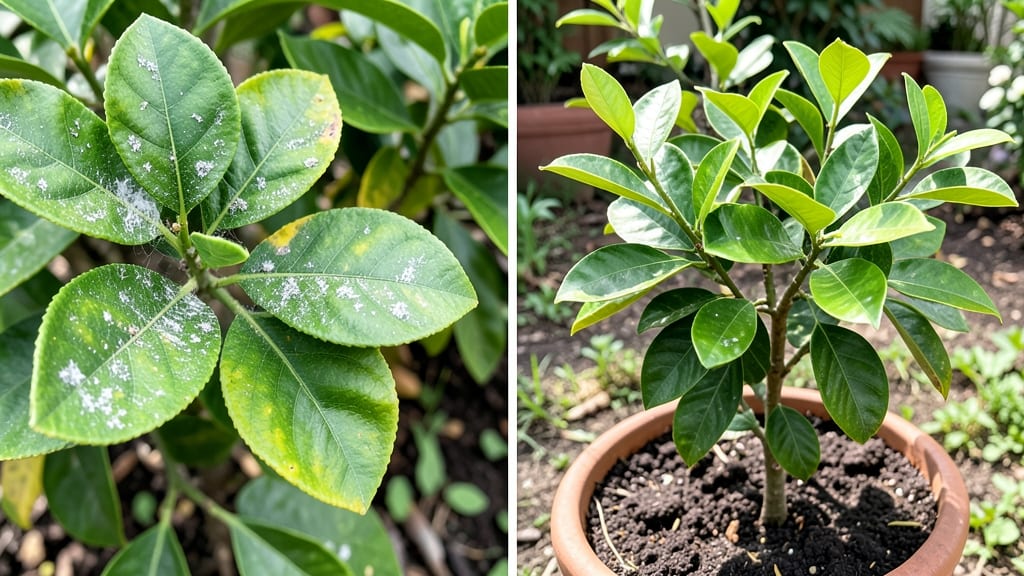
Your lime tree’s curled leaves scream one thing: fungal blight is attacking—and the good news is, you can fix it in three simple steps before it spreads. 🌿 I’ve seen this turn around in just two weeks with the right approach, even when the tree looked hopeless at first glance.
The key is acting fast while the problem is still localized, not waiting until the branches are bare.
Most cases start with powdery mildew or sooty mold, both of which thrive in humid conditions and leave that telltale white residue or sticky buildup on leaves.
Spider mites and scale insects also twist leaves as they suck out sap, but those leave tiny webs or bumps—unlike fungal blight, which feels like sandpaper when you brush your fingers over the curled edges. The sooner you confirm the cause, the easier the cleanup.
You’ll start by pruning infected branches (sterilize your shears with rubbing alcohol first!) and applying a mix of neem oil and baking soda to break the fungal cycle. For severe cases, a targeted fungicide like copper soap works—but I’ve had better luck with organic sprays when I catch it early.
Within 10-14 days, you’ll see new growth unfurling smooth and green again.
Prevention is even simpler: water at the base (not overhead), space trees for airflow, and spray with neem oil every 4-6 weeks during peak growing season. This isn’t just a quick fix—it’s how you keep your lime tree thriving for years without losing another leaf to blight.
Understanding Leaf Curling Causes
Curled leaves on your lime tree can be a frustrating sight, but understanding the root causes helps you take precise action. Below, we break down the most common reasons—from environmental stress to fungal infections—so you can diagnose and treat the issue effectively.
When temperatures rise or soil moisture drops, lime trees respond by curling leaves to reduce water loss. This is a survival mechanism, but prolonged stress weakens the tree and makes it vulnerable to other problems.
Why it happens:
- Transpiration overload: High heat increases water evaporation through leaf pores (stomata). If roots can’t supply enough water, leaves curl inward to minimize surface area.
- Root zone dryness: Shallow or cracked soil prevents water absorption, forcing the tree to conserve moisture.
- Sudden temperature swings: Rapid heat spikes (e.g., after a cold snap) disrupt cellular functions, causing leaf edges to crisp and curl.
Actionable signs to watch for:
- Dry, brittle soil (test by pushing a finger 2 inches deep—if it feels bone-dry, water immediately).
- Wilting or drooping leaves in the afternoon (a classic drought symptom).
- Yellowing between leaf veins (chlorosis), often starting on older growth.
Fungal blights like anthracnose or powdery mildew thrive in humid conditions and often manifest as curled, distorted leaves. These pathogens exploit stressed trees, making early detection critical.
Why it happens:
- Spores spread via moisture: Fungi release spores in damp air (e.g., after rain or overhead watering). These spores land on leaves, germinate, and infect tissues, causing curling as the fungus disrupts cell structure.
- Blocked stomata: Fungal growth clogs leaf pores, trapping gases and forcing cells to swell unevenly.
- Nutrient theft: Pathogens siphon nutrients from the tree, starving leaves and triggering defensive curling.
Red flags for fungal issues:
- White powdery residue (powdery mildew) or dark, sunken spots (anthracnose) on curled leaves.
- Sticky honeydew residue on lower leaves (a sign of sap-sucking pests and fungal secondary infections).
- Curling paired with leaf spots or premature leaf drop.
Tiny pests like spider mites, scale insects, or aphids feed on leaf sap, injecting toxins that warp and curl foliage. Their damage is often overlooked until the tree’s health declines.
Why it happens:
- Toxin injection: Pests like spider mites inject saliva to liquefy plant cells, which the tree absorbs—leading to curled, stippled leaves.
- Physical damage: Heavy infestations (e.g., scale insects) suck out chlorophyll, causing yellowing and curling as the leaf tries to compensate.
- Webbing: Spider mites spin fine webs on curled leaves, trapping moisture and creating a fungal breeding ground.
How to spot pests:
- Tiny moving dots (mites) or sticky residue (aphids/scale) on leaf undersides.
- Silken webbing (spider mites) between curled leaves.
- Black sooty mold (a fungal growth fed by pest honeydew) on stems.
Lime trees need nitrogen (N), magnesium (Mg), and iron (Fe) for healthy leaf development. Deficiencies force leaves to curl as they struggle to photosynthesize efficiently.
Why it happens:
- Nitrogen shortage: Leaves curl upward (a "cup" shape) and turn pale green or yellow because the tree can’t produce enough chlorophyll.
- Magnesium/iron deficiency: Interveinal chlorosis (yellowing between veins) occurs when these nutrients can’t reach new growth, causing leaves to curl and distort.
- Over-fertilization: Too much salt or synthetic fertilizer burns roots, preventing nutrient uptake and triggering curling.
Deficiency symptoms by nutrient:
Nutrient
Leaf Symptoms
Action Step
Nitrogen (N)
Older leaves curl upward, turn yellow, then brown.
Apply balanced fertilizer (e.g., 10-10-10) or compost.
Magnesium (Mg)
Yellow patches between veins on younger leaves; edges curl.
Use Epsom salt (1 tbsp/gallon water) as a foliar spray.
Iron (Fe)
New leaves curl, stay small, and develop white/yellow centers.
Apply chelated iron or adjust soil pH (lime trees prefer 6.0–7.0).
Strong winds or hail can physically damage lime tree leaves, causing them to curl as a protective response. Even indirect stress (like poor air circulation) can trigger curling.
Why it happens:
- Mechanical damage: Wind or hail tears leaf cells, prompting the tree to "seal" edges by curling.
- Airflow blockage: Dense foliage or nearby structures trap humidity, encouraging fungal growth and leaf distortion.
- Salt spray: Coastal lime trees exposed to salt spray may develop curled, crispy edges due to osmotic stress.
Quick fixes:
- Prune for airflow: Thin out crowded branches to improve circulation.
- Windbreaks: Plant fast-growing shrubs (e.g., bamboo) as natural wind barriers.
- Rinse salt damage: Hose down leaves with fresh water if near saltwater.
Quick Fixes for Twisted Foliage
If your lime tree’s leaves are curling like a parchment scroll, don’t panic—there’s a cure! The key is to identify the cause first, then apply targeted fixes. Below, we break down the most common culprits and the easy, actionable steps to restore your tree’s health.
Prevention tips are included so you can keep those leaves lush and unfurled.
Fungal infections like anthracnose or citrus blight thrive in damp, humid conditions and cause leaves to curl, yellow, and drop. Here’s how to tackle it:
🔥 Step 1: Prune the Problem Areas
- 👨🍳 Remove infected leaves with sharp, sterilized pruners (dip in rubbing alcohol between cuts).
- 🔪 Trim back to healthy growth—don’t leave stubs, as fungi can linger.
- 🗑️ Bag and discard infected foliage (do not compost it).
🍄 Step 2: Apply Fungicide
- 💡 Use a copper-based fungicide (like Bordeaux mixture or copper soap)—these are effective against blight.
- ⏰ Spray in the early morning or evening when humidity is high (fungi love moisture!).
- 🌡️ Reapply every 7–14 days until new growth appears.
🌿 Step 3: Improve Airflow & Drainage
- ✨ Thin out dense branches to let sunlight and air circulate.
- 💧 Water at the base (avoid overhead sprinkling) and ensure pots have drainage holes.
- 🌱 Mulch lightly (2–3 inches) with straw or wood chips to prevent soil splash.
Tiny pests suck sap, causing leaves to curl, pucker, or develop sticky residue. Here’s how to evict them:
🕷️ Step 1: Inspect & Identify the Pests
- 🔍 Check undersides of leaves for webbing (spider mites), white cottony spots (scale), or tiny green bugs (aphids).
- 📊 Use a magnifying glass if needed—early detection = easier removal.
🚿 Step 2: Blast Them Off
- 💦 Spray with a strong jet of water (early morning works best).
- 🧼 Follow with insecticidal soap or neem oil (mix 1 tbsp neem oil + 1 tsp mild soap per quart of water).
- 🍎 For severe infestations, use horticultural oil (apply at dusk to avoid burning leaves).
🌿 Step 3: Attract Natural Predators
- 🐞 Plant companion plants like marigolds or ladybug-friendly flowers (e.g., dill, fennel).
- 🍄 Avoid broad-spectrum pesticides—they kill beneficial insects too!
Sometimes, curled leaves are a SOS signal from your tree. Adjust these factors:
🌊 Step 1: Check Your Watering Routine
- 💧 Lime trees hate soggy roots—water deeply but infrequently (1–2 inches per week, more in heatwaves).
- 🌡️ Test soil moisture: Stick your finger 2 inches down—if dry, water; if damp, wait.
- ⚠️ Yellowing leaves? You’re overwatering. Brown, crispy edges? Underwatering.
🌬️ Step 2: Shield from Harsh Conditions
- 🏜️ Move potted trees to a spot with morning sun + afternoon shade (especially in hot climates).
- 🌪️ Use burlap windbreaks if your tree is exposed to strong gusts.
- 🌱 For container trees, elevate pots on feet or bricks to prevent root rot.
Once your tree recovers, lock in those gains with these habits:
- 💡 Prune regularly (remove dead/diseased branches in late winter/early spring).
- 🍄 Sterilize tools with rubbing alcohol before and after pruning.
- 🌿 Fertilize lightly (use a balanced citrus fertilizer in spring, avoid overdoing nitrogen).
- 🌧️ Improve drainage—raise pots or amend soil with perlite or sand.
- 🐞 Monitor pests weekly—catch them before they throw a party on your leaves!
Pro Tip: 🌟 Rotate fungicides/pesticides every few months to prevent resistance. If symptoms persist after 4–6 weeks, consult a local arborist—they can diagnose deeper issues like nutrient deficiencies or root rot.
Frequently asked questions
Why do lime tree leaves curl upward instead of downward?
Upward curling usually signals drought stress or nutrient deficiencies. When roots can't supply enough water, leaves curl upward to reduce surface area and conserve moisture. Check soil moisture—if dry 2 inches down, water deeply. Yellowing between veins suggests magnesium or iron deficiency, while brown edges mean underwatering.
Can I save my lime tree if half the leaves are curled?
Yes! Act fast—prune affected branches back to healthy growth, then treat the root cause. For fungal issues, apply copper fungicide; for pests, use neem oil. Monitor for 2 weeks—if new leaves stay curled, check soil pH or root health. Most trees recover fully with proper care.
How do I tell if curled leaves are from pests vs. disease?
Check for tiny webs (spider mites), sticky residue (aphids/scale), or black sooty mold (fungal growth from pest honeydew). Disease often shows white powder (mildew) or dark spots (blight). Hold a leaf up to light—pests leave visible damage on undersides.
Will pruning curled leaves help or make it worse?
Pruning helps! Remove only severely curled/diseased leaves—healthy ones can recover. Sterilize tools with rubbing alcohol to prevent spreading pathogens. Avoid heavy pruning in summer (stresses the tree). Focus on improving airflow and moisture control instead.
How often should I spray neem oil for prevention?
Every 4-6 weeks during growing season (spring-fall) prevents pests and fungal spores. Mix 1 tbsp neem oil + 1 tsp mild soap per quart of water. Apply in early morning/evening to avoid leaf burn. Stop spraying 2 weeks before harvest if you plan to eat the fruit.