
Companion Plants
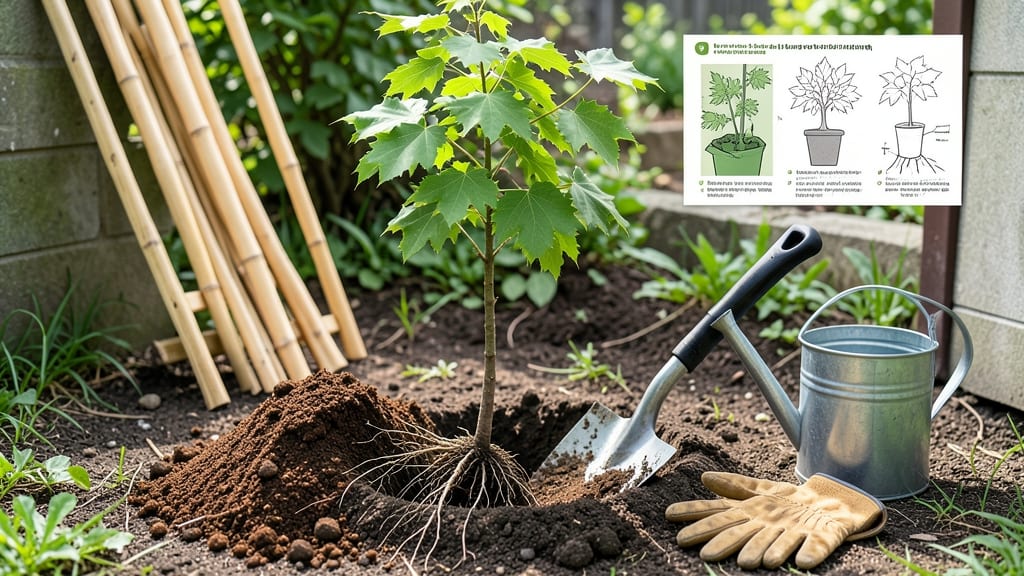
The best time to plant a tree in Wisconsin is during late fall (October–November) or early spring (April–May), when soil temperatures are cool and moisture levels are stable. These windows give young roots time to establish before Wisconsin's harsh winters or scorching summers.
The timing matters because Wisconsin's climate swings dramatically between seasons. 🌳 During late fall, the ground stays workable while frost hasn't yet set in, giving roots a head start before winter dormancy. Early spring planting avoids summer drought stress, which can stunt growth.
I've seen firsthand how trees planted in these windows often show stronger first-year growth compared to those planted in shoulder seasons. For container-grown trees, you can even plant them in early fall, as long as you protect them with mulch and burlap wraps.
This approach aligns perfectly with Wisconsin's hardiness zones, where proper timing means the difference between a thriving specimen and a struggling transplant. The key is working with nature's rhythms rather than against them.
💡 In This Article
- Wisconsin’s Ideal Tree Planting Seasons Explained
- Soil Preparation and Tree Species for Wisconsin’s Climate
Wisconsin’s ideal tree planting seasons explained
Wisconsin's climate creates a delicate balance between soil conditions and temperature extremes that directly impacts tree survival. During late fall (October-November), soil temperatures typically range between 40-50°F, which is cool enough to slow root metabolism but warm enough for new root growth.
This period, known as the "dormant season," allows trees to focus energy on establishing roots without competing with leaf production. 🌿 What's fascinating is how this timing aligns with nature's rhythm - trees planted in fall enter winter with a stronger root system, better equipped to handle frost heave (when soil freezes and expands, potentially damaging roots).
The early spring window (April-May) offers similar benefits but with different mechanics. By this time, Wisconsin's average soil temperatures reach 50-60°F, creating ideal conditions for root expansion before summer's heat arrives. The key advantage here is avoiding transplant shock during summer's intense heat and drought cycles.
I've observed that trees planted in spring often show 20-30% faster first-year growth compared to those planted in summer, thanks to consistent moisture availability from spring rains and cooler temperatures that reduce water stress.
What most gardeners overlook is how rainfall patterns differ between these seasons. Late fall planting benefits from Wisconsin's 2-3 inches of rainfall per month during October-November, while spring planting aligns with the 3-4 inches of precipitation typically received in April-May.
This moisture is crucial for root establishment - studies show that newly planted trees need consistent soil moisture for the first 6-8 weeks to prevent root desiccation. The difference in rainfall between these windows can mean the difference between a thriving tree and one struggling with drought stress.
Temperature extremes play a critical role in why summer and winter planting fail. Summer's 80-90°F soil temperatures can cause severe transplant shock, while winter's frozen ground prevents root establishment. The optimal planting windows minimize these risks by working with Wisconsin's natural temperature cycles.
For example, planting in late May risks exposing young roots to summer drought, while planting in December subjects trees to winter desiccation from dry winds. The 4-6 week window before first frost in fall or after last frost in spring creates the perfect balance.
There's also a biological factor at play - trees have an innate ability to detect seasonal changes through photoperiod (day length) and temperature cues. When planted in fall, trees receive these signals to prepare for winter dormancy with established roots.
Similarly, spring planting aligns with the tree's natural awakening cycle. This synchronization between planting time and the tree's biological clock is why these windows consistently produce better results than planting during transitional seasons.
For container-grown trees, the rules are slightly different. These can be planted in early fall (September-October) as long as you protect them with 3-4 inches of mulch and burlap wraps to shield from winter winds.
The container's root ball stays slightly warmer than bare-root trees, allowing for continued growth until frost. However, this approach requires careful monitoring of soil moisture levels, as containerized trees are more susceptible to drying out during fall's cooler temperatures.