
Pruning
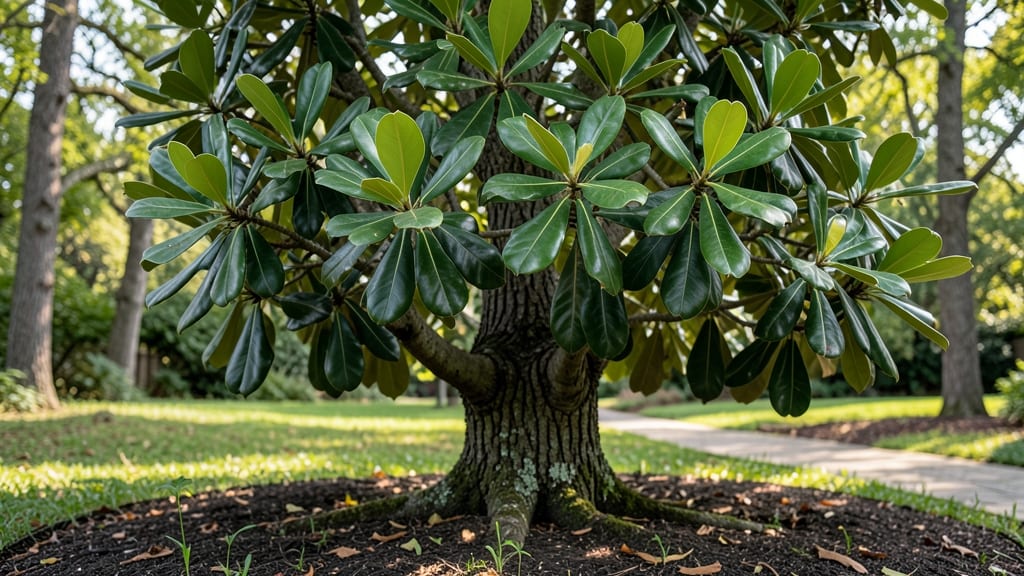
Your southern magnolia tree bark tells the story of its health—thick, smooth, and silver-gray when thriving, but cracked or peeling when struggling. ✨ Pruning isn’t just about shaping; it’s about preserving that protective armor and preventing disease before it starts.
I’ve learned the hard way that aggressive cuts in the wrong season can expose the tree to sun scald and pests, so timing and technique matter more than you’d think.
The key is selective pruning—removing only dead, diseased, or crossing branches in late winter or early spring, when the tree is dormant but about to wake up. Avoid summer cuts, as they stress the tree and leave it vulnerable.
A sharp pair of bypass pruners and a sterilized saw are all you need, but the real secret is patience: never take more than 25% of the canopy in one season.
Healthy bark should feel firm and resist peeling when gently pressed. If you see sunken cracks, oozing sap, or blackened patches, that’s a sign of infection or environmental damage. Pruning opens wounds, so seal larger cuts with pruning sealant to speed healing.
The goal isn’t perfection—it’s keeping your magnolia strong enough to fight off pests and weather year after year.
This tree thrives in the South’s heat and humidity, but even magnolias need a little help from us. Regular checks for scale insects or fungal spots on the bark will save you headaches later.
With the right care, your magnolia’s bark will stay resilient, and those iconic creamy-white blooms will keep arriving like clockwork every spring.
📚 In This Guide
- What you need
- Instructions
- Tips and common mistakes
- Wrapping up and next steps
What you need
- ● Pruning shears: Bypass pruners (for small branches, ¼”–¾” thick)
- ● Loppers: 6”–8” bypass or anvil loppers (for branches ¾”–2” thick)
- ● Pruning saw: Curved-tooth handsaw (for branches 2”+ thick)
- ● Gloves: Heavy-duty, cut-resistant gloves (to protect from thorns and rough bark)
- ● Ladder: Sturdy, extendable ladder (if tree exceeds 8 ft)
- ● Disinfectant: 70% isopropyl alcohol or pruning sealant (to prevent disease spread)
- ● Heavy-duty trash bags: 30-gallon capacity (for debris disposal)
- ● Safety glasses: ANSI-rated for debris protection
- ○ Tree wound dressing: Optional for large cuts (controversial—skip if unsure!)
- ● Extension pole: For high branches (if ladder isn’t an option)
- ● Marking spray: Fluorescent paint to tag branches for removal
- ● First-aid kit: For minor scrapes or thorn pricks
- ● Camera/phone: To document before/after progress (great for tracking growth!)
Instructions for pruning southern magnolia trees safely
Here’s how I prune these majestic evergreens to keep them thriving year-round without sacrificing their iconic beauty.
✂️ Step 1: Time Your Pruning for Optimal Healing
Southern magnolias bleed sap most heavily in late winter or early spring, so I avoid pruning during these months. Instead, I wait until late spring or early summer when the tree has fully leafed out and is actively growing. This timing minimizes stress and reduces sap loss, which can attract pests or cause dieback.
If you must prune in winter for safety reasons (like removing dead branches after a storm), do it as close to late winter as possible—just before buds swell. Just know the tree will heal slower, and you’ll see more sap oozing from cuts. Always use clean, sharp pruners to make clean cuts that seal faster.
🌿 Step 2: Identify and Remove Dead or Diseased Branches
Start by scanning the tree for dead, diseased, or crossing branches—these are your top priorities. Dead branches snap easily when bent; diseased ones may have discolored bark, fungal growth, or oozing sap. Remove these first, cutting just outside the branch collar (the swollen area where the branch meets the trunk) to promote faster healing.
I use a bypass pruner for branches under ½ inch thick and a pruning saw for anything larger. Never leave stubs—this invites decay. If a branch is too large to cut in one go, make a notch on the underside first to control the direction of the cut and prevent tearing.
☀️ Step 3: Thin the Canopy for Better Airflow and Light
Southern magnolias naturally grow dense canopies, which can trap moisture and encourage fungal issues. My goal is to open the center by removing 20-30% of the smallest, interior branches—these are the ones growing upward or inward. This creates airflow and lets sunlight reach lower branches, keeping the tree healthier overall.
Look for branches that cross or rub against others; these should go first. Use your pruners to cut at a 45-degree angle just outside the branch collar. Avoid "topping" the tree (cutting the main trunk or large limbs back drastically)—this stresses the tree and leads to weak, water-sprout growth.
⏰ Step 4: Shape Gradually to Maintain Natural Form
Southern magnolias have a distinct, pyramidal shape, and I avoid altering it drastically. Instead, I focus on refining the silhouette by removing branches that disrupt the tree’s natural balance. For example, if a branch grows too low or too far outward, I trim it back to a side branch or bud that faces outward.
Use hand pruners for smaller branches and a pruning saw for anything thicker than 1 inch. Always make cuts just outside the branch collar and avoid leaving stubs. If you’re unsure about a cut, step back and visualize how it will affect the tree’s overall shape—magnolias recover well, but drastic changes can take years to heal.
💧 Step 5: Clean Up and Apply Wound Dressing (Optional)
After pruning, remove all clippings and debris from the base of the tree to prevent disease. While many gardeners swear by wound dressings (like pruning sealants), I skip this step for magnolias—their bark naturally seals cuts over time. However, if you’re dealing with large wounds (over 2 inches in diameter), you can apply a tree wound sealant to reduce the risk of decay.
Water the tree deeply after pruning to help it recover, especially if you’ve removed a significant amount of foliage. Monitor the tree in the weeks following pruning for signs of stress, like yellowing leaves or wilting. If you see these, increase watering slightly and avoid fertilizing until new growth appears.
Tips & tricks for pruning southern magnolia trees
These expert insights will help you maintain your magnolia's health while preserving its stunning form.
Timing is Everything: The late spring or early summer window (as mentioned in Step 1) is ideal because the tree's natural growth cycle helps it recover faster. I've noticed that pruning during this period also minimizes the risk of fungal infections that thrive in the damp, cooler conditions of winter. If you must prune in winter for safety reasons, work as close to late winter as possible—just before buds begin to swell. This gives the tree just enough time to start its growth cycle before the stress of pruning sets in.
Equipment Precision: Using clean, sharp tools is non-negotiable—dull pruners tear bark and create larger wounds that take longer to heal. I always sterilize my tools with rubbing alcohol between cuts, especially when dealing with diseased branches in Step 2. For branches thicker than 1 inch, a pruning saw with a fine-tooth blade prevents splintering. The key is to make clean cuts that heal quickly, which is why the instructions emphasize cutting just outside the branch collar.
Canopy Strategy: When thinning the canopy in Step 3, focus on removing those small, interior branches growing upward or inward—these are the ones creating shade and trapping moisture. I typically aim to remove about 25% of the smallest branches to achieve that perfect balance between airflow and sunlight penetration. Remember, the goal isn't to create a bare tree but to open up the center just enough to let light reach all parts of the canopy. This prevents the fungal issues that often plague dense magnolia canopies.
Shape with Purpose: Southern magnolias have a natural pyramidal shape that we want to preserve, but that doesn't mean we can't refine it. In Step 4, when shaping, I always visualize the tree's mature form. If a branch grows too low or outward, trim it back to a side branch facing outward—this maintains the tree's natural silhouette while creating a more balanced appearance. The 45-degree angle cut mentioned in the instructions helps water bead off the branch, reducing the risk of rot at the wound site.
Pro Tips for Southern Magnolia Tree Bark
- These expert insights will help you maintain your magnolia's health while preserving its stunning form.
- Timing is Everything: The late spring or early summer window (as mentioned in Step 1) is ideal because the tree's natural growth cycle helps it recover faster.
- Equipment Precision: Using clean, sharp tools is non-negotiable—dull pruners tear bark and create larger wounds that take longer to heal.
Frequently asked questions
Got questions about pruning and caring for Southern magnolia tree bark? You’re not alone! Here are some of the most common queries—and their answers—to keep your tree thriving year-round.
When is the best time to prune a Southern magnolia for healthy bark?
The ideal time to prune is late winter or early spring (just before new growth starts). This minimizes stress on the tree and allows wounds to heal before summer heat. Avoid heavy pruning in fall, as it can stimulate late-season growth vulnerable to frost damage. Light maintenance (like removing dead branches) can happen anytime, but major cuts should wait for dormancy.
Can I prune Southern magnolia bark in summer? What are the risks?
Summer pruning is possible, but it’s not recommended for heavy cuts. Pruning during hot, dry periods can stress the tree, slow healing, and attract pests. If you must prune in summer, do so early in the morning to reduce water loss. Stick to minor trims (e.g., shaping or removing dead wood) and avoid removing more than 25% of the canopy at once.
What should I avoid when pruning Southern magnolia bark?
Avoid these big mistakes to protect your tree’s health:
- Topping the tree: Cutting the main stem or branches back to a stub harms the tree’s structure and invites disease.
- Over-pruning: Never remove more than 25% of the foliage in one season—it weakens the tree.
- Improper cuts: Avoid tearing bark or leaving jagged edges; always make clean cuts just outside the branch collar.
- Pruning during wet weather: Moisture can spread fungal spores to fresh wounds.
How do I know if my Southern magnolia’s bark is damaged? What should I do?
Watch for these signs of bark damage:
- Peeling, cracked, or oozing bark (signs of bacterial or fungal infections).
- Dark, sunken spots (possible canker disease).
- Excessive sap or sawdust-like frass (insect activity).
Are there alternatives to traditional pruning for Southern magnolia bark?
If you’re hesitant about pruning, consider these low-maintenance alternatives:
- Thinning cuts: Remove select branches to improve airflow and reduce disease risk without heavy shaping.
- Natural shaping: Let the tree grow organically while removing only dead or crossing branches.
- Mulching: Apply 2–4 inches of mulch around the base (keep it away from the trunk) to protect roots and bark from temperature fluctuations.
- Professional consultation: For mature trees, an arborist can assess structural risks and recommend minimal intervention.
Wrapping up and next steps
Pruning your southern magnolia tree isn’t just about aesthetics—it’s a year-round commitment to its health, beauty, and longevity. 🌿 By mastering the right techniques, timing, and tools, you’ll ensure your tree thrives for decades, even through harsh winters.
Now that you’re armed with the know-how, there’s no better time to roll up your sleeves and give your magnolia the care it deserves!
Ready to take action? Pick a sunny day, gather your tools, and start with a small branch—confidence grows with every cut! For extra guidance, bookmark this guide or share it with fellow gardening enthusiasts. Happy pruning! ✂️✨