
Trees
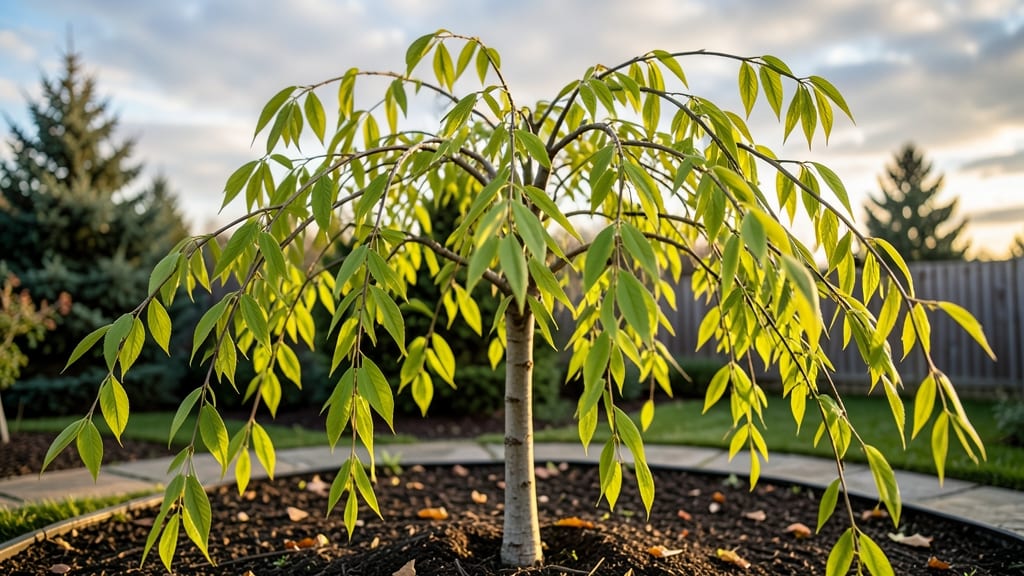
Your weeping cherry tree’s leaves curling like parchment signals trouble—often from pests, disease, or stress that’s silently stealing its beauty. 🌿 I’ve seen this happen after a harsh winter or when spider mites move in, and the good news is most causes have simple fixes once you know what to look for.
Start by checking both sides of the leaves for tiny webs (spider mites) or sticky residue (aphids), then inspect the bark for cracks or fungal spots. Yellowing edges usually mean overwatering or nutrient imbalance, while curled undersides often point to powdery mildew or environmental stress.
With just 3 targeted steps—pruning affected branches, adjusting watering, and applying the right treatment—you’ll restore those graceful branches to their lush, drooping glory. The key is acting fast before the problem spreads deeper into the tree.
This works for both young trees and mature specimens, though prevention (like proper mulching and regular inspections) saves you from ever dealing with this mess again. Let’s get your tree back to its showstopping best.
Common Triggers Behind Leaf Distress
When your weeping cherry tree’s leaves start curling, it’s rarely a random act—it’s a distress signal from the tree. Understanding the root causes helps you address the issue before it escalates. Below, we break down the most common reasons behind curling leaves, complete with science-backed explanations and actionable insights.
Weeping cherry trees (Prunus serrulata) thrive in USDA Zones 5-8, but sudden shifts in temperature—whether scorching heat or a late frost—can send leaves into a panic. When temperatures skyrocket above 90°F (32°C) or plummet below 20°F (-7°C), the tree’s cells struggle to regulate moisture and nutrients.
- How it happens: High heat causes transpiration stress, where leaves lose moisture faster than roots can absorb it. Curling is the tree’s way of minimizing surface area to conserve water.
- Frost damage: Cold snaps can crystallize cell walls, leading to brown, curled edges. Young leaves are especially vulnerable in spring.
💡 Pro Tip: If your tree is in a hot, dry microclimate, provide afternoon shade with a lightweight shade cloth (30-50% coverage). For frost-prone areas, mulch heavily (3-4 inches) around the base to insulate roots.
Weeping cherry trees are drought-tolerant but hate soggy feet. Curling leaves often signal hydraulic stress, where the tree’s water transport system (xylem) gets disrupted.
- Underwatering:
- Leaves curl inward (like a "taco") to reduce moisture loss.
- Soil feels bone-dry 2-3 inches deep.
- Overwatering:
- Leaves curl upward (or develop yellow patches) due to root asphyxiation.
- Soil stays clammy for days after watering.
- Poor drainage: Compacted or clay-heavy soil traps excess water, leading to anaerobic stress (roots suffocate).
🔥 Fix It:
- Check soil moisture with your finger—water when the top 1-2 inches are dry.
- For overwatering, improve drainage by amending soil with perlite or compost.
- Avoid daily watering; deep watering 2-3 times per week encourages root growth.
Sap-sucking insects like spider mites, aphids, and scale inject toxins into leaves, causing curling as a defense mechanism. Their saliva also disrupts chlorophyll production, leading to yellowing edges.
| Pest | Signs | Leaf Reaction |
|---|---|---|
| Spider Mites | Tiny webs on undersides, stippling (white dots) | Leaves curl downward, turn bronze/yellow |
| Aphids | Sticky residue ("honeydew"), black sooty mold | New growth curls upward, stunted growth |
| Scale Insects | Bumpy, shell-like pests on branches | Leaves thicken, curl, and drop prematurely |
🎯 Take Action:
- Inspect leaf undersides and new shoots with a magnifying glass.
- Blast pests off with a strong spray of water (repeat weekly).
- Use neem oil (1 tsp per quart of water) or insecticidal soap for severe infestations.
- Encourage predators like ladybugs by planting dill or marigolds nearby.
Curling can also stem from macronutrient or micronutrient deficiencies, particularly:
- Nitrogen (N) Deficiency:
- Older leaves curl and turn pale yellow.
- Stunted growth, weak stems.
- Potassium (K) Deficiency:
- Leaf edges curl upward and develop brown, crispy tips.
- Weakened disease resistance.
- Magnesium (Mg) Deficiency:
- Interveinal yellowing (between veins) with curling.
- Common in alkaline soils (pH > 7.0).
💪 Boost Nutrients:
- Test soil with a DIY kit or lab test to identify deficiencies.
- For nitrogen: Apply compost or a balanced fertilizer (10-10-10) in early spring.
- For potassium: Use wood ash (sparingly) or greensand.
- For magnesium: Epsom salt spray (1 tbsp per gallon of water) applied to leaves.
Next, we’ll dive into how to diagnose which cause is plaguing your weeping cherry—so you can target the fix like a pro. 🌿
Revive Your Tree: Step-by-Step Fixes
If your weeping cherry tree’s leaves are curling, don’t panic—most issues have simple, effective solutions. Below, we’ve mapped the most common causes to actionable fixes, so you can restore your tree’s health without guesswork. Each remedy includes prevention tips to keep your tree thriving long-term.
Overwatering or underwatering are the top culprits behind curling leaves. Weeping cherry trees (Prunus serrulata) prefer consistent moisture but hate soggy roots.
💧 How to Fix It:
- Check soil moisture: Stick your finger 2–3 inches into the soil. If it’s dry, water deeply until moisture reaches 6–8 inches down. If it’s soggy, hold off until the top 2 inches dry out.
- Adjust your watering schedule: Water early in the morning to reduce evaporation. Aim for 1–1.5 inches per week, including rainfall.
- Improve drainage: Amend heavy clay soil with compost or perlite to prevent waterlogging. If your tree is in a pot, ensure it has drainage holes.
💡 Prevention Tips:
- Mulch properly: Apply 2–3 inches of organic mulch (like shredded bark) around the base, but keep it 3–4 inches away from the trunk to avoid rot.
- Use a rain gauge: Track rainfall to avoid overwatering during wet spells.
- Water deeply, less often: Shallow watering encourages weak roots. Focus on slow, deep soakings.
Curling leaves can signal a pest invasion, like spider mites, aphids, or scale insects. These tiny troublemakers suck sap, causing leaves to pucker and yellow.
🐛 How to Fix It:
- Inspect leaves closely: Look for webbing (mites), sticky residue (aphids), or bumps (scale) on the undersides of leaves.
- Blast them off: Use a strong stream of water from your hose to dislodge pests. Repeat every 3–4 days for 2 weeks.
- Apply insecticidal soap or neem oil: Mix 1 tbsp neem oil or insecticidal soap per quart of water and spray both sides of leaves in the early morning or evening. Reapply every 7–10 days.
- Introduce beneficial insects: Ladybugs and lacewings devour aphids. Buy them online or attract them with dill or fennel plants nearby.
💡 Prevention Tips:
- Encourage biodiversity: Plant companion flowers like marigolds or cosmos to repel pests.
- Prune regularly: Remove infested branches immediately and dispose of them in a sealed bag.
- Avoid over-fertilizing: Too much nitrogen attracts soft-bodied pests like aphids.
Weeping cherry trees are sensitive to extreme heat, cold snaps, or sudden temperature swings. Curling leaves often signal shock from these conditions.
🔥 How to Fix It:
- Shade during heatwaves: If your tree is in a hot, sunny spot, provide light shade with a sheer cloth or temporary shade sail during peak afternoon heat (12–4 PM).
- Protect from cold damage: If frost is forecasted, wrap the tree in burlap or cover it with a frost blanket. Avoid plastic, which can trap moisture and cause rot.
- Acclimate gradually: If moving your tree, harden it off over 7–10 days by slowly exposing it to outdoor conditions.
💡 Prevention Tips:
- Choose the right location: Plant weeping cherries in partial shade (especially in hot climates) with protection from winter winds.
- Mulch heavily in winter: Add an extra layer of mulch (up to 4 inches) to insulate roots from freezing temperatures.
- Monitor microclimates: Trees near pavement or buildings may experience heat stress—plant in cooler spots if possible.
Nutrient deficiencies (like iron, magnesium, or nitrogen) can cause leaves to curl, yellow, or develop brown edges. Over-fertilizing can also burn roots, leading to stress.
🍄 How to Fix It:
- Test your soil: Use a DIY soil test kit (available at garden centers) to check pH and nutrient levels. Weeping cherry trees prefer slightly acidic soil (pH 6.0–7.0).
- Apply balanced fertilizer: Use a slow-release, organic fertilizer (like 10-10-10 or a compost-based blend) in early spring before new growth starts.
- Target specific deficiencies:
- Yellow leaves with green veins? → Likely iron deficiency. Apply iron chelate or sprinkle eggshells (crushed) around the base.
- Brown edges on older leaves? → Possible magnesium deficiency. Work Epsom salt (1 tbsp per gallon of water) into the soil in spring.
💡 Prevention Tips:
- Fertilize lightly: Too much nitrogen causes rapid growth that’s vulnerable to pests/disease. Stick to recommended doses.
- Use organic matter: Mix compost or worm castings into the soil annually to improve nutrient retention.
- Avoid synthetic fertilizers: They can disrupt soil microbes. Opt for fish emulsion or bone meal for a gentler boost.
Poor airflow from overcrowded branches or improper pruning can trap moisture, inviting fungal diseases (like powdery mildew) that cause leaf curling.
🌿 How to Fix It:
- Prune in late winter/early spring: Remove dead, crossing, or diseased branches using clean, sharp pruners. Cut at a 45-degree angle just above a bud.
- Thin the canopy: Aim for an open, vase-like shape to improve airflow. Focus on suckers (shoots at the base) and water sprouts (vertical shoots).
- Sterilize tools: Wipe pruners with rubbing alcohol between cuts to prevent spreading disease.
💡 Prevention Tips:
- Prune regularly: Light pruning once a year keeps the tree healthy and reduces stress.
- Avoid heavy pruning: Never remove more than 25% of the canopy in one session.
- Watch for signs of disease: If you see white powder (mildew) or black spots, prune affected areas immediately and treat with baking soda spray (1 tsp baking soda + 1 quart water + a drop of soap).
With these targeted fixes, your weeping cherry tree should bounce back in 2–4 weeks. Monitor progress and adjust care as needed—your tree will thank you with lush, vibrant foliage for years to come! 🌸
Frequently asked questions
Why do my weeping cherry tree leaves curl upward vs. downward?
Upward curling often signals underwatering or pest damage (like spider mites), while downward curling typically means overwatering, fungal issues, or environmental stress. Check soil moisture first—if dry, water deeply. If soggy, improve drainage immediately.
Can I use coffee grounds to fix weeping cherry leaf curling?
Coffee grounds can help with nutrient deficiencies (like nitrogen) but won’t solve pest or fungal issues. Mix 1 cup per tree into topsoil in spring, but avoid overdoing it—too much acidity can harm roots. For pests, use neem oil instead.
How quickly will my weeping cherry tree recover after fixing the issue?
With proper care, you’ll see improvement in 2-4 weeks. Mild cases (like watering adjustments) recover faster, while severe pest infestations or nutrient deficiencies may take 6-8 weeks. Prune affected branches immediately to speed recovery and prevent spread.
Are weeping cherry trees prone to leaf curling more than other cherry varieties?
Yes! Their delicate, drooping branches make them more sensitive to wind, temperature swings, and pests than upright cherries. Their thin leaves also transpire faster, increasing water stress. Plant in sheltered spots and monitor closely during extreme weather.
Will pruning help if my weeping cherry leaves are already curled?
Prune only severely affected branches to improve airflow and reduce stress. Focus on dead wood and crossing branches first. Avoid heavy pruning—never remove more than 25% of the canopy at once. Sterilize tools between cuts to prevent disease spread.