
Pruning
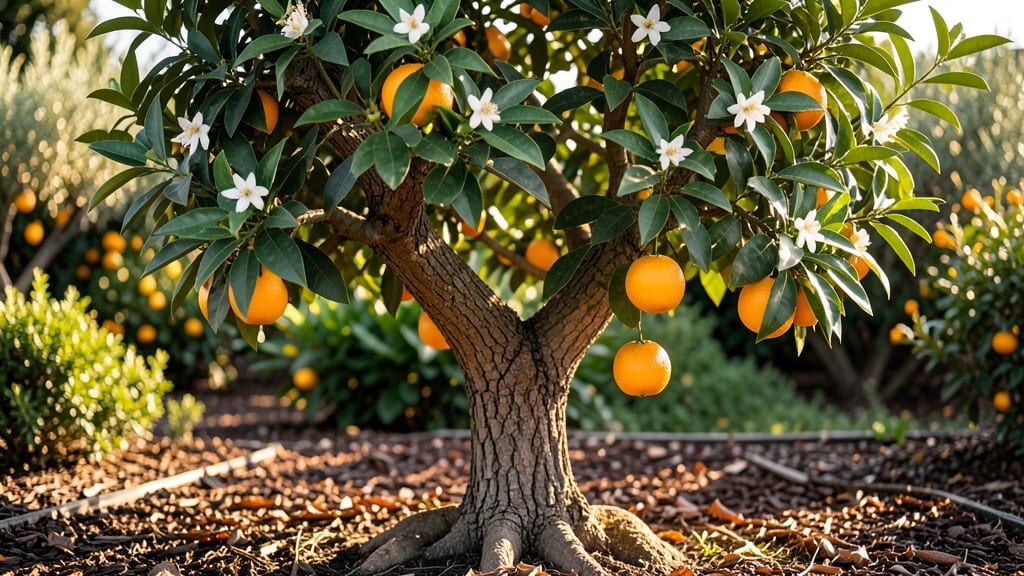
That tree with little orange berries—whether it’s a cotoneaster with its glossy leaves or a pyracantha with its thorny branches—is the clue you’ve been waiting for. 🌿 These shrubs transform any yard into a winter wonderland.
I’ve spent years studying which one thrives in my zone—and how to keep them looking their best year-round.
The key to happy berry-producing shrubs is sunlight, well-draining soil, and a little pruning know-how. Cotoneasters love partial shade, while pyracantha craves full sun, and hollies need acid soil to show off their berries. My secret? Prune right after they fruit—it keeps them compact and encourages next year’s bounty.
You’ll end up with a shrub so full of berries that birds will fight over them (which means fewer pests in your garden). The berries stay vibrant through winter, adding color when everything else is brown. Plus, these shrubs are tough—they handle drought, salt spray, and even urban pollution.
Works for hedges, privacy screens, or standalone ornamentals. Here’s how to identify yours and keep it thriving for decades.
Nature’s Colorful Clues Explained
Those tiny orange berries on your tree aren’t just a pretty sight—they’re a direct result of the plant’s biology, environment, and sometimes even human intervention. Understanding why they appear helps you care for the tree better and even predict its future growth. Here’s the science behind those vibrant little orbs.
Most trees with small orange berries produce them as part of their natural reproductive cycle. These berries are drupes (like cherries) or berries (like holly), and their formation is triggered by:
- Pollination success: If the tree has male and female flowers (or relies on pollinators like bees or wind), fertilization must occur. Without it, no berries form. Pro tip: If your tree has berries but few flowers, it might be self-pollinating or needs better pollinator access.
- Sunlight exposure: Trees need 6–8 hours of sunlight daily to produce fruit. Shady spots lead to sparse or underdeveloped berries. 💡 Check your tree’s light conditions—if it’s in deep shade, prune nearby branches or transplant it.
- Temperature cues: Many berry-producing trees (like Cotoneaster or Pyracantha) need a period of cold dormancy (30–60 days below 45°F) to trigger fruit set. Without it, buds may drop before berries form.
A tree’s ability to produce berries hinges on its access to key nutrients and consistent moisture. Here’s what’s critical:
| Nutrient | Role in Berry Production | Signs of Deficiency |
|---|---|---|
| Potassium (K) | Boosts fruit development and disease resistance. | Yellowing leaf edges, weak stems, or berries that shrivel early. |
| Phosphorus (P) | Essential for flower and fruit formation. | Purple-tinged leaves, stunted growth, or no berries despite flowers. |
| Nitrogen (N) | Supports leafy growth, which fuels berry production. | Pale green leaves or excessive leaf drop before fruiting. |
Water matters too: Drought stress causes berries to abort (fall off early). Aim for 1–1.5 inches of water per week, especially during flowering and fruiting seasons (spring to early fall). ✨ Mulch around the base to retain moisture and reduce evaporation.
If your tree has flowers but no berries, pollinators might be the missing link. Here’s how to diagnose:
- Wind-pollinated trees (e.g., Ginkgo): These rely on air currents. If your tree is isolated, berries may be sparse. Solution: Plant another of the same species nearby to improve cross-pollination.
- Insect-pollinated trees (e.g., Crabapple, Serviceberry): Bees, butterflies, and hummingbirds are key. Lack of visitors? Pesticides, lack of blooming flowers, or poor timing (e.g., blooming too early or late) can block pollination.
- Bird-dispersed berries (e.g., Elderberry): Some trees need birds to spread pollen. If birds avoid your tree, it might lack protein-rich flowers or shelter.
- Plant native flowers nearby (e.g., coneflowers, lavender).
- Avoid broad-spectrum pesticides during blooming season.
- Install a small water source (like a shallow dish) for insects.
Extreme weather or sudden changes can disrupt berry production. Watch for these red flags:
- Heatwaves during flowering: Temperatures above 90°F can cause flower drop. Solution: Provide afternoon shade with a temporary shade cloth if possible.
- Late frosts: A freeze after buds open destroys pollen. Solution: Cover young trees with frost cloth in early spring.
- Soil pH imbalances: Most berry trees prefer slightly acidic soil (pH 6.0–7.0). Too alkaline (pH >7.5) locks out nutrients like iron, leading to poor fruit set. 🌡️ Test your soil and amend with sulfur or compost if needed.
- Root stress: Compaction, construction damage, or girdling roots (roots growing around the trunk) starve the tree. Solution: Aerate compacted soil and prune roots carefully if they’re encircling the trunk.
By addressing these factors, you’ll not only encourage more berries but also a healthier, more resilient tree. Next up: How to pinpoint your mystery shrub and tailor care to its exact needs.
Quick Fixes for Orange-Berried Shrub
Now that you’ve identified the cause behind your tree’s little orange berries—whether it’s overgrowth, pests, or seasonal stress—it’s time to take action! Below are practical, step-by-step solutions tailored to each issue, plus prevention tips to keep your shrub thriving year-round.
If your tree is looking wild with too many berries or tangled branches, pruning is your best friend. But do it right to avoid stressing the plant.
✂️ Step-by-Step Pruning Guide:
- 🔥 Time It Right
- Prune late winter or early spring (before new growth starts) for most berry-producing shrubs. Avoid pruning in fall if you want berries—this is when flowers form!
- 👨🍳 Choose the Right Tools
- Use clean, sharp pruners (bypass pruners for small branches, loppers for thicker ones).
- Disinfect tools with rubbing alcohol between cuts to prevent disease spread.
- 🥘 Focus on Structure
- Remove dead, diseased, or crossing branches first—they weaken the plant.
- Cut back overly long branches by ⅓ to ½ to encourage bushier growth.
- Thin out dense areas to improve airflow (prevents fungal issues).
- ⏰ Post-Pruning Care
- Water deeply after pruning to help the plant recover.
- Apply a balanced fertilizer (like 10-10-10) to support regrowth.
💡 Pro Tip: If your shrub is a fruit-bearing type (like holly or pyracantha), avoid heavy pruning in fall—this can reduce next year’s berry crop!
Spotted bugs or fungal spots? Don’t panic—early intervention works best.
🔪 Treatment Table: Common Problems & Fixes
| Problem | Signs to Watch For | Solution | Prevention |
|---|---|---|---|
| Aphids/Scale Insects | Sticky residue (honeydew), curled leaves | Spray with neem oil or insecticidal soap. Repeat every 5–7 days. | Introduce ladybugs (natural predators). |
| Spider Mites | Yellowing leaves, fine webbing | Blast off mites with water spray, then apply horticultural oil. | Keep soil moist; avoid drought stress. |
| Powdery Mildew | White powdery coating on leaves | Treat with baking soda spray (1 tsp baking soda + 1 quart water + soap). | Prune for airflow; water at base. |
| Canker Disease | Sunken, oozing spots on bark | Remove infected branches below the damage, then sterilize cuts. | Avoid wounding bark; keep area clean. |
🌡️ Emergency Care:
- For severe infestations, consider systemic granules (like imidacloprid) for root uptake.
- Avoid chemical sprays if birds or bees visit the berries—opt for organic solutions instead.
If your tree is struggling due to drought, heat, or poor soil, it needs a little TLC to bounce back.
💪 Recovery Steps:
- 🥗 Hydrate Deeply
- Water slowly at the base (1–2 inches per week) rather than frequent shallow watering.
- Use mulch (2–3 inches of wood chips) to retain moisture and regulate soil temp.
- 🍎 Feed the Roots
- Test soil pH (ideal: 6.0–7.0 for most berry shrubs).
- Amend with compost or a slow-release fertilizer (like 5-10-10) in spring.
- 🌤️ Shield from Harsh Conditions
- Drought? Install drip irrigation for consistent moisture.
- Heat stress? Provide afternoon shade temporarily with a lightweight shade cloth.
✨ Long-Term Prevention:
- Water deeply but less often to encourage deep root growth.
- Avoid heavy foot traffic near the base—compacted soil = poor drainage.
- Monitor soil—sandy soil drains too fast? Add peat moss to retain water.
Before calling it a day, run through this quick health audit:
- Branches: Are they structured and not overcrowded?
- Leaves: Free of spots, holes, or discoloration?
- Berries: Evenly distributed (not clustered in one spot)?
- Soil: Moist but not soggy?
If you’ve checked all boxes, your orange-berried shrub should be well on its way to a vibrant, pest-free comeback! 🌟
Frequently asked questions
What are the most common trees with small orange berries?
The top candidates are cotoneaster (glossy leaves, sprawling growth), pyracantha (thorny, dense berries), and holly (spiky leaves, bright berries). Other possibilities include wax myrtle and firethorn. Each has unique leaf shapes and growth habits to help with ID.
Are the berries on my tree edible?
It depends! Pyracantha and cotoneaster berries are safe for birds but can be bitter for humans. Holly berries are toxic if ingested. Always research before consuming—when in doubt, admire them as ornamentals instead.
Why do my berries turn brown and fall off early?
This usually means drought stress or nutrient deficiency. Check for yellowing leaves (nitrogen deficiency) or weak stems (potassium deficiency). Water deeply 1-2 times per week and apply a balanced fertilizer in spring.
Can I grow these trees in containers?
Yes! Dwarf varieties of pyracantha and cotoneaster thrive in 15-gallon containers with well-draining soil. Use a mix of potting soil and perlite, and repot every 2-3 years. Place in full sun for best berry production.
How do I prevent birds from eating all my berries?
Birds love these berries! For ornamentals, use bird netting or reflective tape to deter them. If you want to support wildlife, leave some berries—just protect prized plants with temporary covers.