
Trees
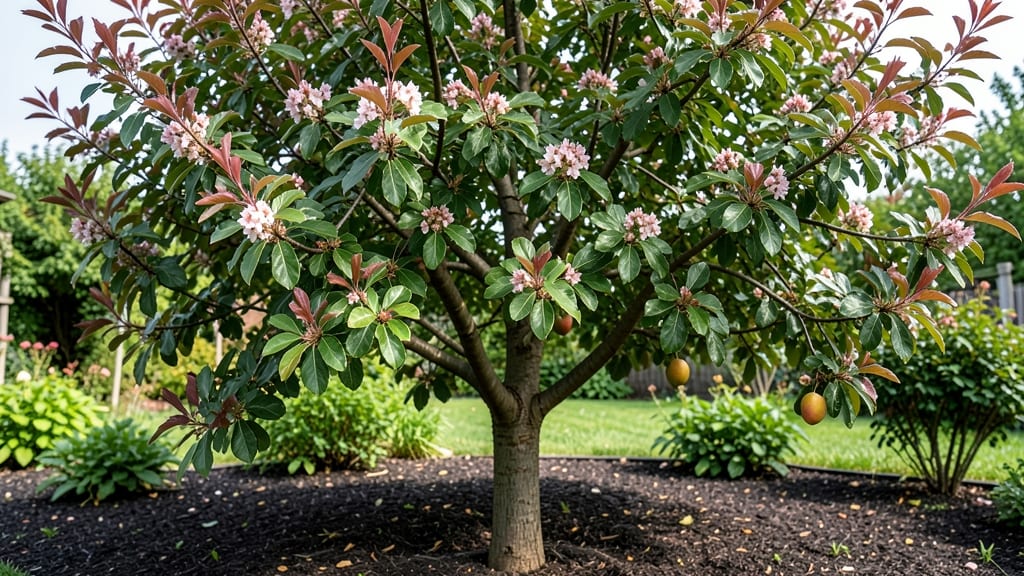
Identifying plum tree leaves can save you from pruning the wrong tree or treating it for the wrong pests. 🌿 I’ve spent years confusing plums with cherries and apricots—until I learned these key tricks: leaf shape, twig color, and bud placement.
European plums have oval leaves with serrated edges, while Japanese plums often feature elliptical leaves with pointed tips. American plums? Their leaves are broader and slightly hairy on the underside.
The twigs tell the story too—plums usually have reddish-brown bark that peels with age, unlike cherries’ smooth gray bark. Once you spot these clues, you’ll avoid costly mistakes.
A quick photo in a plant ID app confirms your guess, and suddenly, you’re ready to prune, fertilize, or even harvest with confidence. No more guesswork—just clear, foolproof identification. This works for backyard trees, orchards, or even wild plums.
Grab a magnifying glass (or your phone) and let’s decode those leaves like a pro.
Underlying Causes Of Leaf Issues
Understanding why plum tree leaves develop specific traits—whether it’s discoloration, spots, or unusual shapes—starts with identifying the root causes. These issues rarely happen in isolation; they’re often symptoms of deeper problems.
Below, we break down the most common reasons behind leaf irregularities, from environmental stress to pest invasions, so you can diagnose and address them effectively.
Plum trees are resilient, but extreme or sudden environmental changes can trigger leaf problems. These factors disrupt the tree’s natural processes, leading to visible symptoms.
- Temperature Swings 🌡️ Plum trees thrive in USDA zones 5–9 but struggle with freezing temperatures below 10°F or heatwaves above 90°F. Cold snaps can cause brown, crispy edges (called winter burn), while excessive heat leads to scorched, yellowed leaves due to water loss.
Young trees or varieties like Santa Rosa (prone to cold sensitivity) are especially vulnerable.
- Water Imbalance - Overwatering: Soggy soil cuts off oxygen to roots, causing yellowing (chlorosis) or drooping leaves as the tree gasps for air.
Fungal diseases like Phytophthora often follow, rotting roots and stems. - Underwatering: Leaves curl inward or develop brown, papery edges as the tree conserves moisture. Stress from drought weakens defenses, inviting pests like spider mites.
- Sunlight Exposure Plum trees need 6–8 hours of sunlight daily, but too much direct sun (especially in hot climates) causes sunburn—leaves turn bronze or white with crispy patches. Conversely, shade stress (e.g., from nearby structures) results in pale, weak leaves with poor fruit development.
Pests and pathogens are the #1 culprits behind distorted or diseased plum leaves. Each leaves behind unique clues:
- Fungal Infections 🍄 - **Brown Rot (Monilinia spp.): Starts as purple-brown spots on leaves, then spreads to fruit as a fuzzy mold.
It thrives in warm, humid weather (75–85°F) and overwinters in mummified fruit. - Powdery Mildew: Coats leaves in a white, talcum-like dust, reducing photosynthesis.
It loves shady, humid conditions and spreads via wind or splashing water. - Leaf Spot Diseases: Circular black or yellow rings** (e.g., Cercospora) appear, often with halos around them. Prune infected leaves immediately to prevent spread.
- Insect Infestations 🐜 - Aphids: Cluster on new growth, causing sticky honeydew and curled, yellowed leaves. They weaken trees by sucking sap and transmitting viruses. - Japanese Beetles: Skeletonize leaves (eat tissue between veins), leaving a lacy pattern.
Adults emerge in late June–July and target stressed trees. - Spider Mites: Tiny red/yellow pests create fine webbing on undersides of leaves. Infested leaves turn bronze or stippled due to sap-sucking damage.
- Bacterial Issues 🧫
- **Bacterial Leaf Spot (Xanthomonas): Causes water-soaked, greasy spots that turn brown with yellow borders. It spreads via rain splashes and thrives in wet foliage.
Plum trees require balanced nutrients for healthy leaves. Deficiencies show up as distinct color changes:
| Symptom | Likely Cause | Actionable Fix |
|---|---|---|
| Yellow leaves (chlorosis) | Iron, magnesium, or nitrogen deficiency | Apply chelated iron or Epsom salt (magnesium sulfate) to soil. Use balanced fertilizer (10-10-10) in spring. |
| Purple/red leaf veins | Phosphorus deficiency | Add bone meal or rock phosphate to soil. |
| Small, pale leaves | Zinc or nitrogen deficiency | Spray with zinc sulfate or use blood meal for nitrogen. |
| Brown leaf edges | Potassium deficiency | Apply potassium sulfate or wood ash. |
💡 Pro Tip: Test your soil (pH 6.0–7.0 is ideal for plums) before fertilizing—overcorrecting can burn roots!
Sometimes, the problem isn’t biological—it’s mechanical or cultural:
- Pruning Mistakes
- Cutting too close to buds removes growth points, causing deformed leaves or no new shoots.
- Solution: Prune in late winter/early spring (dormant season) and use clean, sharp tools to avoid tearing bark.
Fixing Common Plum Tree Leaf Issues
When your plum tree’s leaves start looking less than perfect, quick action can save the day—and your tree! Below are practical, step-by-step solutions for the most common problems, organized by cause. Each fix includes prevention tips to keep your tree thriving long-term.
🔥 Cause: Too much water, poor drainage, or a lack of essential nutrients (like nitrogen, iron, or magnesium). 🍳 Fix:
- Check the soil moisture – Stick your finger 2 inches deep. If it’s soggy, your tree is overwatered.
- Improve drainage – Amend heavy clay soil with compost or sand to help roots breathe.
- Fertilize properly – Use a balanced, slow-release fertilizer (10-10-10 or 6-6-6) in early spring. For yellowing between veins (iron deficiency), apply chelated iron or use Epsom salt (1 tbsp per gallon of water, sprayed on leaves).
- Water deeply but less often – Plum trees prefer 1-1.5 inches of water per week, but avoid waterlogging.
💡 Prevention Tips: ✔ Mulch around the base (2-3 inches of organic mulch) to retain moisture and regulate soil temperature. ✔ Test your soil every 2-3 years to check pH and nutrient levels (ideal pH: 6.0-7.0). ✔ Avoid overwatering—plum trees are drought-tolerant once established!
🔪 Cause: Insects munching on foliage, weakening the tree and reducing fruit production. 👨🍳 Fix:
- Handpick larvae or adults – Drop them into soapy water (especially for Japanese beetles).
- Spray with neem oil – Mix 1 tbsp neem oil + 1 tsp mild soap per gallon of water, then spray early morning or evening (avoid direct sun).
- Use insecticidal soap or horticultural oil – Apply when pests are active (spring to early summer).
- Install row covers – For young trees, use fine mesh netting to block beetles during peak season.
💡 Prevention Tips: ✔ Encourage natural predators – Ladybugs and birds eat Japanese beetle grubs. Plant marigolds or catnip nearby to attract them. ✔ Prune in late winter – Remove heavily damaged leaves to reduce pest habitat. ✔ Avoid broad-spectrum pesticides – They can kill beneficial insects too!
⏰ Cause: Dry soil, high winds, or extreme heat causing leaf dehydration. 🥘 Fix:
- Water deeply and consistently – Plum trees need 1-2 inches of water per week (more in extreme heat).
- Mulch heavily – Spread 3-4 inches of mulch (wood chips or straw) to lock in moisture.
- Provide afternoon shade – Use shade cloth (30-50%) if your tree is in a hot, sunny spot.
- Prune for airflow – Thin out dense branches to reduce stress from poor circulation.
💡 Prevention Tips: ✔ Water in the early morning – Reduces evaporation and fungal risks. ✔ Group trees together – Creates a microclimate with more humidity. ✔ Monitor weather alerts – Heatwaves or droughts? Increase watering gradually.
🌧️ Cause: Fungal infections (like black knot or anthracnose) thriving in wet, humid conditions. 🔥 Fix:
- Remove infected leaves/branches – Prune at least 6 inches below visible spots to prevent spread.
- Apply fungicide – Use copper fungicide or baking soda spray (1 tbsp baking soda + 1 tsp soap + 1 gallon water).
- Improve airflow – Thin out dense branches and avoid overhead watering.
- Clean up debris – Rake and dispose of fallen leaves to reduce fungal spores.
💡 Prevention Tips: ✔ Water at the base – Never spray leaves to keep them dry. ✔ Space trees properly – Aim for 15-20 feet apart for good airflow. ✔ Plant resistant varieties – Some plum cultivars (like Santa Rosa) are less prone to disease.
✨ Pro Tip: Always sterilize pruners with rubbing alcohol between cuts to avoid spreading disease! 🧴
Frequently asked questions
How can I tell if my plum tree leaves are from a European vs. Japanese plum?
European plum leaves are typically oval with finely serrated edges and a smooth, dark green surface. Japanese plum leaves are more elliptical with pointed tips and often have a slightly shiny, waxy texture. Look at the leaf arrangement too—European plums have alternate leaves while Japanese plums may show smaller, clustered leaves near buds.
Why do some plum tree leaves have hairy undersides?
Hairy or fuzzy undersides are common in American plum varieties and some wild plums. This trait helps protect against pests and excessive moisture loss. If your tree has smooth leaves but suddenly develops hairiness, it might be a sign of stress—check for overwatering or nutrient deficiencies like nitrogen.
Can I use a plant ID app to confirm plum tree leaves?
Apps like PlantNet or PictureThis work well for plum identification. Upload clear photos of both leaves and twigs (including buds) for best results. For tricky cases, compare your photos with known plum varieties in gardening books or online databases like USDA Plants Database.
What if my plum tree leaves look like cherry tree leaves?
Cherry leaves are usually smoother with fewer serrations and lighter green than plums. Also check the twigs—plums often have reddish-brown bark that peels while cherries have smooth gray bark. The leaf arrangement matters too: plums typically have alternate leaves while some cherries show opposite or clustered growth.
How do I know if my plum tree leaves are healthy?
Healthy plum leaves should be vibrant green, firm to touch, and free of spots or holes. Look for even coloration (no yellowing between veins) and proper leaf shape. If you see curled edges, brown spots, or unusual discoloration, it may indicate pests, disease, or nutrient issues—check your watering and soil conditions first.