
Flowers
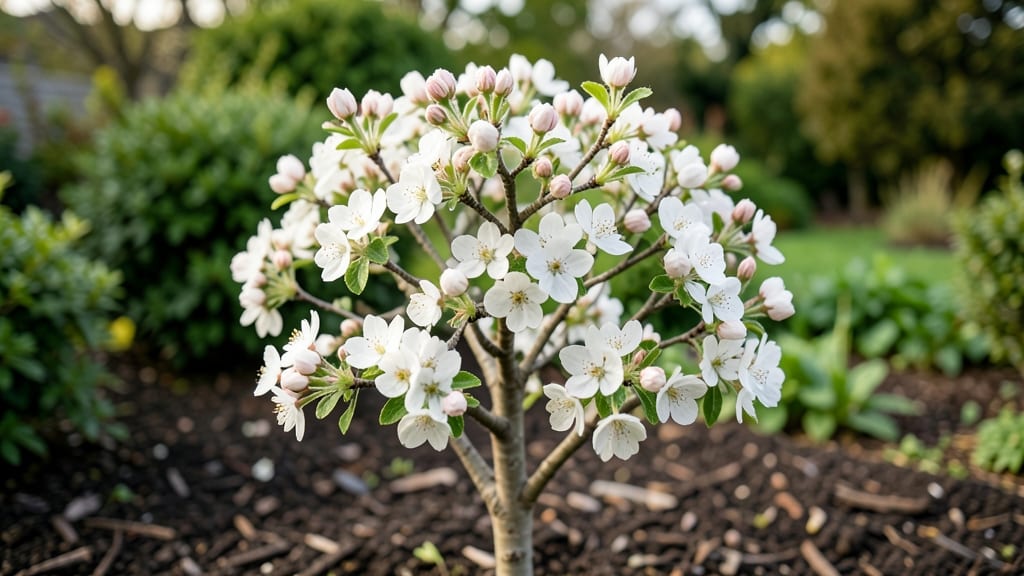
Five-petaled white flowers on trees transform any yard into a dreamy springtime canvas. 🌸 I’ve planted dogwoods, crape myrtles, and flowering cherries—each brings a different texture and seasonal charm to my shade garden, and they all thrive with minimal fuss.
Dogwoods bloom earliest, their delicate petals unfolding in April, while crape myrtles put on a bold show in late summer. Hawthorns add architectural interest with their spiky branches and clusters of tiny white blooms. The key?
Plant them where they’ll get dappled shade and well-draining soil—they’ll reward you with years of effortless beauty. Imagine these trees framing your patio, their branches arching over benches or creating a romantic walkway.
Pair them with shade-loving perennials like hostas or astilbes for a layered, lush effect that feels like a secret garden. Perfect for small yards, urban lots, or as focal points in larger landscapes.
Here’s how to choose the right one for your space and climate—plus tips to keep them blooming year after year.
Nature’s Blooming Mysteries Explained
If you’ve ever marveled at a tree adorned with delicate white, five-petaled flowers and wondered why they appear when they do—or why some trees bloom more prolifically than others—you’re not alone. These floral displays aren’t random; they’re the result of a fascinating interplay of biology, environment, and genetics.
Let’s dive into the science behind why these stunning blooms emerge, thrive, or sometimes even fail to materialize.
Every tree with white, five-petaled flowers (like dogwoods, crabapples, or serviceberries) follows a genetic timeline hardwired into its DNA. These flowers are often part of the tree’s reproductive strategy, designed to attract pollinators like bees, butterflies, or even birds. Here’s how genetics play a role:
- Species-Specific Timing: Some trees, like the flowering dogwood, bloom in early spring to take advantage of warm days and cool nights—ideal conditions for pollinators to be active. Others, like the crabapple, may bloom later to avoid frost damage.
- Flowering Age: Young trees often prioritize growth over flowering. It can take 3–10 years for a sapling to mature enough to produce its first white, five-petaled blooms. Patience is key!
- Hereditary Traits: If a tree’s parents were prolific bloomers, its offspring are likely to follow suit. However, stress or poor growing conditions can override even the best genetics.
Pro Tip: 💡 If your tree isn’t flowering yet, check its age and growing conditions—it might just need time to reach its prime!
White, five-petaled flowers are highly sensitive to environmental cues. Trees often use temperature shifts and day length (photoperiod) to decide when to bloom. Here’s how climate influences their appearance:
| Factor | Effect on Blooming |
|---|---|
| Chill Hours | Many trees (like serviceberries) need a period of cold dormancy—typically 200–1,000 hours below 45°F (7°C)—to trigger flowering. Without enough winter chill, buds may fail to open. |
| Warm Springs | An early, mild winter can cause trees to bloom too early, risking frost damage. Conversely, a late frost after buds form can kill emerging flowers before they open. |
| Day Length | Some trees (like dogwoods) are short-day plants, meaning they bloom when daylight shortens in late spring. Others respond to longer days in summer. |
| Rainfall Patterns | Drought stress can reduce flower production, while excessive moisture may lead to fungal diseases that damage buds. |
Actionable Tip: 🌡️ To encourage blooming, monitor your tree’s exposure to sunlight and ensure it gets consistent moisture during bud formation. Mulching helps regulate soil temperature!
Just like humans need the right nutrients to thrive, trees rely on a balanced diet to produce vibrant flowers. Deficiencies or imbalances in key nutrients can stunt blooming or even prevent flowers from forming entirely.
- Nitrogen (N): Too much nitrogen promotes leafy growth at the expense of flowers. A high-nitrogen fertilizer (like lawn fertilizer) can leave your tree lush but flowerless.
- Phosphorus (P): Essential for flower and fruit development. A deficiency may result in sparse or small blooms. Test your soil—ideal levels are 20–50 ppm for most flowering trees.
- Potassium (K): Supports overall plant health and stress resistance. Low potassium can weaken buds, making them more susceptible to disease.
- Micronutrients: Boron and zinc deficiencies can distort or prevent flower formation. Yellowing leaves or stunted growth may signal a micronutrient issue.
Fix It: ✨ Conduct a soil test every 2–3 years and amend with a balanced, slow-release fertilizer (like 10-10-10) in early spring. Avoid heavy nitrogen feeds if flowering is the goal!
Pests and pathogens can silently sabotage your tree’s floral display before you even notice. Here’s how they disrupt blooming:
- Borers and Beetles: Insects like dogwood borers or emerald ash borers tunnel into branches, weakening the tree and reducing its energy for flowering.
- Fungal Infections: Diseases like powdery mildew or anthracnose can distort or kill flower buds before they open. Wet, humid conditions worsen these issues.
- Aphids and Scale: These sap-sucking pests drain the tree’s energy, leaving little for flower production. You might spot sticky honeydew or curled leaves as signs.
- Root Rot: Overwatering or poor drainage can lead to root diseases, starving the tree of nutrients needed for blooms.
Preventative Tip: 🔥 Inspect your tree regularly for chewed leaves, sawdust-like frass, or unusual spots. Prune affected branches promptly and apply neem oil or fungicidal sprays as needed.
Understanding these causes can help you diagnose issues and take proactive steps to ensure your tree’s white, five-petaled flowers return year after year. Whether it’s tweaking its environment, feeding it right, or protecting it from pests, a little care goes a long way!
Practical ways to care for five-petal white blooms
Revitalizing and maintaining the health of your five-petal white-flowered trees doesn’t have to be complicated. Whether your tree is struggling with pests, diseases, or environmental stress, these targeted solutions will help restore its beauty—and keep it thriving for years.
Below, we break down common issues and their fixes, from quick remedies to long-term prevention.
If your tree’s white flowers are sparse or pale, it may be starving for essential nutrients. Yellowing leaves, slow growth, or weak stems are telltale signs.
How to Fix It:
- 🔥 Conduct a Soil Test – Use a DIY kit (available at garden centers) to check pH and nutrient levels. Most five-petal white-blooming trees (like dogwoods or magnolias) prefer slightly acidic to neutral soil (6.0–7.0 pH).
- 🍳 Apply Balanced Fertilizer – In early spring, spread a slow-release, organic fertilizer (like 10-10-10 or compost) around the root zone. Avoid over-fertilizing—too much nitrogen can reduce flowering.
- 👨🍳 Top-Dress with Mulch – Spread 2–4 inches of organic mulch (wood chips, pine straw) around the base (but not touching the trunk). This retains moisture and slowly releases nutrients as it decomposes.
💡 Pro Tip: If your tree is newly planted, hold off on heavy fertilizers for the first 6–12 months—focus on watering and soil health instead.
Chewed leaves, sticky sap, or tiny bugs on buds? Pests like aphids, spider mites, or scale insects can drain your tree’s energy, stunting flower production.
How to Fix It:
- 🔪 Blast Off Pests with Water – For soft-bodied insects (like aphids), spray the tree with a strong stream of water from a hose to dislodge them. Repeat every 3–4 days for severe infestations.
- 🌡️ Introduce Beneficial Insects – Ladybugs, lacewings, and parasitic wasps love eating garden pests. Buy them online or attract them with neem oil sprays (mix 1 tbsp neem oil + 1 tsp mild soap in 1 quart water).
- 🎯 Apply Horticultural Oil – In late winter or early spring, spray dormant oil (available at nurseries) to smother overwintering eggs and pests. Reapply if needed after blooming.
✨ Prevention Tip: Keep your tree well-watered and healthy—stressed trees attract more pests. Prune regularly to improve air circulation and reduce hiding spots.
Drought, extreme heat, or poor drainage can cause dropped buds, wilting, or no flowers at all. If your tree is struggling despite good soil and pest control, environmental factors may be the culprit.
How to Fix It:
- 💧 Deep Watering Schedule – Water deeply 1–2 times per week (depending on climate) during dry spells. Use a soaker hose to deliver moisture slowly to the roots.
- 🌡️ Provide Shade in Summer – If your tree is in a hot, sunny spot, temporary shade cloth (30–50% coverage) can protect it during peak heat. Avoid full shade, though—most flowering trees need at least 4–6 hours of sunlight daily.
- 📊 Improve Drainage – If your tree sits in soggy soil, amend the area with sand or perlite to prevent root rot. For container-grown trees, ensure pots have drainage holes.
💡 Pro Tip: Mulch heavily in summer to keep roots cool. A 3-inch layer of mulch can reduce soil temperature by up to 10°F.
Poor pruning habits can stress the tree, reduce flowers, or invite disease. If your five-petal white blooms are sparse, it might be time to reset the tree’s energy.
How to Fix It:
- 🔪 Prune at the Right Time – For most flowering trees, prune right after blooming (late spring/early summer). Avoid heavy pruning in fall or winter, as it can stimulate new growth that won’t harden off before cold weather.
- 👨🍳 Focus on Structure – Remove dead, crossing, or diseased branches first. Then, thin out 10–20% of the canopy to improve airflow.
- 🌿 Avoid "Topping" – Never cut back to a stub—this encourages weak growth. Instead, prune at a branch collar (the swollen area where branches meet the trunk).
✨ Prevention Tip: Sanitize pruners with rubbing alcohol between cuts to prevent spreading disease. Store tools in a dry place to prolong their life.
Final Thought: Most issues with five-petal white-flowering trees are preventable with consistent care. By addressing nutrient needs, pests, and environmental stress proactively, your tree will reward you with vibrant blooms year after year. Start with one fix this week—your tree (and your landscape!) will thank you.
Frequently asked questions
Which trees with white, five-petaled flowers bloom the longest?
Crape myrtles and serviceberries are top performers for extended blooms. Crape myrtles produce clusters of 5-petaled white flowers from mid-summer through fall, while serviceberries offer 3–4 weeks of spring blooms followed by edible berries. For year-round interest, pair them with magnolias, which bloom early spring and again in late summer.
Can I grow these trees in containers?
Yes! Dwarf varieties like Kousa dogwood or miniature crape myrtles thrive in containers. Use a 15–20 gallon pot with drainage holes and well-draining potting mix. Place them where they get 4–6 hours of sunlight daily and water when the top 1–2 inches of soil dry out. Repot every 2–3 years to refresh nutrients.
Why are my tree’s white flowers falling off early?
Early flower drop often signals stress—check for drought, pests, or nutrient deficiencies. Overwatering or poor drainage can also cause root rot, starving the tree of energy. Ensure consistent moisture (not soggy soil) and apply a balanced fertilizer in early spring. If pests like aphids are present, spray with neem oil to protect buds.
Do these trees attract pollinators like bees and butterflies?
Trees with white, five-petaled flowers are pollinator magnets. Dogwoods, crabapples, and serviceberries all produce nectar-rich blooms that attract bees, butterflies, and hummingbirds. Plant them near pollinator-friendly perennials like coneflowers or milkweed to create a thriving ecosystem for beneficial insects.
How do I choose between dogwood and crape myrtle?
Dogwoods offer delicate, four-petaled blooms (sometimes five) with horizontal branches, ideal for shade gardens. Crape myrtles have showy, clustered flowers and thrive in heat, making them perfect for sunny landscapes. If you want low-maintenance beauty, crape myrtles win; for elegant shade, dogwoods are unbeatable.