
Flowers
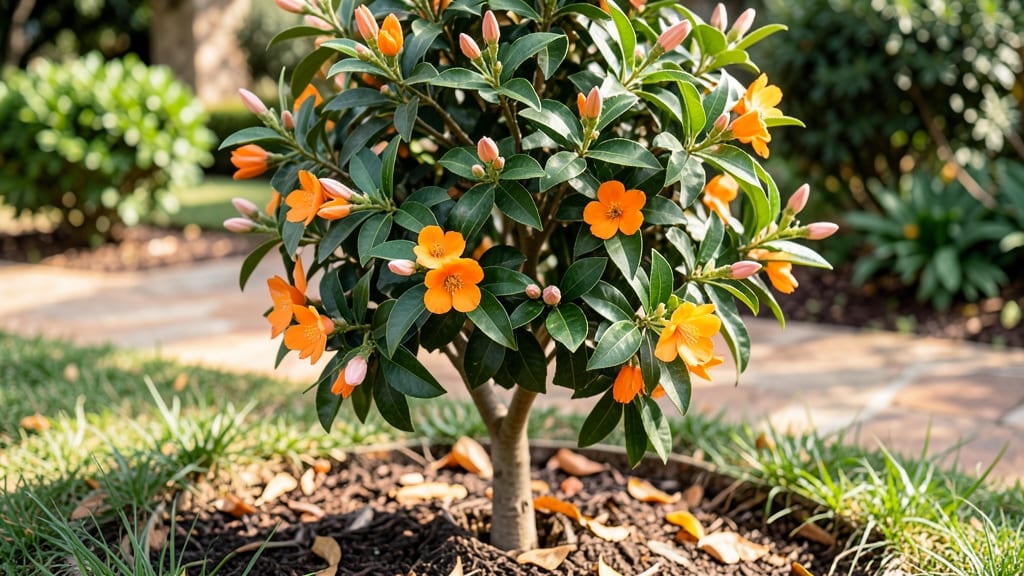
Orange-blooming small trees like Mexican orange blossom (Choisya ternata) bring sunshine to any garden with their fragrant, citrus-scented flowers that light up borders and focal points year-round. 🌿 I’ve used them to transform dull corners into vibrant statements—imagine a 6-foot tree bursting with bright blooms against a neutral wall or alongside lavender for a Mediterranean vibe.
These trees thrive in containers too, making them perfect for patios or small urban spaces where big plants won’t fit.
Their low-maintenance nature is a game-changer—once established, they handle drought, partial shade, and even coastal conditions better than many ornamentals. Prune lightly after flowering to shape them, but otherwise, they reward minimal effort with bold color and texture from spring through fall.
Pair them with silver foliage plants like lamb’s ear or deep greens like boxwood to make their orange hues pop even more.
For maximum impact, plant them where their scent can be enjoyed up close—near seating areas or pathways. In larger gardens, use them as anchor points in mixed borders, where their upright form contrasts with sprawling perennials.
The key is placement: they love well-draining soil and 6+ hours of sun, but adapt well to partial shade in hot climates.
Bonus tip: Deadhead spent blooms to encourage more flowers, and fertilize lightly in spring to keep them vigorous. With the right spot, these trees become the star of the show—simple, stunning, and effortlessly elegant. Ready to add a splash of citrus to your garden?
📚 In This Guide
- What you need
- Instructions
- Tips and common mistakes
- Wrapping up and next steps
What you need
- ● Small tree sapling: 1–2 Citrus aurantium (bitter orange) or Poncirus trifoliata (trifoliate orange) trees (3–5 feet tall, potted or bare-root).
- ● Note: Choose a healthy, disease-free specimen from a reputable nursery.
- ● Well-draining potting mix: 1 bag (1–2 cubic feet) of cactus/succulent mix or a blend of 50% potting soil + 50% perlite/pumice.
- ○ Optional: Add 1 tbsp of slow-release citrus fertilizer (10-10-10 or similar) per gallon of soil.
- ● Container or garden space: Container option: 1–2 5–7 gallon pots with drainage holes (terracotta or fabric pots recommended).
- ● Garden option: A sunny, sheltered spot with 6+ hours of sunlight daily and well-draining soil (amend with compost if needed).
- ● Watering can or hose: With a gentle spray nozzle (to avoid disturbing roots).
- ● Pruning shears: 1 pair of sterilized, sharp shears (for shaping and deadheading).
- ● Citrus-specific fertilizer: 1 bottle of balanced liquid fertilizer (e.g., 20-20-20) or orgainc citrus fertilizer.
- ● Mulch: 1 bag of organic mulch (e.g., pine bark) to retain moisture and regulate soil temperature.
- ● Epsom salt: 1 small container (for magnesium boost, especially for yellowing leaves).
- ● Grow lights: 1–2 LED grow bulbs (if indoors and sunlight is limited).
- ● Pest control: Neem oil or insecticidal soap (for aphids or scale).
- ● Support stakes: 1–2 bamboo stakes (if training the tree vertically).
Step-by-Step guide to cultivating small trees with vibrant orange flowers
Here’s how to nurture fragrant citrus blooms that thrive year-round with minimal fuss.
🌱 Step 1: Select the Right Variety and Planting Site
Choose a dwarf citrus variety like Calamondin or Improved Meyer Lemon, both known for their compact size and stunning orange blossoms. These thrive in USDA Zones 9-11, but can be grown in containers and brought indoors during winter in colder climates. The key is full sun exposure—at least 6-8 hours daily—so position your tree near a south-facing window or patio.
If planting outdoors, select a spot with well-draining soil and shelter from strong winds. Amend heavy clay soil with 3-4 inches of compost to improve aeration. I’ve found that container-grown trees adapt better to indoor conditions, so a 10-15 gallon pot with drainage holes works perfectly for indoor cultivation.
☀️ Step 2: Provide Optimal Light and Temperature Conditions
Citrus trees need bright, indirect light to encourage blooming. In winter, supplement natural light with a grow light positioned 12-18 inches above the plant for 12-14 hours daily. Without enough light, leaves turn yellow and flowers fail to develop. Watch for new growth—this signals the tree is getting adequate light.
Maintain temperatures between 60-85°F for consistent blooming. Below 50°F, buds drop, and the tree goes dormant. If you live in a colder climate, move the tree indoors before the first frost. I keep mine near a sunny window and use a small space heater in winter to maintain warmth without drying out the air.
💧 Step 3: Water and Fertilize for Continuous Blooms
Water deeply when the top 2 inches of soil feel dry, but avoid soggy roots—citrus hate sitting in water. In containers, this usually means every 5-7 days, but adjust based on humidity and temperature. Overwatering causes root rot, so always check moisture before watering again. I use a moisture meter to track soil conditions accurately.
Feed your tree every 4-6 weeks with a balanced citrus fertilizer (10-10-10 or similar). During bloom season, switch to a low-nitrogen, high-phosphorus fertilizer to encourage more flowers. Stop fertilizing in late summer to allow the tree to rest before winter. You’ll notice new buds forming within 4-6 weeks of consistent feeding.
✂️ Step 4: Prune and Maintain for Healthy Growth
Prune lightly after blooming to shape the tree and remove dead or crossing branches. Use sterilized pruning shears to make clean cuts just above a leaf node. Avoid heavy pruning—citrus trees bloom on old wood, so trimming too aggressively reduces next year’s flowers. I prune mine in early spring to encourage new growth before the blooming season.
Watch for pests like scale or spider mites, which thrive in dry conditions. Spray the tree with neem oil weekly if you spot sticky residue (aphid honeydew) or webbing. A healthy tree resists pests better, so consistent watering and fertilization go a long way. You’ll know your tree is thriving when it produces fragrant orange blossoms year-round.
⏰ Step 5: Overwinter for Year-Round Blooms
If growing indoors, reduce watering in winter and keep the tree in a bright, cool spot (around 55-60°F). Avoid drafts, which stress the tree. Outdoor trees need mulch around the base to insulate roots. I’ve found that container-grown trees handle winter better because I can move them indoors before cold snaps.
Resist the urge to fertilize in winter—the tree is dormant and doesn’t need extra nutrients. Instead, focus on light exposure and humidity. A pebble tray with water under the pot increases humidity, preventing leaf drop. With proper care, your small citrus tree will reward you with continuous orange blossoms and a fragrant, tropical atmosphere.
Tips & tricks for cultivating small trees with vibrant orange flowers
Took me years to perfect these details—here's how to avoid the most common mistakes when growing fragrant citrus blooms.
Lighting Strategy: In Step 2, when supplementing with grow lights, position them just 12-18 inches above the tree and keep them on for 12-14 hours daily—this mimics natural daylight cycles. I've found that using a timer automates this perfectly and prevents over-lighting, which can scorch leaves. For best results, rotate the tree quarter-turn daily to ensure even light exposure all around the foliage.
Temperature Transition: The 60-85°F range in Step 2 is critical for blooming, but the real secret lies in the transition. When moving your tree indoors before winter, do it gradually over 3-5 days to avoid shock. Sudden temperature drops below 50°F cause buds to drop immediately, so monitor your thermostat closely during fall transitions. A small space heater near the tree (but not too close) helps maintain that ideal range without drying out the air.
Watering Wisdom: Step 3's advice about watering every 5-7 days works for most containers, but humidity levels change everything. In dry climates, you might need to water every 4 days, while in humid areas, 7-10 days could be sufficient. The key is always checking the top 2 inches of soil—if it's dry, water thoroughly until it drains from the bottom. I've ruined trees by both overwatering (root rot) and underwatering (leaf drop), so this moisture meter has saved me countless times.
Fertilizer Timing: The 4-6 week feeding schedule in Step 3 works, but switch to a low-nitrogen, high-phosphorus formula when you first see buds forming. This shift encourages more flowers instead of leafy growth. Stop fertilizing completely in late summer to let the tree rest—this prepares it for winter dormancy and sets up better blooming next season. I've noticed new buds forming within 4-6 weeks of this adjusted schedule.
Pro Tips for Small Tree Orange Flowers
- Took me years to perfect these details—here's how to avoid the most common mistakes when growing fragrant citrus blooms.
- Lighting Strategy: In Step 2, when supplementing with grow lights, position them just 12-18 inches above the tree and keep them on for 12-14 hours daily—this mimics natural daylight cycles.
- Temperature Transition: The 60-85°F range in Step 2 is critical for blooming, but the real secret lies in the transition.
Frequently asked questions
Got questions about growing small trees with stunning orange flowers? Here are some answers to help you bring that fragrant citrus charm into your garden or home!
What are the best small trees with orange flowers for beginners?
Start with Choisya ternata (Mexican Orange) or Murraya paniculata (Orange Jasmine). Both are hardy, drought-tolerant, and thrive in containers or garden beds. Their bright blooms and citrusy scent make them perfect for first-time growers!
When is the best time to plant a small orange-flowering tree?
Plant in early spring (after the last frost) or fall (6-8 weeks before the first frost). This gives roots time to establish before extreme temperatures. If planting in containers, you can do so year-round with proper care!
How do I keep my small orange-flowering tree healthy and blooming?
Ensure it gets 6+ hours of sunlight daily and well-draining soil. Prune lightly after flowering to encourage new growth. Water deeply but infrequently—most varieties hate soggy roots. A balanced fertilizer in spring boosts blooms too!
Can I grow a small orange-flowering tree indoors?
Yes! Dwarf varieties like Citrus aurantium (Bitter Orange) or Murraya paniculata (Orange Jasmine) thrive indoors near sunny windows. Use a 10-12 inch pot, ensure good drainage, and rotate the plant for even growth. Humidity helps too!
Why aren’t my orange-flowering tree’s blooms lasting long?
Short-lived blooms could mean overwatering, poor drainage, or lack of sunlight. Check soil moisture (it should dry slightly between waterings) and ensure the tree gets bright, indirect light. Deadheading spent flowers can also encourage more blooms!
What are some fragrant alternatives to orange-flowering trees?
If you love the scent, try Gardenia jasminoides (for creamy blooms), Jasminum officinale (classic jasmine), or Philadelphus (mock orange). All offer intoxicating fragrances and work well in gardens or containers!
Wrapping up and next steps
Small trees with orange flowers bring a burst of sunshine and fragrance to any space, whether in your garden or as a stunning centerpiece. From vibrant Choisya ternata to delicate Murraya paniculata, these blooms are easy to grow and maintain—perfect for both beginners and seasoned gardeners! 🌸
Now that you’re equipped with the right knowledge, why not plant one today? Start with a cutting or young sapling, and soon you’ll be enjoying their intoxicating scent and cheerful hue year after year. Happy gardening! 🌿