
Pruning
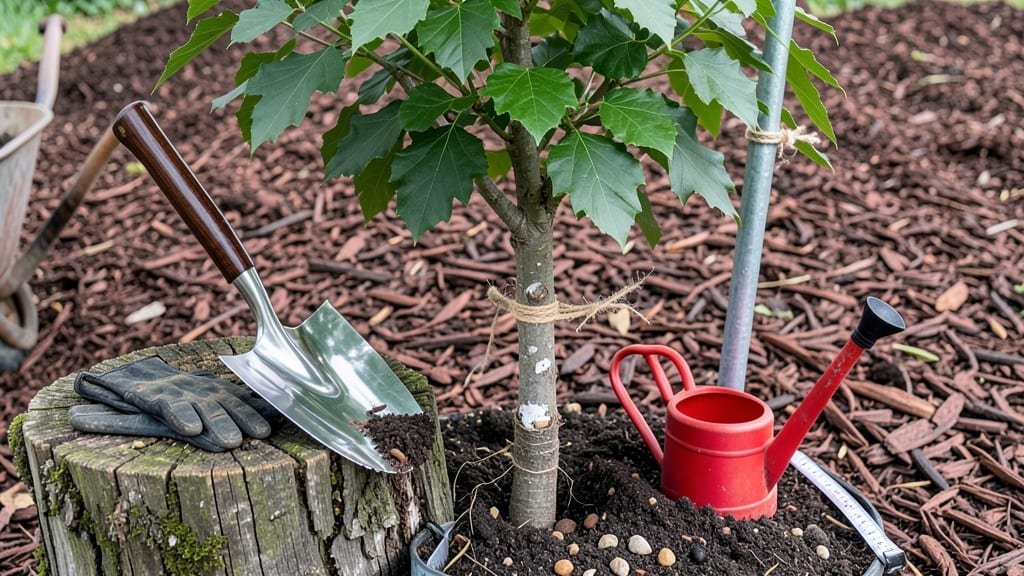
Planting trees in London isn’t just about digging a hole—it’s about defying the city’s urban challenges with the right species, soil prep, and care. 🌳 I’ve planted everything from silver birch to London plane, and the difference between a thriving tree and a struggling one comes down to understanding this city’s unique growing conditions.
London’s clay-heavy soil and pollution demand smart choices: native species like field maple handle our climate better than ornamental imports. Start with a hole twice as wide as the root ball, loosen the soil, and mix in compost to help roots establish faster.
The first year is critical—water deeply once a week (unless it rains) and mulch to keep roots cool. By year three, you’ll see strong growth and lush foliage, even in tight spaces. Trees planted this way filter more pollution, reduce heat islands, and add value to your property.
Plus, London’s council offers free tree-planting schemes—just check their guidelines for eligible species. Whether you’re planting a single tree or a mini urban forest, this method works for balconies, backyards, and even pavement gaps. Let’s get growing!
📚 In This Guide
- What you need
- Instructions
- Tips and common mistakes
- Wrapping up and next steps
What you need
- ● Tree sapling: Choose a native species (e.g., oak, silver birch, or London plane) from a local nursery. Quantity: 1 per planting spot.
- ● Shovel or spade: A 16-inch (40 cm) digging spade for medium-sized trees or a 24-inch (60 cm) spade for larger roots.
- ● Garden fork: Helps loosen compacted soil before planting.
- ● Watering can or hose: A 2-gallon (7.5L) watering can or hose with a gentle spray nozzle.
- ● Compost or mulch: 2–3 cubic feet (0.06–0.08 m³) of organic compost or bark mulch to enrich soil.
- ○ Tree stake (optional): A 3–4 ft (1–1.2 m) wooden or biodegradable stake for young trees in windy areas.
- ○ Tree tie (optional): Soft 1-inch (2.5 cm) wide fabric ties to secure the tree to stakes.
- ● Gloves: Durable gardening gloves to protect your hands.
- ● Location: Check local council guidelines for blank">London tree planting rules—some areas require permits.
- ○ Soil test (optional): A pH test kit ensures your soil is suitable for your tree species.
- ● Weather check: Plant on a cool, overcast day to reduce stress on the sapling.
- ● Neighbor consent (if applicable): If planting near property lines, notify neighbors to avoid disputes.
Instructions for planting trees in London’s climate
London’s weather can be unpredictable, but these steps ensure your trees thrive year-round.
🪴 Step 1: Choose the Right Spot and Prepare the Hole
Pick a location with 6+ hours of sunlight daily—most London trees need full sun for strong growth. Avoid low-lying areas where water pools after rain, as soggy roots rot quickly. Dig a hole twice as wide as the root ball but no deeper—this prevents soil compaction around the roots.
Loosen the sides of the hole with a fork to encourage roots to spread outward. If your soil is heavy clay (common in London), mix in 2-3 inches of compost around the edges—this improves drainage and gives roots a nutrient boost. I always test the hole depth by placing the tree’s root ball inside; the top should sit 1-2 inches above ground level to prevent settling.
🌱 Step 2: Handle the Tree With Care and Plant Properly
Remove the tree from its container and gently tease apart any circling roots with your fingers—this prevents girdling as the tree matures. Place it in the hole so the root flare (where roots meet the trunk) is visible above the soil line. Backfill with the native soil you removed, tamping lightly every 2 inches to eliminate air pockets.
Water deeply right after planting to settle the soil—aim for 1 gallon per inch of trunk diameter. A newly planted tree in London’s windy conditions needs extra support. Use a tree stake (if needed) and tie it loosely with soft fabric to avoid damaging the trunk as it grows. I always check the stake after a month to ensure it’s not restricting movement.
☀️ Step 3: Mulch and Protect for London’s Unpredictable Weather
Spread 3-4 inches of organic mulch (like wood chips or bark) in a circle around the base, keeping it 6 inches away from the trunk to prevent rot. Mulch retains moisture during dry spells and insulates roots in winter. In London’s wet winters, mulch also prevents soil erosion from heavy rain.
Water the tree once a week for the first year, increasing to twice a week in summer if there’s no rain. You’ll know it’s getting enough water when the top 6 inches of soil stay consistently moist but not waterlogged. Avoid overhead watering—it spreads disease. Instead, use a soaker hose or water at the base.
⏰ Step 4: Monitor and Adjust for Seasonal Changes
Check the tree’s collar (where trunk meets roots) every 3 months—if soil has settled and buried it, gently scrape it back to the surface. London’s clay soil compacts easily, so a quick check prevents long-term issues. Prune only dead or crossing branches in the first year; let the tree focus on establishing roots.
In winter, add a thick layer of mulch (up to 6 inches) to protect roots from freezing. If you planted a young tree in late fall, wrap the trunk with tree guard to shield it from frost and pests. Watch for signs of stress—yellowing leaves in summer often mean underwatering, while brown edges signal too much salt from winter roads.
Tips & tricks for planting trees in London’s climate
London’s weather can be tricky, but these simple tricks will help your trees establish strong roots and thrive year after year.
Soil Prep Matters: London’s heavy clay soil can be tough on new roots. In Step 1, when you’re mixing in 2-3 inches of compost around the edges, consider adding a handful of perlite or coarse sand to improve drainage. This prevents waterlogging, which is especially critical in low-lying areas where rain pools. I’ve seen trees fail within months because their roots couldn’t breathe in compacted soil.
Root Handling Technique: In Step 2, when teasing apart circling roots, don’t rush—take your time to gently separate them. These roots can strangle the tree as it grows if left intact. A quick trick: Soak the root ball for 10-15 minutes before planting to help loosen stubborn roots. This also ensures the tree starts with a good drink of water right away.
Watering Wisdom: The 1 gallon per inch of trunk diameter rule in Step 2 is perfect, but here’s the catch: London’s wind can dry soil faster than you think. After planting, I like to create a small berm (a raised mound) of soil around the base to help water pool where it’s needed most. This is especially helpful during those dry summer months when you’re watering twice a week.
Mulch Like a Pro: When you spread that 3-4 inches of organic mulch in Step 3, don’t pile it against the trunk—keep it 6 inches away to prevent rot. For extra protection in winter, consider adding a thick layer of straw mulch (up to 6 inches) around the base. This acts like a cozy blanket for the roots during freezing temperatures, which are common in London winters.
Pro Tips for Tree Planting London
- London’s weather can be tricky, but these simple tricks will help your trees establish strong roots and thrive year after year.
- Soil Prep Matters: London’s heavy clay soil can be tough on new roots.
- Root Handling Technique: In Step 2, when teasing apart circling roots, don’t rush—take your time to gently separate them.
Frequently asked questions
Got questions about planting trees in London’s unique climate? Here are some of the most common ones—and their answers—to help you grow a thriving urban forest!
When is the best time to plant trees in London?
The ideal window is late autumn (October–November) or early spring (March–April), when soil is workable but not frozen. London’s mild winters mean you can plant year-round, but avoid extreme heat (summer) or waterlogged soil (winter). For bare-root trees, plant in dormant season—usually late fall.
How much water does a newly planted tree need in London’s climate?
Water deeply 2–3 times per week for the first year, giving 10–15 gallons (45–70 liters) per watering. London’s urban heat island effect can dry soil faster, so check moisture 2 inches (5 cm) down. Mulch helps retain moisture—just keep it 3 inches (7 cm) away from the trunk to prevent rot.
What’s the best tree species for London’s urban environment?
Opt for climate-resilient, low-maintenance species like London Plane (tolerates pollution), Silver Birch (fast-growing), or Hawthorn (supports wildlife). Avoid invasive types (e.g., Sycamore)—check the London Tree Officers Association for approved lists. Dwarf varieties work well in small spaces!
Why is my newly planted tree wilting or turning yellow?
Yellowing leaves (chlorosis) often signal iron deficiency (common in London’s alkaline soil) or overwatering. Check roots for rot or pests like vine weevils. If soil is compacted, aerate gently. For severe cases, a chelated iron supplement (follow package instructions) can help—but test soil first!
Can I plant a tree in a small London garden or balcony?
Choose container-friendly trees like Dwarf Japanese Maple or Columnar Apple. Use large pots (20+ gallons) with drainage, and prune regularly to control size. For balconies, ensure the pot gets 6+ hours of sunlight and use lightweight, well-draining soil. Pro tip: Label your tree with its name and planting date!
Wrapping up and next steps
Planting trees in London isn’t just about greening the city—it’s a powerful step toward a healthier, cooler, and more resilient urban future. 🌱 From selecting the right species to mastering year-round care, every effort counts in combating climate change and improving local ecosystems.
Whether you're a seasoned gardener or a first-time planter, your actions make a difference—so grab your gloves and get growing!
Ready to take the next step? Start small:
- Join a local tree-planting initiative in London.
- Research climate-adapted species for your area.
- Share your progress and inspire others!