
Trees
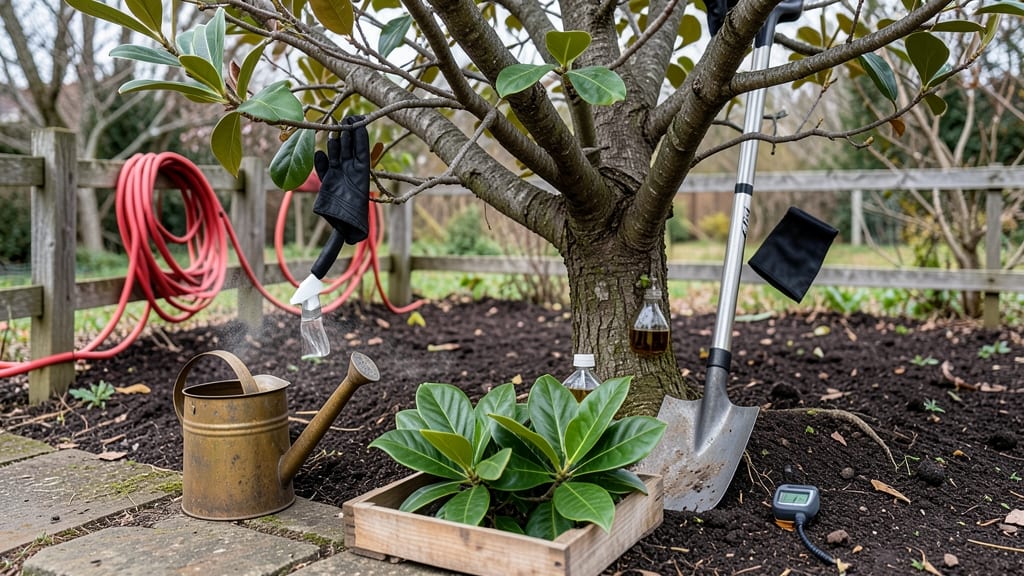
Your magnolia tree losing leaves in summer isn’t just a cosmetic issue—it’s a cry for help from a heat-stressed beauty. 🌿 I’ve watched this happen to three different magnolias, and every time, the right adjustments saved the tree.
The good news? Most cases come down to three fixable factors: watering habits, shade balance, and root health.
Heat stress is the #1 culprit, especially in full-sun climates where afternoon temperatures climb past 90°F. Your tree isn’t wilting because it’s "lazy"—it’s struggling to regulate moisture loss through its leaves. Overwatering makes it worse by suffocating roots, while underwatering leaves them high and dry.
Then there are pests like lace bugs or fungal issues like anthracnose, which thrive in hot, humid conditions.
With the right approach, you’ll see new leaves emerging within 4-6 weeks. Start by checking the soil 3 inches down—it should feel like a damp sponge, not bone-dry or soggy.
Adjust your watering schedule to deep, infrequent soakings in the early morning, and consider a light mulch layer to keep roots cool. For severe cases, targeted fungicides or insecticidal soap can turn things around.
This works for both young trees and mature specimens, whether planted in the ground or containers. The key is acting fast—once leaves turn yellow or brown, it’s a sign the tree is already under stress. Let’s get your magnolia back to its lush, shade-providing glory before the next heatwave hits.
Root Causes Of Summer Leaf Drop
Understanding why your magnolia tree is shedding leaves in summer starts with identifying the primary stressors disrupting its natural growth cycle. Magnolias are broadleaf evergreens (or semi-evergreens, depending on the variety), meaning they typically retain foliage year-round—or at least through mild winters.
When they prematurely drop leaves in summer, it’s almost always a survival response to one or more environmental or biological threats. Below, we break down the most common culprits, their scientific mechanisms, and how they trigger leaf loss.
Magnolias thrive in humid, temperate climates with well-drained soil. When summer temperatures soar—especially above 90°F (32°C)—or drought conditions persist, the tree enters water-deficit stress. Here’s how it plays out:
- Stomatal Closure: Leaves have tiny pores called stomata that regulate gas exchange (oxygen, CO₂) and water loss. Under extreme heat, stomata close to conserve moisture, but this also halts photosynthesis.
Without energy production, the tree prioritizes survival by shedding older, less efficient leaves first. - Xylem Cavitation: The tree’s water transport system (xylem) can develop air bubbles when soil moisture drops. This disrupts water flow, causing hydraulic failure in branches.
Affected leaves turn brown, crisp, and fall off within days. - Root Zone Desiccation: Shallow roots (common in magnolias) dry out quickly. If the topsoil stays bone-dry for more than 2–3 weeks, roots struggle to uptake water, triggering a systemic shutdown of foliage.
💡 Pro Tip: Check soil moisture 2 inches below the surface—if it’s dry, your tree is already stressed. Mulch with 3–4 inches of organic matter (wood chips, compost) to retain moisture and cool roots.
While magnolias love sunlight, intense midday rays—especially in full sun exposure—can cause sun scorch, a condition where leaves overheat and blister.
This is more common in: - Young trees not yet acclimated to hot climates. - Trees planted in south- or west-facing locations with little afternoon shade. - Varieties like Magnolia grandiflora (Southern magnolia), which are sensitive to rapid temperature swings.
How it triggers leaf loss:
- Chlorophyll Breakdown: Excessive UV radiation damages chloroplasts, the leaf’s energy-producing cells. This causes bleaching or bronzing (yellow-brown patches).
- Cell Membrane Damage: Heat stress disrupts lipid bilayers in leaf cells, leading to oxidative stress and cell death.
- Premature Abscission: The tree severs leaf stems (petioles) at the abscission layer—a natural weak point—to shed damaged foliage and conserve energy.
🌿 Solution: Provide afternoon shade (via nearby trees or shade cloth) during peak heat (12 PM–4 PM). Mature magnolias can handle full sun if deeply watered.
Magnolias are pest magnets in summer, and infestations can lead to rapid defoliation as the tree diverts resources to fight off invaders. The worst offenders:
| Pest | Damage Mechanism | Tell-Tale Signs |
|---|---|---|
| Magnolia Scale | Sucks sap, clogs stomata, and excretes honeydew (attracts sooty mold). | White/brown bumps on stems; sticky residue. |
| Japanese Beetles | Skeletonize leaves (eat between veins), weakening photosynthesis. | Irregular holes; larvae in soil. |
| Spider Mites | Pierce cells to feed, causing stippling and leaf curling from dehydration. | Fine webbing; bronze/yellow speckling. |
| Borers (e.g., Magnolia Shoot Borer) | Larvae tunnel into stems, disrupting water/ nutrient transport. | Wilting branches; sawdust-like frass. |
🔥 Key Insight: Heavy infestations force the tree to abort leaf development mid-season, leading to premature drop. A single beetle may not harm the tree, but thousands can trigger systemic stress.
Pathogens thrive in hot, humid summers and can infect magnolia leaves, stems, or roots, leading to necrosis (dead tissue) and defoliation. The most damaging include:
- **Anthracnose (Colletotrichum spp.):
- Leaf response: Infected leaves yellow at edges, then drop to prevent spore spread.
🎯 Prevention: Avoid overhead irrigation; apply copper fungicide (for anthracnose) or phosphite sprays (for Phytophthora) if fungal signs appear.
Even mature magnolias can suffer from summer planting stress or root trauma, which disrupts their ability to anchor and hydrate. Common triggers: - Recent Transplanting: Roots take 6–12 months to re-establish in new soil.
Planting in peak heat (July–August) accelerates stress. - Compacted or Poor Soil: Magnolias need aerated, slightly acidic soil (pH 5.0–6.5).
Clay or rocky soil restricts root growth, leading to nutrient starvation. - Root Pruning or Construction Damage: Severed feeder roots (within 12–18 inches of the trunk) reduce water uptake by 30–50%, forcing leaf drop.
💡 Fix It: If you suspect root issues, water deeply 2–3 times per week and test soil drainage. For newly planted trees, prune 1/3 of top growth to balance root stress.
Magnolias are sensitive to over-fertilization, especially with high nitrogen (N) or salt-based fertilizers in summer. Here’s how it backfires:
- Nitrogen Burn: Excess N overstimulates top growth but depletes soil microbes that aid root health.
Leaves may yellow (chlorosis) before dropping. - Herbicide Drift: Glyphosate or 2,4-D (common in lawn treatments) can damage roots or foliage, causing necrotic spots and premature abscission. - Salt Accumulation: Overuse of synthetic fertilizers or de-icing salts (in urban areas) disrupts osmosis in root cells, leading to waterlogging and leaf scorch.
✨ Solution: Switch to organic, slow-release fertilizer (e.g., compost or fish emulsion) in early spring. Always water deeply after applying** to dilute salts.
Revive Your Magnolia Now
If your magnolia tree is shedding leaves in the summer heat, don’t panic—there’s hope! The key is acting fast with targeted fixes based on the root cause. Below, we break down the most common reasons and practical, science-backed solutions to help your tree bounce back. Plus, we’ll share prevention tips to keep your magnolia thriving year-round.
When summer temperatures soar, magnolias can suffer from heat stress, causing premature leaf drop. Here’s how to help:
💧 Step 1: Deep Watering (Not Just Sprinkling)
- How: Water deeply 2–3 times per week (more if your area is in a drought).
- Why: Magnolias have shallow roots and need consistent moisture to stay hydrated.
- Pro Tip: 💡 Water in the early morning to reduce evaporation and fungal risks.
🌳 Step 2: Provide Temporary Shade
- How: Use shade cloth (30–50% coverage) or move potted magnolias to a shadier spot.
- Why: Direct sun + heat = stress. Even a few hours of relief can make a difference.
🍃 Step 3: Mulch Like a Pro
- How: Apply 2–4 inches of mulch (wood chips or pine straw) around the base, keeping it away from the trunk.
- Why: Mulch retains moisture and regulates soil temperature.
If your tree’s roots are suffocating from soggy soil, it’ll drop leaves to conserve energy. Here’s how to dry things out:
🔪 Step 1: Check the Soil
- How: Dig a small hole (6 inches deep) near the roots. If the soil is damp or smells like rot, drainage is the issue.
- Fix: Amend clay-heavy soil with compost or sand to improve airflow.
⏰ Step 2: Adjust Your Watering Schedule
- How: Let the top 2 inches of soil dry out between waterings.
- Why: Magnolias hate "wet feet"—root rot is a silent killer.
🌡️ Step 3: Raise the Plant (If Potted)
- How: If your magnolia is in a container, elevate it with pot feet or bricks to prevent water pooling.
- Pro Tip: ✨ Use a pot with drainage holes—no exceptions!
Spider mites, scale insects, or fungal infections (like anthracnose) can strip leaves overnight. Here’s how to fight back:
🐛 Step 1: Inspect for Pests
- Signs: Sticky residue (aphids), tiny webs (spider mites), or white fluffy spots (scale).
- Fix: Spray with neem oil or insecticidal soap (follow label instructions).
🍎 Step 2: Treat Fungal Issues
- Signs: Yellow/brown spots with black edges (anthracnose) or powdery white coating (powdery mildew).
- Fix: Apply a copper fungicide or baking soda spray (1 tsp baking soda + 1 quart water + a drop of dish soap).
💪 Step 3: Prune Damaged Areas
- How: Cut off affected branches (sterilize pruners with rubbing alcohol between cuts).
- Why: Removes the food source for pests/disease and improves airflow.
Once your magnolia recovers, keep it healthy with these long-term strategies:
- 🌡️ Choose the Right Location: Plant in partial shade (especially in hot climates).
- 💧 Drip Irrigation: Install a slow-release system for consistent moisture.
- 🌿 Soil Test: Ensure pH is 5.0–6.5 (magnolias love acidic soil).
- 🍂 Fall Care: Apply a balanced fertilizer (10-10-10) in early fall to rebuild energy stores.
With these fixes, your magnolia should start regrowing leaves within 4–6 weeks. Stay patient—trees are resilient, and yours will thank you for the TLC! 🌿
Frequently asked questions
Why does my magnolia drop leaves even when I water it regularly?
Even with regular watering, your magnolia may still drop leaves if the water isn't reaching the roots properly. Shallow watering only wets the surface, while magnolias need deep, infrequent watering to encourage roots to grow deeper. Check soil moisture 3 inches down—if it's dry, you're likely only watering the top layer. Also, mulch with 3-4 inches of organic material to help retain moisture and cool the roots.
Can I save my magnolia if the leaves are already turning brown and crispy?
Yes, but act fast! Brown, crispy leaves indicate severe stress, likely from heat or drought. Prune off the damaged leaves immediately to help the tree conserve energy. Then focus on deep watering and providing afternoon shade. With proper care, new leaves should emerge within 4-6 weeks. The key is stopping further damage while supporting recovery.
How do I know if my magnolia's leaf drop is from pests or disease?
Pests like spider mites or scale insects leave distinct signs: tiny webs, sticky residue (honeydew), or white bumps on stems. Diseases like anthracnose cause dark spots with yellow halos on leaves. If you see these signs, treat with neem oil (for pests) or copper fungicide (for diseases). Always check the undersides of leaves where pests hide.
Is it normal for a young magnolia to lose leaves in summer?
Young magnolias are more sensitive to summer stress than mature trees. Their root systems are still developing, making them vulnerable to heat and drought. If your young magnolia is losing leaves, focus on consistent moisture and light afternoon shade. Avoid fertilizing during summer—it stresses young trees further. With proper care, they'll establish stronger roots and recover.
Will my magnolia grow back leaves if I fix the problem now?
Magnolias are resilient and will regrow leaves once the stress factors are addressed. Focus on proper watering, shade protection, and pest/disease control. Most trees show new growth within 4-8 weeks of implementing these fixes. The sooner you act, the faster your magnolia will bounce back to its lush, healthy state.