
Pruning
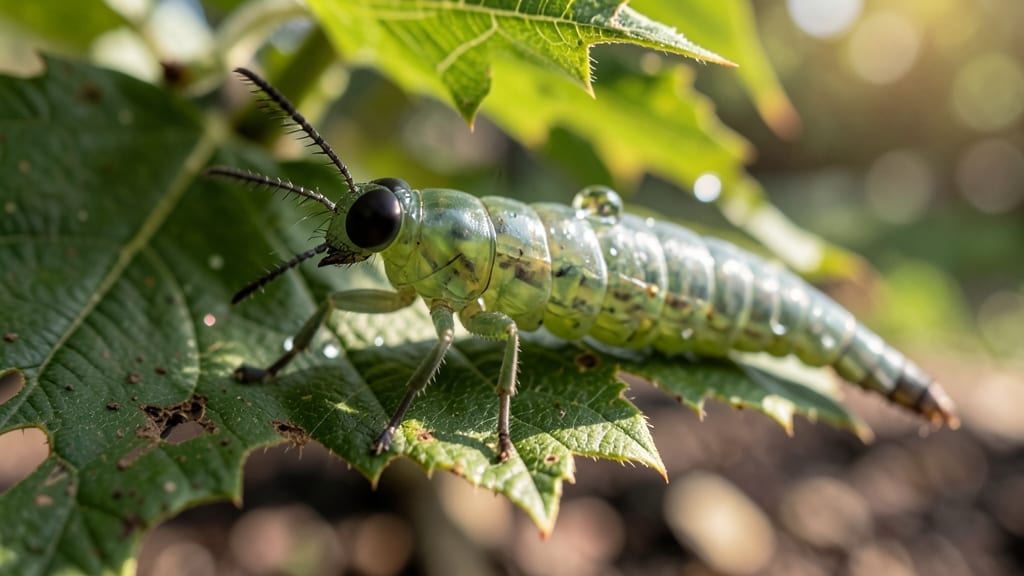
Tree insects identification by their damage is like reading a secret code left on your trees. 🌳 Those tiny holes, sticky spots, or chewed leaves tell a story—if you know what to look for. I’ve spent years tracking down pests from bark beetles to sawfly larvae, and the visual clues are your best early warning system. Start with the leaves: yellowing, holes, or webbing often mean caterpillars or mites. Look closer—eggs or frass (insect poop) give away the culprit. Sap oozing from bark? That’s likely a beetle or scale insect at work. The key is catching these clues before the damage spreads. You’ll learn to spot the most common pests by their telltale signs—no magnifying glass required. Once you recognize the patterns, you can act fast with targeted solutions or know when to call in an arborist. Prevention starts with knowing your enemy. This guide covers regional hotspots, seasonal activity, and what to do next. No more guessing—just clear, actionable steps to protect your trees before the damage gets worse.
Root Causes Behind Tree Insect Outbreaks
Tree insects don’t just appear out of nowhere—they’re drawn to specific conditions that make your trees look like an all-you-can-eat buffet. 🍃 Understanding why these pests strike helps you prevent future infestations before they become a full-blown crisis.
Here’s a breakdown of the most common triggers, explained in simple terms with actionable insights.
When trees are under stress, their natural pest-fighting abilities weaken, making them prime targets for insects. Think of it like a human getting sick after a rough week—your immune system is down, and opportunistic bugs take advantage.
- Drought or Overwatering: Too little or too much water disrupts a tree’s ability to produce resins and defensive chemicals. Example: Oak trees under drought stress are more vulnerable to gypsy moth larvae, which feast on weakened foliage.
- Poor Soil Nutrition: Trees lacking essential nutrients (like nitrogen or potassium) grow slowly and produce thin, weak leaves—perfect hiding spots for insects like aphids or spider mites.
- Extreme Weather: Heatwaves or late frosts shock trees, leaving them vulnerable. Pro Tip: Mulch around the base to regulate soil temperature and retain moisture.
Just like a crowded apartment building attracts pests, dense or diseased tree canopies become breeding grounds for insects. Poor airflow and trapped moisture create the perfect storm.
- Thick Foliage: Trees with heavy canopies (like maples or elms) trap humidity, encouraging fungal growth and attracting sap-sucking insects like scale or mealybugs.
- Dead or Diseased Branches: Branches with cankers, holes, or fungal spots (e.g., Nectria on dogwoods) attract wood-boring beetles, which lay eggs in the damaged tissue.
- Lack of Pruning: Overgrown branches block sunlight, leading to weak, shaded areas where pests like sawfly larvae thrive. Action Step: Prune in late winter to improve airflow and light penetration.
Some insects are simply drawn to specific tree species, like a bee to honey. Others time their life cycles to coincide with a tree’s most vulnerable stages.
- Species-Specific Attraction:
Insect Favorite Trees Why? Japanese Beetles Rose, Linden, Birch They target trees with high sugar content in leaves and flowers. Emerald Ash Borer Ash Trees Larvae feed under bark, which ash trees can’t easily seal off. Aphids New Growth (Maple, Willow) Tender, nutrient-rich leaves are aphids’ favorite snack. - Seasonal Timing: Many insects (like tent caterpillars) emerge in spring when trees are flush with fresh leaves—easy to digest and packed with nutrients.
- Mating and Egg-Laying Triggers: Some pests, like bark beetles, are attracted to stressed trees because the tree’s defensive resins are weaker, making it easier for females to bore into the bark.
Sometimes, the problem isn’t the tree—it’s the environment we create around it. Poor landscaping or human habits can accidentally invite pests.
- Firewood or Wood Debris: Stacking untreated firewood near trees can introduce bark beetles or carpenter ants, which may spread to healthy trees.
- Landscaping Choices: Planting insect-attracting ornamentals (like wisteria or lilacs) next to your trees can draw pests that spill over. Example: Japanese beetles may start on your roses and then move to nearby oaks.
- Improper Pruning Tools: Using contaminated saws or pruners can spread fungal spores or insect eggs between trees. Always sterilize tools with rubbing alcohol between cuts!
💡 Quick Fix: If you suspect environmental stress is the culprit, start with a soil test and adjust watering practices. For overcrowded canopies, consult an arborist to map out a pruning plan. And if you’re dealing with species-specific pests, research disease-resistant tree varieties for future plantings.
Quick Fixes for Tree Pests
When you spot signs of tree insects—whether it’s chewed leaves, sawdust-like frass, or strange holes—acting fast can save your tree. Below, we break down practical solutions tailored to the most common culprits, from gentle fixes to stronger interventions. Prevention tips are sprinkled in to keep your trees healthy long-term.
Cause: Larvae tunnel beneath bark, disrupting nutrient flow. Fix:
- 🔥 Manual Removal (Early Stages): Use a screwdriver or ice pick to pry out larvae from entry holes. Dispose of them in soapy water to kill them. Seal holes with pruning sealant to prevent reinfestation.
- 🍳 Chemical Treatment (Moderate Infestation): Apply borer-specific insecticides (like permethrin or bifenthrin) directly into holes with a syringe or brush. Follow label instructions—safety first!
- 🌳 Tree Health Boost: Strengthen the tree by watering deeply during droughts and fertilizing with balanced, slow-release granules (look for NPK ratios like 10-10-10).
💡 Prevention Tip: Inspect trees twice a year (spring and fall) for D-shaped exit holes—a dead giveaway for borers. Avoid wounding bark during pruning, as fresh cuts attract them.
Cause: Caterpillars (tent caterpillars, gypsy moths) or beetles (Japanese beetles) devour foliage. Fix:
- 👨🍳 Physical Barriers (Organic Option): Row covers or fine mesh netting draped over young trees can block adult beetles. For caterpillars, handpick eggs (look for silken webs or clusters of tiny eggs on undersides of leaves).
- 🥘 Natural Sprays (Mild Cases): Mix 1 tsp. dish soap + 1 quart water in a spray bottle and apply to leaves early morning or evening (avoid direct sunlight to prevent leaf burn). Neem oil (1 tbsp per gallon of water) disrupts feeding and reproduction.
- 🔪 Chemical Control (Severe Damage): Use pyrethrin-based sprays (derived from chrysanthemums) or carbaryl for heavy infestations. Timing is key—target larvae when they’re young (before they pupate).
🎯 Pro Tip: Attract predators! Plant dill, fennel, or marigolds nearby to lure parasitic wasps and ladybugs, which feast on leaf chewers.
Cause: Aphids, scale, or mealybugs pierce leaves/stems, excreting honeydew (a sticky residue that attracts mold). Fix:
- 🌡️ Water Blast (Mealybugs/Scale): Use a strong hose spray to dislodge soft-bodied pests like mealybugs. For scale, scrape off clusters with a soft brush dipped in rubbing alcohol.
- 🛡️ Soap Spray (Aphids): Insecticidal soap (like Safer® Brand) works well for aphids. Spray undersides of leaves where they hide. Reapply every 5–7 days.
- 🔪 Systemic Treatment (Persistent Infestations): For heavily infested trees, use imidacloprid granules (watered into soil) or dinotefuran. Follow local regulations—some areas restrict systemic pesticides.
✨ Long-Term Defense: Introduce beneficial insects like ladybugs or lacewings (available at garden centers). Prune to improve airflow—crowded branches trap humidity, making trees more appealing to sap-suckers.
Cause: Termites or fungus gnats create mushroom-like growths (conks) on decaying wood. Fix:
- 🔪 Remove & Replace (Termites): If you see swarming termites or hollow-sounding wood, call a licensed pest control expert. Do NOT treat with over-the-counter sprays—termite colonies are deep underground.
- 🌳 Prune & Clean (Fungal Conks): Cut out mushroom-covered branches 2–3 inches below the base of the conk. Burn or bag infected wood (don’t compost!). Sterilize pruners with rubbing alcohol to prevent spread.
- 💪 Strengthen Tree Immunity: Mulch properly (2–4 inches of wood chips, not touching the trunk) and water deeply to reduce stress. Avoid over-fertilizing with nitrogen—it attracts fungus-loving pests.
💡 Prevention Tip: Inspect during rain—fungus thrives in damp conditions. Improve drainage around the base if water pools after storms.
Final Note: Always identify the pest first (use our visual guide!) before treating. Mistaken identity can lead to harming beneficial insects or even the tree itself. When in doubt, consult a local arborist—they’re your best ally for tree insect identification and tailored solutions!
Frequently asked questions
What’s the fastest way to tell if tiny holes in leaves mean caterpillars or beetles?
Look at the hole edges: ragged edges = caterpillars (they chew), while clean, round holes = beetles (they punch). Check the undersides of leaves too—caterpillars leave frass (poop), while beetles often leave behind their exoskeletons or small pellets.
Can I use a magnifying glass to identify tree insects, or are there apps that work better?
Both work! For beginners, try the iNaturalist or PictureThis apps—they let you upload photos for instant ID. If you prefer hands-on, a 10x magnifier helps spot egg clusters or larval stages, but apps often give faster results when you’re unsure.
Why do some insects only attack certain trees in my yard while leaving others alone?
It’s usually about tree species and stress levels. For example, emergald ash borers only target ash trees, while Japanese beetles prefer roses or lindens. Weakened trees (from drought or poor soil) attract more pests—healthy trees often repel them naturally.
What’s the difference between sawdust-like frass and actual wood shavings from borers?
Frass (insect poop) is fine, powdery and often greenish-brown, while borer shavings are wood-colored and stringy. Look near exit holes: frass piles = beetle larvae; shavings = wood-boring pests like carpenter ants.
Should I treat a tree if the insects aren’t killing it yet?
Yes, if you see active damage (new holes, fresh frass, or wilting leaves). Early action prevents spread. For minor cases, try neem oil or hose blasts—waiting often means the infestation gets worse before you realize it.