
Pruning
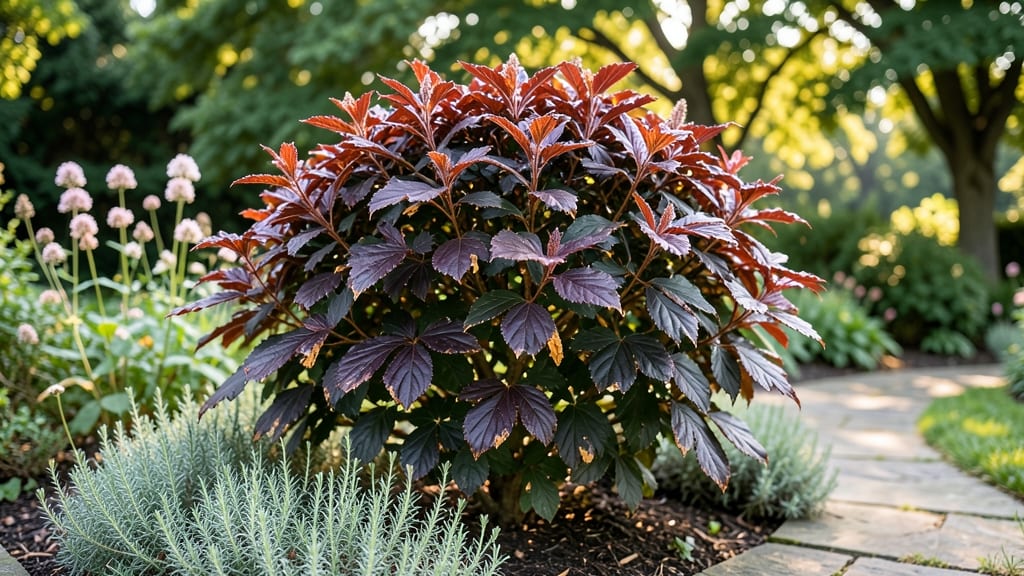
Growing a tree form ninebark means year-round privacy with almost no pruning work. 🌿 This versatile shrub gives you lush foliage, delicate spring blooms, and fiery fall colors—all while staying neatly upright with minimal effort.
The secret lies in planting it right and shaping it early, which I’ll show you how to do in just a few simple steps.
Start with well-draining soil and full sun to partial shade, spacing plants 6-8 feet apart for that full, natural look. Ninebark thrives in zones 3-8, making it perfect for northern and mountain gardens where other shrubs struggle.
The first year is all about establishing roots, so keep the soil consistently moist but never soggy—think of it like giving your plant a good drink every week or so.
By winter, you’ll have a dense, evergreen-like screen that blocks noise and wind while adding texture to your landscape. The peeling bark adds winter interest, and the new growth in spring pops with vibrant red or gold hues.
Even better? It handles drought once established, so once it’s happy, you’ll barely need to think about it again.
Whether you’re lining a driveway, screening a noisy street, or adding height to a foundation planting, tree form ninebark delivers low-maintenance beauty with almost no trade-offs. Let’s get yours planted so you can enjoy the results all year long.
📚 In This Guide
- What you need
- Instructions
- Tips and common mistakes
- Wrapping up and next steps
What you need
- ● Tree-form ninebark plants – 3–5 mature plants (spaced 6–8 feet apart for a dense screen)
- ● High-quality potting soil or native soil mix – 1–2 bags (amended with compost for better drainage)
- ● Organic mulch – 2–3 cubic feet (pine bark or shredded wood chips to retain moisture)
- ● Slow-release fertilizer – 10-10-10 or 12-12-12 blend (follow package rates)
- ● Watering can or hose with a gentle spray nozzle (for post-planting hydration)
- ● Pruning shears – Bypass-type (for clean cuts on small stems)
- ● Loppers – 8–10 inch blades (for thicker branches)
- ● Hand pruners – Sharp, bypass-style (for precision trimming)
- ● Gloves – Heavy-duty gardening gloves (to protect from thorns)
- ● Disinfectant spray – 70% isopropyl alcohol (to sterilize tools between cuts)
- ○ Optional: Hedge trimmer (for shaping large screens)
- ● Stake & twine (to support young plants if needed)
- ● A sunny to partially shaded location (6+ hours of sunlight for best growth)
- ● Well-draining soil (ninebark hates soggy roots! Amend clay soil with compost)
- ● Patience! – Tree-form ninebark grows 12–24 inches per year (full privacy in 3–5 years)
- ○ Optional: A pruning guide or sketch of your desired shape (helps visualize the final look!)
How to grow tree form ninebark for a low-maintenance privacy screen
This hardy shrub delivers lush foliage and vibrant fall color with almost no fuss—here’s how to shape it properly.
🌱 Step 1: Select and Plant Your Ninebark
Choose a tree form ninebark (like 'Columnare' or 'Diablo') for a tall, narrow silhouette that grows 6-10 feet tall with minimal branching. Plant in full sun to partial shade—morning sun and afternoon shade works best in hot climates. The root ball should sit no deeper than it was in the nursery pot to prevent rot.
Dig a hole twice as wide as the root ball but only as deep. Amend the native soil with 2-3 inches of compost mixed into the bottom of the hole—this encourages strong root growth without smothering roots. Water deeply before planting to settle the soil around roots.
☀️ Step 2: Water and Mulch for the First Year
Keep the soil consistently moist for the first 6-12 months—water 1-2 inches per week during dry spells. Ninebark tolerates drought once established, but young plants need steady moisture to develop a strong root system. You’ll know it’s getting enough water when the top 2 inches of soil feel damp but not soggy.
Spread 3 inches of mulch (wood chips or shredded bark) around the base, keeping it 6 inches away from the trunk. This conserves moisture, regulates soil temperature, and suppresses weeds. Refresh the mulch annually—never let it pile against the stem, as this invites rot.
✂️ Step 3: Prune Only When Necessary
Ninebark is one of the easiest shrubs to prune because it regrows quickly and handles cuts well. The only time to prune is in late winter or early spring before new growth begins. Remove dead, crossing, or crowded branches first—cut back to the nearest outward-facing bud to encourage bushier growth.
For shaping, you can lightly trim the outer branches to maintain a clean, vertical form. Avoid heavy pruning—this shrub thrives on neglect. If you see leggy growth, it’s a sign of too little light, not poor pruning.
🌿 Step 4: Fertilize Sparingly for Best Results
Ninebark grows well in average soil and rarely needs fertilizer. If your plant looks weak or pale after the first year, apply a balanced, slow-release fertilizer (10-10-10) in early spring. Use only half the recommended dose—over-fertilizing leads to weak stems and excessive foliage at the expense of flowers and fall color.
Work the fertilizer into the top 2 inches of soil around the drip line (the edge of the plant’s canopy). Water deeply after applying to help roots absorb nutrients. Skip fertilizer in fall or winter—this encourages tender new growth that won’t survive cold snaps.
⏰ Step 5: Monitor for Pests and Diseases
Ninebark is highly resistant to pests and diseases, but watch for spider mites in hot, dry weather. You’ll spot them as tiny webs on the undersides of leaves. Treat infestations with a strong spray of water or an insecticidal soap—avoid harsh chemicals, as they can harm beneficial insects.
If leaves turn yellow or drop prematurely, it’s often a sign of overwatering or poor drainage. Ninebark prefers well-draining soil—if your area gets heavy rain, ensure the planting site has slightly elevated soil or a swale to divert excess water away from the roots.
Tips & tricks for perfect tree form ninebark planting
Here’s what nobody tells you about getting your ninebark off to the right start—these little details make all the difference.
Site Selection Secret: While tree form ninebark thrives in full sun to partial shade, I’ve found the sweet spot is actually morning sun with afternoon shade in hotter climates. This prevents leaf scorch while still giving enough light for that vibrant foliage. If you’re planting in a windy area, position it where it gets some natural windbreak from neighboring plants or structures.
Planting Depth Matters: That root ball depth warning isn’t just theory—planting too deep (even just an inch deeper than the nursery pot) can suffocate your ninebark’s roots and lead to rot. I always check by making sure the top of the root ball sits just slightly above ground level. After planting, I press the soil gently around the edges to eliminate air pockets without compacting too much.
Watering Wisdom: The 6-12 month moist-soil period is critical, but don’t just water on a schedule. Stick your finger 2 inches deep into the soil—if it feels dry at that depth, that’s your cue to water. I’ve seen many people overwater because they assume "consistently moist" means soggy. Remember, ninebark roots need oxygen too!
Mulch Placement Pro Tip: That 3-inch mulch ring should stay 6 inches away from the trunk—this prevents moisture buildup that can cause stem rot. I like to create a slight mound of mulch around the outer edge of the planting area to help direct water away from the base. And refresh that mulch every spring—old, broken-down mulch loses its moisture-retaining power.
Pro Tips for Tree Form Ninebark
- Here’s what nobody tells you about getting your ninebark off to the right start—these little details make all the difference.
- Site Selection Secret: While tree form ninebark thrives in full sun to partial shade, I’ve found the sweet spot is actually morning sun with afternoon shade in hotter climates.
- Planting Depth Matters: That root ball depth warning isn’t just theory—planting too deep (even just an inch deeper than the nursery pot) can suffocate your ninebark’s roots and lead to rot.
Frequently asked questions
Got questions about growing tree-form ninebark? We’ve got answers!
Whether you’re planning a privacy screen or troubleshooting an existing plant, these FAQs will help you navigate common concerns with ease.
What’s the best time to plant tree-form ninebark for a fast-growing privacy screen?
Plant tree-form ninebark in early spring or fall for the best results. This gives roots time to establish before extreme summer heat or winter cold. Avoid planting in mid-summer—the shock of transplanting can stress the plant in hot, dry conditions. If you’re in a mild climate, fall planting (4–6 weeks before frost) is ideal!
How much pruning does tree-form ninebark really need to stay tidy?
One of the biggest perks of tree-form ninebark is its minimal pruning needs! Prune just once a year in late winter or early spring to remove dead, crossing, or overly long branches. Lightly shape the canopy to encourage a fuller look, but avoid heavy cuts—this plant thrives on natural growth. Pro tip: Use clean, sharp pruners to prevent tearing the bark.
Is tree-form ninebark drought-tolerant once established?
Yes! Once established (after 1–2 years), tree-form ninebark is highly drought-tolerant and handles dry spells like a champ. However, young plants need regular watering (about 1 inch per week) to help roots grow deep. Mulch around the base to retain moisture and reduce weeds. Bonus: It’s also deer-resistant, making it a low-maintenance choice for many landscapes.
Can I grow tree-form ninebark in full shade, or does it need sun?
Tree-form ninebark prefers full sun to partial shade (6+ hours of sunlight daily) for the best growth and vibrant foliage. In full shade, it may grow slower and produce fewer flowers, but it can still survive. If planting in shady spots, choose a moist, well-draining location and monitor growth closely. Remember: More sun = more lush, colorful stems!
Why are the leaves on my ninebark turning yellow or brown?
Yellow or brown leaves can signal a few issues:
- Overwatering or poor drainage → Let the soil dry slightly between waterings.
- Underwatering or drought stress → Deep water the plant and mulch to retain moisture.
- Fungal disease (like powdery mildew) → Improve airflow, avoid overhead watering, and prune for better circulation.
- Nutrient deficiency → Apply a balanced fertilizer in early spring.
Check the soil moisture and leaf texture to diagnose the issue—most problems fix quickly with adjustments!
Wrapping up and next steps
Transforming your yard into a lush, low-maintenance privacy screen is easier than you think with tree form ninebark! 🌿 This versatile shrub offers year-round beauty, resilience, and minimal pruning needs—making it the perfect choice for both beginners and seasoned gardeners.
Whether you're looking to enhance curb appeal or create a natural barrier, its adaptability and striking foliage will deliver stunning results with just a little care.
Ready to take the next step? Start by selecting the right variety for your climate and soil, then grab your pruning tools and dive in! Your future privacy haven awaits—happy planting! 🌱