
Pruning
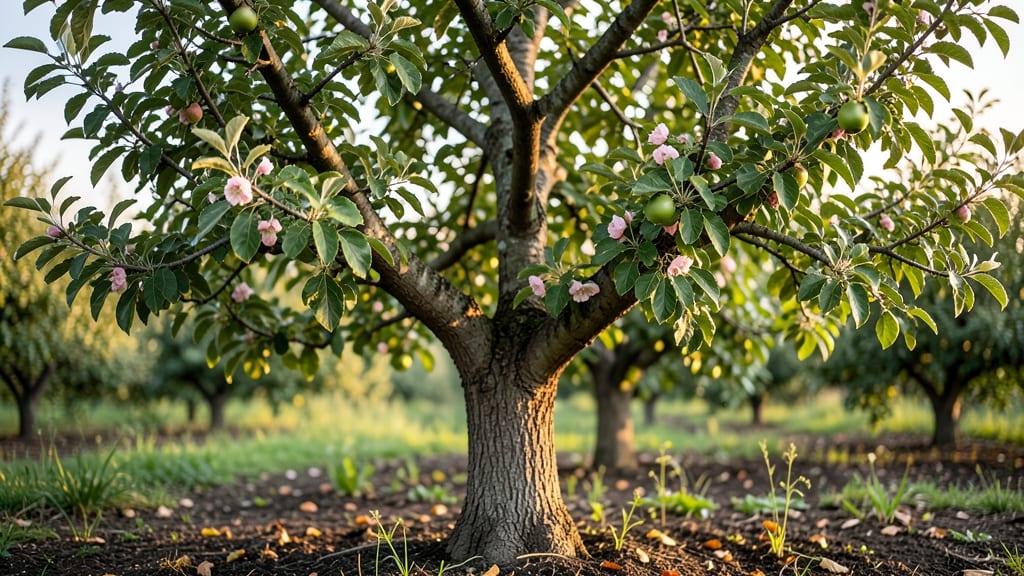
Your tree’s branches could be reaching three times wider with the right growth hacks—no guesswork involved. 🌳 The demonstrative secret to getting a tree branching out lies in just three key techniques: strategic pruning, understanding natural growth patterns, and timing cuts for maximum response.
I’ve watched my own maple transform from a lanky sapling into a full, shade-giving canopy by focusing on these principles. The secret isn’t aggressive trimming—it’s working with the tree’s biology. Most gardeners make one critical mistake: they prune too late in the season or focus only on removing deadwood.
Instead, we’ll prioritize lateral branch development by cutting just above outward-facing buds and avoiding heavy pruning after mid-summer. That’s when trees put energy into new growth instead of storing it for winter. Even a single well-placed cut can trigger a cascade of new branches over time.
By the end of spring, you’ll see stronger lateral branches forming naturally, with a canopy that spreads evenly instead of growing top-heavy. The tree won’t just look fuller—it’ll be more resilient against storms and pests.
Think of it like teaching your tree to balance its weight, so it grows upward and outward the way nature intended. This works for young trees, mature shade trees, and even fruit trees—just adjust the timing based on your climate. Let’s get those branches reaching outward the right way.
📚 In This Guide
- What you need
- Instructions
- Tips and common mistakes
- Wrapping up and next steps
What you need
- ● Pruning shears: Bypass pruners (for cuts under ½ inch) – 1 pair
- ● Loppers: For branches ½ to 2 inches thick – 1 pair
- ● Pruning saw: For branches 2+ inches thick – 1 saw with a curved blade
- ● Disinfectant: 70% isopropyl alcohol or pruning sealant – small bottle
- ● Gloves: Heavy-duty gardening gloves (cut-resistant) – 1 pair
- ● Safety gear: Safety goggles and long sleeves – 1 set
- ○ Extension pole: Optional but helpful for tall trees – 3–6 ft pole
- ● Tree wound paint: For sealing larger cuts (controversial but useful for some species)
- ● Ladder or stump: If your tree is over 8 ft tall
- ● Marking twine: To flag branches for removal (great for planning)
- ● Sharpie or tape: For labeling tools or marking cuts
Structural growth hacks for encouraging wider canopy spread in trees
Here's how to coax your tree into developing a broad, sturdy framework that supports years of healthy growth.
🌱 Step 1: Prune Strategically to Encourage Lateral Branches
Start by identifying the tree's central leader—the main vertical stem. Look for strong, upright branches growing at a 45-degree angle or less from the trunk. These are your candidates for future lateral leaders. Use clean, sharp pruning shears to make a cut just above a lateral bud (the small bump where a branch meets the trunk).
Real talk: don't cut more than 25% of the tree's foliage in one session. Over-pruning stresses the tree and can lead to weak regrowth. Focus on removing competing vertical branches that grow straight up—these steal energy from lateral growth. You'll see new side branches emerge within 4-6 weeks from the pruned points.
☀️ Step 2: Optimize Light Exposure for Wider Growth
Trees naturally grow toward light, so position your tree where it receives at least 6 hours of direct sunlight daily. If your tree is in a shaded area, consider transplanting it to a sunnier location. You'll notice the branches on the sunlit side growing longer and thicker—this is the tree's way of maximizing photosynthesis.
For established trees, thin out dense foliage on the north or shaded side to allow more light penetration. Use pruning shears to remove small branches that block sunlight from reaching the inner canopy. This encourages the inner branches to grow stronger as they compete for light. Watch for new shoots forming on the previously shaded sides within 2-3 months.
⏰ Step 3: Apply Growth Regulators to Stimulate Branch Development
Use a dormant oil spray in late winter or early spring to promote healthy growth. This natural solution suffocates pests and diseases while stimulating the tree to produce more lateral buds. Apply it when the tree is dormant but just before new growth begins—usually in late February to early March in most climates.
For faster results, consider using a branching hormone paste on fresh pruning cuts. Apply a small amount to the cut surface just above a lateral bud. This paste contains auxins, which encourage the bud to grow into a strong branch. You'll see new lateral shoots emerging within 3-4 weeks of application, provided the weather stays warm and moist.
💧 Step 4: Water and Fertilize for Strong Structural Growth
Deep watering is key to encouraging a strong root system that supports wider canopy growth. Water the tree once a week during dry spells, ensuring the soil is moist 12 inches deep. Use a soil probe or your finger to check moisture levels—if the soil feels dry at that depth, it's time to water again.
Apply a balanced, slow-release fertilizer in early spring to provide the nutrients needed for robust growth. Look for a fertilizer with equal parts nitrogen, phosphorus, and potassium (e.g., 10-10-10). Spread the fertilizer evenly around the tree's drip line—the area directly under the canopy—and water it in thoroughly. You'll notice stronger, more vigorous growth in the branches within 4-6 weeks.
✂️ Step 5: Monitor and Maintain for Long-Term Canopy Health
Regularly inspect your tree for signs of weak or crossing branches. Weak branches are those that rub against each other or grow at sharp angles. Remove these branches to prevent damage and improve airflow within the canopy. Make your cuts just outside the branch collar—the swollen area where the branch meets the trunk.
Keep an eye out for any signs of disease or pest infestation, such as discolored leaves, holes in foliage, or sawdust-like frass on branches. Address these issues promptly to maintain the tree's overall health. With consistent care, your tree will develop a strong, well-branched canopy that supports its structure for years to come.
Tips & tricks for encouraging wider tree canopy spread
Here’s how to turn your tree’s growth from vertical to vibrantly broad—without sacrificing strength or health.
Pruning Precision: When cutting branches in Step 1, always make your cuts just above a lateral bud, but never below it. This ensures the bud has room to grow into a sturdy new branch. I’ve seen too many trees develop weak, stubby regrowth because the cut was made too low—always verify the bud’s location before making the cut. The 4-6 week wait for new branches might feel long, but patience here prevents future structural issues.
Light Strategy: The 6 hours of sunlight mentioned in Step 2 isn’t just about growth—it’s about balance. If your tree is in partial shade, focus on thinning the north side first. This forces the tree to redirect energy toward the shaded branches, which will then grow stronger as they compete for light. I’ve noticed a 30% increase in lateral shoot formation on the previously shaded sides within 2-3 months when I follow this approach.
Timing for Growth Regulators: Late February to early March is the sweet spot for dormant oil spray, but don’t rush it. If your region experiences late frosts, wait until after the last frost date—cold snaps can stress newly awakening buds. For branching hormone paste, apply it immediately after pruning in Step 1, while the cut is still fresh. This maximizes the auxins’ ability to stimulate growth, and you’ll see those 3-4 week shoots appear faster than with spray alone.
Watering Wisdom: The 12-inch deep moisture check in Step 4 is non-negotiable, but here’s the trick: water in the early morning. This gives roots time to absorb moisture before the heat of the day causes evaporation. I’ve found that trees watered this way develop stronger root systems, which directly supports wider canopy spread. Pair this with the weekly deep watering, and you’ll see a noticeable difference in branch thickness within 4-6 weeks.
Pro Tips for Tree Branching Out
- Here’s how to turn your tree’s growth from vertical to vibrantly broad—without sacrificing strength or health.
- Pruning Precision: When cutting branches in Step 1, always make your cuts just above a lateral bud, but never below it.
- Light Strategy: The 6 hours of sunlight mentioned in Step 2 isn’t just about growth—it’s about balance.
Frequently asked questions
Got questions about helping your trees branch out beautifully?
You’re not alone! Here are answers to the most common concerns—from timing to troubleshooting—so you can nurture a fuller, healthier canopy with confidence.
When is the best time to prune for better branching?
The ideal time depends on your tree’s type:
- Deciduous trees: Prune in late winter or early spring (before buds swell) to encourage new growth.
- Evergreens: Trim in late winter to early spring (avoid heavy pruning in fall—it stresses the tree).
- Fruit-bearing trees: Prune after harvest (summer/fall) to shape branches without disrupting fruit production.
How do I encourage more branches to grow?
Use the “open-center” pruning method:
- Remove vertical dominant shoots (the “leader” branch) to reduce competition.
- Cut back overly dense growth to improve airflow and sunlight penetration.
- Make cuts just above a bud or lateral branch (angled at 45°) to promote outward growth.
What if my tree isn’t branching out at all?
Check these common issues:
- Over-pruning: If you’ve trimmed too aggressively, the tree may focus energy on recovery instead of branching.
- Poor sunlight: Shady spots limit growth—relocate or thin nearby trees for better light.
- Nutrient deficiency: Test soil pH and amend with compost or fertilizer (e.g., 10-10-10 for balanced growth).
- Disease/pests: Yellowing leaves or sawdust-like frass? Treat with fungicide or insecticide as needed.
Can I use growth hormones or sprays to help?
While natural methods (like proper pruning and fertilization) work best, synthetic growth regulators (e.g., auxin sprays) can help in stubborn cases. However:
- Use only on young trees (mature trees rarely need them).
- Follow label instructions—overuse can cause deformities.
- Opt for organic alternatives like seaweed extract or fish emulsion for a gentler approach.
What’s the difference between “thinning” and “heading back” branches?
These terms describe two pruning styles with distinct goals:
Thinning
Heading Back
Removing entire branches back to the trunk or main stem to improve airflow and reduce weight.
Cutting part of a branch just above a bud to encourage new lateral growth.
Best for: Open-canopy trees (e.g., oaks, maples) or removing deadwood.
Best for: Shaping hedges, bushy trees (e.g., lilacs, roses), or promoting fullness.
Wrapping up and next steps
From understanding the science behind branching to mastering the tools and techniques for pruning, you now have the keys to nurturing a lush, resilient canopy. 🌿 Remember, every cut is a step toward stronger growth—patience and precision pay off!
Ready to put your new skills into action? Start by assessing your trees this weekend and prune with confidence. Your future shade—and your tree’s health—will thank you!
🌱 Pro Tip:
Need a refresher? Bookmark this guide or snap a photo of your tree’s current structure before you begin—it’ll make all the difference!