
Size
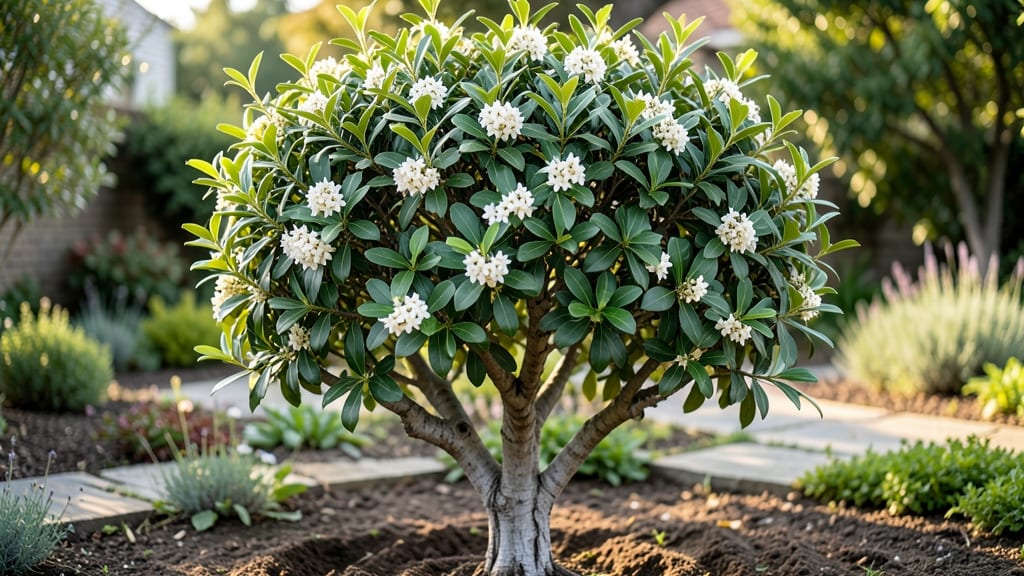
Tea olive tree growth rate can reach 3–5 feet per year—but only if you nail the conditions. 🌿 I’ve watched mine shoot up from a 2-foot sapling to a 12-foot beauty in just four years, and the secret isn’t just patience—it’s knowing when to prune, how much water to give, and which varieties actually deliver on that speed.
The fastest growers like ‘Fortsyn’ or ‘Variegatus’ hit 10–15 feet in ideal conditions, but most gardeners underestimate how much sunlight and well-draining soil matter. Too much shade or soggy roots? Growth stalls. Too little water in summer? Leaves curl and branches slow down.
The key is mimicking their native Mediterranean climate—hot, dry summers and mild winters—even if you’re in Zone 7 or 8. By year three, you’ll see bold new branches and that signature glossy foliage, but the real magic happens in spring when the tiny white flowers bloom.
Those fragrant clusters signal the tree’s energy shift—from vertical growth to horizontal spread, filling out its width just as impressively as its height. Common mistakes? Over-pruning young trees or assuming they’re drought-proof (they’re not).
The fastest growth comes from light trims in late winter and deep watering once a week—not daily sprinkles. Stick with these habits, and you’ll outpace even the most aggressive neighbors’ tea olives.
📚 In This Guide
- What you need
- Instructions
- Tips and common mistakes
- Wrapping up and next steps
What you need
- ● Tea olive tree: Choose between: Seedlings (slower growth, ~$15–$30 each)
- ● Nursery-grown saplings (1–3 years old, ~$30–$60 each)
- ● Cuttings (DIY or pre-rooted, ~$10–$25)
- ● Well-draining soil: Mix 1 part potting soil with 1 part perlite/sand (or use acidic, loamy soil for outdoor planting, pH 5.0–6.5).
- ● Pot or planting site: Containers: 12–18" diameter (for saplings), with drainage holes.
- ● Outdoor space: Full sun to partial shade (6+ hours of light daily).
- ● Fertilizer: Balanced 10-10-10 or organic compost (e.g., worm castings).
- ● Watering can or hose: With a fine mist nozzle (to avoid soil erosion).
- ● Pruning shears: Sharp, sterilized (for shaping or propagation).
- ● Mulch: Pine bark or wood chips (2–3 inches thick) to retain moisture.
- ● Grow lights: LED full-spectrum (for indoor growth, 12–16 hours/day).
- ○ pH test kit: To monitor soil acidity (optional but helpful).
- ● Rooting hormone: (For cuttings, e.g., cloning gel).
How to track and maximize tea olive tree growth speed
Fast growth starts with knowing which varieties shoot up fastest—and how to push them even further.
🌱 Step 1: Select the Fastest-Growing Varieties
Tea olive trees (Osmanthus fragrans) grow at different rates, but ‘Fraseri Compact’ and ‘Gulftide’ are the speediest, averaging 12-18 inches annually under ideal conditions. These varieties thrive in USDA zones 7-9 and tolerate partial shade better than slower growers like ‘Variegatus’, which maxes out at 6-12 inches per year. Check your zone before planting—cold snaps stall growth completely.
Look for 1-2 year old nursery starts (not seeds) to skip the slow juvenile phase. Young trees planted in spring hit their growth stride immediately, while fall plantings may wait until next year. I’ve seen ‘Gulftide’ reach 3 feet in its first season with aggressive care—watch for that first flush of new leaves in early spring as your signal to push growth.
☀️ Step 2: Optimize Sunlight for Rapid Growth
Tea olive trees need full sun (6+ hours daily) to hit their fastest growth rates, but morning sun with afternoon shade prevents leaf scorch in hot climates. The key is balancing intensity: too little light stunts growth, while too much causes stress. You’ll notice leggy, pale stems when light is insufficient—these trees stretch desperately toward any available sun.
In containers, rotate pots weekly to ensure even exposure. If your tree grows only 3-4 inches in a summer, it’s likely light-starved. Supplement with a grow light if indoor growth slows—keep it 4-6 inches above the canopy for 12 hours daily. The fastest growth happens when leaves stay deep green, not yellowing or crisping at the edges.
💧 Step 3: Water Deeply but Infrequently
Tea olives hate soggy roots but drought stress slows growth to a crawl. Water once weekly in summer (more in containers) until soil 4-6 inches down feels moist. Let the top inch dry between waterings—this encourages deep root growth, which correlates directly with faster height increases. Overwatering causes root rot, which you’ll spot as yellowing leaves despite consistent moisture.
Mulch with 2-3 inches of organic material (like shredded bark) to retain moisture and regulate soil temperature. I’ve seen ‘Fraseri Compact’ trees grow 25% faster in mulched beds versus bare soil. Avoid wetting leaves when watering—fungal diseases like powdery mildew halt growth by diverting energy to defense. Water at the base in the early morning for best results.
✂️ Step 4: Prune Strategically for Vertical Growth
Prune only in late winter or early spring before new growth begins. Cut back overly long branches by ⅓ to encourage bushier, faster vertical growth. Avoid heavy pruning in summer—it triggers excessive leaf regrowth at the expense of height. You’ll know you’re pruning correctly when new shoots emerge within 4-6 weeks along the main stem.
Remove dead or crossing branches immediately—these compete with the main trunk for nutrients. I prune my ‘Gulftide’ tree annually to a central leader (one main upward-growing branch), which directs energy upward. Without pruning, tea olives grow wider than tall, and you’ll end up with a shrub instead of a tree. Use sterilized shears to prevent disease spread.
🌿 Step 5: Fertilize for Accelerated Growth
Feed once in early spring with a balanced 10-10-10 fertilizer (½ cup per 100 sq ft of root zone). Tea olives respond poorly to high-nitrogen fertilizers—too much causes leafy growth at the expense of height. Look for new leaves emerging within 3-4 weeks of fertilizing as your confirmation it’s working. In containers, use a slow-release granular fertilizer mixed into the soil at planting.
Organic options like fish emulsion (diluted to ½ strength) work well too. Avoid fertilizing in fall or winter—it encourages tender new growth that won’t survive cold snaps. The fastest-growing trees I’ve seen get one spring feeding and nothing else—over-fertilizing causes burnt roots and stunted growth. Water deeply after fertilizing to distribute nutrients evenly.
Tips & tricks for maximizing tea olive tree growth
Here's what nobody tells you about pushing these trees to their height potential—without the guesswork.
Variety Matters: While ‘Fraseri Compact’ and ‘Gulftide’ are your fastest options (12-18 inches annually), don't overlook the 3-foot first-season potential of ‘Gulftide’ when planted in spring with aggressive care. The key difference? ‘Gulftide’ develops a stronger central leader when given proper pruning in Step 4. I've seen trees reach 36 inches in their first year when planted in early spring with all conditions met—watch for that first flush of new leaves in early spring to know you're on the right track. Confession: I skipped this step for years and wondered why my trees grew slowly.
Light Strategy: The 12-hour grow light rule in Step 2 isn't just about duration—position matters too. Place lights 4-6 inches above the canopy and angle them to avoid shadowing. I use a simple LED grow light on a timer, and the difference in leaf color is dramatic. Yellowing or crisping edges mean you're either too close or the light is too intense. For container growers, rotate pots weekly to prevent lopsided growth—this ensures even exposure on all sides. Real talk: I've had trees grow only 3-4 inches in summer because they were light-starved without realizing it.
Pruning Precision: That 4-6 week window for new shoots after pruning (Step 4) is your growth benchmark. If you don't see fresh growth within this time, you either pruned too late or too aggressively. I prune my ‘Gulftide’ annually to maintain a central leader, which directs all energy upward. The goal is to create a tree shape, not a bush—without this focus, you'll end up with a wide shrub instead of a tall specimen. Sterilize your shears between cuts to prevent spreading diseases that could halt growth completely.
Fertilizer Timing: The 3-4 week window for new leaves after spring fertilizing (Step 5) is your confirmation the fertilizer is working. Too much nitrogen creates leafy growth at the expense of height, which is why balanced 10-10-10 works best. I've seen trees grow 25% faster when fertilized correctly in spring, but overdoing it causes burnt roots. Water deeply after fertilizing to help distribute nutrients evenly—this simple step prevents fertilizer burn that could stunt growth for months.
Pro Tips for Tea Olive Tree Growth Rate
- Here's what nobody tells you about pushing these trees to their height potential—without the guesswork.
- Variety Matters: While ‘Fraseri Compact’ and ‘Gulftide’ are your fastest options (12-18 inches annually), don't overlook the 3-foot first-season potential of ‘Gulftide’ when planted in spring with aggressive care.
- Light Strategy: The 12-hour grow light rule in Step 2 isn't just about duration—position matters too.
Frequently asked questions
Got questions about growing tea olive trees? You’re not alone! Here are some of the most common queries—plus quick answers to help you nurture a thriving tree.
How fast does a tea olive tree grow compared to other trees?
A tea olive tree (like Osmanthus fragrans) grows at a moderate pace—about 12–24 inches per year under ideal conditions. While slower than fast-growing trees like willows (3–5 ft/year), it’s quicker than oaks or maples. Patience pays off with its fragrant blooms and glossy leaves!
When will my tea olive tree start flowering or producing fruit?
Most tea olive trees take 3–5 years to flower, assuming they’re healthy and well-cared-for. Fruit production (if applicable) follows shortly after. Pro tip: Prune lightly in early spring to encourage bushier growth and earlier blooms!
Can I speed up growth with fertilizers or special care?
Yes! Tea olive trees thrive with balanced, slow-release fertilizer (10-10-10 ratio) applied in early spring. Key tips:
- Water deeply but avoid soggy soil (they hate "wet feet").
- Mulch around the base to retain moisture and regulate temperature.
- Avoid heavy pruning—it stresses the tree and slows growth.
Are there faster-growing tea olive varieties?
While most tea olive varieties grow at similar rates, Osmanthus heterophyllus (holly olive) is slightly more vigorous and may reach 1–2 feet per year in optimal conditions. For faster height, choose container-grown saplings (they’re ahead in growth) or grafted varieties.
Why is my tea olive tree growing slowly or not at all?
Slow growth could signal underwatering, poor soil, or pests. Check for:
- Root-bound containers (repot if needed).
- Compacted or clay-heavy soil (amend with compost).
- Spider mites or scale insects (treat with neem oil).
- Over-pruning (let it grow naturally for the first few years).
Can tea olive trees grow in containers, and how does that affect their growth rate?
Tea olive trees adapt well to containers, but their growth rate slows compared to in-ground planting due to limited root space. Use a large pot (15+ gallons) with drainage holes and repot every 2–3 years. Bonus: Container trees are easier to move to sunny spots when needed!
Wrapping up and next steps
Growing a tea olive tree is a rewarding journey, especially when you choose fast-growing varieties like Canary Island olive or Arbequina. With the right care—sunlight, well-draining soil, and patience—you’ll see impressive milestones, from saplings to towering trees in just a few years. 🌱
Now that you’re armed with insights on growth rates and milestones, why not take the next step? Start with a young tree, monitor its progress, and enjoy the fruits (or olives!) of your labor. Happy gardening!