
Pruning
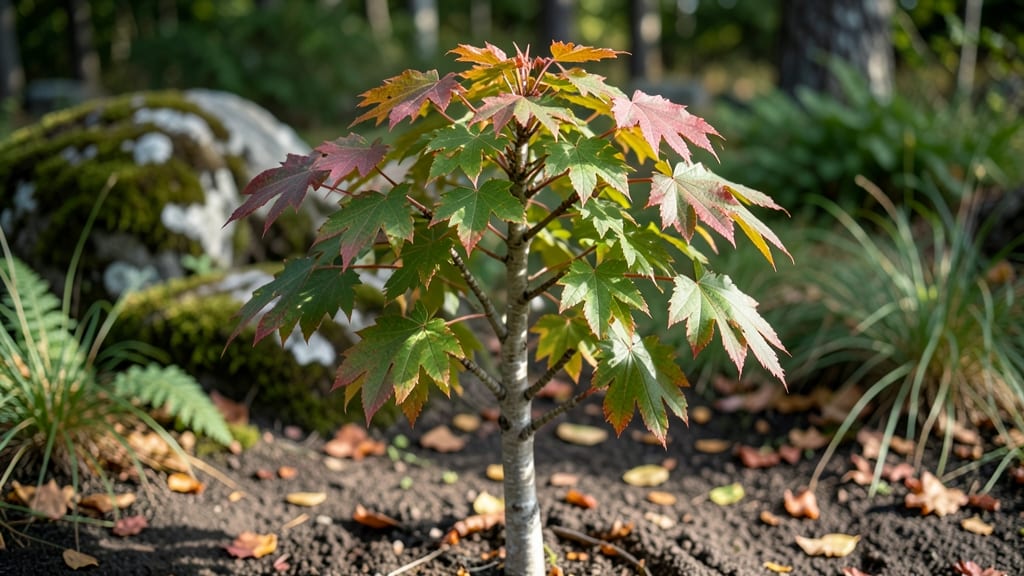
Your sugar maple tree sapling’s future depends on three cuts this year. ✂️ I’ve watched my own young maples transform from scraggly sticks into sturdy, healthy giants—all because of the right pruning timing and technique.
The key isn’t just trimming dead branches; it’s shaping the tree’s energy for decades of growth.
Start by removing water sprouts (those vertical shoots) and crossing branches—they steal nutrients and create weak spots. Use clean, sharp pruners to make cuts just outside the branch collar, and avoid over-pruning (never remove more than 25% of the foliage in one season).
The goal is to encourage a strong, balanced structure that can handle winter winds.
With proper pruning, your sapling will develop a vibrant green canopy by next spring and resist disease better than unpruned trees. The best part? These habits set your maple up for centuries of growth—some of my pruned saplings now produce sap for syrup, while neglected ones struggle with weak limbs.
Works for saplings in zones 3-8, whether you’re planting in a backyard, urban space, or woodland edge. Here’s how to do it right—no guesswork, just proven results.
📚 In This Guide
- What you need
- Instructions
- Tips and common mistakes
- Wrapping up and next steps
What you need
- ● Pruning shears: Sharp, bypass shears (for cuts up to ½ inch thick). Look for ergonomic handles for comfort.
- ● Loppers: 1 pair (for branches ½–1½ inches thick). Bypass or anvil style (bypass is gentler on saplings).
- ● Pruning saw: 1 small, curved-tooth saw (for branches >1½ inches). Avoid rust—stainless steel is ideal.
- ● Rubbing alcohol (70%+) or bleach solution: 1 small bottle or spray bottle (for sterilizing tools). Mix 1 part bleach to 9 parts water if using.
- ● Gloves: 1 pair of cut-resistant, breathable gloves (e.g., leather or heavy-duty fabric).
- ○ Disposable pruning bags or bucket: 1 (for collecting debris). Optional but helpful!
- ● Weather check: Prune on a dry, calm day (avoid rain or wind).
- ● Safety glasses: 1 pair (to protect from debris).
- ● Long sleeves/pants: Wear closed-toe shoes and protective clothing to avoid scratches.
- ● Tree ID confirmation: Verify your sapling is a sugar maple (Acer saccharum)—look for opposite branching and lobed leaves.
- ● First-aid kit: Basic kit with bandages (for minor cuts or sap irritation).
- ● Hose or spray bottle: For rinsing tools mid-prune (keeps sap from gumming up blades).
- ● Tree wound dressing: 1 tube (e.g., Tanglefoot Tree Wound Pruning Sealer). Use sparingly—only for large cuts!
- ● Notebook/pencil: To jot down notes on cuts made (helpful for tracking growth).
- ● Extension pole: For hard-to-reach branches (if your sapling is tall).
Step-by-Step pruning guide for sugar maple saplings
Healthy sugar maples start with precise pruning—here's the method I trust to shape strong, disease-resistant trees.
✂️ Step 1: Prune New Saplings in Late Winter or Early Spring
Timing matters most for young sugar maples. Wait until dormant season ends (just before buds swell) to prune—this prevents sap bleeding and encourages vigorous new growth. I always use clean, sharp pruning shears to make 1/4-inch cuts just above a bud or branch collar. Never leave stubs; they invite decay.
Remove any dead, diseased, or crossing branches first. These compete for nutrients and can harbor pests. Look for branches growing at sharp angles—these often break in storms. Thin the canopy by 20-25% max to avoid stressing the sapling.
☀️ Step 2: Summer Maintenance for Balanced Growth
Mid-summer is your second pruning window. Check for water sprouts (fast-growing vertical shoots) and suckers (shoots from the base)—remove them immediately. These saplings drain energy from root development. Use your fingers or small pruners for thin branches; thicker growth needs your shears.
Watch for epicormic branches (shoots growing from the trunk). While common in stressed trees, these indicate poor light exposure. If you see them, your sapling may need thinning elsewhere in the canopy. Prune these back to the trunk, but don't overdo it—you're shaping, not punishing.
✂️ Step 3: Fall Cleanup to Prevent Winter Damage
After leaves fall, do a final inspection. Remove any diseased leaves or branches—sugar maples are prone to fungal issues like anthracnose. Sterilize your tools with 70% rubbing alcohol between cuts to prevent spreading pathogens. Prune only what's necessary; heavy fall cuts stimulate late-season growth that won't harden off before winter.
Look for co-dominant stems (two main branches growing upward). These compete and often split during storms. Select the stronger branch and remove the weaker one at its base. Leave the branch collar intact—this protects the tree from decay.
⏰ Step 4: Year-Round Monitoring for Long-Term Health
Check your sapling monthly for signs of stress. Yellowing leaves often mean overwatering or poor drainage; brown edges suggest underwatering. Sugar maples thrive in well-draining soil with consistent moisture—never let them sit in soggy conditions. Mulch 2-3 inches deep around the base (but not touching the trunk) to retain moisture and regulate soil temperature.
If you notice aphids or scale insects (common on young maples), blast them off with water first. For heavy infestations, use neem oil—it's safe and effective. Healthy saplings rarely need pesticides, but early intervention prevents long-term damage. Prune out heavily infested branches immediately and dispose of them away from your garden.
Tips & tricks for perfect sugar maple sapling pruning
These practical insights will help you nurture resilient, disease-resistant young maples that thrive year after year.
Timing is Everything: The late winter/early spring window (just before buds swell) is your golden opportunity. I've seen saplings stressed from early pruning—waiting for that first sign of bud swelling ensures you're not triggering sap bleeding. Mark your calendar for this critical period each year. The 20-25% thinning guideline in Step 1 isn't arbitrary; it's the perfect balance between shaping and stressing your sapling.
Tool Technique Matters: Your pruning shears should be sharper than your focus. Dull blades crush stems, creating larger wounds that invite decay. Sterilize between cuts with 70% rubbing alcohol (as mentioned in Step 3) to prevent fungal spread. For branches thicker than your thumb, use three-cut technique: undercut, overcut, and twist to avoid tearing bark. This preserves the branch collar, which is crucial for healing.
Visual Cues for Healthy Growth: In Step 2, when checking for water sprouts, look for shoots growing straight up from the main branches or trunk—these are energy vampires. Healthy saplings should have branches growing at 45-degree angles or wider. For epicormic branches (Step 2), these vertical shoots from the trunk indicate stress—usually from too much shade. If you see them, it's time to thin other branches to improve light penetration.
Seasonal Strategy: Fall cleanup (Step 3) is your chance to prevent winter damage. The key is moderation—never remove more than 25% of the canopy in any season. Heavy fall pruning stimulates tender new growth that won't harden off before winter. Instead, focus on removing only the diseased branches and co-dominant stems. The branch collar you leave behind acts like a natural bandage, protecting the tree from decay during cold months.
Pro Tips for Sugar Maple Tree Sapling
- These practical insights will help you nurture resilient, disease-resistant young maples that thrive year after year.
- Timing is Everything: The late winter/early spring window (just before buds swell) is your golden opportunity.
- Tool Technique Matters: Your pruning shears should be sharper than your focus.
Frequently asked questions
about sugar maple sapling pruning—because even experts need a little clarity!When is the best time to prune a sugar maple sapling?
The ideal times are late winter or early spring (just before buds swell) or summer after leafing out. Avoid pruning in fall or winter when the tree is dormant—this can stress it. For saplings, focus on shaping in spring to encourage strong growth.
How much can I trim off a young sugar maple without harming it?
For saplings, remove no more than 20-25% of the canopy in a single session. Target dead, diseased, or crossing branches first. Over-pruning can stunt growth or invite pests. Think of it as giving your tree a light haircut, not a buzz cut!
What if my sapling bleeds sap after pruning?
Sap bleeding is normal, especially in early spring! It’s the tree’s way of healing. To minimize mess, prune on dry days and avoid heavy cuts. Seal larger wounds (over ½ inch) with pruning sealant to prevent decay. Think of it like bandaging a scraped knee—it helps the tree recover faster!
Can I use regular pruning shears, or do I need special tools?
Start with bypass pruners for small branches (under ½ inch). For thicker stems (½–1 inch), use loppers. Avoid anvil pruners—they crush branches, which can damage the tree. Invest in sharp tools to make clean cuts that heal better.
What should I do if my sapling’s leaves turn yellow after pruning?
Yellowing leaves can signal stress or nutrient loss. If it’s mild, monitor the tree—it may recover. For severe cases, check for over-pruning, pests, or disease. Water deeply and apply a balanced fertilizer (like 10-10-10) in early spring. Patience is key—your sapling’s bounce-back is stronger than you think!
Wrapping up and next steps
Growing a thriving sugar maple sapling is a rewarding journey that combines patience, care, and a little know-how! By mastering the art of year-round pruning, you’ll set the stage for a strong, healthy tree that may one day grace your landscape—or even yield delicious syrup.
Remember, every snip is a step toward long-term vitality, so stay consistent and observant.
Ready to take the next step? Start small—pick one season to refine your skills, then expand your routine as your confidence grows. And if you’re feeling ambitious, research local sugar maple care communities or workshops to connect with fellow enthusiasts.
Your future sapling (and future pancakes!) will thank you. 🌳✨