
Pruning
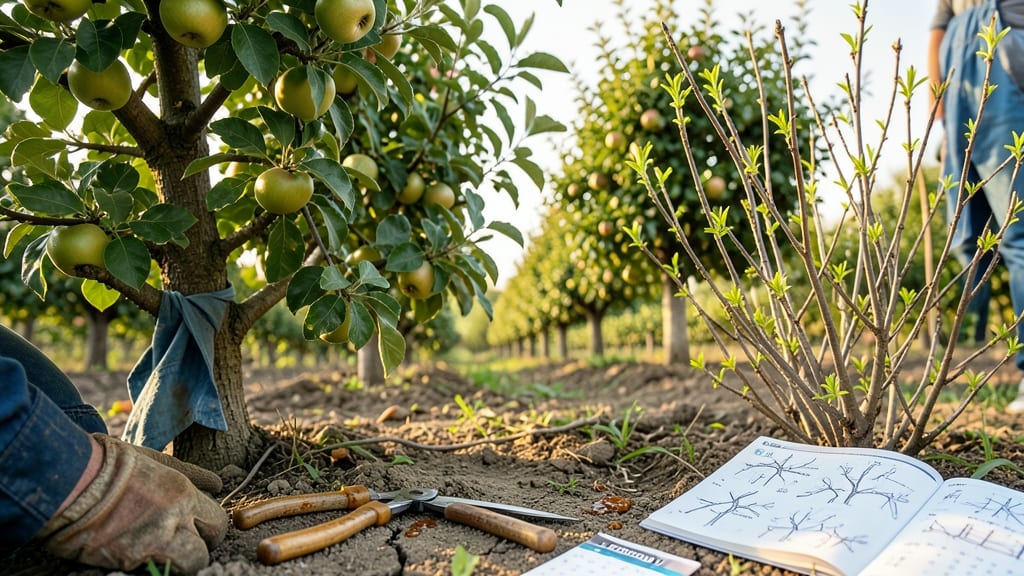
Transform your garden with precision pruning techniques that keep broadleaf trees and shrubs thriving year-round. These expert-approved methods ensure vibrant growth, disease prevention, and stunning seasonal shapes—no green thumb required.
Early Spring Cleanup Pruning
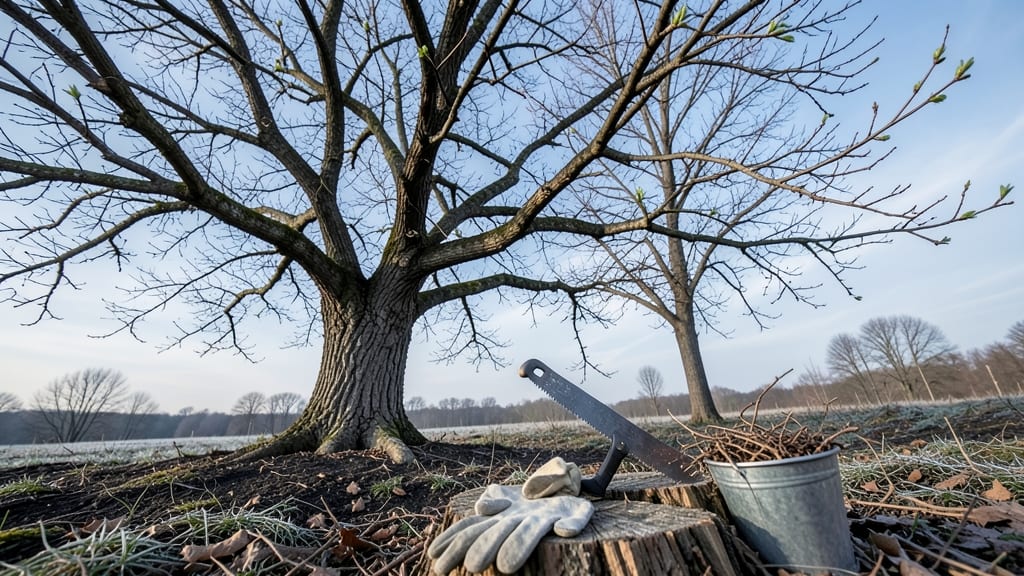
When your maples and dogwoods emerge from winter with brittle, brown branches, it’s time for a strategic cleanup. This early spring pruning isn’t just about tidying up—it’s about removing dead wood and stimulating fresh growth before the growing season peaks.
Focus on cutting out winter-damaged branches (those that snap easily or have no green buds) and any crossing limbs that could rub and create wounds. Use sharp, sterilized tools to make clean cuts just outside the branch collar. For deciduous trees, this is the perfect time to shape them before new leaves emerge, as you’ll see the structure clearly.
This method is especially valuable for gardeners with urban landscapes or small yards, where healthy, well-pruned trees improve air flow and reduce disease risk. Start this process in late winter or early spring for the best results. 🌱
Summer Light Pruning for Shrubs
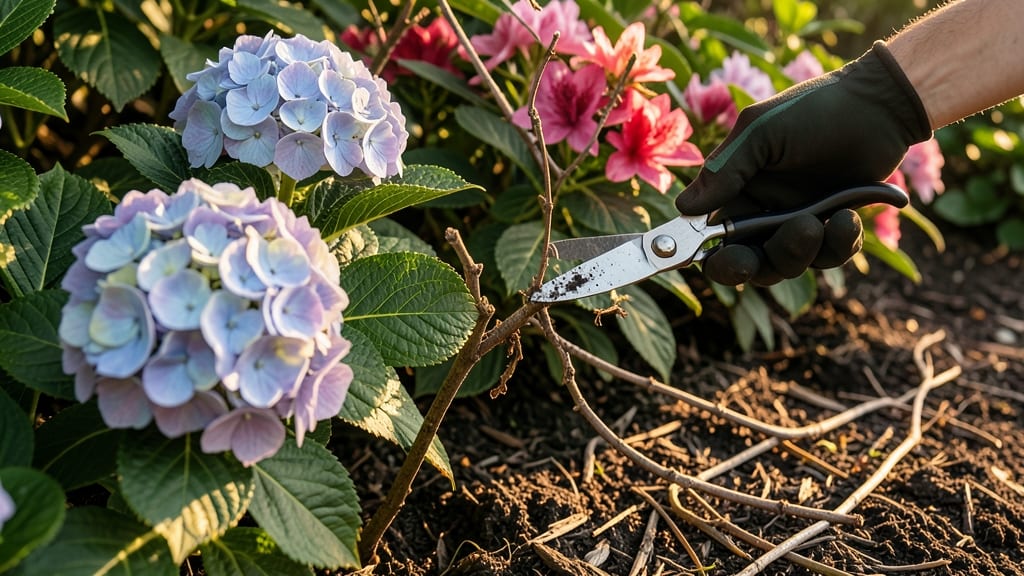
Summer is the perfect time to give your hydrangeas and azaleas a gentle haircut—literally. Unlike heavy pruning, summer light pruning focuses only on removing dead or overgrown stems to keep these beauties blooming without stressing them during their peak growth months.
Start by identifying stems that are brown, broken, or crossing others—these are your targets. Use clean, sharp shears to cut just above a leaf node or outward-facing bud, and avoid trimming more than 20% of the plant at once. This method encourages new growth while preserving next year’s flowers, especially for shrubs that bloom on old wood.
This technique is ideal for busy gardeners or those with urban gardens where heavy pruning could disrupt the landscape. By keeping shrubs tidy in summer, you’ll enjoy fuller blooms and healthier plants year after year. 🌿
Structural Winter Pruning for Trees
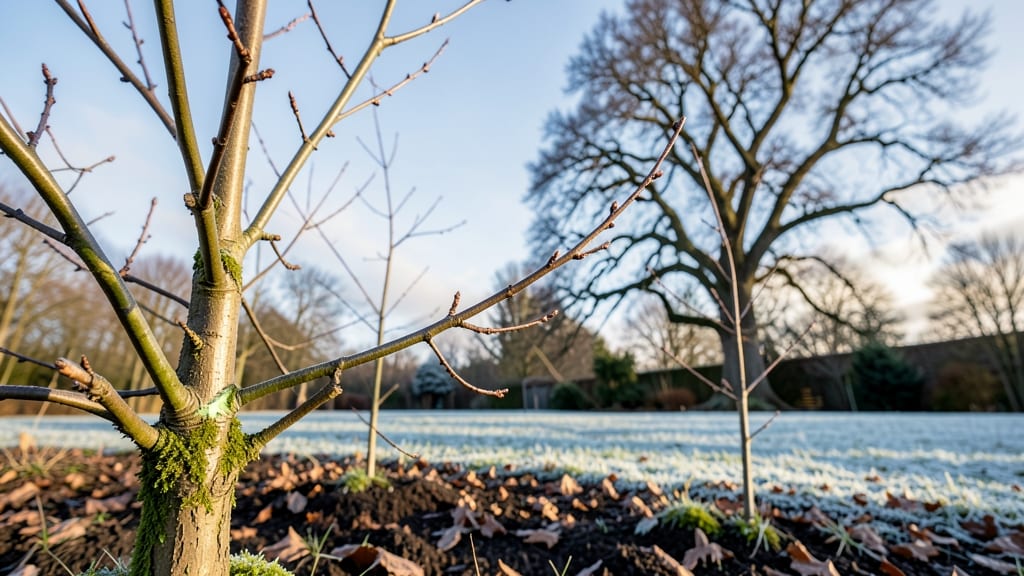
Winter isn’t just a time for hibernation—it’s the perfect moment to sculpt young broadleaf trees like oaks and beeches into strong, balanced shapes. Unlike summer trims that stress plants, winter pruning during dormancy lets you reshape branches without risking sap loss or disease spread.
Focus on removing competing branches (those growing toward the center) and any that cross or rub—these create weak points where pests or rot can enter. For young trees, aim to open the canopy to 60% sunlight penetration at the base, promoting healthier growth below. Use sharp bypass pruners and seal larger cuts with pruning sealant to prevent moisture loss.
This method is ideal for gardeners planning long-term landscapes, as it establishes a sturdy framework that reduces future pruning needs. Your trees will thank you with stronger trunks and fuller canopies come spring. ✨
Renewal Pruning for Overgrown Shrubs
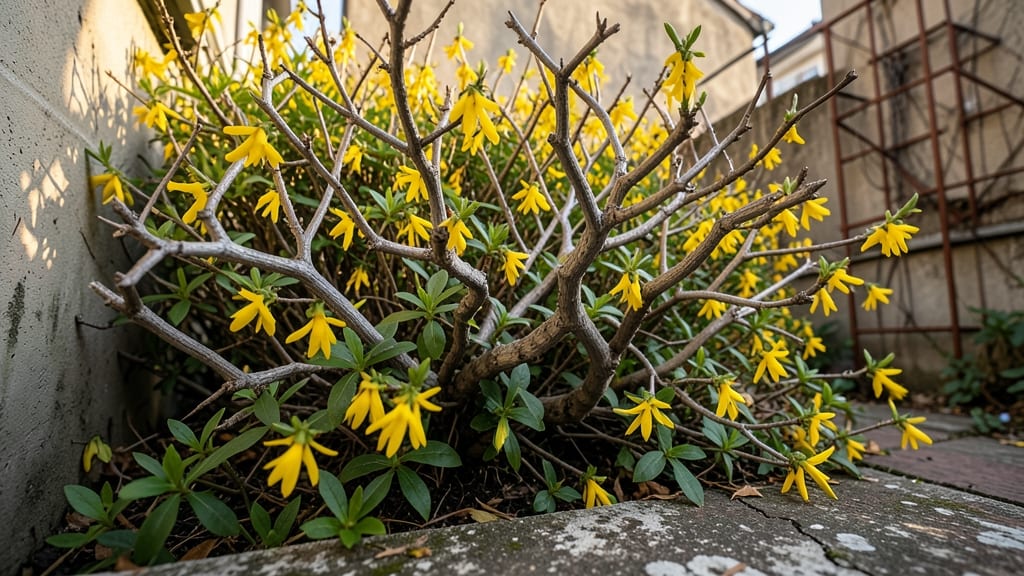
That overgrown forsythia crowding your tiny urban patio isn’t a lost cause—it’s a prime candidate for renewal pruning, a dramatic but effective technique that turns woody shrubs back into lush, flowering powerhouses. Unlike gentle trimming, this method targets ⅓ of the oldest wood to stimulate fresh growth from the base, making it perfect for shrubs like lilacs or forsythia that have outgrown their space.
Timing is key: perform this late winter or early spring before new growth begins. Use clean, sharp pruners to make cuts just above outward-facing buds, and avoid cutting into old wood—you’ll see vibrant new shoots within weeks. The result? A denser, more compact shrub that blooms more vigorously and fits neatly into small gardens. This technique works especially well for urban gardeners with limited space who want to revive neglected shrubs without sacrificing future blooms.
Think of renewal pruning as a soft reset for your shrubs—ideal for those who’ve let plants grow wild but still want a lush, manageable garden. It’s the perfect way to reclaim space and encourage healthy regrowth in just one season! 🌟
Disease Prevention Pruning Techniques
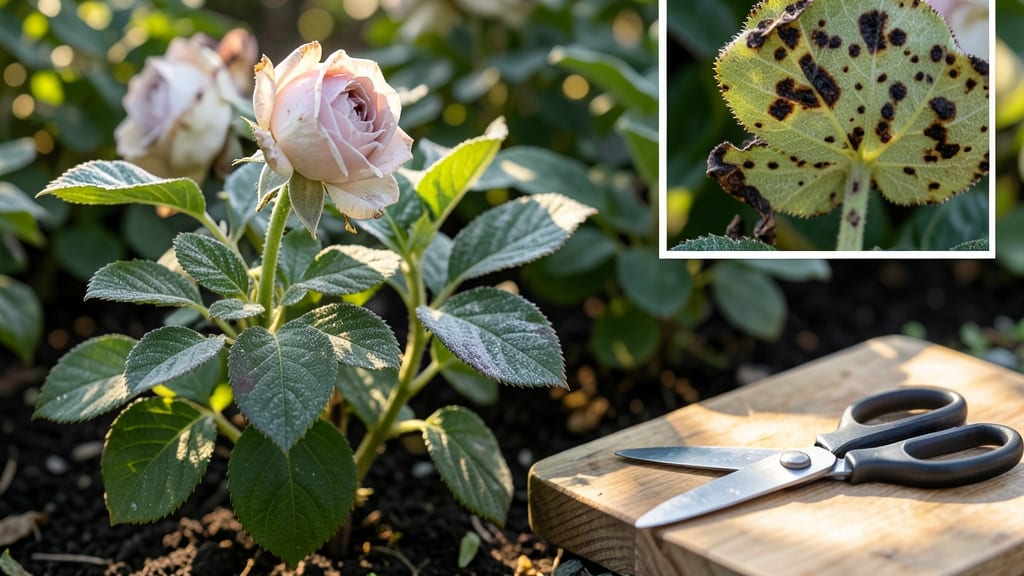
When powdery mildew or black spot turns your roses or hydrangeas into a fungal buffet, standard pruning won’t cut it. Disease prevention pruning is your secret weapon—using sterile tools to remove infected branches before spores spread to healthy tissue.
Start by cutting 6-12 inches below the visible infection (fungal growth loves damp wood), then disinfect your shears with 70% rubbing alcohol or a bleach solution (1 part bleach to 9 parts water). For organic gardeners, prioritize early morning pruning when fungal spores are less active, and always prune from bottom to top to avoid cross-contamination. Roses and boxwoods are especially vulnerable—inspect them weekly during humid months.
This technique isn’t just for roses: it’s a game-changer for organic gardeners who avoid chemicals. By stopping fungal spread at the source, you’ll save entire plants from decline and reduce future outbreaks. 💚
Layering Pruning for Bushes
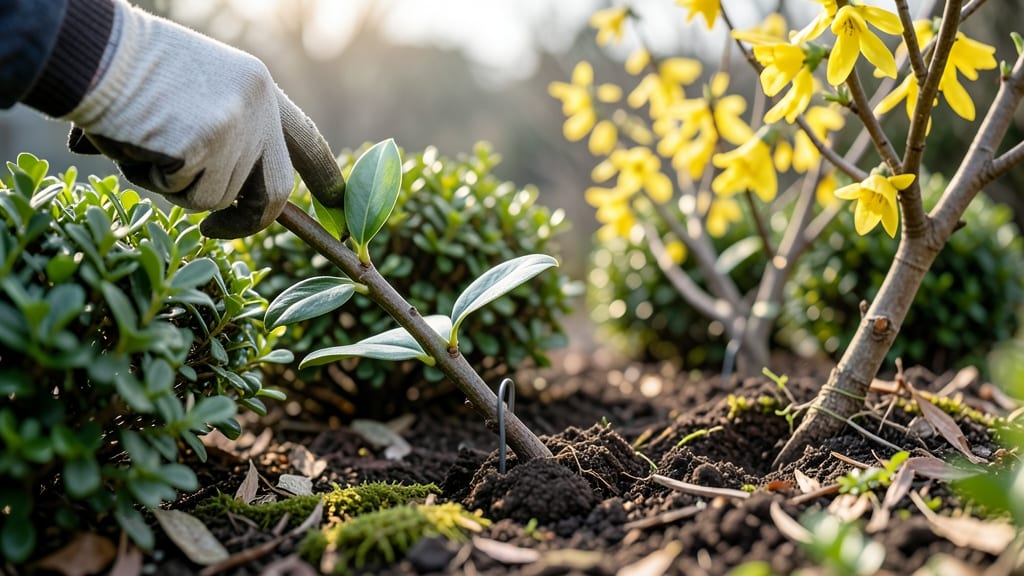
Want to create lush ground cover or propagate your favorite shrubs without buying new plants? Layering pruning turns your existing boxwoods, forsythia, or privet bushes into free, rooted clones by encouraging horizontal growth. This simple technique works by bending lower branches to the soil, where they’ll root naturally—ideal for filling gaps or expanding your garden’s greenery.
Start by selecting healthy, flexible branches in late spring or early summer when growth is vigorous. Gently bend a 6-12 inch section of the branch downward, securing it with a U-shaped wire or rock. Keep the soil moist around the branch to encourage root formation, which typically takes 3-6 months. Once rooted, you can cut the new plant from the parent bush and transplant it. This method is perfect for urban gardeners with limited space or those wanting to expand their garden’s beauty without spending extra.
Layering pruning is especially rewarding for shrubs that root easily, like boxwoods or lilacs, and it’s a great way to share plants with neighbors or fill bare patches in your landscape. It’s also beginner-friendly—no fancy tools required! 🌱
Flowering Shrub Deadheading Pruning
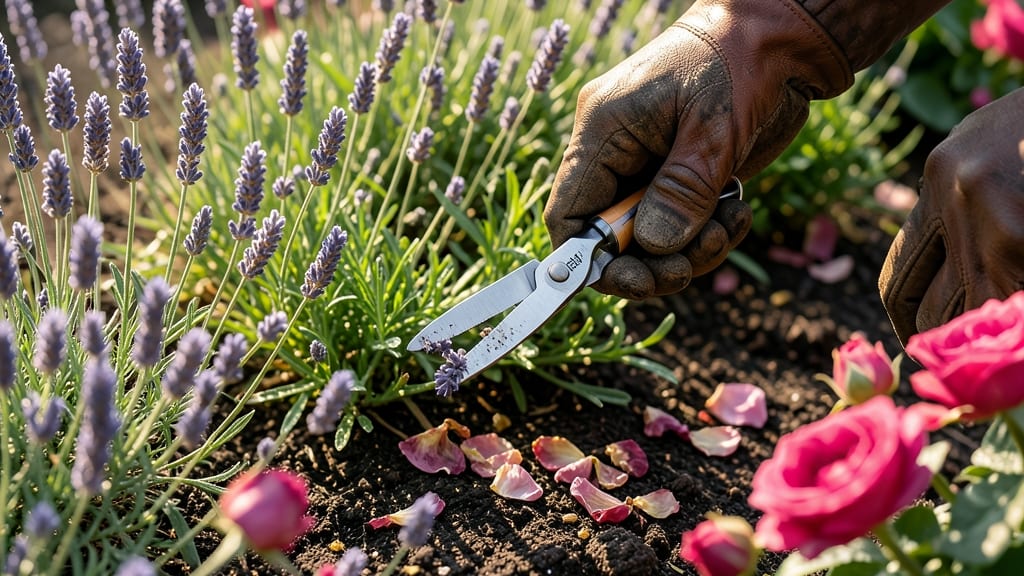
Want your lavender and roses to bloom longer and fuller? Deadheading pruning is the secret weapon for cut flower gardens, redirecting energy from spent blooms to fresh buds. This simple technique works for both annuals and perennials, giving you weeks of extra color without extra effort.
Use clean, sharp pruners to snip just above the first set of healthy leaves or buds after a flower fades. For lavender, avoid cutting into old wood—stick to the current season’s growth. Repeat every few days during peak bloom to keep plants producing. The result? A steady stream of fresh stems for bouquets and a bush that looks bushier than ever.
Cut flower growers swear by deadheading because it forces plants to focus on producing more blooms instead of seed heads. Perfect for small-space gardeners or anyone who loves a steady harvest of vibrant blooms. 🌻
Pollarding Pruning for Mature Trees
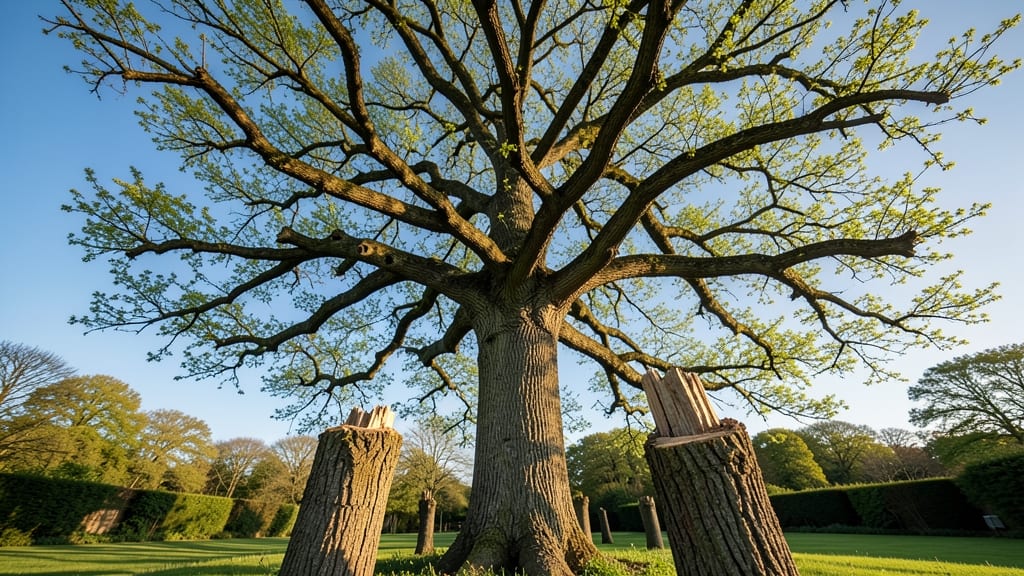
Transform towering trees into elegant, manageable canopies with pollarding pruning, a dramatic technique perfect for historic gardens or formal landscapes. Unlike regular pruning, this method involves cutting branches back to a stub—typically 6 to 12 feet from the ground—to control height and encourage dense, bushy regrowth.
Best suited for large, mature trees like horse chestnuts, willows, or oaks, pollarding is performed in late winter or early spring before new growth begins. The stubs left behind will sprout multiple shoots, creating a lush, multi-branched effect. This technique not only maintains tree size but also enhances structural integrity and promotes vigorous foliage for years to come.
Ideal for gardeners with grand visions—think classic European estates or urban parks—pollarding turns unruly giants into stunning focal points. Just be prepared for the bold transformation! ✨
Hedge Trimming for Uniform Shrubs
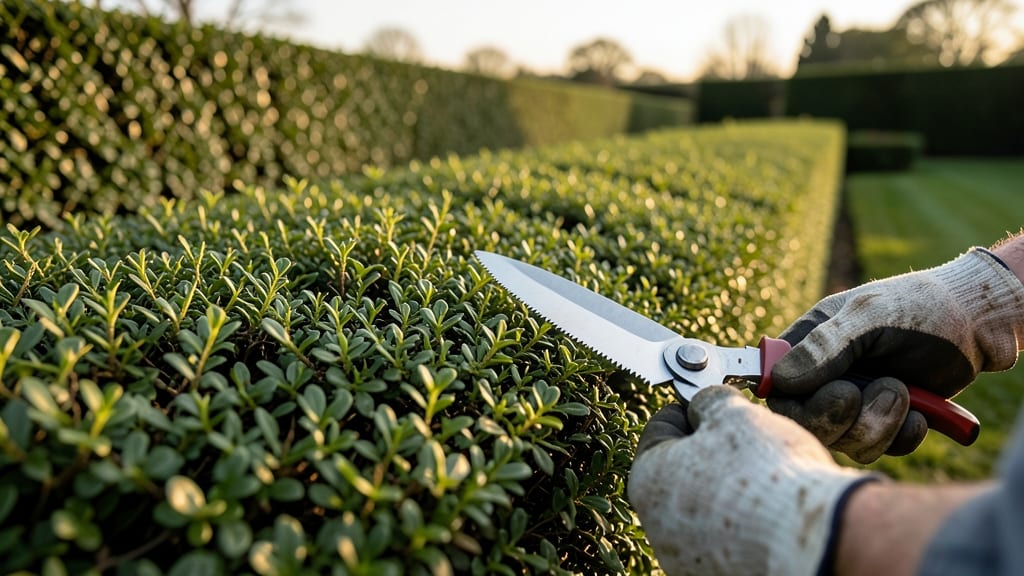
Want to transform your garden into a polished, structured space? Hedge trimming with privet or yew shrubs is the secret to achieving crisp, formal lines that elevate any landscape design.
Use specialized hedge shears—not regular pruners—to create clean cuts and even texture. Trim in late spring or early summer when growth is active, and always cut at a 45-degree angle to encourage new shoots. For geometric patterns, use a string line as a guide to maintain perfect alignment. This technique works best for formal gardens or modern landscapes where precision matters most.
Perfect for homeowners who love structured designs, this method also reduces maintenance long-term by promoting dense, uniform growth. 🌿
Seasonal Pruning Calendar Guide

If you’ve ever wondered why your fruit trees produce smaller harvests or your ornamental shrubs look leggy, the answer might be timing. Pruning at the wrong time disrupts natural growth cycles, but aligning cuts with seasonal rhythms unlocks full potential—especially for first-time gardeners overwhelmed by conflicting advice.
Start with late winter (just before buds swell) for fruit trees and late winter to early spring for flowering shrubs like lilacs. Summer light pruning (June–August) focuses on removing only dead or crossing branches in shrubs like hydrangeas, while fall cleanup (October–November) targets diseased wood. Each season’s task supports the next: winter pruning prepares for spring blooms, and summer trimming ensures energy stays in roots.
This calendar-based approach cuts stress and guesswork, letting you focus on enjoying your garden’s transformation. Perfect for beginners, it turns pruning from a chore into a year-round growth strategy. 🌟