
Pruning
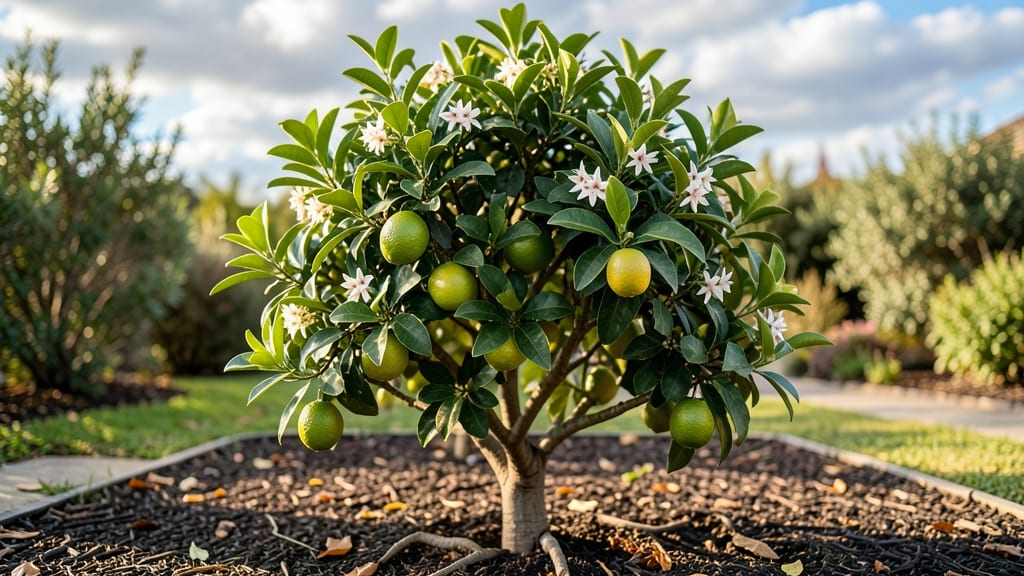
Your lime tree fruit harvest starts with the right cuts. ✂️ Pruning isn't just about shaping—it's the secret to year-round growth and bountiful harvests that keep producing limes even when others give up.
I’ve turned my struggling dwarf lime into a fruit factory by mastering just three key cuts each season, and the difference is shocking.
The best time to prune is right after harvest, when the tree has recovered but before new growth gets too aggressive. You’ll focus on three things: opening the canopy for sunlight, removing dead wood, and thinning out crowded branches.
Most people over-prune, but limes actually thrive with light, strategic cuts—think of it as giving your tree a spa day rather than a haircut.
By winter’s end, you’ll see fresh green shoots where you made your cuts, and those will turn into fruit-bearing branches by spring. The tree’s energy shifts from survival to production, and suddenly you’re picking limes every 3-4 months instead of waiting for one big flush.
The smell of ripe fruit on a warm afternoon? That’s the payoff.
Works for both dwarf varieties in containers and full-size trees in warm climates—just adjust the timing for your frost dates. Here’s how to do it without killing your tree (I’ve made that mistake too, and I’ll tell you exactly what went wrong).
📚 In This Guide
- What you need
- Instructions
- Tips and common mistakes
- Wrapping up and next steps
What you need
- ● Pruning shears: Bypass pruners (for small branches, 1/4" to 3/8" thick)
- ● Loppers: For medium branches (3/8" to 2" thick)
- ● Pruning saw: For thick branches (2"+ thick)
- ● Disinfectant: 70% isopropyl alcohol or 1-part bleach to 9-parts water (to sterilize tools)
- ○ Garden gloves: Heavy-duty, cut-resistant (optional but highly recommended!)
- ● Heavy-duty trash bags: For collecting pruned branches (2–3 bags, depending on tree size)
- ● Rake or broom: To clear debris from the base
- ● Pruning sealant: For large cuts (e.g., Tanglefoot Tree Wound Pruning Seal)
- ● Ladder or step stool: For tall trees (ensure it’s stable!)
- ● Sharpie or marker: To label branches if training the tree
- ● Compost bin: For repurposing small pruned branches
Step-by-step guide to pruning your lime tree for maximum fruit
Here’s how I prune my lime tree to keep it healthy, productive, and full of fruit year-round.
✂️ Step 1: Prune in Late Winter or Early Spring
Start by pruning your lime tree in late winter or early spring, just as new growth begins. This timing ensures you remove dead or weak branches before the tree puts energy into flowering and fruiting. I like to wait until the last frost date has passed in my area to avoid damaging new growth.
Use clean, sharp pruning shears to make cuts just above a leaf node or bud. This encourages new growth in the right direction. Avoid cutting into old wood—lime trees fruit on new wood, so you want to promote fresh, vigorous branches. If you see any dead, diseased, or crossing branches, remove them first—they’re the easiest to spot and fix.
🌿 Step 2: Remove Suckers and Water Sprouts
Look for suckers (shoots growing from the base of the tree) and water sprouts (fast-growing vertical shoots). These compete with your lime tree for nutrients and can weaken fruit production. Use your pruning shears to cut them off at the base—don’t leave any stubs, as they can regrow and cause more problems.
Suckers often appear after heavy pruning or if the tree is stressed. If you see a lot of them, it might be a sign that your lime tree needs better care—like more water or sunlight. I also check for shade branches (those growing inward or rubbing against others) and remove them to improve airflow and sunlight penetration.
☀️ Step 3: Thin Out Dense Branches for Better Airflow
Lime trees need good airflow to prevent fungal diseases like citrus blight. Step back and look at the tree’s structure—aim to create an open center with branches spaced 12-18 inches apart. Remove any branches that are growing too close together or blocking sunlight from reaching the inner canopy.
If you’re unsure which branches to cut, focus on the outer branches first. These are the ones that will produce the most fruit and benefit from better light exposure. Avoid over-thinning—you want to keep enough foliage to support photosynthesis, but not so much that airflow is restricted.
⏰ Step 4: Lightly Prune After Harvesting
After your lime tree produces fruit, give it a light pruning to encourage another round of growth. Remove any dead or damaged fruit stems, as well as branches that look exhausted from bearing fruit. This helps the tree redirect its energy toward new shoots and future harvests.
I also check for any weak or leggy branches that might not produce well next season. Cutting these back encourages stronger, more productive growth. Just be careful not to prune too aggressively—lime trees are sensitive, and over-pruning can reduce fruit production. A little maintenance goes a long way!
🌱 Step 5: Monitor and Adjust Throughout the Year
Pruning isn’t a one-time task—keep an eye on your lime tree throughout the year. If you notice new growth that’s too dense, trim it back lightly to maintain shape. If branches start rubbing together, remove the offending ones before they cause damage.
I also watch for pests or disease signs, like yellowing leaves or holes in the foliage. If you spot these, prune affected areas immediately to prevent the problem from spreading. Regular check-ups ensure your lime tree stays healthy and keeps producing delicious fruit for years to come.
Tips & tricks for pruning your lime tree
These practical insights will help you keep your lime tree thriving and productive all year long.
Timing is Everything: Late winter or early spring is the perfect window for your first pruning session. I can't stress enough how important it is to wait until after the last frost date in your area—new growth is delicate and won't survive cold snaps. For me, this usually means late February to early March in my zone 9 garden. If you miss this window, don't panic—just wait until new growth appears before pruning again. The key is to catch the tree when it's just waking up from dormancy but hasn't yet started flowering.
The Right Tools Make All the Difference: Never use dull or dirty pruning shears—they can tear branches and introduce diseases. I invest in a good pair of bypass pruners for larger branches and hand pruners for smaller cuts. After each use, I clean them with rubbing alcohol to prevent bacterial spread. Pro tip: Make your cuts just above a leaf node or bud at a 45-degree angle—this encourages new growth in the right direction and prevents water from pooling on the cut, which can lead to rot.
Visual Cues for Better Pruning: When thinning branches in Step 3, I use a simple visual trick: stand back and imagine sunlight coming from all directions. You want to create an open center where light can reach the inner branches. Look for branches that are growing straight up—these often block sunlight from reaching lower branches. Aim to space your main branches about 12-18 inches apart. This spacing not only improves fruit production but also makes harvesting easier—you won't be reaching into a dense thicket of branches!
Post-Pruning Care: After your main pruning session, give your tree some extra attention. Water deeply to help it recover from the stress of pruning, especially if you've removed a significant number of branches. I also apply a balanced citrus fertilizer about 4-6 weeks after pruning to give the tree a nutrient boost for new growth. This is particularly important if your tree looks stressed or if you've removed a lot of foliage during pruning.
Pro Tips for Lime Tree Fruit
- These practical insights will help you keep your lime tree thriving and productive all year long.
- Timing is Everything: Late winter or early spring is the perfect window for your first pruning session.
- The Right Tools Make All the Difference: Never use dull or dirty pruning shears—they can tear branches and introduce diseases.
Frequently asked questions
Got questions about pruning your lime tree for the best fruit yield? We’ve got answers!
Whether you're a newbie or a seasoned gardener, these FAQs will help you keep your tree thriving and productive.
When is the best time to prune a lime tree for fruit production?
Prune your lime tree twice a year: late winter/early spring (before new growth starts) and summer after harvest. Avoid heavy pruning in fall—it can stimulate tender growth vulnerable to cold. Light trimming to shape or remove dead wood is fine year-round, but major cuts disrupt flowering and fruiting cycles.
How much should I prune my lime tree to encourage fruit?
Remove no more than 25% of the tree’s canopy in one session. Focus on:
- Dead or diseased branches (cut at the branch collar).
- Crossing or rubbing branches (to improve airflow and sunlight).
- Suckers or watersprouts (shoot growth from the trunk or roots).
- Overly dense growth (thin out to let light reach inner limbs).
Will pruning my lime tree reduce my fruit harvest?
Not if done correctly! Pruning improves fruit quality and quantity by:
- Boosting airflow (reduces fungal diseases like citrus blight).
- Encouraging sunlight penetration (sweeter, more abundant fruit).
- Redirecting energy to healthy branches (more blooms = more limes).
Can I prune a lime tree in hot or cold weather?
Timing matters! Avoid pruning during:
- Extreme heat (stresses the tree; wait for temps <60°F/15°C).
- Frost or winter (dormant trees are vulnerable to cold damage).
- Heavy rain or wind (wet cuts invite disease; wind can stress the tree).
What if my lime tree isn’t fruiting after pruning?
Check these common issues:
- Too much pruning (cut back to 10–25% max).
- Nutrient deficiency (add citrus-specific fertilizer in spring).
- Pests/disease (inspect leaves for aphids, scale, or fungal spots).
- Improper sunlight (lime trees need 6+ hours of sun daily).
- Young tree (lime trees take 3–5 years to bear fruit).
Wrapping up and next steps
Growing a thriving lime tree with a year-round harvest is totally within reach—just follow the right pruning techniques! By mastering the art of trimming for shape, health, and fruit production, you’ll enjoy luscious, juicy limes for months to come. 🌿✨
Ready to take your lime tree to the next level? Start small: pick one pruning session this week, and gradually build your confidence. Before you know it, you’ll be the proud owner of a fruit-bearing powerhouse—and maybe even share your bounty with neighbors! 🍋😊