
Pruning
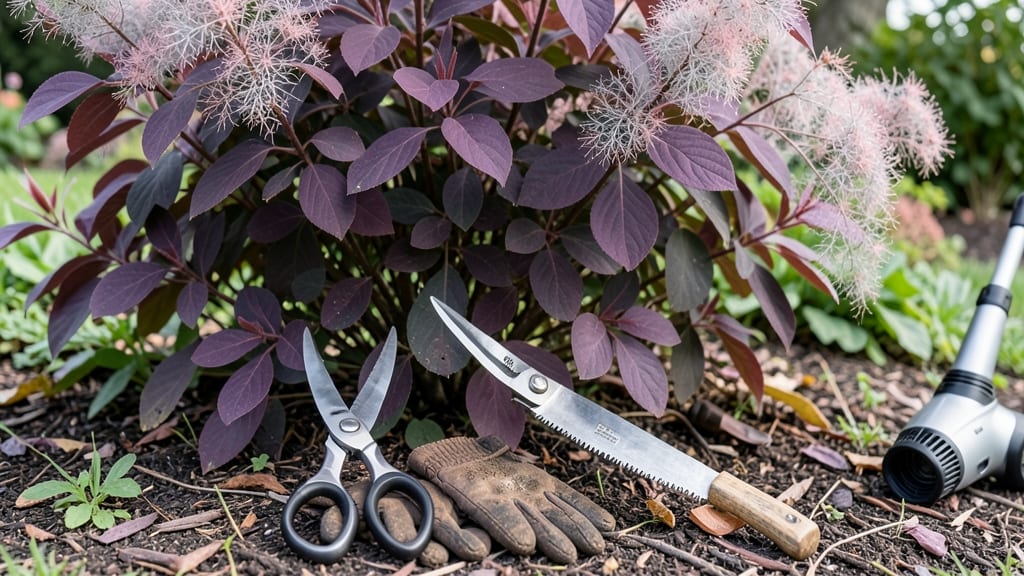
Royal purple smoke tree pruning keeps this showstopper lush and blooming year after year. ✨ The key is timing—prune in late winter or early spring before new growth starts, and you’ll maintain that stunning purple foliage while encouraging fresh blooms.
I’ve learned the hard way that cutting too late or too aggressively can leave your tree looking ragged instead of regal. You’ll need sharp pruners, a ladder (for taller trees), and a clear vision of your desired shape—whether that’s a rounded mound or a more formal hedge.
The goal is to remove no more than 25% of the foliage in one session, focusing on dead, crossing, or overcrowded branches first. That first cut might feel hesitant, but trust the process.
By summer, you’ll see vibrant new growth pushing from the cut stems, and those feathery smoke plumes will return in full force. The foliage stays rich purple when you avoid heavy pruning in fall or winter, when the tree is already stressed.
Even experienced gardeners sometimes overdo it—so take it slow. Works for both young trees and mature specimens, and the same principles apply whether you’re shaping a small patio tree or a backyard centerpiece. Let’s get those branches looking intentional!
📚 In This Guide
- What you need
- Instructions
- Tips and common mistakes
- Wrapping up and next steps
What you need
- ● Bypass pruners: Sharp, clean pair (rated for 1.5–2.5-inch cuts). Example: Felco F-2 or Corona 3-in-1.
- ● Loppers: For thicker branches (0.5–1.5 inches). Example: Fiskars Steel Loppers.
- ● Hand saw: For stubborn branches (>1.5 inches). Example: Bahco Laplander.
- ● Disinfectant (70% isopropyl alcohol or bleach solution): 1 part bleach to 9 parts water (for sanitizing tools).
- ● Gloves: Heavy-duty, cut-resistant (e.g., Mechanix Wear or Tough Outdoors).
- ○ Pruning sealant: Optional but helpful for larger cuts (e.g., Tanglefoot Tree Wound Pruning Sealer).
- ● Ladder (6–10 ft): Extendable or step ladder (e.g., Little Giant or Louisville brands).
- ● Trash bags (heavy-duty): For debris removal (1–2 bags).
- ○ Permanent marker: For marking branches to remove (optional but handy).
- ● Safety glasses: Protect your eyes from debris.
- ● Pole pruner: For high branches (e.g., Fiskars Ergo Pole Pruner).
- ● Hose or spray bottle: To clean tools mid-pruning.
- ● Notebook & pen: Track pruning notes (e.g., branch sizes, bloom locations).
- ● Tree growth regulator: Post-pruning (e.g., Bonide Foliage-Pro for controlled regrowth).
How to prune a royal purple smoke tree for year-round shape
Here's the method I've used for years to keep my smoke tree lush and blooming—no harsh cuts, just strategic shaping.
✂️ Step 1: Time Your First Pruning for Late Winter Dormancy
Prune your Royal Purple Smoke Tree in late winter (February or early March) while it's still dormant. This is when the plant naturally sheds old growth, making it easier to shape without stressing new buds. I wait until the last frost has passed in my zone—you'll know it's time when the tree looks completely bare and the ground starts warming.
Use sharp, clean pruning shears to make cuts just above a leaf node or bud. Avoid cutting into old wood—this tree blooms on new growth, so you want to encourage fresh stems. If you see any dead or diseased branches, remove those first—they'll sap energy from your plant.
☀️ Step 2: Shape During Spring Growth for Fullness
Once new growth appears in spring, it's time to refine the shape. Step back and look at your tree—you'll want to create a balanced, rounded silhouette. I focus on opening up the center first, as smoke trees can get dense and block light from reaching inner branches.
Cut back any crossing branches or those growing inward to improve airflow and sunlight penetration. For each branch, make your cut at a 45-degree angle about ¼ inch above a bud facing the direction you want growth to continue. This encourages outward growth rather than inward crowding.
🌿 Step 3: Light Maintenance Pruning Through Summer
During the growing season, I do light pruning to maintain shape and encourage bushiness. Look for branches that are growing too long or leggy—these can be trimmed back by about ⅓ of their length to promote branching. You'll see new buds forming along the stem within a few weeks.
Never remove more than ⅓ of the tree's foliage in one session. The Royal Purple Smoke Tree is forgiving, but over-pruning can stress the plant and reduce flowering. If you notice any suckers (shoots growing at the base), remove them immediately—they divert energy from the main structure.
⏰ Step 4: Final Light Pruning Before Winter
In late summer or early fall, do a final light pruning to tidy up the tree before winter dormancy. Remove any dead, diseased, or weak branches first. Then, trim back any overly vigorous growth that might be blocking sunlight from lower branches.
This is also a good time to shape the tree for the coming year. Step back and visualize how you want it to look—smoke trees respond well to gradual shaping. Avoid heavy pruning now, as new growth won't have time to harden off before winter. A light touch ensures your tree enters dormancy strong and healthy.
Tips & tricks for perfect royal purple smoke tree pruning
Real talk: I've watched too many smoke trees get over-pruned and lose their blooms. These simple tricks will keep yours thriving year after year.
Timing is Everything: The late winter pruning window (February-March) is non-negotiable for Royal Purple Smoke Trees. This timing aligns with the tree's natural dormancy cycle, when it's least stressed. If you prune too early, you risk damaging new buds that haven't formed yet. I always check for the last frost date in my zone before reaching for my shears—this tree rewards patience more than anything.
The 45-Degree Angle Secret: When you're shaping in spring (Step 2), that 45-degree angle cut above the bud isn't just arbitrary—it's about directing growth. Make the cut just above where you want new growth to emerge. I like to visualize the direction I want each branch to grow before making the cut. This technique creates a natural, fuller shape without looking forced. And remember, the quarter-inch above the bud gives you that perfect starting point for new shoots.
Summer Maintenance Matters: During the growing season (Step 3), focus on removing only the most problematic branches—never more than ⅓ of the foliage in one session. I've learned this the hard way after accidentally over-pruning and watching my tree's blooms dwindle. Look for branches that are growing inward or crossing others—these are the ones to trim first. The goal is to create a balanced silhouette that lets sunlight reach all parts of the tree, not to turn your smoke tree into a bonsai.
Tool Prep Prevents Problems: Before you even touch your tree, clean your pruning shears with rubbing alcohol to prevent spreading disease between cuts. I also sharpen my blades before each session—dull shears tear plant tissue instead of making clean cuts. And here's a pro move: Wipe down your tools with a damp cloth after pruning to remove any plant sap that could dry and clog your blades. A well-maintained toolkit makes all the difference in keeping your smoke tree healthy.
Pro Tips for Royal Purple Smoke Tree Pruning
- Real talk: I've watched too many smoke trees get over-pruned and lose their blooms.
- Timing is Everything: The late winter pruning window (February-March) is non-negotiable for Royal Purple Smoke Trees.
- The 45-Degree Angle Secret: When you're shaping in spring (Step 2), that 45-degree angle cut above the bud isn't just arbitrary—it's about directing growth.
Frequently asked questions
Got questions about pruning your Royal Purple Smoke Tree? You’re not alone!
Here are the most common concerns—plus expert-backed answers to keep your tree thriving year-round.
When is the best time to prune a Royal Purple Smoke Tree?
The ideal window is late winter or early spring (before buds swell) to avoid stressing the tree. You can also do light shaping after flowering (summer) or in fall—but avoid heavy pruning then, as it may stimulate tender new growth vulnerable to frost. Pro tip: Never prune in extreme heat or drought!
How often should I prune my Royal Purple Smoke Tree?
For maintenance shape, prune once a year (late winter/early spring). If your tree is overgrown or unruly, you may need 2–3 sessions over 2–3 years to avoid shocking it. Focus on removing 15–20% of growth max per year—this keeps the tree healthy and blooming!
What if I prune too much? Can I fix an over-pruned Royal Purple Smoke Tree?
Over-pruning (cutting >25% of foliage at once) can stress the tree, but it’s not fatal. Recovery steps:
- Water deeply and fertilize with slow-release granules (high in potassium).
- Avoid pruning for 1 full season to let it recover.
- Prune lightly in spring to encourage new growth.
Will pruning reduce my Royal Purple Smoke Tree’s blooms?
No! Pruning encourages more flowers by promoting airflow and sunlight to the center. Key rule: Prune after blooms fade (late spring/early summer) to avoid cutting next year’s flower buds (which form on old wood). For heaviest blooms, prioritize removing dead/diseased wood first.
Can I shape my Royal Purple Smoke Tree into a hedge or topiary?
Yes, but it requires patience! This tree responds well to formal shaping, but growth is moderate (1–2 ft/year). Use hand pruners for detail work and hedge shears for clean edges. Pro tip: Prune new growth regularly (every 4–6 weeks in growing season) to maintain tight, compact forms. Mulch heavily to support root growth!
What if my tree isn’t recovering after pruning?
Check for these red flags:
- Yellowing leaves: Overwatering or root rot (reduce watering).
- No new growth: Nutrient deficiency (add balanced fertilizer).
- Wilting/browning: Underwatering or pest damage (inspect for aphids/scale).
Wrapping up and next steps
Pruning your Royal Purple Smoke Tree doesn’t have to be intimidating—with the right timing, tools, and techniques, you can shape it beautifully while keeping those stunning blooms intact! 🌿 Whether you’re trimming for aesthetics, health, or seasonal renewal, remember that patience and precision are your best friends.
Start small, observe your tree’s response, and soon you’ll have a showstopper that thrives year-round.
Ready to take the next step? Grab your pruners, mark your calendar, and give your tree the care it deserves—your future blooms will thank you! 🌸