
Pruning
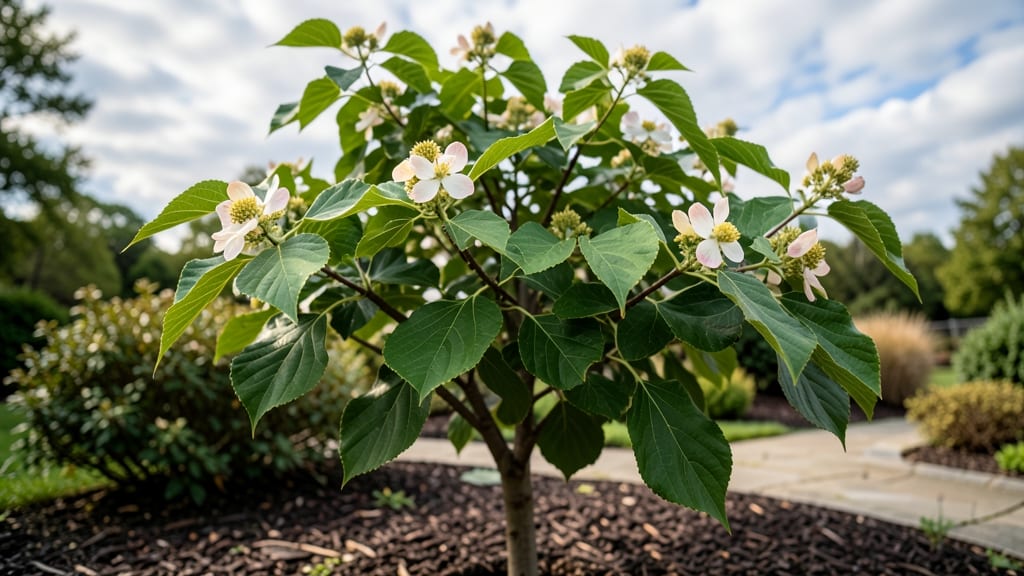
Pruning Kousa dogwood flowers keeps your tree blooming like a jewel-toned masterpiece every year. ✨ I’ve learned the hard way that aggressive cuts ruin next season’s show—these delicate trees need gentle guidance to produce their iconic paper-like blooms reliably.
The secret lies in timing: prune at the right moments, and you’ll see clusters of rosy-pink flowers that last longer than most dogwoods. Start with basic tools—a sharp pair of pruners and gloves—and focus on removing only dead, crossing, or weak branches.
Thin out crowded areas to improve airflow, which prevents fungal issues that dull those stunning blossoms. Most pruning happens in late winter or early spring, but light shaping after blooming keeps the tree looking intentional.
By summer, you’ll notice new growth emerging where you made cuts, and those 4-inch-wide flowers will appear in even greater numbers. The tree’s natural shape stays elegant, and you avoid the leggy look that plagues over-pruned dogwoods. Even better?
Proper pruning extends your tree’s lifespan, giving you decades of those showstopping blooms. This method works for both young trees and mature specimens. Just remember: patience is key—Kousa dogwoods reward careful hands with vibrant, long-lasting flowers that turn heads in any landscape.
📚 In This Guide
- What you need
- Instructions
- Tips and common mistakes
- Wrapping up and next steps
What you need
- ● Pruning shears: Bypass pruners (sharp, 6–8 inch blades) for clean cuts on small branches.
- ● Loppers: 20–24 inch for thicker branches (up to 1.5 inches in diameter).
- ○ Pruning saw: Curved-tooth for branches thicker than 2 inches (optional but helpful for mature trees).
- ● Gloves: Heavy-duty, cut-resistant (gardening or pruning-specific) to protect hands.
- ● Disinfectant: 70% isopropyl alcohol or rubbing alcohol to sterilize tools between cuts (prevents disease spread).
- ○ Pruning sealant: Optional but recommended for large cuts (e.g., tree wound pruning paste to reduce sap loss).
- ● Ladder: Sturdy, extendable (12–20 ft, depending on tree height) with a non-slip base.
- ● Safety gear: Safety glasses and long sleeves/pants to protect from debris and sap.
- ● Weather check: Prune on a dry, overcast day (avoid wet or windy conditions).
- ● Tree health assessment: Inspect the tree for diseased or dead branches (target these first).
- ○ Marking supplies: Chalk or tape to outline cuts (optional but helpful for precision).
- ● Cleanup kit: Garden bags or bucket for disposing of clippings.
- ● Water source: Hose or bucket to rinse tools post-pruning.
Step-by-step guide for pruning Kousa dogwood trees
Here's the method I use to keep my Kousa dogwoods flowering beautifully year after year—no guesswork, just precision.
✂️ Step 1: Prune Immediately After Flowering
Your first cut should come right after the blooms fade, typically in late spring or early summer. This timing ensures you remove spent flowers while leaving next year's buds intact. Kousa dogwoods set flower buds on old wood, so never prune in late summer or fall—you'll sacrifice next season's blooms.
Start by removing any dead, diseased, or crossing branches first. Use sharp, clean pruners to make cuts just outside the branch collar—the swollen area where the branch meets the trunk. This prevents unsightly stubs and promotes faster healing. Look for branches that rub against others or grow inward; these compete for energy and should go first.
🌿 Step 2: Thin the Canopy for Better Airflow
Next, focus on thinning the tree's interior to improve light penetration and airflow. Aim to remove about 20-30% of the canopy in total, but spread these cuts evenly throughout the tree. Start at the bottom and work upward, removing branches that grow straight up or downward—they create a crowded, weak structure.
You'll know you're doing it right when you can see light filtering through the branches. Avoid cutting more than one-third of a branch's diameter in any single cut. This keeps the tree strong and prevents shock. If you're unsure, step back and look at the tree from all sides—this helps visualize the overall shape.
☀️ Step 3: Shape the Tree for Optimal Bloom Display
Now it's time to refine the tree's shape. Kousa dogwoods naturally grow in a rounded form, so avoid creating a flat-topped look. Focus on maintaining a natural, balanced silhouette by selectively pruning branches that disrupt this shape. Cut back any overly long or leggy branches to encourage bushier growth and more abundant flowering.
Use hand pruners for branches up to ½ inch thick, and loppers for thicker branches up to 2 inches. For anything larger, break out the pruning saw. Always make cuts at a 45-degree angle just outside the branch collar. This encourages faster healing and reduces the risk of disease entering the wound.
⏰ Step 4: Perform Light Maintenance Pruning in Late Winter
In late winter, just before buds begin to swell, do a final check for any dead, damaged, or weak branches that may have developed over the past year. This is also the time to remove any suckers—those vigorous shoots that sprout from the base or roots. They divert energy away from the main tree and should be cut at ground level.
Keep your tools sharp and clean between cuts to prevent spreading disease. After pruning, apply a thin layer of wound dressing (like tree sealant) only if the cuts are larger than 1 inch in diameter. For smaller cuts, let the tree seal itself naturally—it's healthier that way. Water the tree deeply after pruning to help it recover.
🌱 Step 5: Monitor and Adjust Through the Growing Season
Throughout the growing season, keep an eye out for any new growth that seems out of place. If you notice branches growing too vigorously or in the wrong direction, make small adjustments as needed. The key is to prune lightly and often rather than making drastic cuts all at once.
By summer, you should see new growth emerging from the pruned areas—this is a good sign that your tree is responding well. If you notice any signs of stress, like yellowing leaves or stunted growth, you may have pruned too aggressively. In that case, hold off on further cuts until the tree recovers. Patience is key—Kousa dogwoods are resilient but respond best to gradual, thoughtful pruning.
Tips & tricks for perfect Kousa dogwood tree flower pruning
A few strategic moves can transform your pruning from routine maintenance to a precision technique that guarantees stunning blooms year after year.
Timing is Everything: The late spring/early summer window after blooms fade is non-negotiable for Kousa dogwoods. This timing preserves next year's flower buds, which form on old wood. I learned this the hard way—pruning too late once resulted in nearly 50% fewer blooms the following season. Mark your calendar right after your tree finishes flowering to avoid this common mistake.
Branch Collar Technique: Cutting just outside the branch collar (that swollen area where branches meet the trunk) isn't just a detail—it's the difference between a healed cut and one that invites disease. I've seen too many pruning jobs where clean cuts were ignored, leading to unsightly stubs and potential infections. Take your time here; this is where professional results begin.
Light Penetration Test: The moment you finish thinning your tree's canopy, step back and look for light filtering through the branches. If you can't see sunlight reaching the interior, you haven't removed enough branches. Aim for that 20-30% reduction while maintaining the tree's natural rounded silhouette. This visual check ensures proper airflow and prevents future disease issues.
Seasonal Maintenance Calendar: Create a simple pruning schedule: late spring for major cuts, late winter for maintenance, and ongoing checks throughout the growing season. I keep a small notebook near my pruning tools to record when I prune and how the tree responds. This helps me adjust my approach year to year—like realizing my trees needed slightly later pruning after a particularly cold spring.
Pro Tips for Kousa Dogwood Tree Flower
- A few strategic moves can transform your pruning from routine maintenance to a precision technique that guarantees stunning blooms year after year.
- Timing is Everything: The late spring/early summer window after blooms fade is non-negotiable for Kousa dogwoods.
- Branch Collar Technique: Cutting just outside the branch collar (that swollen area where branches meet the trunk) isn't just a detail—it's the difference between a healed cut and one that invites disease.
Frequently asked questions
When is the best time to prune a kousa dogwood tree?
The ideal time to prune your kousa dogwood is late winter or early spring (before buds swell) or right after flowering. Avoid pruning in fall, as it can stimulate new growth that may not harden off before winter. Light shaping can be done anytime, but major cuts should wait for dormant seasons.
Can I prune my kousa dogwood in summer?
Summer pruning is possible, but it’s not ideal. Pruning during hot months can stress the tree and reduce next year’s blooms. If you must prune in summer, do so early in the morning or late evening to minimize shock. Focus on removing only dead or diseased branches—avoid heavy shaping.
Why aren’t my kousa dogwood flowers as vibrant as last year?
Duller blooms often signal over-pruning, poor nutrition, or stress. Check for:
- Too many cuts (stick to <10% of the canopy per year).
- Insufficient sunlight (kousa dogwoods thrive in full sun to partial shade).
- Drought or compacted soil (water deeply 1–2x/week in dry spells).
- Nutrient deficiencies (apply a balanced fertilizer in early spring).
How do I encourage more flowers on my kousa dogwood?
To boost blooms, prioritize light, strategic pruning:
- Remove only dead, crossing, or weak branches—never cut into old wood.
- Thin the canopy to improve airflow and sunlight penetration.
- Avoid "heading back" (cutting back to a bud)—this reduces next year’s flowers.
- Mulch around the base to retain moisture and regulate soil temp.
Pro tip: If your tree is young (<5 years), be patient—it may take time to establish a strong flowering habit.
What should I do if I accidentally prune too much?
Don’t panic! If you’ve over-pruned, focus on recovery care:
- Water deeply 2–3x/week for 4–6 weeks to reduce stress.
- Avoid fertilizing until new growth appears (usually spring).
- Prune less aggressively next year—stick to minimal maintenance.
- Monitor for pests (like borers) if the tree looks unusually weak.
With proper care, your kousa dogwood will bounce back—just give it time!
Wrapping up and next steps
The Kousa dogwood tree rewards your care with stunning blooms and vibrant foliage—proof that precision pruning pays off! 🌸 By mastering the art of year-round trimming, you’ll not only enhance its beauty but also promote healthier growth.
Whether you’re a seasoned gardener or just starting, every snip brings you closer to a thriving, blooming masterpiece.
Ready to transform your garden? Grab your tools, review your notes, and schedule your next pruning session—your Kousa dogwood is waiting for its next breath of life! 🌿