
Pruning
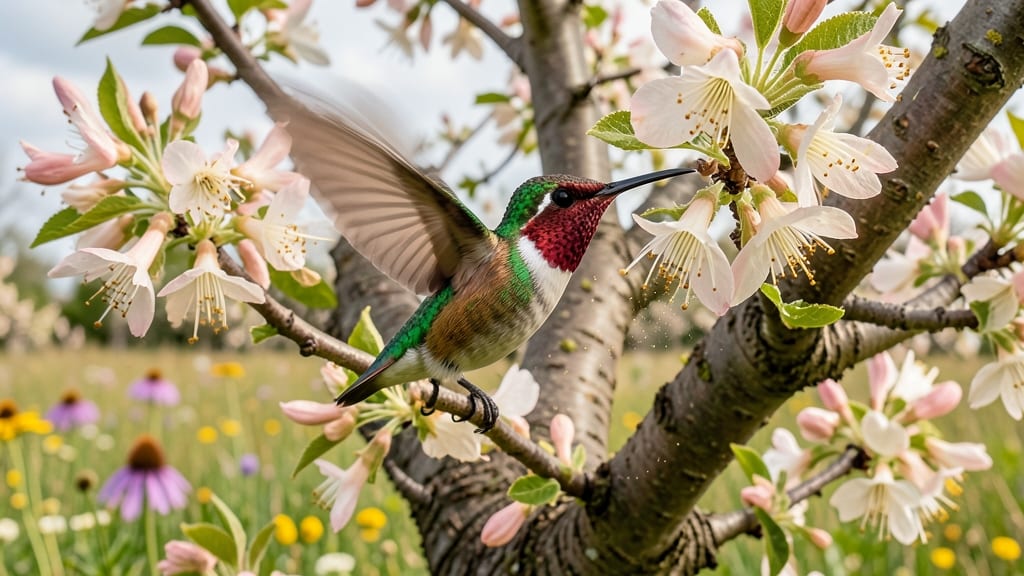
Struggling with poor fruit set on your Red Delicious apple trees? These 10 essential pollinators—from native bees to beneficial insects—hold the key to maximizing your harvest. Learn which species work best and how to attract them naturally.
Honeybees for High-Yield Pollination
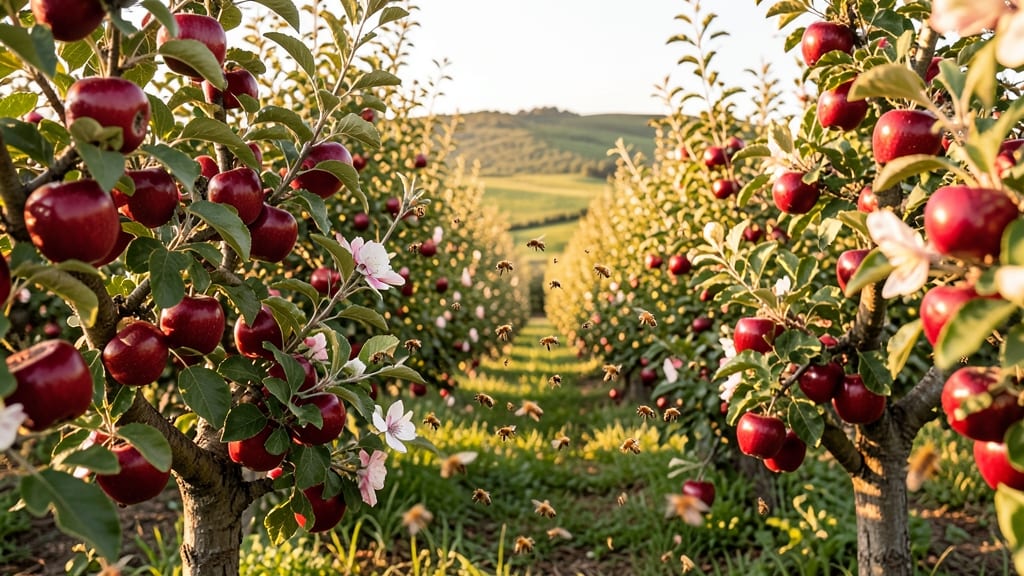
If you're managing a large orchard of Red Delicious apple trees, honeybees are your secret weapon for consistent, high-yield fruit development. These hardworking pollinators are the gold standard for commercial orchards, thanks to their efficiency in cross-pollination and ability to handle the dense blossom clusters of apple trees.
Honeybees thrive in orchard settings because they visit hundreds of flowers per trip, ensuring thorough pollen transfer between trees. Their active foraging range of 2-3 miles means they can pollinate multiple orchards, making them ideal for large-scale operations. To maximize their effectiveness, place bee hives strategically near the edges of your orchard during the peak bloom period (typically late April to early May, depending on your climate). Avoid pesticides during this time, as even low-toxicity chemicals can disrupt their foraging patterns.
For orchard owners or commercial growers, honeybees deliver reliable fruit set and reduce the risk of blossom drop—a common issue when pollination is inconsistent. Their presence alone can boost your harvest by 30-50% compared to relying on wind or native pollinators alone. 🌟
Mason Bees for Early Season Pollination
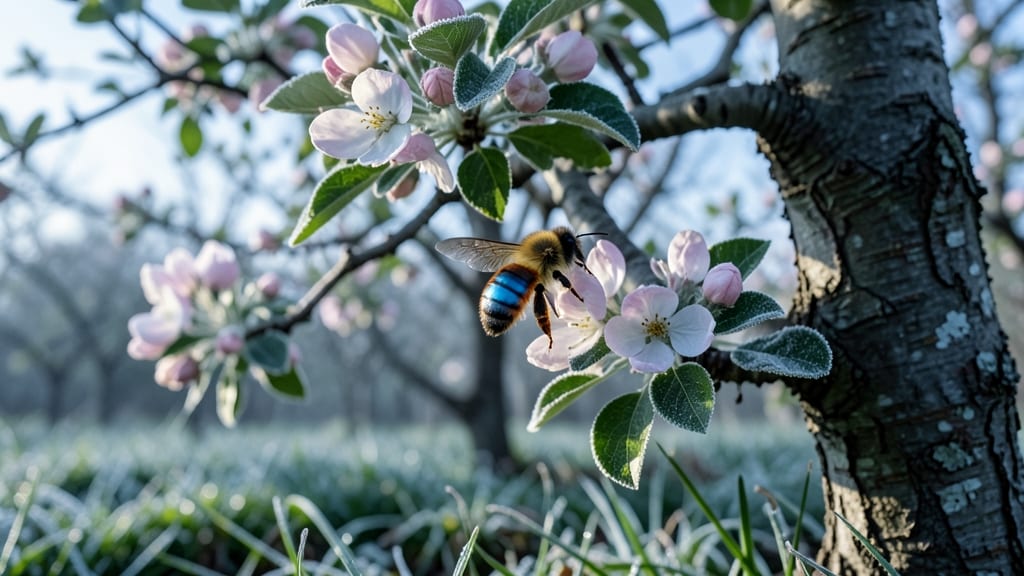
Cold climates with early-blooming Red Delicious apple trees need pollinators that beat the clock—literally. Mason bees emerge as early as February in some regions, often weeks before honeybees, making them the perfect early-season pollinators for your orchard.
These solitary, native bees are gentle and efficient, with each female capable of pollinating up to 100 blossoms per day. To attract them, install wooden nest boxes near your trees—no pesticides or complex setups required. They thrive in cooler temperatures, unlike honeybees, and their fuzzy bodies brush against blossoms perfectly for Red Delicious cross-pollination.
Perfect for small-scale orchards or urban gardeners, mason bees require minimal maintenance and deliver maximum impact. 🌱
Bumblebees for Vibration Pollination
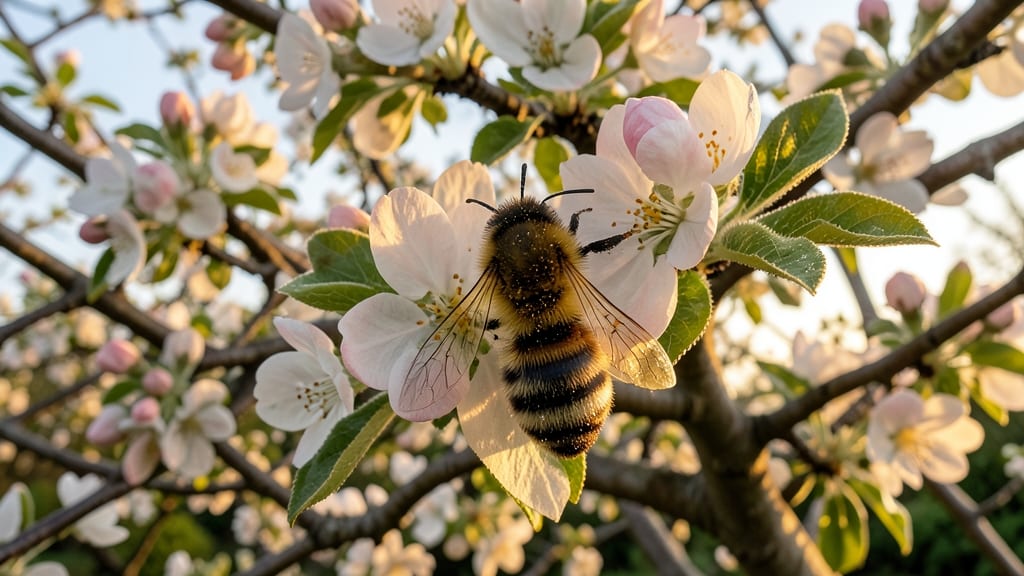
If your Red Delicious apple tree blooms but produces few fruits, you might be missing the secret weapon of bumblebees. These fuzzy, heavy-bodied pollinators don’t just collect pollen—they physically vibrate flowers, a process called buzz pollination, that releases trapped pollen from deep within blossoms.
Bumblebees are especially effective for apple varieties with deep corollas, like Red Delicious, because their buzzing action shakes loose pollen that other bees can’t access. To attract them, plant native wildflowers like purple coneflower or borage near your orchard, and avoid pesticides that harm their colonies. Their early morning activity also makes them ideal for cool climates.
Home gardeners with small orchards will benefit most from bumblebees, as they work efficiently even in less-than-perfect weather. Their presence can transform sparse blossoms into a bountiful harvest. 🌻
Leafcutter Bees for Orchard Efficiency
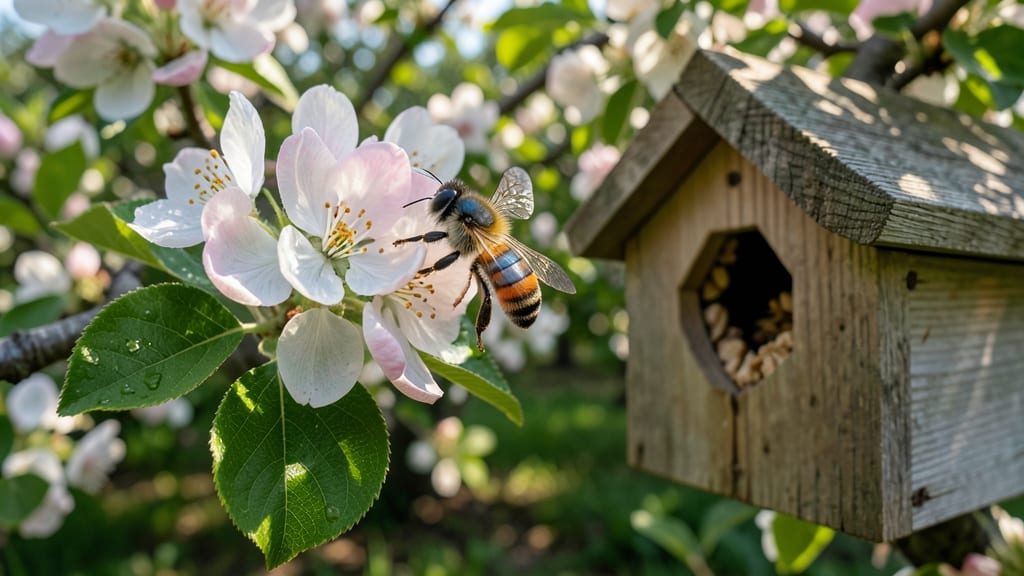
If your small orchard lacks the space for honeybee hives but still needs reliable pollination, leafcutter bees are your secret weapon. These industrious insects work 2-3 times faster than honeybees, making them ideal for Red Delicious apple trees that need quick pollen transfer during peak bloom.
Leafcutter bees thrive in small nest boxes (like wooden blocks with drilled holes) and prefer sunny, sheltered spots near your orchard. Unlike honeybees, they don’t swarm or sting, and a single female can pollinate up to 100,000 flowers per day. Plus, they’re less affected by pests and diseases, giving you a low-maintenance pollination boost.
Perfect for backyard orchards or urban homesteads, these bees turn fruit set into a predictable harvest—no hive management required. 🌻
Syrphid Flies as Bee Alternatives
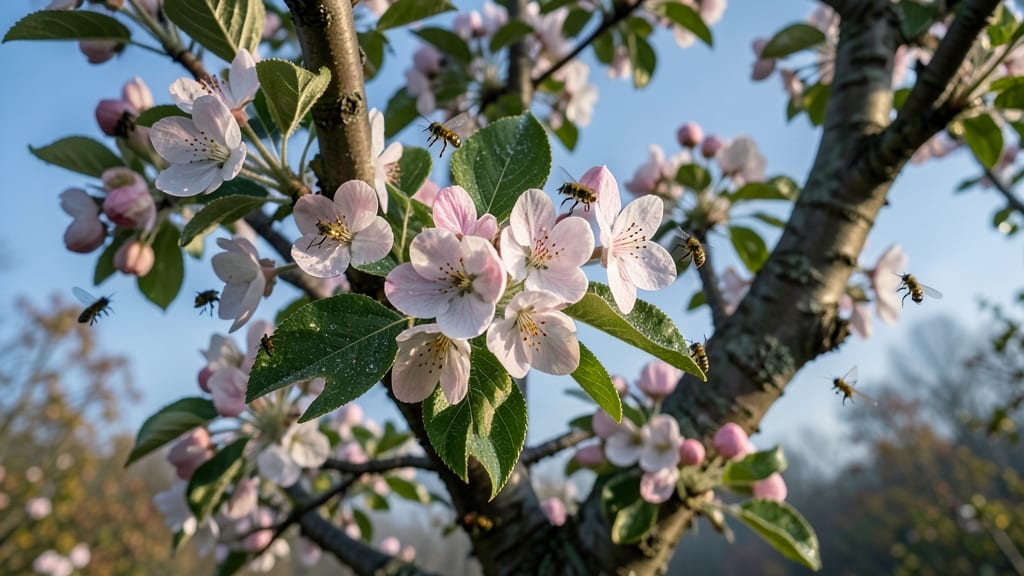
If your Red Delicious apple tree blooms late in the season or you're in a cooler northern climate, syrphid flies (also called hoverflies) are your secret weapon. These non-stinging pollinators thrive when temperatures dip below what many bees prefer, making them perfect for extending your tree's pollination window.
Syrphid flies mimic bees with their striped bodies and buzzing flight, but they’re far more tolerant of cooler temperatures and overcast days. Planting dill, fennel, or marigolds near your orchard will attract them, as these flowers provide nectar while the apple blossoms are still in peak bloom. Unlike bees, they’re also less affected by light rain, so they won’t abandon your tree when the weather turns unpredictable.
Northern gardeners with late-blooming varieties will see the biggest benefits, as these flies ensure pollen transfer even when honeybees have already retreated. They’re also gentle around children and pets—no stings here! 🌿
Sweat Bees for Humid Climates
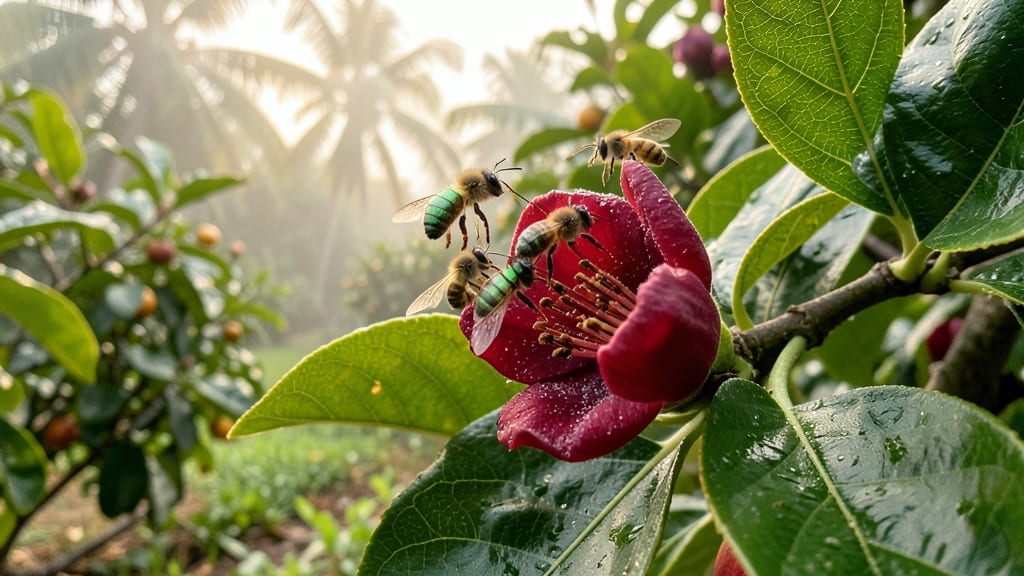
If your Red Delicious apple trees are struggling in hot, muggy climates, sweat bees might be your secret weapon. Unlike honeybees that wilt in high humidity, these tiny pollinators thrive in tropical and subtropical zones where other bees avoid the heat and moisture.
Sweat bees—named for their attraction to human perspiration—are exceptional pollinators for apple orchards because they work efficiently in damp conditions. They’re also small and agile, making them ideal for navigating dense apple blossoms. To attract them, plant native wildflowers like milkweed or goldenrod near your trees, as they’re drawn to these nectar sources.
Gardeners in Florida, Hawaii, or other humid regions will see the biggest benefits from these underrated pollinators. 🌱
Butterflies for Secondary Pollination
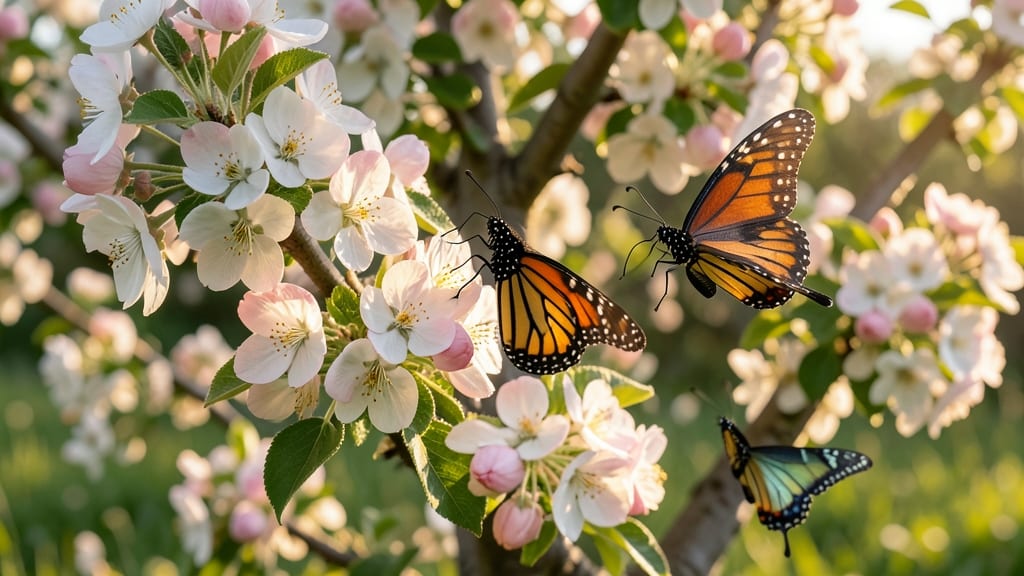
While bees steal the spotlight for pollination, butterflies like monarchs and swallowtails play a sneaky but crucial role in your Red Delicious apple tree's success. These elegant visitors don't just add beauty—they support early bloom nutrition by feeding on nectar, which strengthens the tree's overall health before fruit set begins.
Plant milkweed (for monarchs) or dill and parsley (for swallowtails) near your orchard to create butterfly-friendly habitats. Their presence boosts tree resilience and attracts other pollinators through increased floral diversity. Even a single butterfly garden plot can make a difference in your tree's vigor and fruit development.
Perfect for gardeners who love wildlife and want to create a pollinator-friendly ecosystem without the focus on bees alone. 🌻
Beetles for Wind-Pollinated Backup
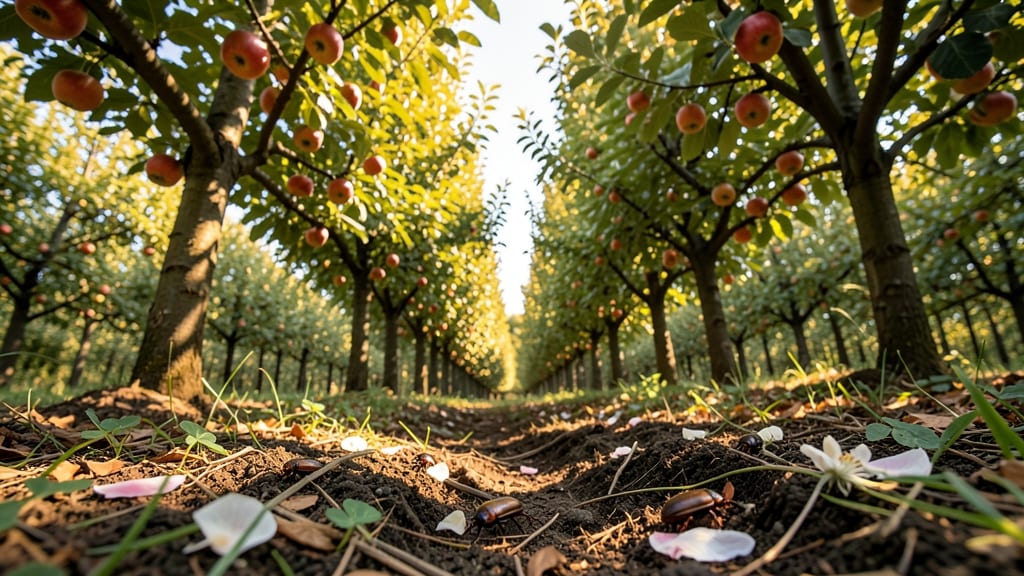
When your Red Delicious apple tree stands in dense rows where wind struggles to carry pollen, don’t overlook the unsung heroes crawling at your feet—rove beetles and other ground-dwelling beetles. These tiny pollinators bridge gaps when breezes fail, especially in tight orchard spaces where bees can’t easily navigate.
Beetles like rove beetles and ground beetles move between blossoms, transferring pollen as they forage for nectar or prey on pests. They’re particularly effective in low-wind conditions or when dense foliage blocks airflow. To encourage them, leave leaf litter near tree bases and avoid over-tidying—these beetles thrive in natural, undisturbed ground cover.
Home gardeners with small orchards or urban fruit trees will benefit most from this backup pollination team. Even a few beetles can make the difference between blossom drop and fruit set. 🌱
Ladybugs for Pest Control Synergy
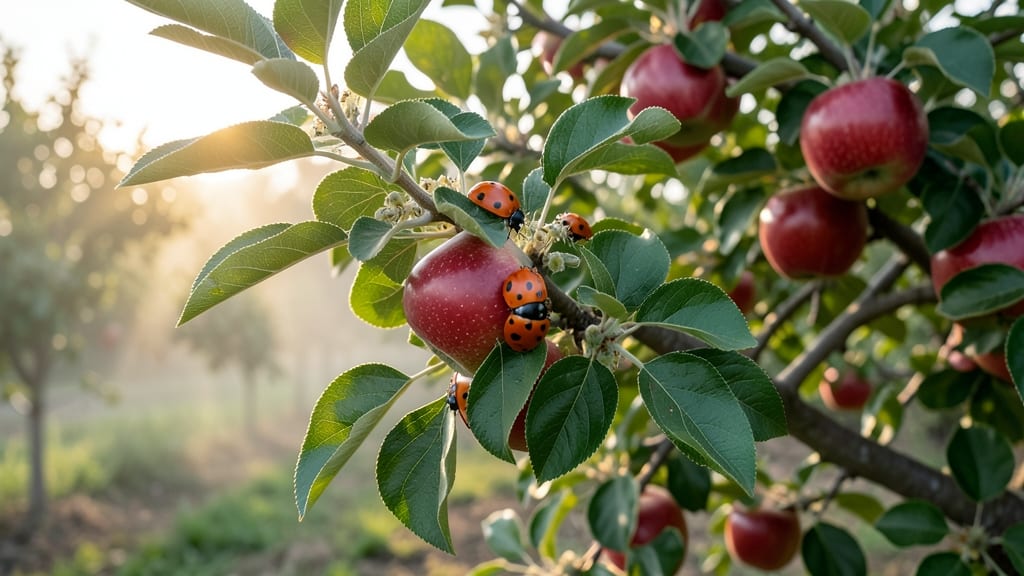
Struggling with aphids or other pests weakening your Red Delicious apple tree? Ladybugs might be your secret weapon—not as pollinators, but as pest controllers that indirectly boost fruit production by keeping trees healthy and stress-free.
These tiny, voracious predators devour hundreds of aphids, mites, and soft-bodied insects daily, reducing the sap-sucking pests that drain tree energy and disrupt pollination. A single ladybug can eat up to 5,000 aphids in its lifetime, making them a natural, chemical-free solution for orchards. Plant dill, fennel, or marigolds nearby to attract them to your garden.
While they won’t replace bees, ladybugs create the ideal conditions for pollinators to thrive by keeping your trees vigorous and pest-free. Perfect for organic gardeners and those seeking low-maintenance pest control. 💚
Hummingbirds for Nectar-Driven Pollination

When bee populations are scarce—especially in early spring—hummingbirds become your orchard’s unsung heroes. These tiny, high-energy pollinators aren’t just for show; they’re efficient at transferring pollen between Red Delicious apple blossoms while feasting on nectar.
Plant native trumpet-shaped flowers like bee balm, columbine, or honeysuckle near your trees to lure them. Hummingbirds prefer bright red, orange, or tubular blooms, and they’ll visit your orchard repeatedly if food sources are abundant. Unlike bees, they’re active in cooler mornings, giving your trees an early pollination boost when other pollinators are still dormant.
This strategy is perfect for small orchards or urban gardens where bee hives aren’t practical. Just avoid pesticides, and you’ll see these feathered helpers zipping between blossoms by late spring. 🌟