
Flowers
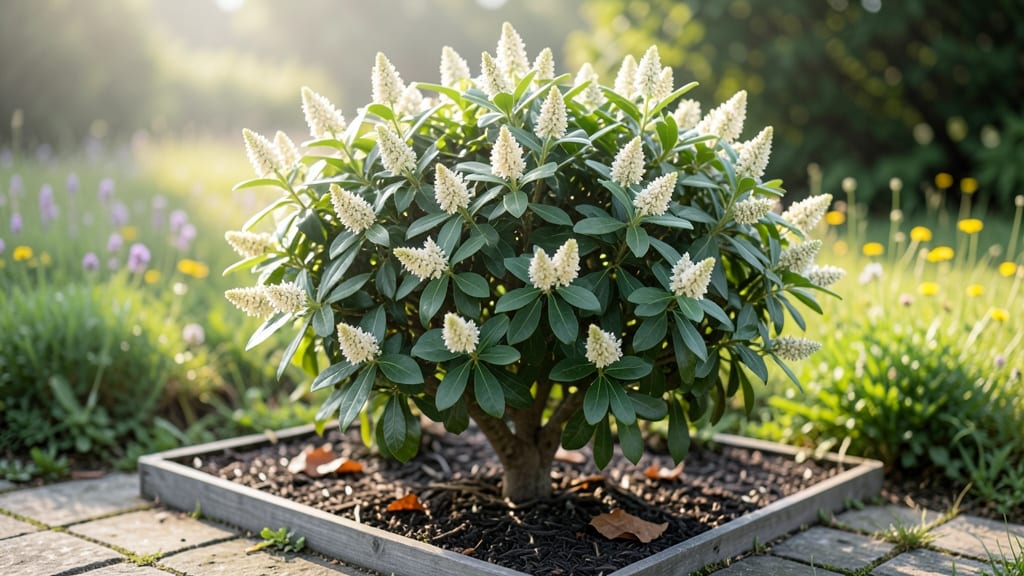
Privet tree flowers burst into delicate white blooms each spring, and the best part? They practically grow themselves once established. 🌿 I’ve watched my own privet hedge transform from scraggly to showstopping in just a few seasons—all with minimal fuss.
These cold-hardy shrubs thrive in full sun to partial shade, tolerating everything from rocky soil to clay. Water them deeply once a week after planting, then let nature take over—they’re drought-tolerant once mature. The key to those lush blooms?
A light pruning in late winter to shape the plant and encourage fresh growth. By midsummer, you’ll be surrounded by fragrant clusters of tiny white flowers that attract bees and butterflies. The best part?
The blooms give way to glossy berries that add winter interest, and the whole plant stays tidy with almost no effort. Perfect for hedges, privacy screens, or even as standalone specimen plants. Here’s how to keep yours thriving year after year—without the constant upkeep.
📚 In This Guide
- What you need
- Instructions
- Tips and common mistakes
- Wrapping up and next steps
What you need
- ● Privet tree seeds or cuttings: Choose Ligustrum vulgare (common privet) or Ligustrum amurense (Amur privet) for cold-hardy varieties. Seeds require stratification (6–8 weeks in a cold, moist environment).
- ● Nursery-grown privet sapling: Opt for a 1–3 gallon container plant (USDA Zones 4–9) for faster results.
- ● Well-draining soil: Mix 60% topsoil, 30% compost, and 10% perlite or coarse sand (pH 6.0–7.5).
- ● Organic mulch: 2–3 inches of shredded bark or wood chips to retain moisture and suppress weeds.
- ● Garden trowel or spade: For digging holes (12–18 inches wide/deep for saplings).
- ● Pruning shears: Sharp, sterilized shears for trimming (sanitize with 10% bleach solution).
- ● Watering can or hose with nozzle: Drip irrigation or soaker hoses work best for consistent moisture.
- ● Garden gloves: Heavy-duty gloves to protect against thorns (especially Ligustrum sinense).
- ● Slow-release fertilizer: 10-10-10 or 5-10-10 NPK ratio (apply in early spring).
- ● Epsom salt: 1 tbsp/month during blooming season for magnesium boost.
- ● Frost cloth: For young plants in Zones 4–5 (protects from late frosts).
- ● Stakes or trellis: Supports tall varieties (e.g., Ligustrum obtusifolium) if grown as a hedge.
Step-by-Step instructions for cultivating privet tree flowers
Here's how to coax those fragrant, cold-resistant blooms from your privet—no fancy pruning skills required!
🌱 Step 1: Choose the Right Location and Soil
Privet thrives in full sun to partial shade, with at least 6 hours of sunlight daily. I always plant mine where they’ll get morning sun and afternoon shade—this prevents leaf scorch while still encouraging flowering. The soil should drain well but retain moisture; privet hates soggy roots.
Amend heavy clay soil with 2-3 inches of compost before planting. Work it into the top 12 inches of soil to improve drainage and nutrient availability. A simple soil test (available at garden centers) ensures the pH is between 6.0 and 7.5—privet flowers best in this neutral range. If your soil is too acidic, a handful of lime mixed into the planting hole will help.
☀️ Step 2: Plant at the Correct Depth and Spacing
Dig a hole twice as wide as the root ball but only as deep as the container’s base. Privet roots are shallow, so burying too deep suffocates them. Gently remove the plant from its container and loosen any circling roots with your fingers—this encourages outward growth instead of girdling.
Place the plant in the hole, backfill with native soil, and water deeply to settle everything. Space 4-6 feet apart for single-trunk specimens or 8-10 feet for multi-stemmed varieties. I always stake young privet trees for the first year—their flexible branches can flop in wind, and upright growth matters for flowering.
💧 Step 3: Water Deeply and Mulch to Retain Moisture
Water once a week for the first month after planting, soaking the soil to 12 inches deep. After establishment, privet is drought-tolerant but flowers best with consistent moisture. You’ll know it’s time to water again when the top 2 inches of soil feel dry—stick your finger in to check.
Spread 2-3 inches of mulch (wood chips or shredded bark) around the base, keeping it 6 inches away from the trunk. This conserves water, suppresses weeds, and regulates soil temperature. Replenish mulch annually—it breaks down faster than you’d think, and bare soil around privet invites weeds that compete for nutrients.
✂️ Step 4: Prune Strategically for Maximum Blooms
Privet flowers on new growth, so pruning after blooming (late summer) encourages next year’s flowers. Use clean, sharp pruners to cut back one-third of the oldest stems to the ground. This rejuvenates the plant and opens the center for better airflow—critical for preventing fungal diseases.
Shape the tree lightly in early spring by removing crossing branches and any that grow inward. Never prune more than 25% of the plant at once, or you’ll shock it into putting energy into regrowth instead of flowering. Watch for new shoots at the base—these are your plant’s way of telling you it’s healthy and ready for more blooms!
🌿 Step 5: Fertilize for Vibrant, Prolonged Blooms
Apply a balanced, slow-release fertilizer (10-10-10) in early spring, following package rates. Privet doesn’t need heavy feeding, but a little goes a long way for those fragrant clusters. I skip fertilizer in the first year after planting—new roots need to establish before they can handle extra nutrients.
For established trees, a light application of compost in late winter gives a natural nutrient boost without risk of overfeeding. Yellowing leaves after fertilization? You’ve overdone it. Flush the soil with water to leach out excess salts, and cut back on feeding for a season. Privet is forgiving, but even it can’t handle neglect and overindulgence!
Tips & tricks for cultivating privet tree flowers
Here's what nobody tells you about growing these cold-hardy beauties that'll make your garden smell like spring.
Lighting Strategy: The 6 hours of sunlight requirement is non-negotiable, but don't panic if your location gets less. Privet can tolerate partial shade, though you'll sacrifice some bloom intensity. I've seen them thrive with just 4 hours of morning sun if afternoon shade is dense. The key is morning light—it kickstarts photosynthesis for the day.
Root Care: When loosening circling roots in Step 2, don't just pull them apart—gently tease them outward with your fingers. This encourages roots to spread horizontally where they can access more nutrients. I've seen plants with girdling roots struggle to flower for years after planting. A 5-minute root massage makes all the difference!
Watering Wisdom: That first month of weekly watering is critical, but don't drown your privet. The soil should feel moist 12 inches down, not soggy. I use a screwdriver to check—if it slides in easily, you're good. Overwatering is the #1 reason privet fails to flower. After establishment, let the top 2 inches dry out between waterings, but never let it get bone-dry.
Pruning Payoff: The one-third pruning rule in Step 4 might seem drastic, but trust me—it works. I've seen neglected privets with dense centers that never bloom properly. Cutting back oldest stems forces new growth from the base, which is where those fragrant flowers appear. Just remember: always cut just above a leaf node or outward-facing bud for best results.
Pro Tips for Privet Tree Flowers
- Here's what nobody tells you about growing these cold-hardy beauties that'll make your garden smell like spring.
- Lighting Strategy: The 6 hours of sunlight requirement is non-negotiable, but don't panic if your location gets less.
- Root Care: When loosening circling roots in Step 2, don't just pull them apart—gently tease them outward with your fingers.
Frequently asked questions
Got questions about privet tree flowers? You’re not alone! Here are some of the most common inquiries—and their answers—to help you grow and enjoy these cold-hardy blooms with confidence.
When do privet tree flowers bloom, and how long do they last?
Privet trees typically bloom in late spring to early summer (May–June in most regions), producing clusters of small, fragrant white or pale yellow flowers. The blooms last 2–3 weeks, but their scent lingers longer, adding charm to your garden. Some varieties may rebloom lightly in fall if conditions are favorable.
Are privet tree flowers cold-hardy? Can they survive frost?
Yes! Privet trees are highly cold-hardy, often thriving in USDA Zones 5–9. Their flowers can usually tolerate light frosts, but late spring freezes may damage buds. To protect them, cover young trees with frost cloth or mulch the base for extra insulation. Established trees bounce back quickly.
Do privet tree flowers attract bees or other pollinators?
Privet flowers are a magnet for bees, butterflies, and beneficial insects, making them a great pollinator-friendly choice. Their nectar supports local ecosystems, and the dense foliage later provides shelter for birds. Just avoid spraying pesticides during bloom time to keep pollinators safe.
Should I prune privet trees to encourage more flowers?
Pruning is minimal for privet trees—overdoing it can reduce blooms. Focus on light shaping in late winter or early spring (before buds swell) to remove dead or crossing branches. Avoid heavy cuts; these trees flower on old wood, so pruning after blooming won’t harm next year’s flowers.
What’s the best alternative if I want fragrant flowers but fewer mess from privet?
If privet’s berries (which are mildly toxic) or invasive tendencies concern you, try these fragrant, low-maintenance alternatives:
- Mock Orange (Philadelphus): Highly fragrant white blooms, deer-resistant.
- Abelia (Abelia x grandiflora): Long-blooming, drought-tolerant, and pollinator-friendly.
- Weigela: Vibrant flowers with minimal pruning needs.
Wrapping up and next steps
Growing privet tree flowers is a rewarding experience—these cold-hardy beauties bring fragrant blooms and lush greenery with minimal fuss! Whether you’re drawn to their Ligustrum varieties for privacy screens or their delicate white clusters, these trees prove that stunning flowers don’t require high-maintenance care.
With the right soil, sunlight, and occasional pruning, you’ll enjoy years of effortless beauty.
Ready to transform your garden? Start small: plant a single privet tree as a test, then expand as you fall in love with its resilience. Happy gardening! 🌸🌿