
Plants
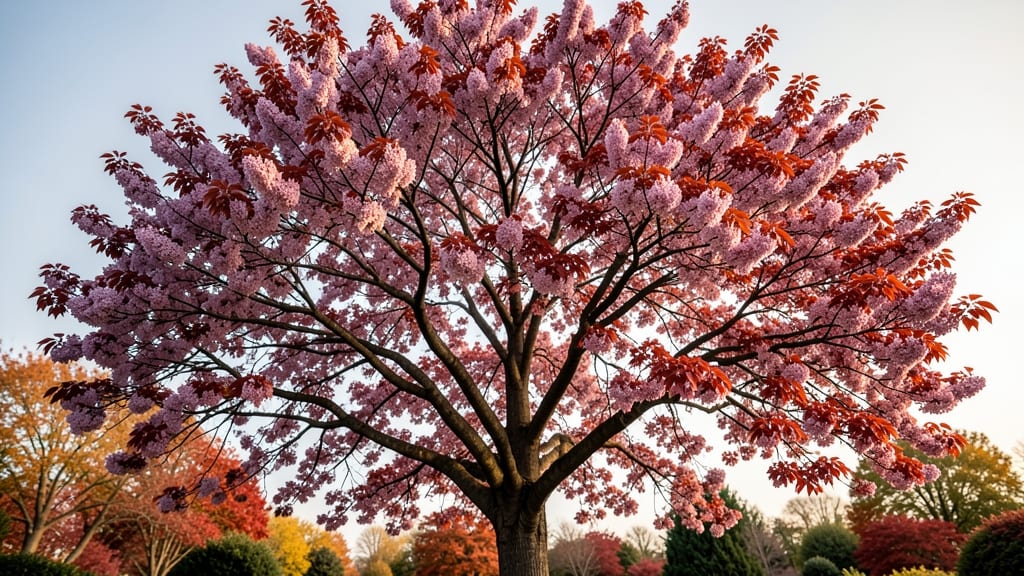
Transform your garden into a fragrant paradise with these ten trees that naturally emit the sweet, intoxicating scent of lilacs. Perfect for attracting bees, butterflies, and hummingbirds while adding timeless beauty to any landscape.
Lilac Tree Varieties for Classic Fragrance
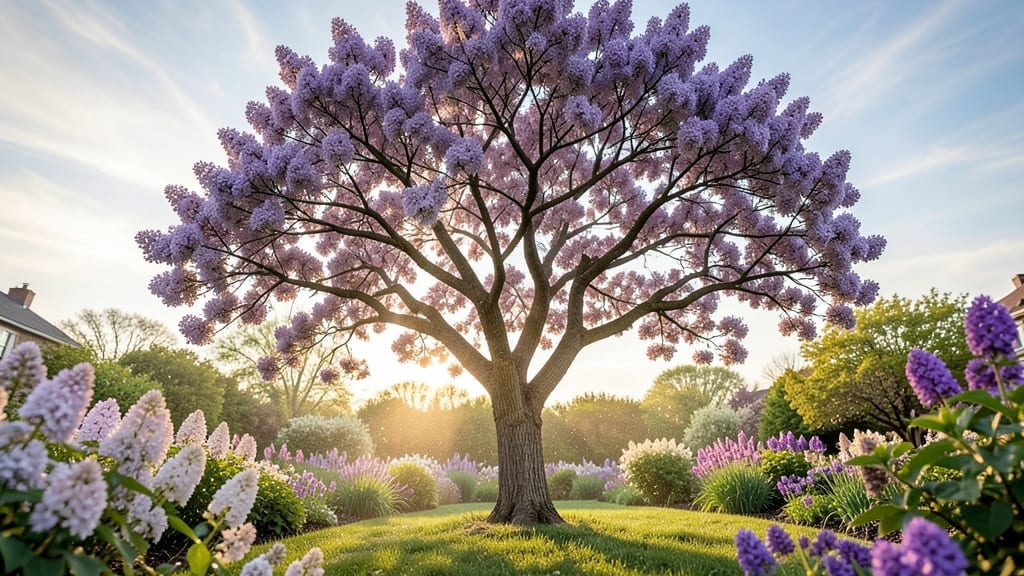
If you crave that unmistakable, sweet fragrance that wafts through spring gardens, lilac trees (Syringa spp.) are the undisputed champions. With over 2,000 cultivars to choose from, you can find the perfect shade—from pale lavender to deep purple—and bloom times ranging from early spring to late summer.
These versatile trees thrive in full sun to partial shade and adapt to various soil types, making them ideal for hedges, borders, or as stunning standalone specimens. For maximum fragrance, plant varieties like 'Katherine Havemeyer' (deep purple) or 'President Lincoln' (lavender-pink) where you can enjoy their scent up close. Prune lightly after blooming to encourage bushier growth and more abundant flowers next season.
Whether you're a beginner or a seasoned gardener, lilacs offer timeless beauty and fragrance that transforms any landscape. Their long-lived nature means decades of enjoyment with minimal effort. 🌷
Mock Orange Tree for Strong Citrus-Lilac Scent
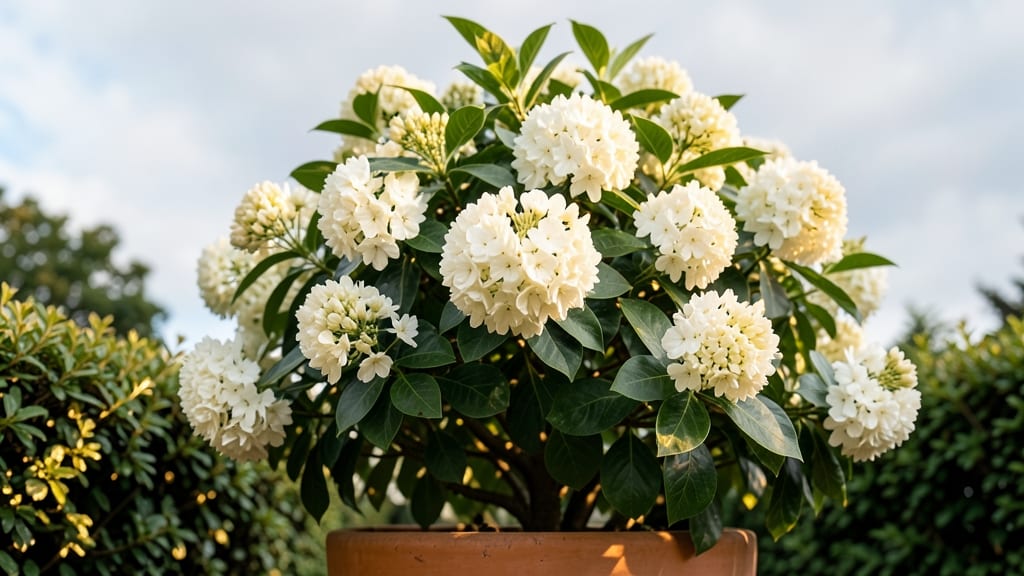
If you love the scent of lilacs but crave something unique, the mock orange tree delivers a fragrant twist with its citrus-lilac aroma—like a cross between a lemon grove and a lilac bush. This hardy shrub or small tree thrives in tight spaces, making it ideal for small gardens, containers, or even urban balconies.
With white, four-petaled flowers that bloom from late spring to summer, mock orange (Philadelphus spp.) attracts pollinators while releasing its signature scent—stronger than many lilacs. It prefers full sun to partial shade and tolerates a range of soils, including clay, as long as drainage is adequate. Varieties like ‘Mock Orange’ or ‘Belle Etoile’ stay compact (4–6 feet tall), perfect for containers.
Urban gardeners and small-space enthusiasts will love how this tree delivers year-round interest—fragrant blooms in summer, glossy foliage, and even winter stems for texture. Its adaptability and intoxicating scent make it a must-have for compact fragrance gardens. 🌻
Fringe Tree with Delicate Lilac-Like Flowers
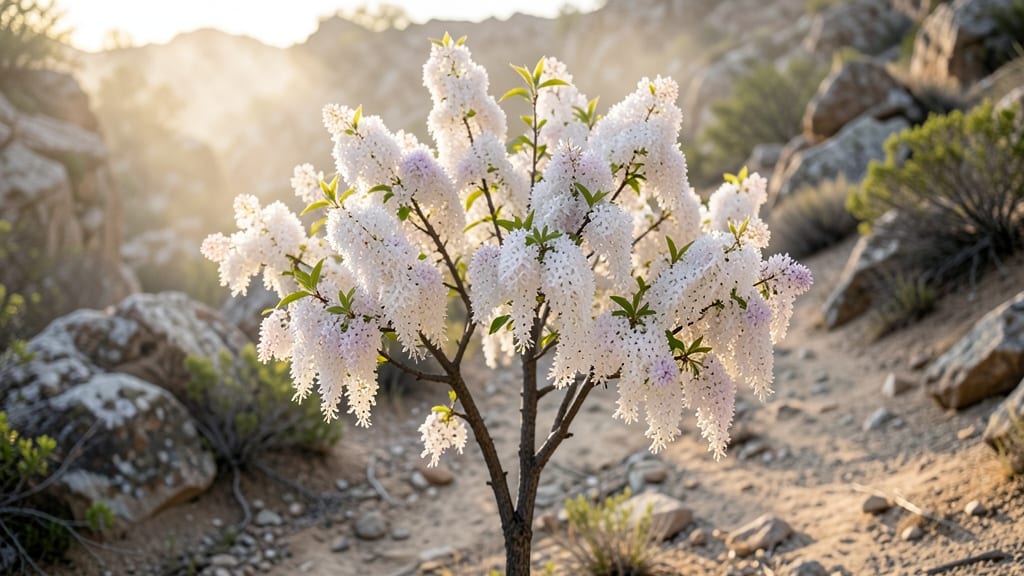
If you love the classic lilac scent but struggle with fussy soil conditions, the fringe tree (Chionanthus virginicus) is your perfect match. This native North American beauty thrives in poor, rocky, or even sandy soil—unlike many fragrant trees that demand rich compost. Its delicate, fringe-like blooms appear in late spring, creating a dreamy, lilac-like aroma that pollinators adore.
Reaching 15–25 feet tall, fringe trees offer year-round interest with glossy green foliage and striking winter exfoliating bark. They’re drought-tolerant once established, making them ideal for low-maintenance landscapes. Plant them in full sun to partial shade for the best fragrance display, and watch bees, butterflies, and hummingbirds flock to their nectar-rich flowers.
Perfect for pollinator gardens, urban landscapes, or even as a specimen tree, fringe trees bring effortless elegance without the high-maintenance requirements of traditional lilacs. 🌿
Japanese Snowbell Tree for Subtle Lilac Notes
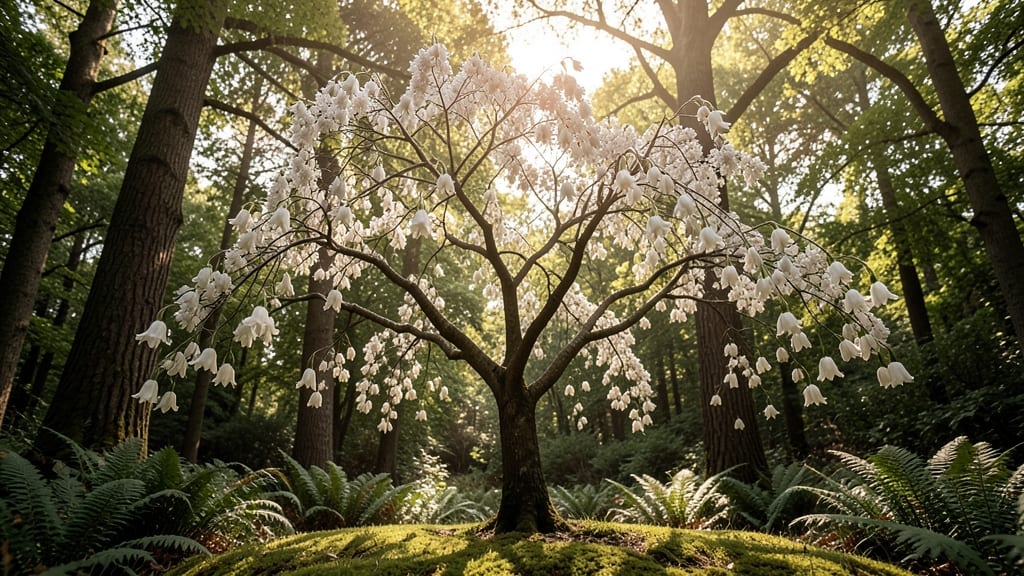
If you dream of a garden that smells like lilacs but struggle with sunny spots, the Japanese Snowbell Tree (Styrax japonica) is your answer. Unlike traditional lilacs, this shade-loving beauty thrives under tall trees or in woodland settings, where its delicate bell-shaped white flowers drift open in late spring, releasing a subtle, lilac-like fragrance that lingers on gentle breezes.
This slow-growing, low-maintenance tree reaches 15–20 feet tall with a graceful, rounded form—ideal for understory planting or as a focal point in shaded borders. It prefers moist, well-draining soil and tolerates urban pollution, making it perfect for city gardens with limited sunlight. Prune lightly after flowering to shape, but avoid heavy cuts to preserve its natural elegance.
Woodland gardeners and pollinator enthusiasts will love this tree’s ability to attract bees and butterflies without competing with sun-loving plants. Its year-round interest—from spring blooms to winter bark texture—makes it a quiet, fragrant standout. 🌿
Dwarf Lilac Bush for Small Spaces
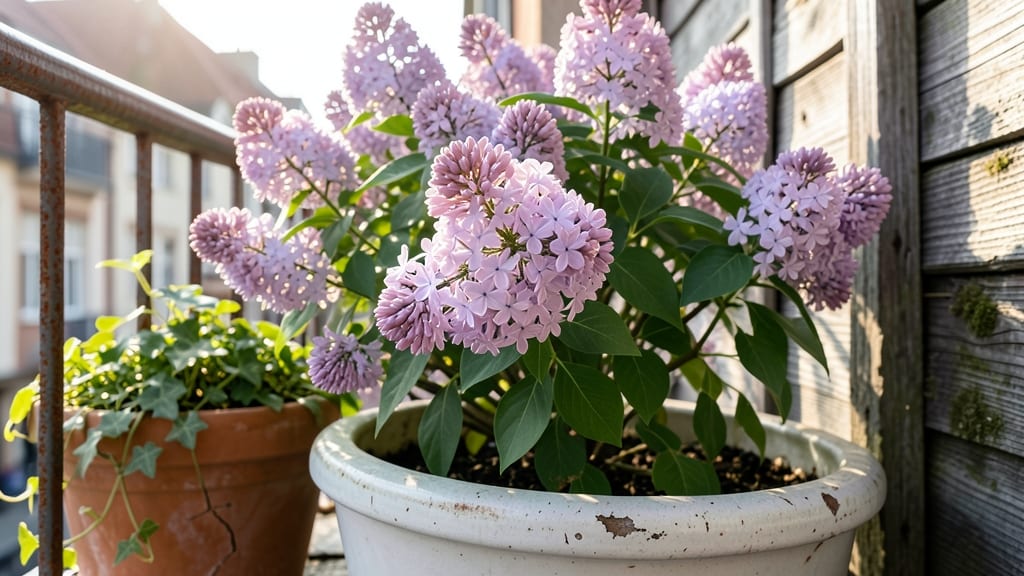
No more sacrificing fragrance for space—dwarf lilac bushes pack the same intoxicating scent as their larger counterparts but stay neatly contained at just 3-5 feet tall. These compact shrubs thrive in containers, along fences, or as border plants, making them ideal for urban balconies and small yards where traditional lilacs would overwhelm the space.
Plant them in full sun to partial shade and well-drained soil for best results. Prune lightly after flowering to maintain shape, and enjoy spring blooms that attract bees and butterflies while filling your space with that classic lilac perfume. The 'Miss Kim' cultivar is especially popular for its hardiness and compact growth.
Perfect for beginners or busy gardeners, these low-maintenance shrubs deliver high rewards with minimal effort—just add water and enjoy the sweet aroma. 🌱
Carolina Silverbell with Lilac-Like Perfume
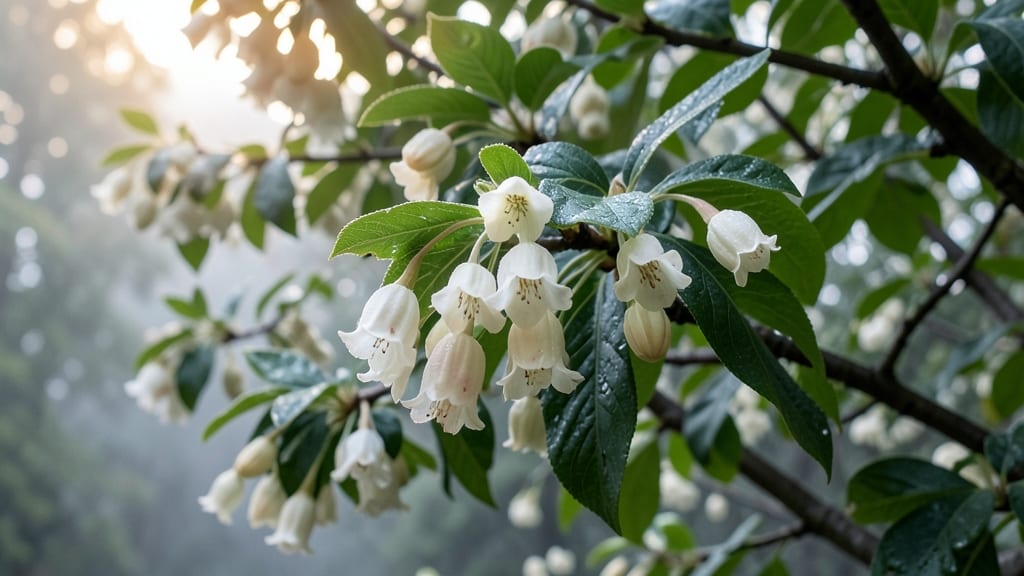
If you love the scent of lilacs but want a tree that thrives in the humid South, the Carolina silverbell (Halesia carolina) is your perfect match. This native beauty produces delicate, bell-shaped white flowers in early spring, releasing a sweet fragrance that’s subtly reminiscent of lilacs—without the fuss of traditional cultivars.
Unlike many fragrant trees, Carolina silverbell handles high humidity and heat with ease, making it ideal for gardens from the Carolinas to Georgia. Its neon-green foliage adds a pop of color, and the tree attracts hummingbirds with its nectar-rich blooms. Plant it in partial shade to full sun for the best fragrance and growth.
Perfect for gardeners in the Southeast, this low-maintenance tree offers year-round interest with its graceful branching and autumn color. It’s also a fantastic choice for pollinator gardens where you want native plants that thrive without extra care. 🌟
Deutzia Shrub for Spring Lilac Fragrance
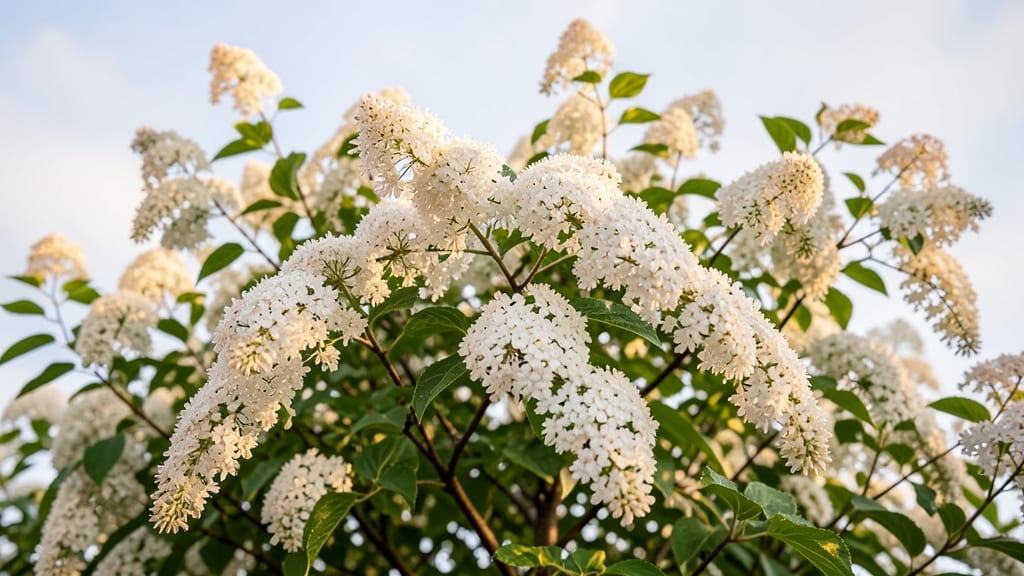
If you love the classic lilac scent but want something more versatile than traditional lilac trees, Deutzia is your perfect match. This deciduous shrub bursts with clusters of small, fragrant white flowers that smell like lilacs but offer a lighter, airier look—ideal for borders, hedges, or foundation plantings.
Deutzia thrives in partial shade to full sun and handles a range of soil types, making it low-maintenance for busy gardeners. Its late spring blooms (May-June) attract pollinators like bees and butterflies, while its glossy green foliage provides year-round interest. Prune lightly after flowering to shape it or encourage denser growth.
Perfect for urban gardens, small yards, or pollinator-friendly landscapes, Deutzia adds fragrance without the bulk of larger lilac trees. 🌿
Weigela Tree for Long-Blooming Lilac-Like Scent
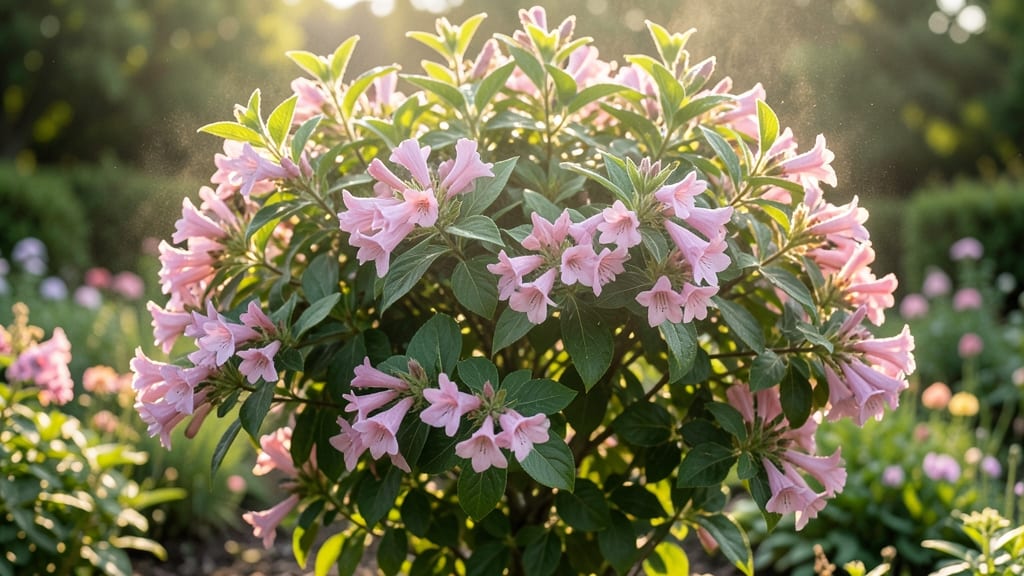
If you want a fragrant garden that stays beautiful well into summer, weigela is your secret weapon. This versatile shrub or small tree produces tubular pink flowers that release a delicate lilac-like scent from late spring through early summer—longer than most lilacs.
Weigela thrives in full sun to partial shade and adapts to various soil types, making it perfect for mixed borders or wildlife gardens. Prune lightly after blooming to encourage more flowers next season, and watch as butterflies and hummingbirds flock to its nectar-rich blooms. The vibrant foliage also turns stunning shades of red and orange in fall, adding year-round interest. 🌻
Japanese Tree Lilac for Late-Season Fragrance
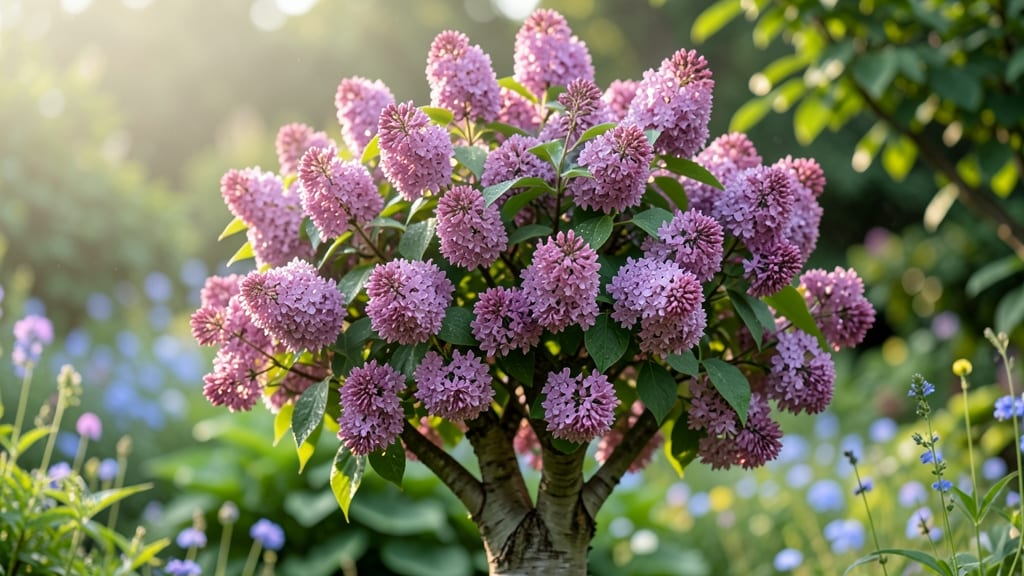
If your garden craves fragrance beyond the typical spring bloom, the Japanese tree lilac (Syringa reticulata) delivers a late-season surprise. Unlike its early-blooming relatives, this compact tree bursts with lilac-like blooms in June or July, just as many pollinators are searching for nectar.
This smaller, multi-stemmed tree grows just 15–20 feet tall, making it ideal for urban gardens or mixed borders. Its fragrant, lavender-pink flowers attract bees, butterflies, and hummingbirds when other lilacs have faded—extending your garden’s pollinator support by weeks. Plant it in full sun with well-drained soil for the best fragrance and blooms.
Perfect for gardeners who want year-round interest—its exfoliating bark adds winter charm, while the late blooms reward you with a second wave of scent. 🌷
Lilac-Scented Cherry Tree for Dramatic Blooms

Looking for a statement-making tree that combines the romance of lilacs with the drama of cherry blossoms? The lilac-scented cherry tree (Prunus × cistena) delivers fragrant pink blooms in spring, followed by glossy, cherry-like foliage that turns fiery red in fall—making it a year-round showstopper.
This hardy hybrid thrives in full sun to partial shade and tolerates urban pollution, perfect for city gardens or large landscapes. Plant it as a solitary specimen near seating areas to enjoy its sweet, intoxicating scent up close. Prune lightly after flowering to maintain its natural shape and encourage future blooms.
Urban gardeners and pollinator enthusiasts will love this tree for its low-maintenance nature and double appeal—bees adore the flowers, while humans savor the fragrance. 🌻