
Pruning
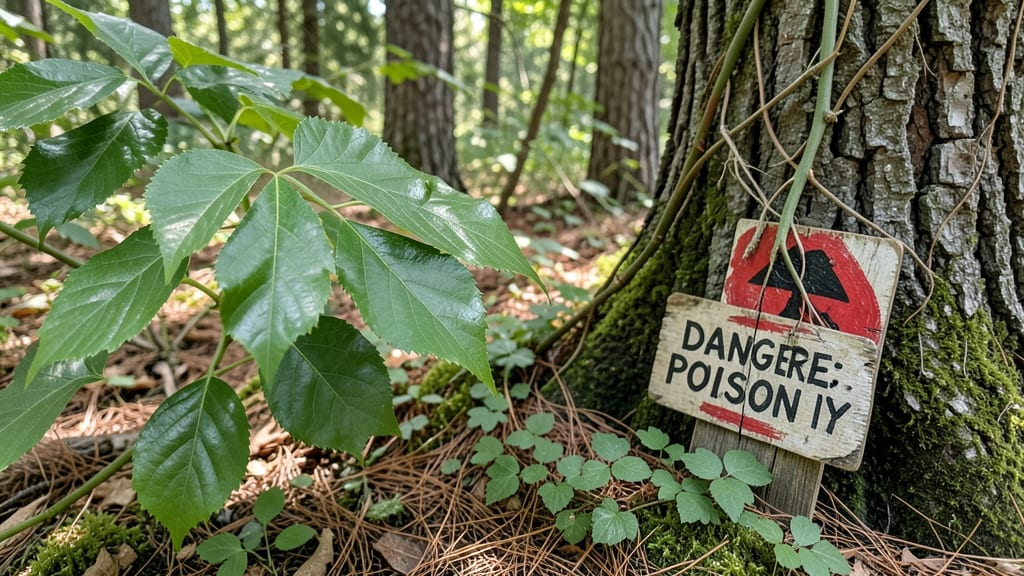
Poison ivy climbing your tree is like a toxic tenant refusing to leave—it won’t go quietly unless you prune it right. 🌿 The key is cutting the vines at the base and digging out the roots completely, or it’ll bounce back next spring with a vengeance.
I’ve spent three summers battling this stubborn vine, and I’ve learned which tools actually work (and which just waste your time). The worst mistake? Snipping vines without gloves or long sleeves—those oils linger on your skin for weeks.
You’ll need thick rubber gloves, pruning shears, and a trowel for root removal. Start high and work downward, sealing cut stumps with vinegar or horticultural oil to prevent regrowth. One wrong move, and you’ll be back at square one with more itchy patches than you started with.
By the time you’re done, your tree will look clean, and your yard will be free of that sneaky green invader. The real win? No more poison ivy patches popping up where you least expect them.
This method works for arborvitaes, oaks, or even fence posts—just adjust your approach based on how high the vines climb. Fair warning: This isn’t a quick fix. It’ll take patience, elbow grease, and a few extra trips to the hardware store for supplies.
But trust me, your skin will thank you—and so will your tree. Let’s get started with the right tools and techniques.
How Poison Ivy Invades Trees
Poison ivy doesn’t just randomly appear on tree vines—it’s a strategic survivor that exploits specific conditions to take hold. Understanding why it clings to trees helps you identify weak spots and prune effectively to stop its spread. Here’s why this pesky vine becomes a tree’s unwanted roommate.
Poison ivy thrives in the dappled shade of tree canopies because it mimics the growth habits of native vines. Trees provide:
- Moisture retention: Leaves and bark trap humidity, keeping poison ivy’s roots hydrated even during dry spells.
- Structural support: Trees act as living trellises, letting the vine climb higher for sunlight while avoiding ground competition.
- Nutrient access: Some trees (like oaks or maples) have shallow roots that overlap with poison ivy’s rhizomes, creating a shared nutrient zone.
Actionable insight: If your tree’s branches are heavily tangled with poison ivy, it’s likely using the tree as a nutrient highway. Prune aggressively to sever connections before the vine spreads to neighboring trees.
Poison ivy’s underground network of rhizomes (horizontal roots) and taproots competes directly with tree roots for:
- Water: In drought-prone areas, poison ivy’s deep roots can outcompete trees, causing leaf yellowing or dieback.
- Minerals: It secretes allelochemicals (natural toxins) that inhibit nearby plants’ root growth, including trees.
- Space: Dense rhizomes can smother tree roots, reducing oxygen flow and leading to anaerobic stress.
💡 Pro tip: If your tree is suddenly struggling with wilting or stunted growth, check the soil for poison ivy roots. A soil probe test can reveal if the vine is undermining your tree’s health.
Poison ivy is a heliophyte (sun-loving plant), but it’s also a shade-tolerant opportunist. On trees, it exploits:
- Gaps in the canopy: If a tree is thinned or damaged, poison ivy fills the light gaps faster than native vines.
- Vertical growth advantages: Unlike ground-level plants, climbing poison ivy escapes competition by reaching higher branches.
- Seasonal light shifts: In fall/winter, when deciduous trees drop leaves, poison ivy seizes the moment to photosynthesize unchecked.
✨ Key strategy: Prune trees in early spring (before new growth) to starve out poison ivy by removing its sunlight advantage. Use targeted cuts to block its climb.
Poison ivy often hitches a ride through:
- Animal fur/tracks: Deer, raccoons, and even birds carry poison ivy seeds or fragments, dropping them near trees.
- Gardening tools: Pruners, rakes, or boots can transfer rhizome pieces to new areas when moving between plants.
- Wind and water: Seeds (or broken vine fragments) travel via storms or irrigation runoff, landing on tree trunks or roots.
🚨 Critical warning: If you’re pruning poison ivy, disinfect tools with rubbing alcohol between cuts to avoid spreading it to other trees. Wear gloves and long sleeves—even dead vines can trigger reactions!
By recognizing these invasion triggers, you can disrupt poison ivy’s lifecycle before it becomes a permanent fixture on your trees. The next step? Learn how to prune like a pro to eliminate it for good.
How to Remove and Prevent It
Dealing with poison ivy creeping up a tree vine can feel like a never-ending battle, but with the right approach, you can eliminate it for good.
Below are targeted solutions tailored to the root cause—whether it’s an infestation, regrowth, or prevention—so you can reclaim your yard without the itch (or the stress).
🔪 1. Prune the Vines (Safely!)
Poison ivy thrives by clinging to trees and spreading via its roots. The first step is aggressive pruning—but do it right to avoid spreading oils or leaving behind stubborn roots.
- Wear protective gear: Long sleeves, gloves (preferably disposable), and goggles. A mask helps if you’re burning debris later. - Cut at the base: Use clean, sharp pruners or loppers to sever vines as close to the ground as possible.
For thick vines, make a deep cut (almost to the trunk) to weaken the plant. - Bag the clippings: Place cuttings in sealed plastic bags (not compost or yard waste) to prevent re-rooting or oil transfer.
Double-bag if possible. - 💡 Pro Tip: Spray vines with soapy water (1 tbsp dish soap per gallon) before cutting. This breaks down the urushiol oil and makes cleanup easier.
🌱 2. Smother or Solarize the Roots
Even after pruning, roots can regrow. Starve them out with these methods:
| Method | How to Do It | Best For |
|---|---|---|
| Cardboard/Sheet Mulching | Cover the area with thick cardboard or newspaper, then top with 4+ inches of mulch (wood chips or straw). | Small patches, ornamental trees |
| Black Plastic Solarization | Lay clear or black plastic sheeting over the root zone for 4–6 weeks in sunny weather. The heat kills roots. | Large infestations, driveways |
| Vinegar or Salt Solution | Spray undiluted vinegar (acetic acid) or a saltwater mix (1 cup salt per gallon) directly on exposed roots. Reapply weekly. | Early-stage regrowth |
⚠️ Warning: Vinegar and salt can harm nearby plants—test on a small area first.
🧪 3. Apply Herbicide (If Needed)
For stubborn cases, targeted herbicides work best. Avoid spraying the entire tree—focus only on the poison ivy.
- Glyphosate (Roundup): Mix with water and apply to cut stumps or foliage on a wind-free day. Reapply after rain. - Horticultural Vinegar: A 20% acetic acid solution (stronger than household vinegar) kills roots on contact.
Spray on a dry, sunny day. - 💡 Pro Tip: Use a paintbrush to apply herbicide directly to root crowns—this ensures full absorption.
🌳 1. Block Light and Moisture
Poison ivy loves shady, damp spots. Reduce its habitat with these tricks:
- Trim tree branches to increase sunlight in the understory.
- Improve drainage by aerating soil or adding gravel.
- Install a root barrier (landscape fabric) around tree bases to block creeping vines.
🌱 2. Monitor and Maintain
- Inspect trees every 2–3 months for new growth.
- Remove weeds near tree bases—poison ivy often hitches a ride on other plants.
- Teach kids/pets to avoid scratching or playing near infested areas.
🔥 3.
Natural Deterrents (Optional) While not foolproof, these can discourage regrowth: - Plant competitive ground covers (like clover or creeping thyme) to outcompete poison ivy. - Spread wood ash around tree bases—it raises soil pH, which poison ivy dislikes. - Encourage beneficial insects (like ladybugs) that may feed on young poison ivy shoots.
- Wash tools with rubbing alcohol after pruning to remove urushiol oil.
- Shower immediately if you touch the plant—use cool water and soap (hot water can spread oils).
- Wash clothes separately in hot water to prevent cross-contamination.
By combining pruning, smothering, and prevention, you can completely eliminate poison ivy from your tree vine—no itchy surprises next season! 🚫🌿
Frequently asked questions
How do I know if the climbing vine on my tree is poison ivy?
Look for three glossy leaflets arranged in a trifoliate pattern and check for the "remember the berries" phrase—poison ivy produces white berries in clusters. The leaves are alternate (not opposite) and have a smooth or slightly hairy texture. Rubbing the leaves releases an oily residue that can cause rashes.
Can poison ivy kill my tree?
While poison ivy itself won't kill a healthy tree, its rhizomes can compete for water and nutrients, weakening the tree over time. The real danger is when the vine smothers branches or blocks sunlight, leading to dieback. If your tree shows signs of stress (yellowing leaves, stunted growth), the ivy may be contributing.
What’s the safest way to remove poison ivy from a tree?
Start by wearing disposable gloves and long sleeves, then cut vines at the base with clean pruners. Bag all clippings immediately in sealed plastic. For stubborn roots, apply undiluted vinegar or glyphosate directly to the base. Always wash tools and skin thoroughly after handling. Never burn poison ivy—it releases toxic fumes!
Will poison ivy grow back if I only cut the vines?
Yes! Cutting vines alone won’t stop regrowth because the roots and rhizomes remain intact. You must also treat the soil with solarization (black plastic) or smother it with cardboard/mulch to prevent new shoots. Without root treatment, you’ll see fresh growth within weeks.
How long does urushiol oil stay active on tools or clothes?
Urushiol oil can remain active for up to 5 years on surfaces and months on clothing. Wash tools with rubbing alcohol and launder clothes in hot water immediately. Store tools in sealed containers to prevent contamination. Even dead vines contain oil—handle them with care!