
Pruning
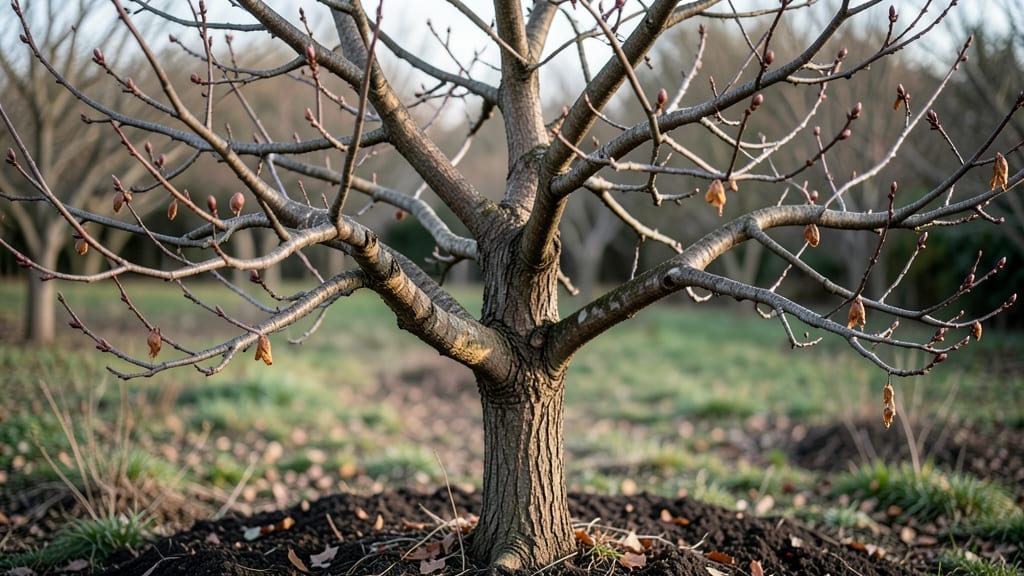
A dormant plum tree slows growth and conserves energy during winter months, making it the ideal time to prune dead branches and shape the tree. Protecting it from extreme cold ensures vibrant spring blooms and fruit production.
A dormant plum tree's winter rest is actually a survival strategy—when temperatures drop, the tree shifts into a low-energy mode to protect its delicate buds from frost damage. 🌿 This dormancy period also allows the tree to reset, preparing for the burst of growth that comes with spring.
I've seen firsthand how proper winter care, like mulching around the base and avoiding heavy pruning, can make all the difference in the tree's health when new leaves emerge.
During this dormant phase, plum trees are particularly vulnerable to cold snaps, so wrapping the trunk with burlap or using tree guards can provide critical protection.
The timing of pruning is also key—late winter, just before buds begin to swell, is when you should remove dead or crossing branches to improve airflow and sunlight penetration.
What many gardeners overlook is that dormant pruning stimulates new growth by redirecting the tree's energy toward stronger, healthier branches. This is why thinning out dense areas isn't just about aesthetics—it's about setting your plum tree up for a more productive spring and summer.
Just remember to sterilize your pruning tools between cuts to prevent disease spread.
💡 In This Article
- Why Plum Trees Go Dormant in Winter
- Step-by-Step Guide to Pruning a Dormant Plum Tree
Why plum trees go dormant in winter
When autumn arrives and temperatures consistently drop below 50°F, plum trees trigger a biological response called endodormancy. This is when the tree's growth hormones—like abscisic acid—increase while growth-promoting hormones like auxin decrease. The result?
Leaves turn brown and fall, and the tree essentially "pauses" its metabolic processes to conserve energy. This isn't just laziness—it's a survival mechanism to protect delicate tissues from frost damage, which can kill the tree's vascular system if it remains active.
The dormancy process involves a fascinating biological trick called cold stratification. As temperatures hover around 32-40°F for weeks, the tree's buds undergo a chemical change that prepares them to break dormancy when warm weather returns.
Think of it like a seed needing a cold period to germinate—without this chilling requirement, plum tree buds might stay dormant even when spring arrives. 🌱 For example, European plum varieties often need 500-1,000 hours below 45°F to fully satisfy their chilling requirement, while Japanese plums may need slightly less.
This resting phase also helps the tree store nutrients. During dormancy, the tree redirects its energy toward root growth and building up reserves in its trunk and branches. These stored carbohydrates—like sucrose and starch—will fuel the rapid growth spurt that happens in early spring.
Without this preparation, the tree would struggle to produce leaves, flowers, and eventually fruit. I've noticed that well-rested plum trees bloom earlier and more vigorously than those that didn't get proper winter dormancy.
Dormancy isn't just about survival—it's also about timing. The tree uses environmental cues like daylight length and temperature to "count down" the winter. When the days start lengthening in late winter, the tree's internal clock signals it's time to wake up.
This is why late winter is the perfect time for pruning—you're working with a tree that's already prepared to redirect its energy toward new growth rather than maintaining old, damaged branches.
However, dormancy comes with risks. If winter temperatures fluctuate wildly—say, a sudden warm spell followed by a hard freeze—it can trick the tree into breaking dormancy too early. This is called false spring, and it can leave tender new growth vulnerable to frost damage.
That's why protecting your plum tree with burlap wraps or tree guards during extreme cold snaps is so important. These barriers create a microclimate that can keep the trunk 10-15°F warmer than the surrounding air.
One interesting detail is how different plum varieties handle dormancy. For instance, Stanley plums, a popular hybrid, are more cold-hardy and can tolerate winters down to -20°F, while Santa Rosa plums prefer milder winters above 10°F.
Choosing the right variety for your climate zone is crucial for ensuring successful dormancy and spring recovery. Always check the USDA hardiness zone ratings when selecting plum trees for your garden.