
Pruning
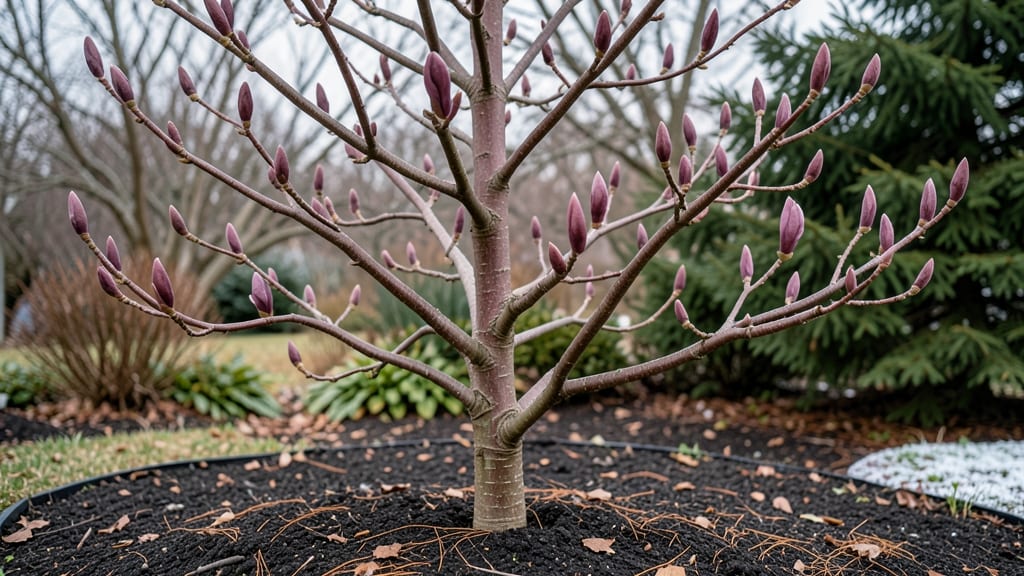
Those plump, purple magnolia tree buds in winter aren't just pretty—they're the promise of next summer's showstopping blooms. 🌿 I've watched my own magnolia go from bare branches to a cloud of pink and white in just a few months, all because I learned to respect those winter buds.
They're not just dormant; they're preparing, storing energy for the big bloom ahead.
The key is protecting them from cold damage while avoiding pruning mistakes that could rob you of flowers. I've seen buds freeze in harsh winters, only to shrivel by spring, and learned that wrapping young trees or using frost cloth can make all the difference.
Even mature trees benefit from a little extra care—just don't prune now, or you'll risk cutting off next year's blooms.
What you'll notice by late winter are buds that feel firm and plump, not shriveled or mushy. Healthy buds stay tightly closed, while damaged ones may leak sap or look wrinkled.
A light spray of horticultural oil in late winter can prevent pests from settling in before bloom time, giving your tree the best possible start.
This winter care pays off in spectacular spring blooms that last weeks longer than unprotected trees. The secret isn't complicated—just observation and gentle protection. Your magnolia will thank you with flowers that make every winter's effort worthwhile.
📚 In This Guide
- What you need
- Instructions
- Tips and common mistakes
- Wrapping up and next steps
What you need
- ● Pruning shears or loppers: Choose bypass types (not anvil) for clean cuts—10-inch to 12-inch loppers for thicker branches (1.5"–2" diameter). Sharpness is key!
- ● Hand pruners: A high-quality, bypass-style pair (e.g., Felco or Fiskars) for smaller branches (under 0.5").
- ○ Pruning saw: Curved-tooth saw (like a bow saw) for branches thicker than 2" (optional but handy for stubborn cuts).
- ● Gloves: Heavy-duty, cut-resistant gloves (e.g., Mechanix or leather work gloves) to protect from thorns and rough bark.
- ● Disinfectant: 70% isopropyl alcohol or a 10% bleach solution (1 part bleach to 9 parts water) to sterilize tools between cuts and prevent disease spread.
- ● Rag or paper towels: For wiping down tools and hands.
- ● Ladder or stool: A stable, extendable ladder (or a telescoping stool) if your tree is over 6 feet tall. Safety first—secure it to the tree if needed!
- ● Trash bags or bucket: For collecting pruned branches and debris.
- ● Pruning sealant: Tree wound paint (e.g., Tanglefoot Tree Wound Pruning Seal) for large cuts over 1.5" in diameter (controversial but some gardeners swear by it!).
- ● Garden kneeler/pad: For comfort if you’re working close to the ground.
- ● Magnifying glass: To inspect buds and cuts up close (especially useful for smaller or delicate varieties like Magnolia stellata).
- ● Camera or phone: To document your tree’s structure before/after pruning—great for tracking progress!
- ● First-aid kit: Just in case those magnolia thorns get the best of you!
Step-by-step guide to pruning magnolia tree buds in winter
Winter’s the perfect time to shape your magnolia—here’s how to trim for stronger blooms next spring.
✂️ Step 1: Wait Until After the First Hard Frost
Never prune before the ground freezes. The first hard frost signals your magnolia has fully entered dormancy—this prevents stress that could invite disease. I wait until mid-to-late winter (January-February in most climates) when temps consistently stay below 32°F at night.
Check the buds: they should feel firm and woody, not soft or swollen. If you see any green or plump buds, wait another week. Pruning too early wakes up the tree, and those buds won’t survive the cold. Think of it like waiting for frost on strawberries—timing is everything.
🌿 Step 2: Identify and Remove Dead or Crossing Branches
Start by scanning your magnolia for dead wood—branches that snap easily, have no leaves, or ooze sap when cut. These are easy to spot: they’ll look grayish-brown and feel hollow when tapped. Remove these first with clean, sharp pruners—never leave stubs longer than ¼ inch.
Next, look for branches that cross or rub against each other. These create wounds that weaken the tree and trap moisture, leading to rot. I like to step back and imagine the tree’s natural shape—remove anything growing inward or upward. You’ll know you’re on the right track when you can see light filtering through the canopy evenly.
✂️ Step 3: Thin Out for Better Airflow and Light
Magnolias bloom on old wood, so avoid heavy pruning—focus on thinning instead. Select branches to remove based on their position: prioritize those growing straight up or outward from the center. Aim to reduce the canopy’s density by no more than 25% in one season.
Use your pruners to make clean cuts at a 45-degree angle, just outside the branch collar (the swollen area where the branch meets the trunk). Avoid cutting flush—this leaves a wound that heals poorly. If a branch is thicker than your wrist, use a saw instead. You’ll see the difference in spring when sunlight reaches the inner buds.
☀️ Step 4: Shape for Future Growth and Bloom Display
Now’s the time to refine the tree’s form. Step back and visualize how you want the magnolia to look in full bloom. For small trees, I often create a slightly rounded shape by trimming the top branches slightly longer than the lower ones. For larger specimens, maintain a natural, open vase shape to showcase the flowers.
Never remove more than ⅓ of the canopy in a single year. Magnolias are slow to recover from heavy pruning, and you’ll sacrifice next year’s blooms. Focus on creating balance—look for symmetry in the branch distribution. If you’re unsure, take a photo first and compare it to reference images of healthy magnolias.
🪴 Step 5: Clean Up and Protect the Tree
After pruning, rake up all debris and dispose of it in the trash—not the compost. Magnolia branches can harbor pests like scale or borers, and you don’t want to reintroduce them to your garden. Wipe down your tools with rubbing alcohol to prevent spreading disease between cuts.
Apply a thin layer of dormant oil spray (if you have it) to protect against overwintering pests. Water the base of the tree deeply if your winter has been dry—just enough to moisten the soil 6 inches down. Mulch lightly with 2-3 inches of organic mulch (like shredded bark) to insulate the roots without smothering them.
Tips & tricks for pruning magnolia buds in winter
These simple strategies will help you prune your magnolia like a pro—without sacrificing next year’s stunning blooms.
Timing is Everything: The first hard frost is your cue to start, but don’t rush! I’ve learned the hard way that pruning too early can wake up dormant buds and leave them vulnerable to cold damage. Wait until January-February when nighttime temps consistently stay below 32°F—this ensures your tree is in true dormancy. A quick test: tap a bud—if it feels firm and woody, not soft or swollen, you’re good to go.
Tool Prep Matters: Sharp, clean tools are non-negotiable. I disinfect my pruners with rubbing alcohol between cuts to prevent spreading disease from one branch to another. For thicker branches (wider than your wrist), switch to a pruning saw—it gives you more control and prevents tearing. And always cut just outside the branch collar at a 45-degree angle—this promotes faster healing and reduces the risk of rot.
Visualize Your Tree’s Future: Before making any cuts, step back and imagine your magnolia in full bloom. For small trees, I aim for a slightly rounded shape with the top branches slightly longer than the lower ones. For larger specimens, an open vase shape works best—this allows sunlight to reach all the buds and encourages even blooming. Remember: never remove more than ⅓ of the canopy in a single year, or you’ll sacrifice next spring’s flowers.
Post-Pruning Care: After you’ve finished trimming, don’t just walk away! Rake up all debris and toss it in the trash—magnolia branches can harbor pests that’ll reinfect your tree. If your winter’s been dry, water deeply to moisten the soil 6 inches down. Then add a 2-3 inch layer of organic mulch around the base to insulate the roots. This final step makes all the difference in helping your tree recover and prepare for spring.
Pro Tips for Magnolia Tree Buds In Winter
- These simple strategies will help you prune your magnolia like a pro—without sacrificing next year’s stunning blooms.
- Timing is Everything: The first hard frost is your cue to start, but don’t rush!
- Tool Prep Matters: Sharp, clean tools are non-negotiable.
Frequently asked questions
Got questions about your magnolia’s winter buds? You’re not alone! Here are answers to the most common concerns—so you can prune with confidence and help those stunning spring blooms shine brighter than ever.
Can I prune magnolia tree buds in winter, or will it harm the tree?
Yes, you can prune magnolia tree buds in winter—but timing matters! Prune after the coldest snap (typically late winter, zones 7-9) when the tree is still dormant but the threat of frost has passed. Avoid heavy pruning if buds are already swollen (signs of early growth). Light shaping is safe; aggressive cuts can stress the tree or remove next year’s blooms.
When is the best time to trim magnolia buds for spring blooms?
The ideal window is February to early March in most regions (adjust for your hardiness zone). Look for frost-free days when temperatures hover above 40°F (4°C). Prune before buds begin to plump up (a sign of impending growth). Pro tip: Wait until late winter to avoid encouraging early growth that could be damaged by late frosts.
How do I know if I’m pruning the right buds for spring flowers?
Magnolia buds form in clusters—look for large, rounded buds (flower buds) vs. smaller, pointed ones (leaf buds). Flower buds are usually fatter and smoother, often appearing in groups of 2–5. Avoid cutting into these clusters! If unsure, err on the side of caution: prune only dead, crossing, or overcrowded branches to maintain airflow.
What if winter weather ruins my magnolia buds before I can prune?
Don’t panic! Magnolia trees are resilient. If buds are blackened, mushy, or shriveled from frost or disease, they’re likely dead—prune them out. However, if buds are brown but still firm, they may recover. Wait until late winter to assess damage. For extra protection, mulch the base and avoid overhead watering in freezing temps.
Are there alternatives if I miss the winter pruning window?
Yes! You can prune lightly in early spring (just as leaves emerge), but avoid heavy cuts—this risks removing next year’s flower buds. If you skipped winter pruning entirely, focus on removing dead wood and shaping in spring. For evergreen magnolias, summer pruning (after blooming) is also an option, but it’s less ideal for deciduous varieties.
Wrapping up and next steps
Winter is the perfect time to nurture your magnolia’s future blooms—pruning dormant buds now ensures a stunning spring revival! 🌸 By following the right techniques, you’ll encourage healthier growth and vibrant flowers while protecting your tree from pests and disease. Don’t wait—grab those shears and give your magnolia the care it deserves!
Ready to take action? Mark your calendar for late winter (just before buds swell) and start pruning! With patience and precision, your magnolia will reward you with breathtaking blossoms come spring. 🌿 Start your pruning checklist today!