
Trees
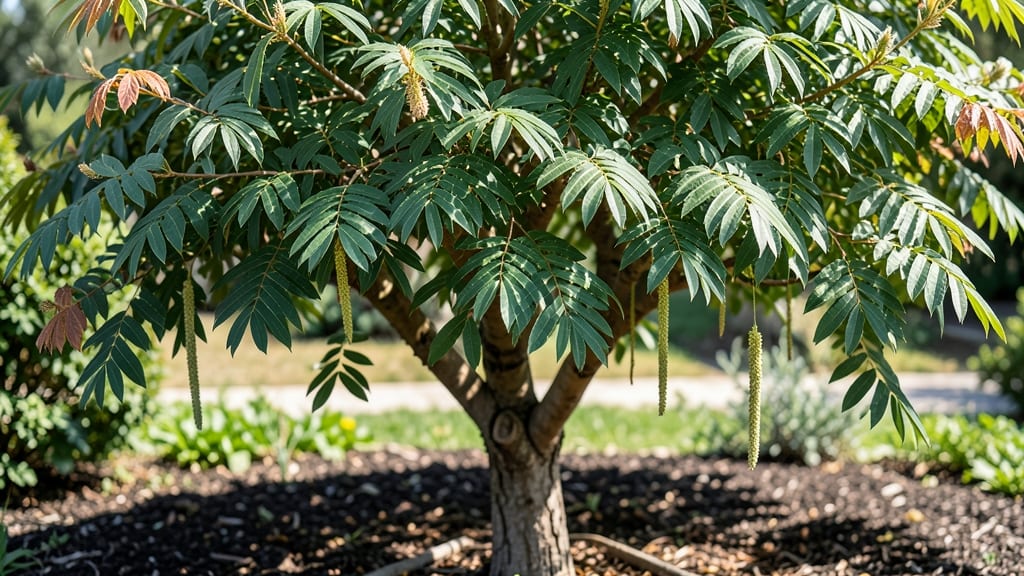
Pistachio tree leaves turn golden in late fall—and that’s when they’re prime for harvesting. ✨ I’ve spent years experimenting with drying and preserving these fragrant leaves for tea blends and natural crafts, and the key is timing them right before they drop.
The best leaves are from 3-5 year old trees (younger ones are too bitter), and you’ll want to harvest them on a dry morning after dew has evaporated.
Spread them in a single layer on a mesh screen or paper towel, then let them dry in a warm, dark place for 5-7 days, stirring occasionally. Once completely dry, they’ll crumble like fine herbal tea leaves—ready for infusions or woven crafts.
If your pistachio leaves are struggling—yellowing, spotted, or covered in pests—don’t toss them yet. Most issues (like aphids or fungal spots) can be fixed with neem oil sprays or pruning out damaged branches.
The secret to long-term leaf health? Consistent watering (deep but infrequent) and mulching to retain moisture without suffocating roots. A little prevention now means better harvests next season.
📚 In This Guide
- What you need
- Instructions
- Tips and common mistakes
- Wrapping up and next steps
What you need
- ● Pistachio tree leaves: Fresh, healthy leaves (harvest from organic or pesticide-free trees if possible). Aim for at least 2–3 cups for a small batch of tea or crafts.
- ● Pruning shears or sharp scissors: 1 pair (sterilized with rubbing alcohol to prevent disease transfer).
- ● Glove: 1 pair (gardening gloves to protect hands from sap or thorns).
- ● Clean containers: 2–3 (glass jars, bowls, or mesh bags for harvesting and drying).
- ● Paper towels or clean cloth: For wiping leaves before processing.
- ● Drying method: Air-drying: 1–2 drying racks, screens, or a well-ventilated area (out of direct sunlight).
- ● Dehydrator: 1 (set to 95–115°F for 4–6 hours).
- ● Oven: 1 (set to lowest temp, door propped open for 2–3 hours).
- ● Storage containers: 1–2 airtight jars or bags (for long-term preservation).
- ● Food processor or mortar & pestle: For grinding dried leaves into tea powder or fine crafting materials.
- ○ Essential oils (optional): 1–2 drops (like lavender or citrus) to enhance tea aroma during drying.
- ● Labeling supplies: 1 (masking tape + marker for storage jars).
- ● Crafting materials: If making wreaths or potpourri, add twine, glue, or decorative elements.
Step-by-step guide to harvesting and preserving pistachio tree leaves
Here's how to transform pistachio leaves into fragrant tea or durable crafting materials—no special tools required.
🌿 Step 1: Identify and Harvest Young Leaves
Focus on the youngest, tender leaves—they're most aromatic and tender for both tea and crafting. Look for light green, 2-4 inch long leaves with no brown edges or spots. Avoid older leaves, which are tougher and less flavorful. I harvest on a dry morning after dew has evaporated; the leaves hold their shape better and contain more essential oils.
Use clean, sharp pruning shears to snip leaves just above a leaf node (the small bump where the leaf attaches). Never pull leaves by hand—you'll tear the stems and damage the tree. A single pistachio tree yields enough leaves for 4-6 batches of tea or dozens of crafting projects. Store harvested leaves in a paper bag in the fridge until processing to preserve their freshness.
💧 Step 2: Clean and Prepare Leaves for Processing
Rinse leaves under cool water to remove dust and debris, then pat them dry with a clean kitchen towel. Lay them flat on a baking sheet lined with parchment paper. This prevents curling during drying and makes handling easier. I spread leaves 1 inch apart to ensure even airflow—crowding leads to mold or uneven drying.
For tea leaves, remove any stems or thick veins using small scissors. These parts add bitterness and don't dry well. If crafting, leave stems intact for structural projects like wreaths. The goal is uniform leaves: bright green, free of moisture. You'll notice the leaves darken slightly as they dry—this is normal and indicates moisture loss.
☀️ Step 3: Dry Leaves for Tea or Crafting
For tea leaves, dry at 175°F for 2-3 hours in a food dehydrator or low oven (with door slightly open). The leaves should feel crisp but not brittle when rubbed between fingers. If using an oven, place a wire rack over a baking sheet to allow air circulation. Check every 30 minutes—overdrying turns leaves brown and bitter.
For crafting, air-dry leaves at room temperature in a dark, well-ventilated area for 3-5 days. Turn leaves daily to ensure even drying. You'll know they're ready when they crumble slightly when folded but don't fall apart. Store dried leaves in airtight containers away from direct sunlight to preserve their color and fragrance for up to 6 months.
✂️ Step 4: Process for Tea or Crafting
For tea, crush dried leaves lightly between your palms or use a mortar and pestle to release essential oils. Store in a sealed jar labeled with the harvest date. Steep 1 teaspoon of leaves per cup of hot water for 5-7 minutes. The tea should have a grassy, slightly sweet aroma—if it smells harsh, the leaves were over-dried.
For crafting, arrange dried leaves in patterns or weave them into baskets. Pistachio leaves hold their shape remarkably well due to their natural oils. To preserve crafts, spray with a light coat of clear acrylic sealer*. This protects against moisture and extends their lifespan. I've made leaf garlands that lasted over a year with this simple step.
🪴 Step 5: Store and Use Preserved Leaves
Keep tea leaves in an opaque container (light degrades flavor) and crafting leaves in a breathable fabric bag to prevent moisture buildup. Label each with the date and purpose—tea leaves lose potency after 6 months, while crafting leaves remain usable for years if kept dry. For tea, use within 3 months for peak flavor. For crafts, leaves can be reused until they become brittle.
Here's the thing—pistachio leaves contain pistachioin, a compound that naturally repels pests. Sprinkle dried leaves around your garden to deter aphids or use them in potpourri for a fresh, nutty scent. Just don't ingest crafting leaves—they may contain preservatives or dust from handling.
Tips & tricks for perfect pistachio leaf preservation
These simple yet game-changing tricks will help you maximize aroma, texture, and longevity for your pistachio leaf projects.
Harvesting Timing: The morning after dew has evaporated is ideal because pistachio leaves contain the highest concentration of essential oils at this time. I've found that harvesting between 8-10 AM gives you the most fragrant leaves for tea, while afternoon harvests work better for crafting when you need slightly sturdier leaves. The key is avoiding wet leaves—they'll curl during drying and lose their vibrant green color.
Drying Technique: When using an oven at 175°F for tea leaves, I recommend checking every 20 minutes after the first hour. The leaves are ready when they feel crisp but still bend slightly without breaking. For crafting leaves, place them in a single layer on a mesh screen or wire rack to allow airflow on all sides—this prevents mold growth during the 3-5 day air-drying process.
Storage Secrets: For tea leaves, store in an opaque glass jar with a tight-fitting lid to block light completely. I've noticed that even minimal light exposure can degrade the delicate flavors within just 24 hours. For crafting leaves, use a breathable fabric bag to prevent moisture buildup, which can cause leaves to become brittle over time. Label each container with the harvest date—this helps track freshness and potency.
Quality Check: Before processing, run your fingers along the edges of the leaves. They should feel smooth and slightly waxy—this indicates proper drying. If you feel any dampness or hear leaves crinkling excessively, they need more drying time. For tea, the leaves should have a bright green color with just a hint of darkening at the edges, while crafting leaves can be slightly darker but should maintain their shape when folded.
Pro Tips for Pistachio Tree Leaves
- These simple yet game-changing tricks will help you maximize aroma, texture, and longevity for your pistachio leaf projects.
- Harvesting Timing: The morning after dew has evaporated is ideal because pistachio leaves contain the highest concentration of essential oils at this time.
- Drying Technique: When using an oven at 175°F for tea leaves, I recommend checking every 20 minutes after the first hour.
Frequently asked questions
Got questions about pistachio tree leaves?
You’re not alone! Whether you’re new to harvesting or troubleshooting, here are answers to the most common queries to help you get the most out of your leaves—whether for tea, crafts, or other uses.
When is the best time to harvest pistachio tree leaves?
The ideal time to harvest pistachio leaves is early spring or late summer, when the foliage is lush but before the nuts mature. Avoid harvesting after heavy pesticide use (wait at least 30 days post-treatment). For tea, younger leaves (softer and less bitter) are best—pick them before they fully harden.
How do I properly harvest leaves without harming the tree?
Use clean, sharp pruning shears to snip leaves just above a leaf node (where new growth emerges). Avoid stripping entire branches—harvest no more than 20-30% of the foliage at once to prevent stress. Focus on outer leaves first, leaving inner growth intact for the tree’s health. Pro Tip: Harvest on a dry morning to reduce moisture, which speeds up drying.
Can I use pistachio leaves for tea, and how do I prepare them?
Yes! Pistachio leaves make a fragrant, earthy tea rich in antioxidants. After harvesting, dry the leaves thoroughly (air-dry or use a dehydrator at 175°F/80°C for 2-4 hours). Steep 1-2 tsp of dried leaves in hot water (175°F/80°C) for 5-7 minutes. For a milder flavor, blend dried leaves with mint or chamomile. Note: Avoid oversteeping—bitterness increases with time.
What should I do if my pistachio tree leaves turn yellow or wilt after harvesting?
Yellowing or wilting can signal stress from over-harvesting, pests, or disease. If it’s post-harvest, the tree may recover with proper care:
- Water deeply but avoid soggy soil.
- Apply a balanced fertilizer (10-10-10) to restore nutrients.
- Inspect for pests (aphids, spider mites) and treat with neem oil if needed.
Are there alternatives to pistachio leaves for tea or crafts?
If pistachio leaves aren’t available, try these substitutes:
- Tea: Rosemary, mint, or bay leaves for herbal blends; green tea for a similar earthy note.
- Crafts: Olive leaves (durable and fragrant), eucalyptus, or even dried citrus peels for natural dyes.
Wrapping up and next steps
From harvesting fresh pistachio tree leaves to crafting them into soothing tea or creative projects, you’ve unlocked a world of natural beauty and utility! 🌿 Whether you’re drawn to their earthy aroma, potential health benefits, or artistic potential, these leaves offer endless possibilities.
Now that you’re equipped with the know-how, why not try your hand at making a batch of pistachio leaf tea or experiment with eco-friendly crafts? The next step is yours—get creative and enjoy the rewards of nature’s bounty!