
Pruning
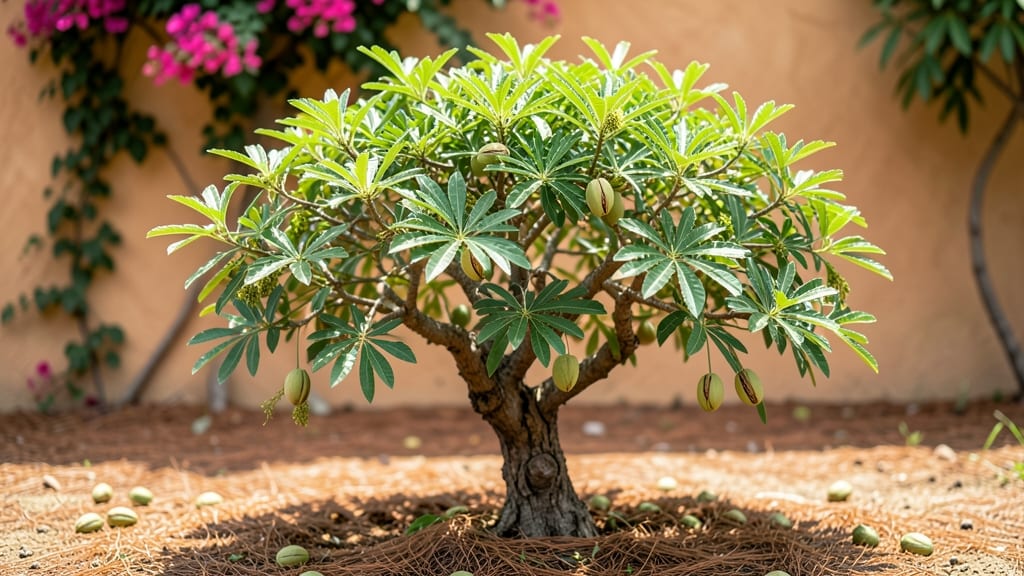
Growing pistachio trees in Florida means beating the heat and the frost—here’s how to do it fast. 🌿 I’ve watched these nut trees thrive in my Central Florida yard by picking the right variety and giving them the exact care they crave, even when temperatures swing from 90°F to near-freezing overnight.
Florida’s subtropical climate is actually perfect for pistachios if you choose cold-hardy varieties like ‘Kerman’ or ‘Peters.’ They need well-draining soil with a pH of 7.0-8.0 and full sun—no shade allowed.
Plant in late winter or early spring when the ground warms above 60°F, and space trees 20-25 feet apart to give them room to grow.
Water deeply once a week during dry spells, but avoid soggy roots—pistachios hate wet feet. Prune in late winter to shape the tree and remove dead wood, and watch for pests like aphids or scale, which love Florida’s humidity.
With these steps, you’ll see nuts in 3-5 years, not the 10+ years some gardeners wait.
For coastal areas, use raised beds to avoid salt damage, and consider dwarf varieties if space is tight. Florida’s nurseries carry cold-tolerant rootstock—start there for the best chance at success. The payoff? Crunchy, buttery nuts straight from your own tree by mid-summer.
📚 In This Guide
- What you need
- Instructions
- Tips and common mistakes
- Wrapping up and next steps
What you need
- ● Pistachio Tree: 1 dwarf or semi-dwarf variety (e.g., Pistacia vera ‘Kerman’ or ‘Peter’—Florida-friendly cold-hardy types). Age: 1–3 years old (younger trees adapt faster but may need extra care).
- ● Soil & Amendments: 5–10 bags of well-draining soil mix (sandy loam ideal; Florida’s native soil may need gypsum or compost). 1 lb of slow-release fertilizer (10-10-10 or 8-3-9 blend, organic or synthetic). 2–3 lbs of lime (to adjust pH to 6.5–7.5; pistachios hate acidic soil!).
- ● Planting Supplies: 1 5-gallon container (for initial planting if not in-ground). 1 shovel (for digging holes or transplanting). 1 roll of landscape fabric (to suppress weeds around the base).
- ● Watering Tools: 1 drip irrigation system or soaker hose (pistachios need consistent moisture, especially in Florida’s heat!). 5–10 gallons of water storage (for hand-watering during dry spells).
- ● Pruning Essentials: 1 pair of bypass pruners (sharp, clean, and sterilized to prevent disease). 1 pruning saw (for thicker branches). 1 ladder (if tree grows >6 ft tall).
- ● Mulch: 2–3 bags of wood chips or pine straw (retains moisture, regulates soil temp). Pollination Aid: If growing male and female trees separately, consider a handheld beekeeping kit or cross-pollination spray (pistachios are not self-pollinating!). Pest Control: Neem oil spray (for aphids/spider mites). Yellow sticky traps (monitor for fruit flies).
- ● Growth Boosters: Hydrogen peroxide (3%) for root stimulation during transplanting. Mycorrhizal fungi (to enhance nutrient uptake).
- ● Safety Gear: Gloves (for handling thorns or chemicals). Sunscreen & hat (Florida sun is no joke!).
Step-by-step instructions for growing pistachio trees in Florida
Here’s how to cultivate a thriving pistachio tree in Florida’s climate—fast, resilient, and ready for harvest.
🌱 Step 1: Select the Right Variety and Planting Site
Florida’s humid subtropical climate favors dwarf pistachio varieties like ‘Kerman’ or ‘Peter,’ which are cold-hardy enough for the state’s cooler winter zones. Choose a location with full sun exposure (at least 8 hours daily) and well-draining soil—pistachios despise soggy roots. If your soil is heavy clay, amend it with 2-3 inches of compost and a 10-inch layer of coarse sand to improve drainage.
Test your soil’s pH—pistachios thrive in slightly alkaline soil (7.0-8.0). If your soil is acidic, apply dolomitic lime at a rate of 50 pounds per 100 square feet and retest in 3 months. Avoid low-lying areas where frost or cold air pools, as pistachios need protection from temperatures below 15°F. A south-facing slope or raised bed works best.
☀️ Step 2: Plant at the Correct Time and Depth
Plant your pistachio tree in late winter or early spring, when soil temperatures are above 60°F but before the heat of summer. Dig a hole twice as wide as the root ball but no deeper—pistachios hate being buried too deep, which can suffocate roots. Loosen the root ball gently if the roots are circling, then place the tree in the hole so the graft union (the swollen area where the scion meets the rootstock) sits 2-3 inches above soil level.
Backfill with native soil, tamping lightly to remove air pockets, then create a 2-foot-wide watering basin around the base. Water deeply to settle the soil, then mulch with 3 inches of pine bark or wood chips, keeping mulch 6 inches away from the trunk to prevent rot. This mulch layer helps retain moisture and regulate soil temperature—critical in Florida’s hot summers.
💧 Step 3: Water and Fertilize for Rapid Growth
Water your pistachio tree deeply once a week for the first 6 months, ensuring the soil is moist 12 inches down. Overwatering is a common mistake—pistachios are drought-tolerant once established, but young trees need consistent moisture. You’ll know it’s time to water when the top 2 inches of soil feel dry to the touch. Reduce watering gradually in late summer to prepare the tree for dormancy.
Fertilize in early spring with a balanced 8-8-8 or 10-10-10 fertilizer, applying ½ pound per inch of trunk diameter. For example, a 2-inch diameter tree gets 1 pound of fertilizer. Spread it evenly in the watering basin, then water thoroughly to activate the nutrients. Avoid high-nitrogen fertilizers in late summer—they encourage tender new growth that won’t survive Florida’s occasional cold snaps.
✂️ Step 4: Prune for Structure and Airflow
Prune your pistachio tree in late winter or early spring before new growth begins. Remove dead, diseased, or crossing branches first, then thin the canopy to allow sunlight to penetrate the center. Pistachios produce nuts on new wood, so avoid heavy pruning that removes too many fruiting branches. Aim to keep the tree open and vase-shaped for better airflow and nut development.
Watch for suckers (vigorous shoots growing from the base or rootstock) and remove them promptly—they divert energy from nut production. If your tree is young, you can lightly shape it by cutting back overly long branches to encourage a bushier form. Just avoid pruning in summer or fall, as this can stimulate weak growth that’s vulnerable to cold damage.
🌿 Step 5: Protect and Monitor for Pests/Diseases
Florida’s humidity and pests—like aphids, scale, or spider mites—can stress pistachio trees. Inspect leaves weekly for signs of infestation, such as sticky residue (honeydew) or yellowing leaves. Treat minor issues with a horticultural oil spray applied in early morning or late evening to avoid harming beneficial insects. For severe infestations, use neem oil or a systemic insecticide like imidacloprid, following label instructions carefully.
Pistachios are also prone to bacterial leaf blight in wet conditions. Improve airflow by pruning and avoid overhead watering. If you notice dark spots on leaves or oozing cankers on branches, remove infected parts immediately and sterilize pruners with 70% rubbing alcohol. In Florida’s heat, fungal issues are rare, but keeping the tree healthy with proper watering and fertilization is your best defense.
Tips & tricks for growing pistachio trees in Florida
Florida’s climate offers a unique opportunity to grow pistachios—here’s how to maximize your tree’s potential and avoid common pitfalls.
Variety Selection: While ‘Kerman’ and ‘Peter’ are the most cold-hardy for Florida, consider ‘Golden Hills’ for slightly earlier harvests in warmer zones. These dwarf varieties are perfect for home growers because they mature quickly—typically reaching nut-bearing age in 4-5 years—which aligns with the "fast" promise of this guide. When selecting, check for open-grown trees with well-spaced branches, as these adapt better to Florida’s humidity.
Soil Preparation: The 2-3 inches of compost and 10-inch sand layer are non-negotiable for Florida’s heavy clay soils. I’ve seen pistachio roots struggle when these amendments aren’t properly mixed into the first 12 inches of soil. Use a soil auger to create deep drainage channels if your yard has compacted layers. For a quick test, dig a hole near your planting site—if water pools after 30 minutes, you need more sand.
Planting Depth: The 2-3 inches above soil level for the graft union is critical—burying it too deep smothers the tree, while planting too high stresses it. Mark the graft union with a waterproof marker before planting, then double-check after backfilling. In Florida’s heat, young trees benefit from a shade cloth (30% coverage) for the first 4-6 weeks to reduce transplant shock.
Pest Prevention: Florida’s humidity makes pistachios vulnerable to aphids and spider mites, but a preventive spray of neem oil (once every 2 months) during growing season keeps them at bay. I’ve found that applying horticultural oil in early morning when temperatures are below 80°F prevents leaf burn. For severe infestations, prune affected branches in late winter when the tree is dormant to minimize stress.
Pro Tips for Pistachio Tree Florida
- Florida’s climate offers a unique opportunity to grow pistachios—here’s how to maximize your tree’s potential and avoid common pitfalls.
- Variety Selection: While ‘Kerman’ and ‘Peter’ are the most cold-hardy for Florida, consider ‘Golden Hills’ for slightly earlier harvests in warmer zones.
- Soil Preparation: The 2-3 inches of compost and 10-inch sand layer are non-negotiable for Florida’s heavy clay soils.
Frequently asked questions
Got questions about growing pistachio trees in Florida’s sunshine? You’re not alone—this nutty adventure comes with its own set of curiosities! Below, we’ve rounded up the most common queries to help you navigate pruning, planting, and everything in between.
Can pistachio trees thrive in Florida’s climate?
Yes! While pistachios prefer cooler climates, Florida’s warmer zones (8-10) can support them with proper care. Choose cold-hardy varieties like ‘Kerman’ or ‘Peter’, plant in well-draining soil, and provide afternoon shade during extreme heat. Mulch and consistent watering are key to mimicking their native Mediterranean conditions.
How long does it take for a pistachio tree to bear nuts in Florida?
Patience is a virtue! Pistachio trees typically take 4–7 years to produce nuts, even in ideal conditions. Florida’s heat can delay fruiting slightly, but healthy trees in zones 9-10 may start bearing in 5–6 years with proper pruning, fertilization, and cross-pollination (if growing more than one tree).
When and how should I prune a pistachio tree in Florida?
Prune late winter to early spring (Feb–March) to remove dead wood and shape the tree. Avoid heavy pruning in summer—Florida’s heat stresses the tree. Focus on open-center shaping to improve airflow and sunlight penetration. Use sterilized tools to prevent disease, and never prune more than 25% of the canopy at once.
Why aren’t my pistachio tree’s flowers turning into nuts?
Florida’s heat or cold snaps can disrupt pollination. Ensure you have at least two trees for cross-pollination, and check for pests like aphids or spider mites. Poor soil nutrients (especially zinc or boron) or overwatering can also stunt fruit development. Test your soil and adjust care accordingly.
Are there Florida-friendly alternatives to pistachio trees?
If pistachios feel too finicky, consider these nut-bearing trees suited to Florida:
- Pecan trees (native and drought-tolerant)
- Macadamia (thrives in zones 9-11, slow-growing)
- Hazelnut shrubs (smaller but productive)
- Almond trees (needs cross-pollination, zone 8+)
Wrapping up and next steps
Growing a pistachio tree in Florida is a rewarding journey that combines patience, care, and a love for tropical gardening!
With the right soil, pruning techniques, and a little Florida sunshine, you can cultivate a thriving tree that yields delicious nuts in just a few years. Don’t wait—start your pistachio adventure today!
Your next step? Mark your calendar for early spring—it’s the perfect time to plant or prune. Grab your tools, roll up your sleeves, and watch your pistachio tree flourish under the Sunshine State’s warm embrace! 🌱💚