
Size
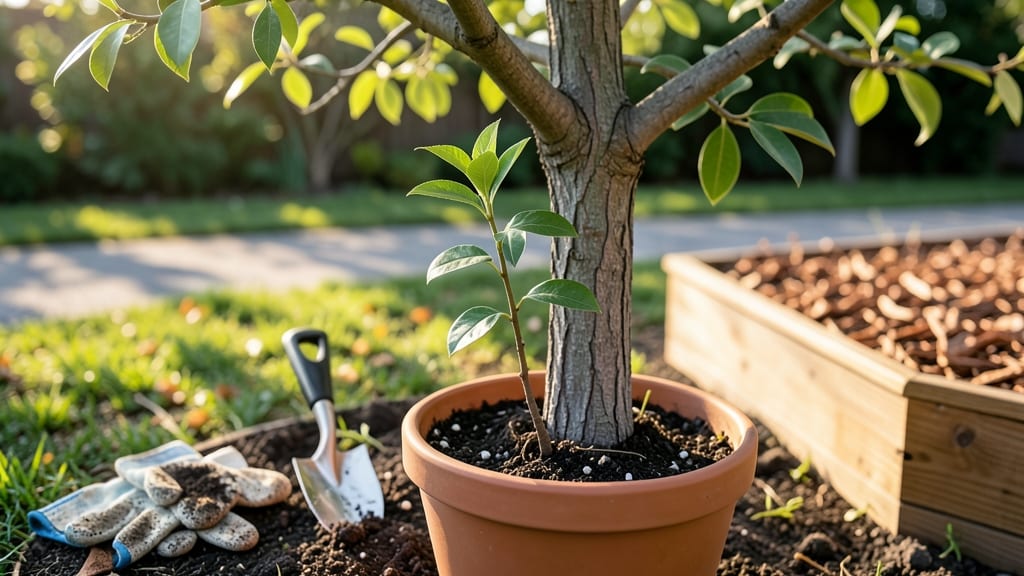
Growing almond trees at home means years of anticipation—until those first nut clusters appear. 🌱 I learned the hard way that dwarf varieties are your only shot at success in small yards or containers, but they’re worth the wait for that satisfying crunch.
The key starts with soil: almonds demand well-draining, slightly alkaline earth, and they’ll sulk in heavy clay or soggy spots.
You’ll need a sunny spot with at least 6-8 hours of direct light daily—think south-facing windows or a sheltered patio. Most dwarf varieties stay under 10 feet tall, making them perfect for urban gardens, but they still need space to stretch their roots.
Containers work if you’re diligent about drainage and size (think 15-gallon minimum for mature trees).
Watering is where beginners trip up: too much kills roots, too little stunts growth. Keep soil consistently moist but never soggy—especially in the first two years. Prune lightly in late winter to shape the tree and remove dead wood, but avoid heavy cuts.
Patience pays off: most dwarf almonds take 3-5 years before producing nuts, but once they do, you’ll have a harvest every spring.
Fair warning: almonds are finicky about climate. They thrive in USDA zones 6-9 and need cold winters to set fruit—indoor growing is a no-go. If you live in a warmer zone, focus on ornamental varieties like ‘Dwarf Nonpareil’ for their stunning blossoms.
The real reward? Fresh nuts straight from your own tree, years in the making.
📚 In This Guide
- What you need
- Instructions
- Tips and common mistakes
- Wrapping up and next steps
What you need
- ● Dwarf almond tree sapling: Choose a cold-hardy variety like Nonpareil or Butte (available at nurseries or online). 1 plant is plenty for small spaces!
- ● 5-gallon pot or container: Use a pot with drainage holes (14–18" diameter for dwarf varieties). Terracotta or fabric pots work best.
- ● Well-draining potting mix: A blend of 50% cactus/succulent mix + 30% perlite + 20% compost (10–15 lbs per pot). Avoid heavy garden soil!
- ● Garden trowel or shovel: For planting and soil prep. A 5-inch stainless steel trowel is ideal.
- ● Watering can or hose with gentle spray: Almond trees hate soggy roots—water deeply but infrequently.
- ● Pruning shears: Bypass pruners (with sharp, clean blades) for shaping and maintenance.
- ● Fertilizer: A balanced 10-10-10 or citrus-specific fertilizer (follow package instructions for dosing).
- ○ Mulch (optional but helpful): 2–3 inches of wood chips or straw to retain moisture and regulate soil temp.
- ● Sunlight: At least 6–8 hours of full sun daily (south-facing windows or outdoor spaces work best).
- ● Temperature: Almond trees thrive in USDA Zones 7–10. If you’re in a colder zone, grow in containers and overwinter indoors.
- ● Cross-pollination (if growing nuts): Plant two compatible dwarf varieties (e.g., Nonpareil + Butte) for fruit production.
- ● Drip irrigation system: Automates watering and prevents over/under-watering.
- ● Soil moisture meter: Ensures you’re keeping roots consistently moist but not waterlogged.
- ● Pollination aid: A small paintbrush to hand-pollinate flowers if bees are scarce.
- ● Tree support stake: For young trees in windy areas (use 3–4 ft bamboo stakes).
Step-by-Step guide to growing dwarf almond trees at home
Here's how I've successfully cultivated these compact, productive trees in containers or small yards.
🌱 Step 1: Select the Right Dwarf Variety and Starting Material
Choose a cold-hardy dwarf variety like 'Nonpareil' or 'Peerless'—both stay under 10 feet tall and thrive in containers. I recommend purchasing 1-2 year-old bare-root whips from specialty nurseries in late winter, as they establish faster than seeds. Avoid grafted trees unless you're in USDA Zone 7+, as they need consistent warmth.
Inspect the roots carefully before planting. Healthy roots should be white or light tan, not brown or mushy. If the roots have dried out, soak them in lukewarm water for 2-3 hours before planting. This rehydration step makes all the difference in early survival rates.
☀️ Step 2: Prepare the Planting Site or Container
Almond trees need well-draining soil—mix 60% high-quality potting mix with 30% coarse sand and 10% perlite for containers. In-ground plantings require 6-8 feet of space between trees to prevent root competition. I dig a hole twice as wide as the root ball but only as deep—planting too deep suffocates the graft union.
For containers, use a 15-gallon pot with drainage holes. Place 2-3 inches of gravel at the bottom to improve drainage. The reason for this layer? Almond roots rot quickly in soggy conditions. Amend the soil with 1 cup of slow-release fertilizer (10-10-10 ratio) mixed into the bottom 6 inches of soil to give roots a nutrient boost right away.
💧 Step 3: Plant and Water Deeply for Establishment
Position the tree so the graft union sits 2-3 inches above soil level—this prevents it from being buried and ensures proper growth. Spread the roots gently without bending them, then backfill with soil while tamping lightly. Water immediately until moisture reaches 12 inches deep—you'll know it's enough when water drains from the bottom of the container or appears at the hole's edge.
Mulch with 2-3 inches of wood chips, keeping it 6 inches away from the trunk to prevent rot. Water 2-3 times weekly for the first month, then taper to once weekly once leaves appear. Here's the thing—almond trees hate wet feet. If your container drains slowly, water less frequently but more deeply each time.
✂️ Step 4: Prune and Protect for First Two Years
In late winter of the first year, prune to remove any dead, crossing, or inward-growing branches. I cut back one-third of the tree's height to encourage a sturdy framework. Avoid heavy pruning after early spring—this stresses the tree when it's actively growing. For container trees, prune annually in late winter to maintain shape and size.
Protect young trees from late frosts (below 28°F) with frost cloth or a small greenhouse tent. Almond blossoms are particularly vulnerable—if they freeze, the tree won't produce nuts that year. I also recommend hand-pollinating if you have multiple trees, as bees may not visit reliably in cooler climates. Use a small brush to transfer pollen from one tree to another in early spring.
🌿 Step 5: Fertilize and Monitor for Productivity
Apply ½ cup of balanced fertilizer (10-10-10) in early spring and again in mid-summer, keeping it 6 inches away from the trunk. Almond trees are heavy feeders but react poorly to over-fertilization. You'll notice new growth and leaf color improve within 4-6 weeks—that's your signal it's working.
Watch for aphids or spider mites on new growth. I treat infestations with neem oil spray (mix 1 tbsp neem oil with 1 quart water and ½ tsp mild soap). Harvest nuts in late summer to early fall when the hulls turn brown and split open naturally. For container trees, expect 5-10 nuts per tree in the first productive year.
Tips & tricks for growing thriving dwarf almond trees
These insights will help you avoid common pitfalls and maximize your dwarf almond tree's potential in small spaces.
Root Health Check: In Step 1, that 2-3 hour soaking for dried-out roots isn't just about rehydration—it's about preventing transplant shock. I've seen trees with slightly damaged roots bounce back completely after this treatment, while neglected roots often struggle for months. Test the water temperature with your wrist before soaking; it should feel warm but not hot to the touch.
Soil Science: For Step 2, the 60-30-10 soil mix ratio might seem arbitrary, but it's based on almond trees' need for both moisture retention and drainage. If you're using garden soil, add an extra 10% perlite to prevent compaction. I've had containers where the sand-perlite mix settled unevenly—always stir the amended soil thoroughly before planting to ensure even distribution.
Watering Wisdom: The instructions mention watering until moisture reaches 12 inches deep, but here's what nobody tells you: Use a moisture meter or dig a small hole to check actual depth. In containers, water until it drains from the bottom holes—this ensures proper saturation without overwatering. I've seen many growers assume "deep watering" means pouring until runoff appears, which actually creates soggy conditions.
Frost Protection Strategy: When protecting against temperatures below 28°F in Step 4, don't just cover your tree—create an air pocket. Place small stakes around the tree before draping frost cloth to keep it 4-6 inches away from branches. I've had frost cloth touching branches cause localized cold damage despite overall protection. Also, remove covers during the day if temperatures rise above freezing to prevent overheating.
Pro Tips for Grow Almond Tree At Home
- These insights will help you avoid common pitfalls and maximize your dwarf almond tree's potential in small spaces.
- Root Health Check: In Step 1, that 2-3 hour soaking for dried-out roots isn't just about rehydration—it's about preventing transplant shock.
- Soil Science: For Step 2, the 60-30-10 soil mix ratio might seem arbitrary, but it's based on almond trees' need for both moisture retention and drainage.
Frequently asked questions
Got questions about growing almond trees at home? You’re not alone! Here are answers to the most common concerns—from timing to troubleshooting—so you can grow with confidence.
Can I grow an almond tree in a pot?
Yes! Dwarf varieties like Nonpareil or Butte thrive in containers (15+ gallons) as long as they get full sun and well-draining soil. Just ensure the pot has drainage holes and repot every 2–3 years as the tree grows. Pro tip: Use a mix of potting soil and perlite for optimal aeration. Avoid overwatering—root rot is a common pot-plant pitfall!
How long does it take for an almond tree to bear fruit?
Patience is key! Dwarf almond trees typically take 3–5 years to produce nuts, while standard varieties may wait 5–7 years. Pollination is critical—plant two compatible varieties (e.g., Nonpareil + Fritz) within 50 feet for cross-pollination. Fun fact: Young trees focus on root growth first, so don’t rush—healthy roots = future harvests!
What’s the best climate for growing almond trees?
Almonds love USDA Zones 6–9 with hot, dry summers and cold winters (chilling hours: 300–600). If you’re in a warmer zone (e.g., Zone 10+), choose low-chill varieties like Carmel or Price. In colder climates, protect young trees with mulch or frost cloth during winter. Warning: Avoid soggy soil—they hate "wet feet"!
Why aren’t my almond tree leaves turning green?
Yellow or pale leaves often signal nutrient deficiencies (e.g., nitrogen, magnesium) or pests like aphids. Test your soil and amend with compost or a balanced fertilizer (10-10-10). Quick fix: Spray leaves with neem oil for pests or water deeply to flush out excess salts. Bonus: Mulch with straw to retain moisture and deter weeds!
Can I eat nuts from my homegrown almond tree?
Homegrown almonds are delicious and nutritious—just ensure your tree is pollinated (see above) and the nuts are fully ripe (brown shells, late summer/fall). Safety note: Avoid bitter almonds (toxic if consumed raw); most dwarf varieties are safe. Store shelled nuts in the fridge for up to 6 months or freeze for longer shelf life.
What’s the easiest almond tree for beginners?
Start with Texas or Fritz—they’re cold-hardy, disease-resistant, and produce reliably in small spaces. For containers, Nonpareil is a top pick. Growth hack: Buy a 1–2 year old sapling from a nursery (not seed-grown) for faster results. Remember: Dwarf trees stay under 10 feet tall—perfect for patios or urban gardens!
Wrapping up and next steps
Growing your own almond tree at home is a rewarding journey—especially when you choose dwarf varieties perfect for small spaces! 🌱 With the right soil, sunlight, and care, you’ll enjoy fresh nuts and stunning blossoms in just a few years.
Whether you’re a beginner or a seasoned gardener, this guide makes it simple.
Ready to take the next step? Start by selecting your dwarf variety (like ‘Texas’ or ‘Price’), then plant your tree in a sunny spot with well-draining soil. Patience and love will turn your tiny seedling into a thriving almond tree—one nut at a time! 🌟