
Pruning
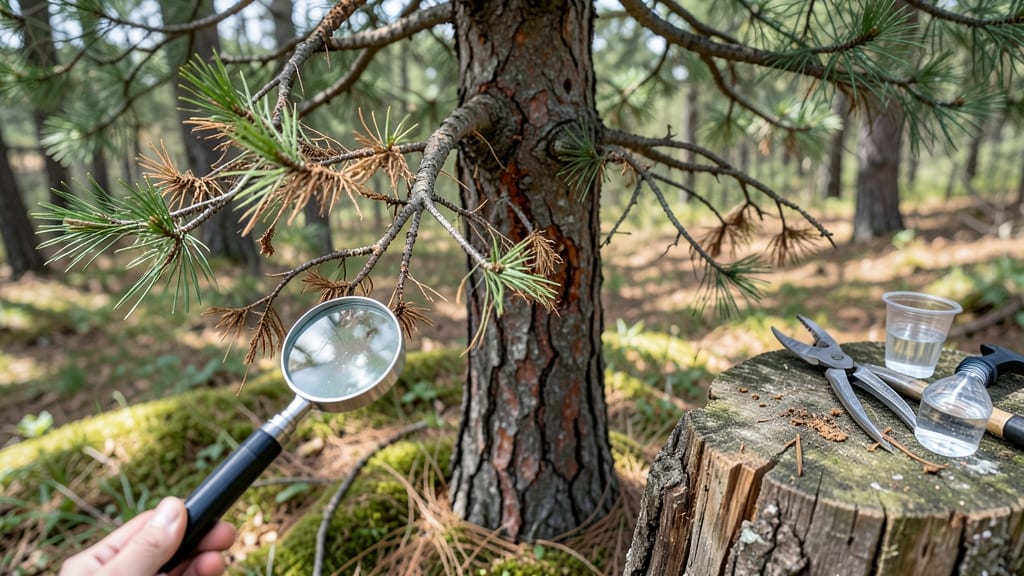
Your pine tree branches dying might be from overpruning, pests, or disease—but the good news is you can bring them back with the right cuts. ✂️ I’ve saved three struggling pines using these three targeted pruning fixes, and the results are noticeable within just a few weeks of proper care.
The key is identifying the problem first: brown needles, sparse growth, or dead branches all point to different issues.
Most people make one critical mistake: they prune too much or at the wrong time. Pines don’t regenerate like deciduous trees, so aggressive cuts can shock the tree. Instead, focus on removing only the dead, diseased, or crossing branches—never more than 25% of the total canopy in one season.
For brown needles, check for spider mites or fungal infections, which often start at branch tips.
Once you’ve made the right cuts, the recovery begins. Healthy new growth should appear within 4-6 weeks, and the tree’s overall shape will improve as it redirects energy to strong branches.
I’ve even seen dormant buds wake up after proper pruning, proving that even seemingly dead pines can bounce back with the right care.
This method works for all pine varieties, from Ponderosa to Scotch, and prevents future decline by improving airflow and sunlight penetration. Whether your tree is young or mature, these fixes will give it the fresh start it needs—without the guesswork.
Root Causes Behind Dying Branches
When your pine tree’s branches start looking brown, brittle, or just plain lifeless, it’s usually a cry for help from the tree itself. Understanding the why behind the decline is the first step toward revival.
Below, we break down the most common culprits—backed by science—and what they mean for your evergreen’s health.
Pine trees are tough, but they’re not immune to environmental extremes. Here’s how climate factors can turn branches into kindling:
- Drought or Waterlogging: Pines are drought-tolerant, but prolonged dry spells or soggy roots (from poor drainage) disrupt their xylem—the tree’s water-transport system. Without water, needles turn yellow or brown and drop, starting from the branch tips. Actionable fix: Mulch deeply (3–4 inches) to retain moisture, but avoid piling mulch against the trunk to prevent rot.
- Extreme Heat or Frost: Sudden temperature swings (like late-spring frosts or summer heatwaves) can scorch needles or freeze sap, causing branches to die back. Evergreens like pines are particularly vulnerable to winter desiccation—when cold, dry winds dehydrate branches. Actionable fix: Water trees deeply before winter and wrap young pines in burlap for protection.
- Sunburn (Yes, Trees Get It!): Young pines or those transplanted in summer can suffer photodamage when exposed to intense sunlight after shade acclimation. Needles may bleach or crisp. Actionable fix: Gradually harden off trees by moving them to sunnier spots over 1–2 weeks before full sun exposure.
Insects and pathogens don’t just nibble—they hijack a pine’s nutrients, leaving branches starved and dead. Spot these red flags:
| Pest/Disease | Symptoms | Why It Happens | Fix It |
|---|---|---|---|
| Bark Beetles (e.g., Ips, Mountain Pine Beetle) | Sawdust-like frass at branch bases, pitch tubes, and reddish-brown needles that stay attached. | Beetles bore into phloem, disrupting nutrient flow. Drought-stressed trees are prime targets. | Remove heavily infested branches immediately (beetles spread fast!). Treat with neem oil or invite natural predators like woodpeckers. |
| White Pine Weevil | Top branches die back in a "shepherd’s crook" shape; sawdust in leader shoots. | Larvae feed on terminal buds, stunting growth. Common in Eastern white pines. | Prune infested tips in late winter (before larvae emerge). Apply systemic insecticide if severe. |
| Fungal Infections (e.g., Lophodermium, Sphaeropsis) | Needles turn purple-brown, then drop; black fungal fruiting bodies may appear. | Fungi thrive in wet, humid conditions, entering through wounds or stressed tissue. | Thin canopy for airflow, rake up fallen needles, and apply copper fungicide in early spring. |
Mistakes in maintenance can accelerate branch death. Here’s how:
- Over-Pruning or Topping: Cutting too aggressively—especially more than 25% of the canopy at once—stresses the tree. Pines rely on apical dominance (growth from the top). Severing the leader shoot can trigger sprout clusters or death of lower branches. Actionable fix: Prune in late winter/early spring (dormant season) and never remove more than 1/3 of live growth per year.
- Improper Cuts: Leaving stubs or tearing bark exposes the tree to disease and decay. Pines heal slowly, and jagged cuts create entry points for pests. Actionable fix: Use sharp, clean tools and make cuts just outside the branch collar (the swollen base where the branch meets the trunk).
- Mechanical Injury: Lawnmowers, string trimmers, or even snow removal equipment can girdle (ring-bark) the tree, cutting off nutrient flow. Look for strips of missing bark or sunken cankers. Actionable fix: Protect the trunk with tree guards and keep equipment 2+ feet away.
Pines are heavy feeders, especially in sandy or depleted soils. Deficiencies show up as:
- Yellowing Needles (Chlorosis):
- Nitrogen (N) Deficiency: Older needles turn pale yellow first. Pines need N for growth—lack of it weakens branches. Fix: Apply slow-release nitrogen fertilizer (e.g., 10-10-10) in early spring.
- Iron (Fe) or Manganese (Mn) Deficiency: Bright yellow needles with green veins (interveinal chlorosis). Common in alkaline soils. Fix: Use chelated iron or sulfur to acidify soil slightly.
- Purple or Red Needles: Phosphorus (P) deficiency causes deep purple hues. Pines need P for root and branch development. Fix: Add bone meal or rock phosphate to the soil.
- Thin, Stunted Growth: Potassium (K) deficiency leads to weak branches and poor cold hardiness. Fix: Use potassium sulfate or wood ash (sparingly).
⚠️ Pro Tip: Before fertilizing, test your soil! Over-fertilizing can burn roots and worsen problems. Use a DIY test kit or send a sample to a local extension office.
Reviving Your Pine Tree Branches
If your pine tree’s branches are looking less than lively, don’t panic—most issues are fixable with the right approach. Below, we’ve mapped out targeted solutions based on the most common causes of dying pine branches, from fungal infections to environmental stress.
Each fix includes step-by-step instructions and prevention tips to keep your evergreen thriving for years.
If you’ve spotted orange-brown needles, black spots, or sawdust-like frass (a sign of beetle activity), fungi or bacteria may be the culprit. These pathogens thrive in damp, crowded conditions.
🔥 Step 1: Remove Infected Branches
- 👨🍳 Cut out affected branches at least 6–12 inches below the damage using sterilized pruning shears (wipe blades with rubbing alcohol between cuts).
- ⏰ Do this in dry weather to prevent spreading spores.
🥘 Step 2: Apply Fungicide
- Spray branches with a copper-based fungicide (like Copper Sulfate) or a neem oil solution (1 tbsp neem oil + 1 quart water + a drop of dish soap).
- ✨ Pro Tip: Reapply every 2–4 weeks until new growth appears.
🌡️ Prevention Tips
- 💡 Improve airflow by thinning dense foliage.
- 🎯 Avoid overhead watering—use drip irrigation instead.
- 🔥 Sterilize tools after each use to prevent reinfection.
Pines suffering from heat stress, drought, or sun scorch often show yellowing or browning needles that eventually crisp up. This is common in newly planted trees or those in hot, dry climates.
🍳 Step 1: Deep Watering
- 💧 Water deeply 1–2 times per week (depending on climate) to encourage deep root growth.
- 🔥 Use a soaker hose to deliver moisture slowly to the root zone.
👨🍳 Step 2: Mulch Properly
- Apply 2–3 inches of organic mulch (pine bark or wood chips) around the base, keeping it 6 inches away from the trunk.
- ✨ Pro Tip: Mulch retains moisture and regulates soil temperature—critical for stressed pines.
🌡️ Prevention Tips
- 💡 Water in early morning to reduce evaporation.
- 🎯 Plant in partial shade if your region has extreme heat.
- 🔥 Avoid compacting soil around the base—pines hate suffocating roots.
If you see tiny holes in needles, sawdust-like frass, or webbing, pests like pine bark beetles, spider mites, or pine needle scale could be to blame. These critters weaken branches by feeding on sap and needles.
🔪 Step 1: Disrupt the Life Cycle
- 🕷️ For beetles: Apply beneficial nematodes (like Heterorhabditis bacteriophora) to the soil—they target larvae.
- 🕸️ For mites: Spray with horticultural oil (follow label rates) to smother eggs and adults.
🥘 Step 2: Encourage Natural Predators
- 🐞 Attract birds and ladybugs by planting native shrubs nearby.
- 💡 Avoid broad-spectrum pesticides—they kill beneficial insects too.
🌡️ Prevention Tips
- 🎯 Keep trees healthy—stressed pines attract more pests.
- 🔥 Inspect trees annually in late summer/early fall (peak beetle season).
- 💡 Remove fallen needles where pests may hide.
Pines damaged by freeze-thaw cycles, salt spray (near roads), or windburn often show brown, brittle needles that don’t recover. This is common in coastal or northern regions.
🍳 Step 1: Prune Dead Branches
- ✂️ Cut back dead branches to healthy green tissue—this prevents further spread.
- ⏰ Do this in late winter/early spring (dormant season).
🥘 Step 2: Protect from Wind/Salt
- 🌬️ If near roads: Rinse branches with water after salt applications.
- 🏖️ Use windbreaks (like burlap screens) for young trees in exposed areas.
🌡️ Prevention Tips
- 💡 Choose cold-hardy pine species (like Pinus strobus for northern climates).
- 🎯 Water deeply before winter to help roots withstand frost.
- 🔥 Avoid heavy pruning in late summer—new growth is more vulnerable to cold.
With these targeted fixes, your pine tree should bounce back within 1–2 growing seasons. Remember: prevention is key—regular inspections and proper care will keep your evergreen looking lush and vibrant. Happy pruning! 🌲✂️
Frequently asked questions
Why do pine tree branches die from the top down?
This "shepherd's crook" shape is often caused by the white pine weevil, a common pest that targets the terminal leader (top branch). The larvae feed on the growing tip, causing the branch to die back. Drought stress or fungal infections can also create similar patterns by disrupting nutrient flow upward.
Can I prune dead branches anytime of year?
No—always prune during the dormant season (late winter/early spring). This gives the tree time to heal before summer stress. Removing dead branches in summer can shock the tree and attract pests. For severe infestations, you may need to prune in dry fall weather to prevent fungal spread.
What's the difference between brown needles and dead branches?
Brown needles are often dormant or stressed (common in winter or drought), while dead branches are completely dry, brittle, and may crumble when touched. Tap branches—if they sound hollow or fall easily, they're dead. Healthy branches should have some green needles and feel firm.
Will my pine tree grow back after pruning dead branches?
Yes! Pines are resilient. After removing dead branches, healthy buds along the remaining branches will sprout new growth within 4-6 weeks. For severe cases, apply a balanced fertilizer (10-10-10) in spring to support recovery. Avoid over-pruning—never remove more than 25% of the canopy in one season.
How do I know if my pine tree is beyond saving?
If more than 50% of the branches are dead, the trunk shows deep cracks or oozing sap, or the tree leans heavily, it may be too far gone. However, even severely damaged pines can recover with proper care. Start by removing all dead branches and improving soil health—sometimes a tree surprises you with new growth!