
Pruning
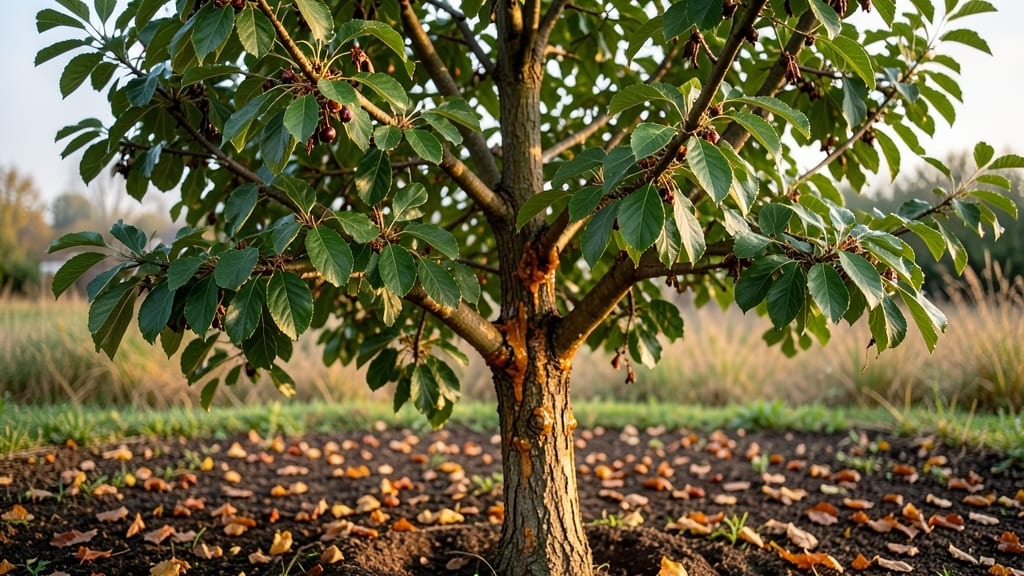
Your cherry tree oozing sap isn’t just messy—it’s a cry for help from the tree itself. 🌳 I’ve seen this sticky mess turn into bigger problems when ignored, but the right pruning fixes can stop the flow and restore health.
The key is identifying whether it’s stress-related, pest damage, or a wound that needs sealing.
Most sap oozing starts with a wound—whether from storms, tools, or pests like borers. The tree’s natural response is to seal it, but if the damage keeps happening, the flow never stops.
I’ve fixed this by cleaning cuts with rubbing alcohol, pruning at the right angle, and applying tree sealant to larger wounds. The goal? Let the tree heal without wasting energy on constant sap production.
Within weeks, you’ll see new growth where the sap was once flowing freely. The tree stops "bleeding," and energy goes back into leaves and fruit instead. Just avoid pruning during active sap flow (spring) unless absolutely necessary—wait until late summer or early fall for the cleanest cuts.
For stubborn cases, monitor for pests or fungal signs (like mold on the sap). If the ooze turns dark or smells foul, it’s time for a closer look—and possibly a call to an arborist.
But in most cases, these pruning fixes work like a charm, turning that sticky mess into a thing of the past.
Root Causes Of Sap Bleeding
When your cherry tree starts oozing sap—especially in early spring—it’s usually a sign of nature’s way of managing stress or damage. Understanding the why behind this sticky situation helps you address it effectively. Below, we break down the most common triggers, backed by science, so you can act with confidence.
Cherry trees (and many other woody plants) experience root pressure during dormancy, a natural process where water and dissolved sugars push upward through the xylem.
When temperatures rise in early spring, this pressure can become too much for the tree’s system to handle, causing sap to bleed from wounds, cracks, or pruning cuts.
Key factors:
- Rapid thawing: If winter ice melts too quickly, the tree’s vascular system struggles to regulate flow, leading to leaks.
- Moisture overload: Saturated soil increases root pressure, forcing excess sap upward.
- Pruning wounds: Fresh cuts act as escape points for built-up pressure.
💡 Pro Tip: If sap bleeding coincides with early spring, it’s likely pressure-related. Avoid pruning during this time unless necessary—wait until late spring or summer when the tree is actively growing.
Sap oozing can also signal an invasion—whether by insects or pathogens. Pests like borers or sap-sucking insects (e.g., scale, aphids) create entry points that weaken the tree’s defenses. Fungal infections, such as canker diseases, can also disrupt the bark’s integrity, causing sticky exudates.
Common culprits:
- Wood-boring insects: Larvae tunnel into the cambium layer, disrupting sap flow and creating oozing wounds.
- Bacterial cankers: Pseudomonas syringae or Erwinia species infect pruning cuts or bark injuries, producing dark, gummy sap.
- Fungal cankers: Nectria or Botryosphaeria fungi weaken branches, leading to sap leakage.
🔍 How to spot it: Check for:
- Sawdust-like frass (insect droppings) near wounds.
- Dark, sunken cankers with oozing sap.
- Wilting leaves or dieback in affected branches.
⚠️ Warning: If sap is dark, foul-smelling, or accompanied by wilting, act fast—this could indicate a serious infection.
Extreme weather, poor soil conditions, or physical trauma can push a cherry tree’s limits, triggering sap flow as a survival response. Here’s how:
Temperature fluctuations:
- Freeze-thaw cycles damage bark cells, creating microscopic tears that leak sap.
- Late frost after bud swell can “burn” new growth, forcing the tree to expel excess moisture.
Mechanical injury:
- Lawnmower or string trimmer damage to the trunk or roots disrupts the vascular system.
- Animal gnawing (e.g., deer, rabbits) creates wounds that bleed sap.
Poor drainage or compaction:
- Waterlogged soil forces roots to work harder, increasing internal pressure.
- Compacted soil restricts oxygen, stressing the tree and leading to sap leaks.
🌡️ Quick Fix: If environmental stress is the cause, focus on protection—wrap the trunk with tree guard in winter, improve drainage, and avoid compacting soil around the base.
Next Steps: Once you’ve identified the cause, you can target the right solution. Pruning fixes (like sealing cuts or adjusting timing) work best for pressure-related or mechanical issues, while pest management or fungicidal treatments may be needed for biological threats.
Fixing Sap Flow Naturally
Now that you understand why your cherry tree might be oozing sap, let’s tackle the solutions—without chemicals or drastic measures unless absolutely necessary. Below, we’ve mapped out practical fixes based on the most common causes, along with prevention tips to keep your tree healthy long-term.
---
If sap is oozing from recent pruning wounds, your tree’s natural sealing process may be struggling. The good news? This is usually temporary, but you can speed up recovery.
#### 🔥 How to Stop It: - 🍳 Apply Pruning Sealant (Optional but Helpful) Use a high-quality, tree-safe sealant (like Tanglefoot Tree Wound Pruning Seal or a beeswax-based product) to coat fresh cuts.
This creates a barrier against pests and speeds up callus formation. - Pro Tip: Only seal cuts over ½ inch thick—smaller wounds heal faster on their own.
- 👨🍳 Prune at the Right Time The best time to prune cherry trees is late winter or early spring (before buds swell). Avoid heavy pruning in summer or fall, when trees are more stressed and prone to sap leakage.
- ⏰ Give It Time Most sap flow from pruning stops within 2–4 weeks as the tree seals the wound. If it persists beyond a month, check for bacterial infection (see next section).
#### 💡 Prevention Tips: ✔ Use sharp, clean tools to make smooth cuts (no jagged edges). ✔ Cut just outside the branch collar (the swollen area where the branch meets the trunk). ✔ Avoid over-pruning—remove only dead, diseased, or crossing branches.
---
If the oozing sap is thick, dark, or has a foul odor, your tree may be battling bacterial canker (common in cherry trees) or fungal infections. These require immediate action to prevent spread.
#### 🔪 How to Stop It: - 🌡️ Clean the Wound Aggressively 1. Sterilize your pruners with rubbing alcohol. 2. Cut out infected tissue—remove at least 6 inches beyond the visible ooze to ensure you’re below the infection. 3. Dispose of infected branches (don’t compost them!).
- 🎯 Apply Copper-Based Fungicide Spray the wound and surrounding area with a copper fungicide (like Bordeaux mixture or copper hydroxide). Reapply every 2–4 weeks until new growth appears. - Pro Tip: For severe infections, consider wound dressing (like TreeHelp Wound Dressing) to protect the cut.
- ✨ Monitor for Reoccurrence If sap returns within a few weeks, the infection may be deeper. Repeat the process or consult an arborist for professional help.
#### 💡 Prevention Tips: ✔ Inspect trees regularly for cracks, cankers, or oozing spots. ✔ Avoid wounding bark—use rubber mallets instead of ladders or tools that scratch the trunk. ✔ Improve air circulation by thinning dense branches.
---
Cherry trees under stress (from drought, frost cracks, or pest attacks) may leak sap as a survival response. The key here is relieving stress and protecting the tree.
#### 🌿 How to Stop It: - 💧 Hydrate Deeply (But Correctly) - For drought stress: Water deeply 1–2 times per week (not daily shallow watering). - For overwatering: Let soil dry between waterings—soggy roots = more stress. - Pro Tip: Mulch around the base (3–4 inches deep) to retain moisture and regulate temperature.
- 🥶 Protect from Frost Cracks - Wrap young trees in burlap or tree guard before winter. - Avoid late-season pruning (after August), which can make trees vulnerable to frost damage.
- 🐜 Treat Pest Infestations If sap oozing is paired with holes, sawdust-like frass, or borer holes, you may have: - 🐛 Cherry tree borers → Use beneficial nematodes or insecticidal soap. - 🐜 Aphids/scale insects → Spray with neem oil or horticultural oil.
#### 💡 Prevention Tips: ✔ Test soil moisture before watering—stick your finger 2 inches deep; if dry, water. ✔ Avoid fertilizing in late summer/fall—it encourages tender growth vulnerable to frost. ✔ Encourage natural predators (like ladybugs) to control pests organically.
---
If none of these fixes work after 6–8 weeks, or if you notice: - Large, weeping cankers - Wilting leaves or dieback - Sap with a strong, rotten smell
…it’s time to consult a certified arborist. Some issues (like advanced bacterial canker) may require professional pruning or treatment to save the tree.
--- Final Thought: Most sap oozing is fixable with the right care! Start with proper pruning techniques, monitor for infections, and reduce stress factors—your cherry tree will thank you with healthier growth and fewer leaks. 🌳✨
Frequently asked questions about cherry tree sap oozing
Is it normal for cherry trees to ooze sap in spring?
Yes, but only to a point! A small amount of sap in early spring is normal due to root pressure as the tree wakes up. However, if you see excessive oozing from wounds or cracks, it’s a sign of stress or damage. The key is monitoring the amount—if it’s more than a few drips, investigate further.
Can I prune my cherry tree if it's currently oozing sap?
Only if absolutely necessary! Pruning during active sap flow (usually spring) can make the problem worse. Wait until late summer or early fall when the tree is less stressed. If you must prune now, use a sterilized saw and seal larger cuts with pruning sealant to minimize leakage.
What does dark, foul-smelling sap mean?
That’s a red flag! Dark, smelly sap often indicates bacterial canker or fungal infection. Act fast by removing infected tissue (cut 6+ inches beyond the visible ooze) and applying copper fungicide. If the tree shows wilting or dieback, consult an arborist immediately—this could be serious.
Will sealing pruning wounds really help stop sap flow?
For wounds over ½ inch thick, absolutely! A tree-safe sealant (like beeswax or Tanglefoot) creates a protective barrier that speeds up healing. Smaller wounds usually seal themselves within 2–4 weeks, but sealant gives your tree a fighting chance against pests and disease while it recovers.
How can I tell if pests are causing the sap oozing?
Look for these clues: Sawdust-like frass (insect droppings) near wounds, tiny holes in the bark, or sticky residue from sap-sucking insects. If you spot these, treat with neem oil or beneficial nematodes for borers. Early action prevents permanent damage to your tree’s vascular system.