
Pruning
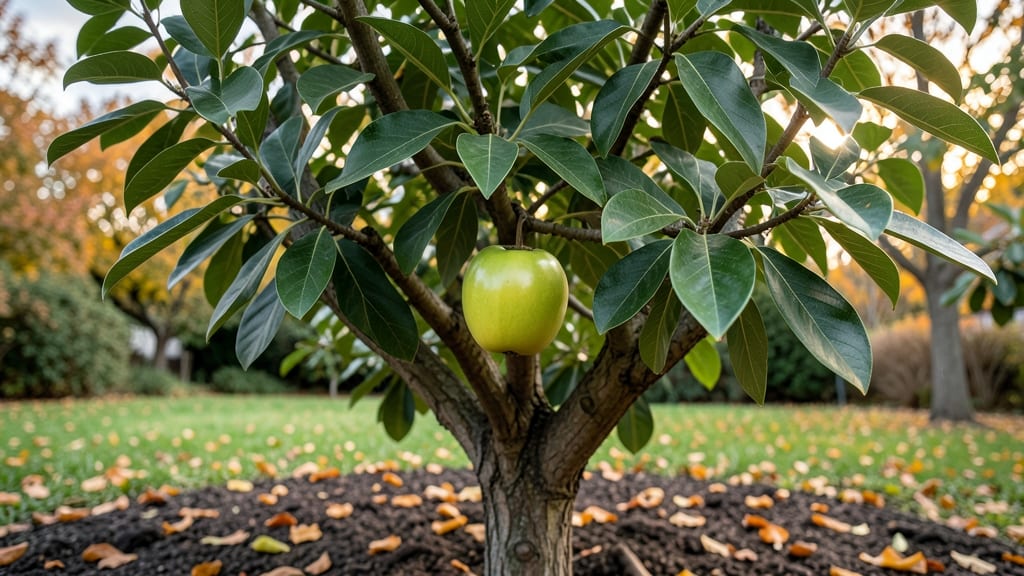
Your persimmon tree is drowning in unripe fruit because it’s confused—too many fruits mean none mature properly. 🌿 I’ve seen this happen when trees produce more than they can ripen, leaving gardeners with bitter, hard fruit come fall.
The solution isn’t complicated, but it does require timing, pruning, and a little patience to balance the tree’s energy.
First, identify the culprits: overcrowded branches, poor pollination, or environmental stress (like inconsistent sunlight or temperature swings) often cause unripe fruit. Persimmons need full sun (6+ hours daily) and consistent warmth—if your tree isn’t getting both, it’ll struggle to ripen.
Thin out excess fruit early in the season, leaving only 1-2 persimmons per spur (the small branch clusters) to ensure the remaining ones get the nutrients they need.
Once you’ve thinned, focus on pruning for airflow: Remove 10-15% of the tree’s canopy to improve sunlight penetration and reduce humidity (which invites disease). Prune in late winter or early spring before new growth starts, and always use clean, sharp tools to avoid damaging branches.
Within a season, you’ll see fewer but sweeter, fully ripe persimmons—the kind that soften to the touch and taste like honeyed custard.
For next year, monitor your tree’s flowering and fruit set—if pollinators are scarce, hand-pollinate with a small brush. Mulch around the base to retain moisture and avoid over-fertilizing with nitrogen, which encourages leafy growth over fruit.
With these adjustments, your persimmon tree will strike the perfect balance: just enough fruit to ripen beautifully, without overwhelming the tree.
Root Causes Of Unripe Persimmons
Understanding why your persimmon tree produces unripe fruit is the first step to fixing the issue. Here’s a breakdown of the most common—and fixable—reasons behind this frustrating problem.
Persimmons (Diospyros spp.) are not self-pollinating—they rely on pollinators like bees, butterflies, and even wind to transfer pollen between flowers. If your tree isn’t getting enough visits from these helpers, the fruit may set but fail to mature properly.
Why it happens:
- Lack of pollinators in urban or suburban areas where pesticides reduce bee populations.
- Poor flower timing—some persimmon varieties bloom early or late, missing peak pollinator activity.
- Isolation—if your tree is the only one in the area, cross-pollination becomes nearly impossible.
Actionable fix:
- Plant a second persimmon tree of a compatible variety (e.g., ‘Fuyu’ and ‘Hachiya’) within 100 feet for cross-pollination.
- Avoid heavy pesticide use during bloom (early spring) to protect pollinators.
- Hand-pollinate by gently transferring pollen with a soft brush between flowers on the same tree (if self-pollinating varieties like ‘Meader’ are planted).
Unripe persimmons often signal that your tree isn’t getting the right nutrients to support fruit development. The most critical deficiencies include:
| Nutrient | Symptoms in Fruit/Tree | Solution |
|---|---|---|
| Nitrogen (N) | Small, hard, underdeveloped fruit; yellowing leaves | Apply balanced fertilizer (10-10-10) in early spring. |
| Phosphorus (P) | Poor root/fruit growth; dark green/purple leaf stems | Use bone meal or rock phosphate in late winter. |
| Potassium (K) | Fruit stays firm, astringent, or cracks prematurely | Add wood ash or greensand in early summer. |
| Calcium (Ca) | Blossom-end rot (brown spots on fruit) | Apply lime or calcium nitrate when buds swell. |
| Magnesium (Mg) | Yellowing between leaf veins (interveinal chlorosis) | Sprinkle Epsom salt (magnesium sulfate) around the base. |
Pro Tip: 💡 Test your soil (pH should be 5.5–6.5 for persimmons). If it’s too acidic or alkaline, amend with sulfur (to lower pH) or lime (to raise it).
Persimmons are drought-tolerant once established, but too little or too much water at the wrong time can stall ripening.
Why it happens:
- Underwatering during fruit set (late spring) causes small, hard fruit.
- Overwatering leads to blossom drop or splitting fruit, both of which prevent proper maturation.
- Irregular watering stresses the tree, diverting energy away from fruit development.
Actionable fix:
- Water deeply 1–2 times per week (1–1.5 inches per session) during fruit growth.
- Mulch with wood chips or straw to retain moisture and regulate soil temperature.
- Avoid wetting leaves/fruit to prevent fungal diseases (like anthracnose), which can weaken the tree.
Improper pruning can overwhelm or under-stress your persimmon tree, leading to unripe fruit.
Common pruning errors:
- Over-pruning in late winter/early spring removes too many fruiting spurs (where fruit forms).
- Under-pruning allows dense growth, reducing airflow and sunlight penetration.
- Pruning at the wrong time (e.g., after bloom) can remove next year’s fruit buds.
How to prune correctly: 🔥 When: Late winter (before buds swell) or immediately after harvest. 👨🍳 How:
- Remove dead, diseased, or crossing branches first.
- Thin out 20–30% of the canopy to improve airflow.
- Keep scaffold branches (main structural limbs) strong and spaced.
✨ Pro Tip: Never prune more than 25% of the tree in one year—persimmons are sensitive to heavy cuts.
Fungal diseases (like anthracnose or powdery mildew) and pests (such as Japanese beetles or scale insects) sap the tree’s energy, preventing fruit from ripening.
Signs of trouble:
- Stunted growth or leaf drop (tree is fighting an infection).
- Holes in leaves (pest damage) or black spots (fungal disease).
- Sticky residue (honeydew from sap-sucking insects).
Solutions:
- Preventively spray with neem oil or copper fungicide in early spring.
- Encourage natural predators (ladybugs, lacewings) by planting companion flowers.
- Remove heavily infested branches and dispose of them (don’t compost!).
Fixing Unripe Persimmons Naturally
Now that you understand why your persimmon tree is struggling to ripen fruit, let’s tackle the solutions—practical, step-by-step fixes to balance growth and ripening. The key is adjusting care to match your tree’s needs, whether it’s about light, nutrients, or pruning habits. Here’s how to turn things around:
Unripe persimmons often signal overcrowding or poor airflow. Prune strategically to improve fruit development:
- 🔪 Thin Out Overloaded Branches Remove 20–30% of the least productive branches (especially those with clusters of unripe fruit). Focus on:
- Suckers or water sprouts (fast-growing, weak branches).
- Crossing or rubbing branches (they compete for energy).
- Dead or diseased wood (prune to the healthy bud below).
- 🌱 Prioritize Sun Exposure Thin the canopy to let sunlight reach inner fruit. Aim for a balanced shape—persimmons need 6–8 hours of direct sun daily for ripening. If your tree is shaded (e.g., by taller trees or structures), consider transplanting or relocating nearby obstructions.
- ⏰ Time Your Pruning Right
- Dormant season (late winter/early spring): Best for structural pruning.
- Post-harvest (fall): Light pruning to remove deadwood and shape for next year. ⚠️ Avoid heavy pruning in summer—it stresses the tree and delays ripening.
Unripe fruit often signals a nutrient imbalance. Test your soil (pH 6.0–7.0 is ideal for persimmons) and adjust:
| Issue | Fix | When to Apply |
|---|---|---|
| Nitrogen-heavy soil | Switch to a balanced fertilizer (e.g., 10-10-10) or low-nitrogen (5-10-10). | Early spring or fall |
| Potassium deficiency | Add wood ash (sparingly) or a potassium-rich fertilizer (like 0-0-50). | Late summer (encourages ripening) |
| Magnesium/Calcium lack | Apply Epsom salt (magnesium) or lime (calcium) if soil tests confirm deficiencies. | Spring or early fall |
💡 Pro Tip: Avoid over-fertilizing—too much nitrogen = leafy growth, fewer* fruits. Aim for moderate feeding during fruiting season (summer).
Overwatering or drought stress can stall ripening. Follow this goldilocks approach:
- 🌡️ Deep, Infrequent Watering Water 1–2 inches per week (more in extreme heat). Use drip irrigation or soaker hoses to avoid wetting leaves (reduces fungal risks like anthracnose, which weakens fruit).
- 🚰 Drainage Check Persimmons hate soggy roots. If your tree sits in a low spot, amend soil with compost or plant on a slight mound to improve drainage.
- 🍂 Late-Season Hydration Reduce watering 4–6 weeks before harvest to concentrate sugars in the fruit. This mimics natural drought stress, boosting sweetness.
Pests and diseases steal energy from your tree, leaving fruit unripe. Act fast with these organic-first fixes:
- 🐜 Aphids/Scale Insects
- Spray with neem oil (early morning/evening to avoid harming bees).
- Introduce ladybugs (natural predators).
- 🍄 Powdery Mildew/Fungal Issues
- Prune for airflow (remove dense foliage).
- Apply copper fungicide or baking soda spray (1 tsp baking soda + 1 quart water + drop of soap).
- 🐛 Borers or Cankers
- Seal wounds with pruning paint (prevents entry).
- Remove infested branches immediately and sterilize tools with rubbing alcohol.
Once you’ve fixed the current issue, lock in success with these long-term strategies:
- 📅 Prune Annually – Light maintenance keeps the tree healthy and productive. - 🌱 Mulch Wisely – Use 2–3 inches of organic mulch (wood chips, straw) to retain moisture and regulate soil temp. - 🍎 Monitor Fruit Load – Thin fruits early (leave 1–2 per cluster) to avoid overburdening the tree. - 🔍 Watch for Early Signs – Yellowing leaves? Nutrient test now.
Stunted growth? Check roots for rot.
Final Thought: Patience is key—persimmons take 120–150 days to ripen. By balancing pruning, nutrients, and water, you’ll coax your tree into producing sweeter, sun-ripened fruit next season. 🍊✨
Frequently asked questions
How can I tell if my persimmon fruit is truly unripe vs. just firm?
Unripe persimmons are hard as rocks, greenish-yellow, and have a bitter, astringent taste if you cut one open. Ripe ones soften to the touch (like a peach) and turn deep orange-red. For astringent varieties (like 'Hachiya'), they must be fully soft before eating—never eat them firm!
Will removing unripe fruit help my tree produce better ones next year?
Thinning unripe fruit reduces stress on the tree, allowing remaining fruits to get proper nutrients. Leave only 1-2 persimmons per spur (small branch cluster) to maximize size and sweetness. This also prevents overloading, which often leads to more unripe fruit.
Can I force unripe persimmons to ripen indoors?
Only astringent varieties (like 'Hachiya') can ripen off the tree if picked when fully colored but still firm. Place them in a paper bag with a banana (ethylene gas speeds ripening) and check daily. Non-astringent types (like 'Fuyu') won't soften—they're ready to eat firm.
Why do some branches have ripe fruit while others have none?
This usually means uneven sunlight exposure or nutrient distribution. Prune to open the canopy and improve airflow, then fertilize with potassium-rich food (like wood ash) to encourage fruit development on all branches. Check for pests too—they often target specific areas first.
Is it too late to fix unripe fruit this year?
For this season, no—focus on thinning fruit and pruning for next year. But you can still improve ripening by ensuring 6+ hours of sunlight, proper watering (1-2 inches weekly), and no late-season nitrogen (which delays maturation). The real fixes happen in winter pruning!