
Pruning
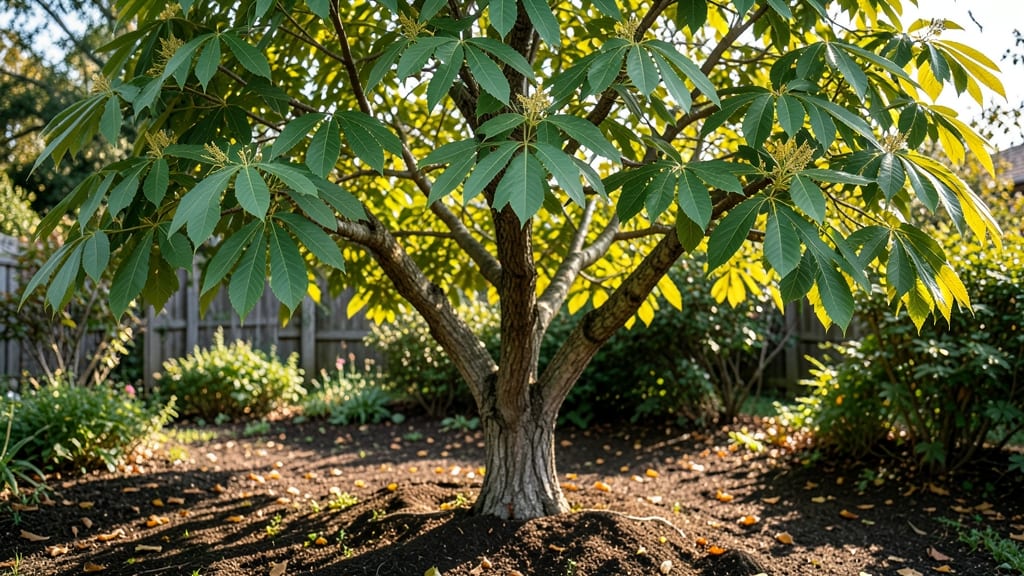
Winter pruning your Tree of Heaven (Ailanthus altissima) isn’t just about cutting branches—it’s about reviving its structure after months of dormancy. 🌳 The key is timing: prune when the tree is fully dormant but before new growth starts, usually between late December and early February.
This is when the tree’s energy reserves are at their lowest, making it easier to control its aggressive growth without stressing the plant.
Here’s the thing—Tree of Heaven thrives on neglect, but winter pruning keeps it from becoming an unruly giant. Focus on removing dead, diseased, or crossing branches first, then shape the canopy by cutting back no more than 25% of the total growth.
The goal isn’t just height control; it’s encouraging a stronger, more balanced framework for spring. Think of it like giving the tree a fresh start before the growing season kicks in.
You’ll see the difference in just a few weeks: new shoots will emerge lush and vibrant, and the tree’s overall health will improve. The pruning scars heal quickly in this hardy species, so there’s no need to worry about over-pruning—just work methodically.
For best results, use clean, sharp tools and prune on a dry day to minimize sap bleeding and disease risk.
Pro tip: If your Tree of Heaven is near a sidewalk or driveway, winter is the perfect time to reduce its height without sacrificing its ability to rebound. Just remember—this tree grows fast, so plan for annual maintenance to keep it in check.
Once you master the timing and technique, you’ll have a tree that’s both controlled and thriving year-round.
📚 In This Guide
- What you need
- Instructions
- Tips and common mistakes
- Wrapping up and next steps
What you need
- ● Pruning shears: Bypass pruners (sharp, 6-8" blades) for small branches (1/4"–1" diameter). Pro tip: 💡 Disinfect blades with rubbing alcohol before and after use to prevent disease spread!
- ● Loppers: 1 pair (8-12" blades) for medium branches (1"–2" diameter). Look for ratcheting or bypass styles for clean cuts.
- ● Pruning saw: 1 handheld saw (8-10" blade) for thick branches (2"+ diameter). A bow saw or curved-tooth saw works best.
- ● Gloves: Heavy-duty work gloves (leather or cut-resistant) to protect against thorns and sap.
- ● Safety glasses: ANSI-rated goggles to shield eyes from debris.
- ● Ladder: Extendable or step ladder (16–24' height, depending on tree size). ⚠️ Safety first: Always secure the ladder on stable ground!
- ● Disposable pruning bags: 1–2 heavy-duty bags (20–30 gallon) for collecting branches and debris.
- ● Rake or broom: For clearing fallen leaves and small debris post-pruning.
- ○ Tree wound dressing (optional but helpful): Pruning sealant (like Tanglefoot Tree Wound Pruning Seal) for large cuts (2"+ diameter). 🌡️ Note: Some arborists debate this—only use if the cut is exposed to harsh elements!
- ● Notebook & pencil: To sketch a quick pruning plan or mark branches for removal.
- ● Pole saw: For high branches (10–30' reach) if you’re avoiding a ladder.
- ● Extension cord & electric pruner: For large-scale pruning (if working with very thick branches).
- ● Pruning rope: Lightweight rope (1/4" diameter) to lower heavy branches safely.
- ● Hand sanitizer/wipes: For cleaning hands between cuts (especially if sap irritates skin).
- ● Tree pruning guidebook or app: For reference on proper cuts and techniques.
Step-by-step instructions for pruning tree of Heaven in winter
Winter's dormant season is the perfect time to shape your Tree of Heaven—here's how to revitalize growth while controlling its aggressive spread.
🌱 Step 1: Assess the Tree's Structure and Identify Target Branches
Start by examining the tree's overall form from multiple angles. Tree of Heaven (Ailanthus altissima) grows aggressively, so focus on removing water sprouts (thin, upright shoots) and crossing branches first—these compete for nutrients and weaken the tree's structure. Use a pruning saw for branches thicker than 1 inch and bypass pruners for smaller limbs.
Look for branches that grow inward or downward—they'll create dense, shaded areas that invite disease. I mark these with a white chalk marker before cutting, so I don't accidentally remove healthy growth. This step ensures you're not just hacking back branches randomly, which can stress the tree.
✂️ Step 2: Make Clean Cuts at the Correct Angles
For branches thicker than ½ inch, use the three-cut method to prevent bark tearing. First, make an undercut about 18 inches from the trunk, then a top cut just outside the branch collar. Finally, remove the remaining wood by cutting just outside the undercut. This protects the tree's healing response.
Always cut at a 45-degree angle for branches larger than ½ inch, sloping away from the trunk. For smaller branches, a straight cut works fine. I like to sterilize my tools with 70% rubbing alcohol between cuts to prevent spreading disease through open wounds.
🌿 Step 3: Thin the Canopy for Better Airflow
Remove about 20-30% of the tree's total foliage to improve light penetration and reduce disease risk. Focus on thinning from the inside out—this opens up the canopy while maintaining the tree's natural shape. I start at the bottom and work my way up, removing the smallest branches first.
Watch for sucker growth at the base and along the trunk. These aggressive shoots drain energy from the main structure. Cut them back to ground level immediately, as they'll regrow if left even a fraction of an inch above soil. This step is critical for controlling the tree's spread.
⏰ Step 4: Clean Up and Apply Protective Measures
After pruning, collect all debris and dispose of it properly—Tree of Heaven seeds can sprout from even small fragments. I bag the clippings and add them to my compost pile only if I've confirmed no seeds remain. Sterilize your tools again with rubbing alcohol before storing them.
Apply a wound dressing to cuts larger than 2 inches to prevent disease entry. While some gardeners avoid this, I've found it helps in urban environments where air quality isn't ideal. Water the base thoroughly after pruning to help the tree recover from the stress.
Tips & tricks for pruning tree of Heaven in winter
Winter pruning transforms your Tree of Heaven from a chaotic mess into a controlled, healthy specimen. Here's how to avoid common pitfalls and maximize results.
Tool Selection Matters: While the instructions specify using a pruning saw for branches thicker than 1 inch, I recommend having a loppers (for ½ to 1 inch branches) and a pruning saw on hand. The three-cut method in Step 2 works best with sharp tools—dull blades tear bark and create larger wounds that invite disease. I keep a small file in my tool bag to sharpen blades mid-session, especially when tackling multiple branches.
Visual Mapping Technique: Before making any cuts in Step 1, I sketch a rough diagram of the tree's structure on a notepad. This helps me visualize the final shape and ensures I don't accidentally remove too much foliage from one side. Focus on creating an open center—this improves airflow and sunlight penetration, which are critical for preventing fungal diseases that thrive in dense canopies.
Sucker Control Strategy: The instructions mention cutting sucker growth back to ground level, but here's the secret: I apply a copper-based pruning sealant to these cuts immediately after pruning. This creates a physical barrier that prevents regrowth while also protecting against borers. For stubborn suckers, I make a second cut slightly deeper 2-3 weeks later—this ensures they don't resprout from the same spot.
Seasonal Timing Nuance: While winter is ideal, I've found that late winter (just before bud break) gives slightly better results. The tree's sap flow is minimal, but not completely dormant, which means less stress on the plant. If you must prune in early winter, avoid days below 20°F—the cold can make the wood brittle and more prone to splitting during cutting.
Pro Tips for Tree Of Heaven Winter
- Winter pruning transforms your Tree of Heaven from a chaotic mess into a controlled, healthy specimen.
- Tool Selection Matters: While the instructions specify using a pruning saw for branches thicker than 1 inch, I recommend having a loppers (for ½ to 1 inch branches) and a pruning saw on hand.
- Visual Mapping Technique: Before making any cuts in Step 1, I sketch a rough diagram of the tree's structure on a notepad.
Frequently asked questions
Got questions about pruning your Tree of Heaven in winter?
You’re not alone! Here are answers to the most common concerns—from timing to troubleshooting—so you can tackle the job with confidence.
When is the best time to prune Tree of Heaven in winter?
The ideal window is late winter (February–March), before new growth starts. Pruning in dormancy reduces stress on the tree and minimizes sap loss. Avoid pruning after buds swell—this can trigger excessive bleeding and weaken the tree.
Can I prune Tree of Heaven too much in winter?
Yes! Over-pruning (removing more than 25% of the canopy at once) stresses the tree, especially in winter. Tree of Heaven is resilient, but drastic cuts can lead to slow recovery or pest vulnerability. Stick to strategic shaping—focus on removing deadwood, crossing branches, and thinning selectively.
Will winter pruning attract pests like stink bugs or scale?
Pruning any time can expose the tree to pests, but winter is actually a safer bet—many insects are dormant. Still, clean cuts with sharp tools reduce entry points. Seal larger wounds with pruning sealant if your area has heavy pest pressure.
What if my Tree of Heaven bleeds sap after winter pruning?
Sap bleeding (especially in maple-like species) is normal but can be messy. To minimize it, prune on cooler days (below 40°F) and avoid cutting into wet wood. The tree will recover—this isn’t harmful, just a sign of stored energy release!
Are there alternatives to winter pruning for Tree of Heaven?
If winter pruning isn’t feasible, opt for light maintenance in early spring (April) or late summer (August). However, winter is still best for major structural work. Avoid pruning during active growth (spring/summer) to prevent disease risks and sap loss.
| Quick Troubleshooting |
|---|
| Problem: Branches won’t stay cut |
| Solution: Use bark notch cuts (a small cut upward on the underside of the branch before the final cut) to prevent tearing. |
| Problem: Tree looks sparse after pruning |
| Solution: Prune in stages over 2–3 years to avoid over-thinning. Focus on air circulation over density. |
Wrapping up and next steps
The Tree of Heaven thrives even in winter with the right pruning care—your efforts now will reward you with lush, controlled growth come spring! 🌿 By mastering timing, tools, and techniques, you’ve got everything needed to keep this hardy tree healthy and vibrant year-round.
Ready to see the difference? Grab your pruners and schedule that winter trim session—your tree (and future shade!) will thank you.
Next step:
- 📅 Pick a calm winter day (below freezing is ideal) to prune.
- 🌱 Start small—focus on one branch or section at a time.
- 📝 Snap a before/after photo to track progress!