
Pruning
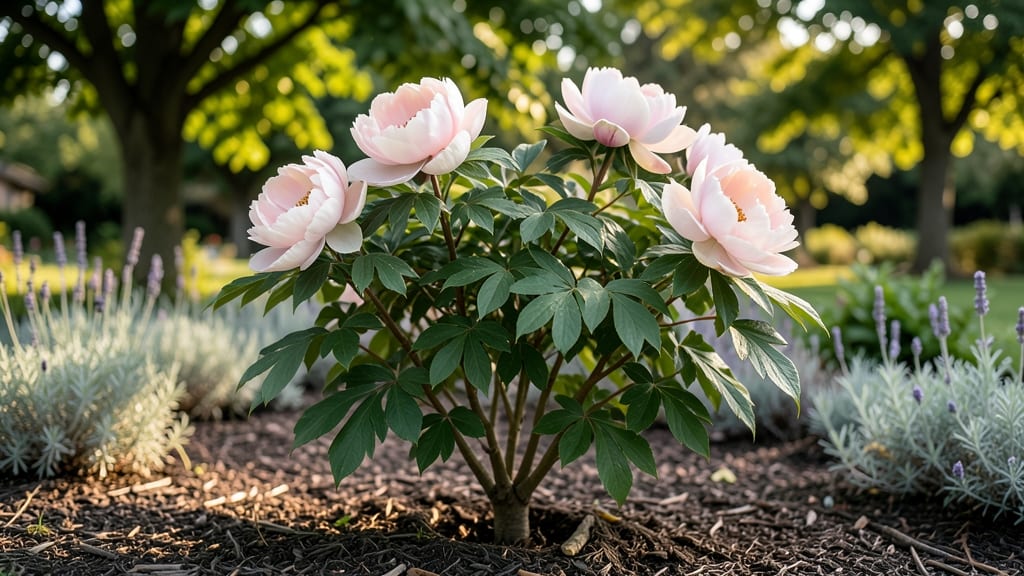
Strategic trimming turns your paeonia tree peony into a blooming powerhouse. ✨ Those thick, woody stems might look stubborn, but they reward careful cuts with larger, more abundant flowers every season.
I’ve watched my 10-year-old tree peony go from sparse blooms to a dramatic display of velvety petals—just by pruning at the right time and in the right way.
Here’s the secret: tree peonies hate being cut back hard like shrubs. Instead, you focus on shaping, thinning, and removing dead wood—never more than a third of the plant at once.
The best time to prune is right after flowering, when the blooms fade but before new buds form. This gives the plant energy to store for next year’s show.
You’ll end up with a neat, open canopy that lets sunlight reach the center, where most buds form. The flowers themselves grow bigger over time, and with proper pruning, you can extend their lifespan by decades.
My tree peonies now bloom from late May through June, with some late varieties lingering into early July.
Works for both single-flowered and double-flowered varieties, and even thrives in containers if you choose dwarf types. The key is patience—tree peonies grow slowly but reward long-term care with stunning, long-lasting blooms that outshine most spring flowers.
📚 In This Guide
- What you need
- Instructions
- Tips and common mistakes
- Wrapping up and next steps
What you need
- ● Pruning shears – Sharp, bypass-style shears (for clean cuts on smaller branches).
- ● Loppers – For thicker branches (1-2 inches in diameter).
- ○ Pruning saw – For stubborn, woody stems (optional but handy for mature plants).
- ● Disinfectant (70% rubbing alcohol or bleach solution) – To sterilize tools between cuts and prevent disease.
- ● Gloves – Heavy-duty gardening gloves to protect against thorns and sap.
- ○ Pruning sealant (optional but recommended) – For larger cuts to prevent decay (e.g., Tree Seal or pruning wax).
- ● Trash bags or bucket – For collecting pruned branches and debris.
- ● Knowledge of your peony’s growth stage – Tree peonies bloom on old wood, so timing matters! (More on this in the timing section.)
- ● Weather forecast – Aim for a dry, mild day (avoid pruning in frost or extreme heat).
- ○ Stakes or supports (optional) – If your peony has heavy blooms or leggy growth, lightweight stakes can help.
- ● Compost or mulch – To replenish the soil after pruning for a nutrient boost.
- ○ Camera or sketchbook (optional) – To document your pruning progress or plan cuts before you start!
Instructions for pruning Paeonia tree peonies
Here's how to keep your tree peonies blooming beautifully year after year.
✂️ Step 1: Prune Immediately After Flowering
Wait until all blooms have faded and the seed pods have dried completely—this usually happens in late spring to early summer. Cut back the spent flower stems to a bud eye (the small bump where leaves grow) using clean, sharp pruners. This prevents disease and redirects energy into next year's blooms.
I always sanitize my pruners with rubbing alcohol before and after pruning. Tree peonies are susceptible to botrytis blight, and keeping tools clean is the easiest way to prevent it. Remove any stems that look diseased or dead—these won’t recover and will only spread problems.
⏰ Step 2: Light Summer Pruning for Airflow
In mid-summer, give your tree peony a quick check for overcrowded branches. Thin out any stems that are growing too close together, cutting them back to the base. This improves airflow and reduces humidity around the plant, which helps prevent fungal issues.
You’ll notice some stems are thicker and healthier than others. Focus on removing the weaker ones first—they’re competing with stronger growth for nutrients. Never remove more than 25% of the plant in a single session, or you’ll stress the roots.
✂️ Step 3: Winter Pruning for Shape and Health
Prune again in late winter or early spring, just before new growth begins. Remove any dead, damaged, or crossing branches, cutting them back to a healthy bud or the main stem. This is also the time to shape the plant—tree peonies respond well to light pruning to encourage a full, rounded form.
Look for stems that are rubbing against each other or growing inward. These are prime candidates for removal—they’ll create wounds that invite disease. If you’re unsure which branches to cut, imagine the plant as a vase shape and prune to maintain that natural silhouette.
🌱 Step 4: Post-Pruning Care for Recovery
After pruning, give your tree peony a deep watering to help it recover. The roots will need extra moisture to support new growth, especially if you’ve made significant cuts. Avoid fertilizing immediately after pruning—wait until new shoots appear before applying a balanced fertilizer.
Keep an eye out for any signs of stress, like wilting or yellowing leaves. If you see these, it’s usually a sign of over-pruning or root disturbance. Tree peonies are tough, but they do best when treated gently—think of pruning as a conversation, not a battle.
Tips & tricks for pruning Paeonia tree peonies
Here's what nobody tells you about keeping your tree peonies thriving—these little details make all the difference.
Timing is Everything: In Step 1, when pruning after flowering, wait until those seed pods are completely dry and brown before cutting. I’ve made the mistake of pruning too early, and it stressed the plant instead of helping it. The dried pods signal the plant has finished its energy cycle for the year, so it’s ready to redirect resources to next season’s blooms.
Tool Prep Prevents Problems: Before you even touch a branch, sanitize your pruners with rubbing alcohol. I learned this the hard way after losing a few plants to botrytis blight—clean tools are your first line of defense. For extra protection, wipe down the blades with a bleach solution (1 part bleach to 10 parts water) if you’re working with multiple plants.
Visual Cues for Pruning: When shaping in Step 3, think of your tree peony like a vase. The strongest stems should form the base, with smaller branches fanning out toward the top. If you’re unsure which branches to cut, look for stems that are crossing or rubbing against each other—these are the ones causing damage and should go first. The goal is to create an open, airy structure that lets sunlight reach all parts of the plant.
Recovery Matters More Than You Think: After pruning, that deep watering in Step 4 isn’t just a formality—it’s crucial. Tree peonies have deep roots, and they’ll need that extra moisture to recover from the stress of trimming. I’ve seen plants wilt after pruning because they weren’t given enough water to bounce back. Pair that watering with a light layer of mulch to retain moisture and protect the roots.
Pro Tips for Paeonia Tree Peony
- Here's what nobody tells you about keeping your tree peonies thriving—these little details make all the difference.
- Timing is Everything: In Step 1, when pruning after flowering, wait until those seed pods are completely dry and brown before cutting.
- Tool Prep Prevents Problems: Before you even touch a branch, sanitize your pruners with rubbing alcohol.
Frequently asked questions
about pruning your Paeonia tree peony—because even the most stunning blooms need a little TLC! Whether you're a newbie or a seasoned gardener, these answers will help you keep your peonies thriving.When is the best time to prune my tree peony?
Prune your Paeonia tree peony in late winter or early spring (before new growth starts), ideally between February and March. Avoid pruning in fall or during dormancy—this can stress the plant. Light shaping can be done after flowering, but major cuts should wait for the next dormant season.
How much can I trim back my tree peony?
Never cut more than 1/3 of the plant’s height in one season. Tree peonies store energy in their roots, so aggressive pruning can weaken them. Focus on removing dead, diseased, or crossing branches first. If your peony is overgrown, spread trimming over 2-3 years for safety.
Why are my peony buds not opening, even after pruning?
Bud blast (buds failing to open) can happen due to over-pruning, poor air circulation, or fungal issues. Ensure you’re not cutting into old wood—tree peonies bloom on current season’s growth. Improve airflow by thinning dense foliage, and treat fungal spots with neem oil or copper fungicide if needed.
Can I prune my tree peony in summer?
Summer pruning is not recommended unless removing deadheading spent blooms to encourage more flowers. Heavy summer cuts can trigger new growth that won’t harden off before winter, leaving your peony vulnerable to cold damage. If you must prune, do it lightly and early in the season.
What’s the difference between pruning herbaceous and tree peonies?
Tree peonies (Paeonia suffruticosa) are woody shrubs and should be pruned like a small tree—focus on shape and structure. Herbaceous peonies (die back to the ground) are pruned in early spring to remove dead foliage. Tree peonies never fully die back, so avoid cutting into old wood!
Wrapping up and next steps
Transforming your Paeonia tree peony into a vibrant, year-round bloomer is all about timing, technique, and a little patience! 🌸 By mastering the art of strategic pruning—whether it’s deadheading, light shaping, or seasonal trims—you’ll encourage lush foliage, abundant flowers, and a healthier plant.
Remember, every snip is a step toward a more stunning garden, so don’t hesitate to roll up your sleeves and get hands-on.
Ready to take the next step? Grab your pruners, mark your calendar for key pruning dates, and watch your tree peony thrive like never before! 🌿 For extra inspiration, explore seasonal care guides or join gardening forums to share your progress with fellow enthusiasts.