
Pruning
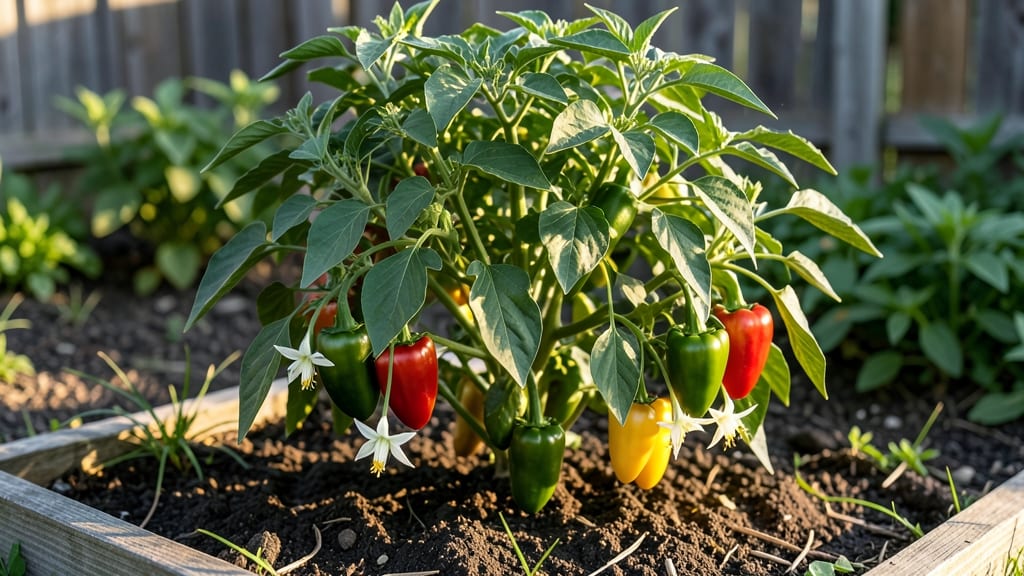
Your pepper tree (Schinus molle) can look stunning all year—if you prune it right. ✂️ I’ve turned my once-ragged specimen into a showstopper with just a few strategic cuts, and the secret isn’t complicated: timing, technique, and a little patience.
Whether you’re shaping it for shade, formal hedges, or just keeping it healthy, the right approach makes all the difference.
The best time to prune is late winter or early spring, when new growth is about to start. But don’t stress—you can also trim lightly after flowering to encourage fuller branches. Grab your shears, sanitize them with rubbing alcohol, and focus on removing dead wood first.
Then, thin out crowded branches to let sunlight reach the center, which keeps the tree lush and pest-free.
What you’ll end up with is a pepper tree that’s denser, healthier, and shaped just how you want it—whether that’s a neat columnar form or a loose, natural silhouette.
The berries (yes, they’re edible!) will be more abundant, and your tree will resist disease better. Plus, the scent of crushed leaves is like a fresh pine forest—nature’s air freshener.
Works in USDA zones 8-11, so whether you’re in a hot desert climate or a mild coastal area, this method adapts. Just avoid heavy pruning in fall, or you’ll risk stunted growth next spring. Ready to give your tree a makeover?
📚 In This Guide
- What you need
- Instructions
- Tips and common mistakes
- Wrapping up and next steps
What you need
- ● Pruning shears: Bypass pruners (sharp, clean, and sterilized with rubbing alcohol or bleach solution to prevent disease spread). Recommended: Felco F-2 or similar.
- ● Loppers: For thicker branches (1–2 inches in diameter). Look for bypass-style loppers with a 20–24-inch handle for leverage.
- ● Pruning saw: For branches thicker than 2 inches. A bow saw or curved pruning saw works best.
- ● Gloves: Heavy-duty, cut-resistant gloves (e.g., Mechanix or similar) to protect hands from thorns and sharp branches.
- ● Disposable pruning bags: 1–2 large bags (10–15 gallons) to collect debris and fallen branches.
- ● Ladder (if needed): A sturdy, extension ladder (16–20 feet) with non-slip feet for reaching higher branches. Safety tip: Always have a spotter!
- ● Rubbing alcohol (70% isopropyl) or bleach solution: For sterilizing tools between cuts.
- ○ Sealing wax or pruning paste: (Optional but helpful) To coat larger cuts and prevent disease entry.
- ● Hand pruners: For small, delicate trimming (great for shaping leaves or fine branches).
- ● Pole saw: Extendable saw for high branches without a ladder.
- ● Work gloves with thorn protection: Extra layer for stubborn pepper tree in branches.
- ● Pruning rope or zip ties: To temporarily support branches during heavy pruning.
- ● Camera or phone: Capture "before" and "after" shots for tracking growth progress!
- ● Know your tree: Identify dead, diseased, or crossing branches before you start. Look for brown stems, fungal growth, or branches rubbing together.
- ● Weather check: Prune on a dry, overcast day to reduce stress on the tree and minimize sap bleeding.
- ● Safety first: Wear closed-toe shoes and avoid pruning near power lines.
- ● Plan your cuts: Sketch a rough outline of your desired shape to avoid over-pruning.
How to prune a pepper tree for year-round health and shape
Here’s the straightforward method I’ve used to keep my pepper trees thriving—whether you’re shaping a young tree or maintaining a mature one.
✂️ Step 1: Gather Your Tools and Inspect the Tree
Start with clean, sharp pruning shears and a small hand saw for thicker branches. I always disinfect my tools with rubbing alcohol before and after pruning to prevent spreading disease between cuts. Grab a pair of gloves too—pepper tree branches can have thorns or sticky sap that’s easier to handle with protection.
Walk around the tree and look for dead, diseased, or crossing branches. You’ll spot these easily—they’ll either be brown and brittle or rubbing against other branches, which creates weak points. Mark these with a piece of tape or chalk so you don’t miss them during the actual pruning. This step ensures you’re only cutting what needs cutting, not just hacking away randomly.
☀️ Step 2: Prune for Light and Airflow in Late Winter or Early Spring
The best time to prune a pepper tree is just before new growth begins, usually in late February or March when the weather is still cool but the tree isn’t actively growing. This timing gives the tree time to heal before the stress of summer heat. Focus on removing 1/3 of the oldest or thickest branches first—they’re often the ones shading the center and preventing airflow.
When cutting, always make your cuts at a 45-degree angle just above a leaf node or outward-facing bud. This encourages new growth in the right direction. Avoid leaving stubs—cutting flush with the branch collar (the swollen area where the branch meets the trunk) helps the tree seal the wound faster. If you’re unsure where to cut, imagine the branch growing outward from the trunk and make your cut just beyond that point.
🌿 Step 3: Shape the Tree Gradually for Balance and Form
Pepper trees grow fast, so I prune them in stages rather than all at once. Start by thinning out the interior branches to let light reach the center—this prevents dense, shaded areas where pests and diseases love to hide. Aim to keep the tree’s natural shape while removing any branches that grow inward or downward, as these compete with stronger, upward-growing branches.
For a more formal shape, like a standard tree, focus on removing branches that grow at sharp angles from the trunk. These are the ones that’ll break under heavy fruit or wind. Step back every few cuts to check your progress—you want the tree to look balanced from all sides. If one side looks heavier, that’s where you’ll need to do a little more pruning to even things out.
⏰ Step 4: Light Pruning for Maintenance and Fruit Production
After the main pruning in spring, I do lighter maintenance cuts throughout the growing season. This is where you remove any dead or damaged branches as you spot them, as well as any suckers (those small, vigorous shoots that grow from the base or along the trunk). These suckers drain energy from the tree, so pinching them off early keeps the tree focused on producing fruit and new growth.
In late summer, after the tree has set fruit but before the first frost, give it one last light pruning. This is your chance to clean up any branches that didn’t make the cut earlier or to shape up any areas that look uneven. Avoid heavy pruning now—you don’t want to stress the tree right before winter. Just tidy up and let it go into dormancy strong and healthy.
🌱 Step 5: Clean Up and Monitor for Recovery
After pruning, rake up and dispose of all the clippings—don’t leave them on the ground, as they can harbor pests or diseases. I also water the tree deeply right after pruning to help it recover faster. Keep an eye on the tree over the next few weeks for any signs of stress, like yellowing leaves or wilting. If you see this, it’s usually a sign the tree was pruned too heavily, so adjust your approach next time.
Finally, fertilize the tree lightly in early spring to give it the nutrients it needs to bounce back from pruning. I use a balanced, slow-release fertilizer and follow the package instructions for application. This step ensures your pepper tree stays healthy and productive, ready to reward you with another great harvest next season.
Tips & tricks for perfect pepper tree pruning
These little-known strategies will help your pepper tree thrive year after year—no green thumb required.
Tool Prep is Everything: Sharp tools make all the difference when pruning. I learned this the hard way after struggling with dull shears that tore branches instead of clean cuts. Always test your shears on a small branch first—if they don't cut smoothly, sharpen them or replace the blades. Clean tools prevent disease spread between cuts, which is especially important for trees that produce edible fruit.
Seasonal Timing Matters: The late February to March window mentioned in Step 2 is critical because it gives your tree time to heal before summer stress. If you miss this window, avoid pruning during active growth periods—new growth is more vulnerable to disease. For mature trees, you can do light pruning in late summer, but never after the first frost, as this can damage the tree's dormancy cycle.
Visual Cues for Perfect Cuts: When making those 45-degree cuts in Step 2, look for the branch collar—the swollen area where the branch meets the trunk. This is your guide for where to cut. If you're unsure, imagine the branch growing outward from the trunk and cut just beyond that point. This technique helps the tree seal the wound faster and prevents water from pooling, which can lead to rot.
Recovery Monitoring: After pruning, keep an eye out for signs of stress like yellowing leaves or wilting. These are your tree's way of telling you it's struggling. If you see these signs, your pruning might have been too aggressive. Next time, remove only 1/3 of the oldest branches and focus on thinning rather than heavy cutting. A deep watering right after pruning helps the tree recover faster.
Pro Tips for Pepper Tree In
- These little-known strategies will help your pepper tree thrive year after year—no green thumb required.
- Tool Prep is Everything: Sharp tools make all the difference when pruning.
- Seasonal Timing Matters: The late February to March window mentioned in Step 2 is critical because it gives your tree time to heal before summer stress.
Frequently asked questions
Got questions about pruning your pepper tree? You’re not alone! Here are answers to the most common concerns—so you can keep your tree thriving without the guesswork.
When is the best time to prune a pepper tree?
The ideal time is late winter or early spring (before new growth starts) for major shaping. Light pruning to remove dead branches or shape can happen year-round, but avoid heavy cuts in fall—it stresses the tree and invites pests. Pro tip: If your tree blooms in spring, prune right after flowering to preserve next year’s blooms!
How much can I trim off without harming it?
Never remove more than 25-30% of the tree’s foliage in one session. Pepper trees are resilient, but over-pruning weakens growth and reduces fruit production. Focus on selective cuts—target dead wood, crossing branches, or overcrowded areas. Troubleshoot: If leaves yellow post-pruning, you may have cut too much; slow down next time!
Will pruning attract pests or diseases?
Pruning correctly minimizes risks! Use sterilized tools (rubbing alcohol or bleach wipe) to prevent spreading pathogens. Avoid pruning during wet weather, and seal larger cuts with pruning sealant if your tree is young or in a high-risk area. Watch for: Sawdust-like frass (sign of borers) or sticky sap—act fast if you spot these!
Can I prune a pepper tree in containers or small spaces?
Container-grown pepper trees need more frequent pruning (every 4–6 weeks) to control size and encourage bushier growth. Use dwarf varieties like ‘Nana’ or ‘Peperomia’ for tight spaces. Key move: Pinch back tips of new growth to prompt branching. Just avoid cutting into the main stem—it’s the tree’s lifeline!
What if my pepper tree isn’t recovering after pruning?
If your tree looks leggy, sparse, or stops fruiting, it might need a reset. Try renewal pruning: Cut back ⅓ of the oldest stems to the ground in stages over 2–3 years. Boost recovery with balanced fertilizer (high in nitrogen for regrowth, then phosphorus for roots). Red flag: If branches ooze sap or wilt persistently, check for root rot or fungal issues—contact a local arborist!
Wrapping up and next steps
Pruning your pepper tree in isn’t just about shaping—it’s a year-round commitment to health, productivity, and beauty! 🌿 From seasonal trimming to disease prevention, you now have the tools to keep your tree thriving.
Whether you’re a beginner or a seasoned gardener, every snip brings you closer to a lush, fruitful harvest.
Ready to put your new skills to work? Grab your pruners and start today! Your pepper tree will thank you with vibrant growth and bountiful rewards.