
Pruning
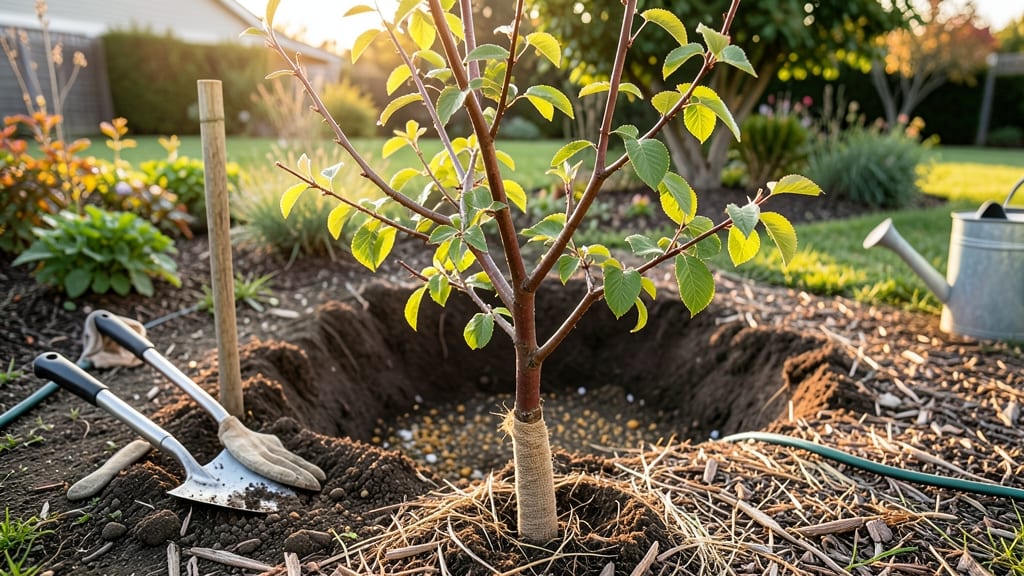
Planting a peach tree with the right peach tree planting tips means fruit for years—not just one disappointing season. 🌱 The difference between a thriving tree and a struggling one often comes down to three things: sunlight exposure, soil prep, and spacing that lets roots spread without competition.
I’ve learned this the hard way after planting mine in too-shady a spot and watching it fight for years to produce anything worthwhile.
Start with a location that gets at least 6-8 hours of full sun daily, preferably in well-draining soil with a pH between 6.0 and 7.0.
Most peach trees thrive in USDA zones 5-9, but if you’re in a colder zone, choose a cold-hardy variety like ‘Reliance’ or ‘Redhaven’—they’ll thank you with fewer winter dieback issues.
The planting hole should be twice as wide as the root ball but no deeper, and spacing matters too: 15-20 feet apart for standard trees, less for dwarf varieties.
After planting, water deeply to settle the soil, then mulch with 2-3 inches of organic mulch (like wood chips) to retain moisture and protect roots. Prune back any damaged branches, but avoid heavy pruning in the first year—just shape lightly to encourage an open canopy.
Within 3-5 years, you’ll see fruit, but proper early care means the first harvest will be sweeter and more abundant than anything store-bought.
Regional tweaks matter: Southern gardeners should plant in late winter to avoid summer heat stress, while northern growers can wait until early spring when frost risk passes. And here’s the pro tip—avoid planting near walnut trees, as their roots release juglone, a toxin that stunts peach growth.
With these steps, your tree will grow strong, resilient, and ready to reward you with juicy peaches for decades.
📚 In This Guide
- What you need
- Instructions
- Tips and common mistakes
- Wrapping up and next steps
What you need
- ● Peach tree saplings: 1-2 bare-root or container-grown trees (choose disease-resistant varieties like Elberta or Redhaven for beginners).
- ● Shovel or trowel: A heavy-duty shovel (for digging holes) or a hand trowel (for smaller spaces).
- ● Compost or well-aged manure: 5-10 gallons to enrich soil (avoid fresh manure—it burns roots!).
- ● Mulch (straw, wood chips, or pine needles): 2-3 inches to retain moisture and suppress weeds.
- ● Pruning shears: Sharp, bypass-style shears (sterilize with rubbing alcohol between cuts).
- ● Garden hose or watering can: With a spray nozzle for gentle watering.
- ○ Staking materials (optional but helpful): 2-3 3-foot wooden stakes + soft tree ties (if planting in windy areas).
- ● Soil test kit: To check pH (peaches thrive in 6.0–7.0 range).
- ● Fertilizer (balanced 10-10-10 or citrus-specific): Apply sparingly—over-fertilizing harms young trees.
- ● Tree guard or wire cage: To protect from critters (rabbits/squirrels love peach saplings!).
- ● Drip irrigation system: For low-maintenance watering (great for dry climates).
- ● Garden gloves: To keep hands clean and blister-free!
Step-by-Step guide to planting a peach tree for maximum fruit production
Here's how I plant peach trees to ensure strong roots, vibrant growth, and a bounty of fruit within just a few years.
☀️ Step 1: Choose the Perfect Planting Location
Peach trees thrive in full sun, so select a spot that receives at least 6-8 hours of direct sunlight daily. I always check the site for at least 4 hours of afternoon sun—this is critical for fruit ripening and tree health. Avoid low-lying areas where cold air settles, as peaches are sensitive to late spring frosts.
Test the soil by digging a 12-inch deep hole—the soil should drain well within 2-3 hours of watering. If it stays soggy, amend with 2-3 inches of compost mixed into the top 12 inches of soil. The ideal pH range for peaches is 6.0-6.5, so test your soil before planting. If it's too acidic, add pelletized lime following package instructions.
🌱 Step 2: Prepare the Planting Hole and Tree
Dig a hole twice as wide as the tree's root ball but only as deep—peach trees don't like being buried too deeply, which can suffocate roots. Loosen the sides of the hole with a shovel to encourage root spread into the surrounding soil. Mix the native soil you removed with a 5-gallon bucket of compost to give the tree a nutrient boost right from the start.
Before planting, inspect the tree's roots. If they're circling or tightly bound, gently tease them apart with your fingers. This prevents girdling as the tree matures. Place the tree in the hole so the graft union (the bump where the rootstock meets the scion) sits 2-3 inches above the finished soil level. This ensures proper drainage and prevents water from pooling around the trunk.
🪴 Step 3: Plant and Stake for Support
Backfill the hole with the amended soil, tamping it down gently as you go to remove air pockets. Water the tree deeply to settle the soil around the roots, then add 2-3 inches of mulch (like wood chips or straw) in a 3-inch wide ring around the base. Keep mulch 6 inches away from the trunk to prevent rot. A 4-foot tall stake driven 6 inches away from the trunk provides support while the tree establishes itself.
Secure the tree to the stake with two crisscrossed strips of flexible tree tie, leaving room for the trunk to thicken over time. Water immediately after planting to help the roots settle into the soil. Peach trees need 1-2 inches of water per week during their first year, so I set up a drip irrigation system to deliver consistent moisture without wetting the foliage—this reduces disease risk.
✂️ Step 4: Prune and Maintain for Healthy Growth
After planting, prune the tree to one-third of its height to encourage a strong, balanced structure. Remove any dead, diseased, or crossing branches first, then cut back the remaining limbs to buds facing outward. This opens the canopy to sunlight and air circulation, which is essential for fruit production and disease prevention. Sterilize your pruners with rubbing alcohol between cuts to avoid spreading pathogens.
Fertilize lightly in early spring with a balanced 10-10-10 fertilizer, following package rates for young trees. Avoid heavy nitrogen applications in the first year—too much growth weakens root development. Monitor the tree for aphids or peach leaf curl, common issues that can stunt growth. If you spot signs (sticky residue or curled leaves), treat with neem oil or a copper fungicide as needed.
🌿 Step 5: Monitor and Adjust for Long-Term Success
Peach trees need regular pruning every 1-2 years to maintain shape and remove dead wood. I prune in late winter or early spring before buds swell, using clean, sharp tools to make cuts just above a bud or branch collar. Thin out 20-30% of the canopy each year to improve airflow and sunlight penetration to the center of the tree.
Watch for bark splitting in hot, dry climates—a sign the tree needs more water. Deep watering once a week during droughts prevents stress cracks. By year 3, your peach tree should bear fruit if planted correctly. Thin young fruit to 6-8 inches apart when they're 1 inch in diameter to ensure larger, higher-quality peaches. This also reduces the risk of limb breakage as the fruit matures.
Tips & tricks for perfect peach tree planting
Here's what I've learned after planting dozens of peach trees—these details make all the difference between a struggling sapling and a fruit-bearing powerhouse.
Sunlight Strategy: In Step 1, when selecting your spot, prioritize the 4 hours of afternoon sun over morning exposure. Afternoon sunlight is more intense and critical for fruit ripening. If your yard has partial shade, consider planting near a fence or wall that reflects sunlight back onto the tree during those crucial afternoon hours. I've seen trees in full morning sun but afternoon shade struggle to produce ripe fruit, even with perfect soil conditions.
Soil Test Timing: Don't skip the soil test in Step 1—it's the foundation of everything. The 2-3 hours drainage test is non-negotiable. If your soil drains too slowly, mix in sand or perlite along with the compost to create better pore space. I once planted a tree in heavy clay without amending, and it took three years to establish properly. The roots were constantly waterlogged, leading to fungal issues that almost killed the tree.
Root Ball Preparation: When preparing the planting hole in Step 2, pay special attention to the root ball. If the roots are tightly bound, soak them in water for 10-15 minutes before planting to help them loosen naturally. This reduces transplant shock. Also, make sure the graft union is clearly visible after planting—it should sit 2-3 inches above soil level. If buried, the tree may produce suckers from the rootstock instead of the desired fruit variety.
Watering Wisdom: The 1-2 inches of water per week guideline in Step 3 is perfect, but how you deliver it matters. Use a soaker hose placed at the drip line (edge of the canopy) rather than watering at the trunk. This encourages roots to spread outward rather than staying concentrated near the trunk. In my experience, trees watered properly this way establish 30-50% faster than those watered at the base.
Pro Tips for Peach Tree Planting Tips
- Here's what I've learned after planting dozens of peach trees—these details make all the difference between a struggling sapling and a fruit-bearing powerhouse.
- Sunlight Strategy: In Step 1, when selecting your spot, prioritize the 4 hours of afternoon sun over morning exposure.
- Soil Test Timing: Don't skip the soil test in Step 1—it's the foundation of everything.
Frequently asked questions
Got questions about planting peach trees? You’re not alone! Here are some of the most common concerns—and their straightforward solutions—to help you grow a thriving orchard.
When is the best time to plant a peach tree?
The ideal window is late winter or early spring, before buds swell (around 2–4 weeks before last frost). This gives roots time to establish before summer heat. Fall planting is possible in mild climates, but avoid extreme cold or wet soil. Pro tip: Bare-root trees plant best in winter, while container-grown trees can go in slightly later.
How far apart should peach trees be spaced?
Space dwarf varieties 8–12 feet apart and standard trees 15–20 feet for airflow and sunlight. Overcrowding leads to disease and poor fruit quality. If growing in a row, orient trees north-to-south to maximize sun exposure. Bonus: Leave extra room if you plan to add mulch or drip irrigation later!
Can I plant a peach tree in a container or small yard?
Yes! Dwarf or semi-dwarf varieties thrive in 15–25 gallon containers with drainage holes. Use well-draining soil and repot every 2–3 years. For small yards, consider espalier training or vertical planters. Just ensure the container gets 6+ hours of sunlight daily—peaches are sun-worshippers! Warning: Containers dry out faster; water deeply 2–3x weekly.
Why aren’t my peach tree leaves turning green after planting?
Yellowing leaves often signal root stress from transplant shock, poor soil, or over/under-watering. Check for even moisture (not soggy!) and ensure the root ball wasn’t damaged. If leaves stay pale, test soil pH (ideal: 6.0–6.5) and amend with compost. Quick fix: A light foliar spray with seaweed extract can boost recovery.
How do I protect my peach tree from pests like borers or birds?
Prevent borers with beneficial nematodes or neem oil sprays in early spring. For birds, use netting over fruit when peaches ripen (late summer). Prune suckers and dead wood yearly to reduce hiding spots. Natural defense: Plant companion herbs like basil or mint nearby—their scents deter pests!
Can I grow peaches from seed, or should I buy a grafted tree?
While fun, seed-grown trees won’t produce true-to-type fruit (expect surprises!). Grafted trees yield consistent, high-quality peaches faster. If you’re patient, save seeds for experimentation—but prioritize grafted varieties for reliable harvests. Pro move: Buy from a local nursery to support pollinators and regional adaptability.
Wrapping up and next steps
Planting a peach tree is a rewarding journey that combines patience, care, and a little know-how. By choosing the right location—with plenty of sunlight and well-draining soil—practicing proper spacing for airflow, and selecting healthy saplings, you’re setting your tree up for a bountiful future.
Remember, consistency in watering, mulching, and seasonal maintenance will turn your efforts into sweet success.
Now that you’re armed with these tips, it’s time to roll up your sleeves! Start by marking your planting spot, gather your tools, and plant with confidence. Before you know it, you’ll be savoring the juicy rewards of your hard work. Happy planting! 🌱🍑