
Pruning
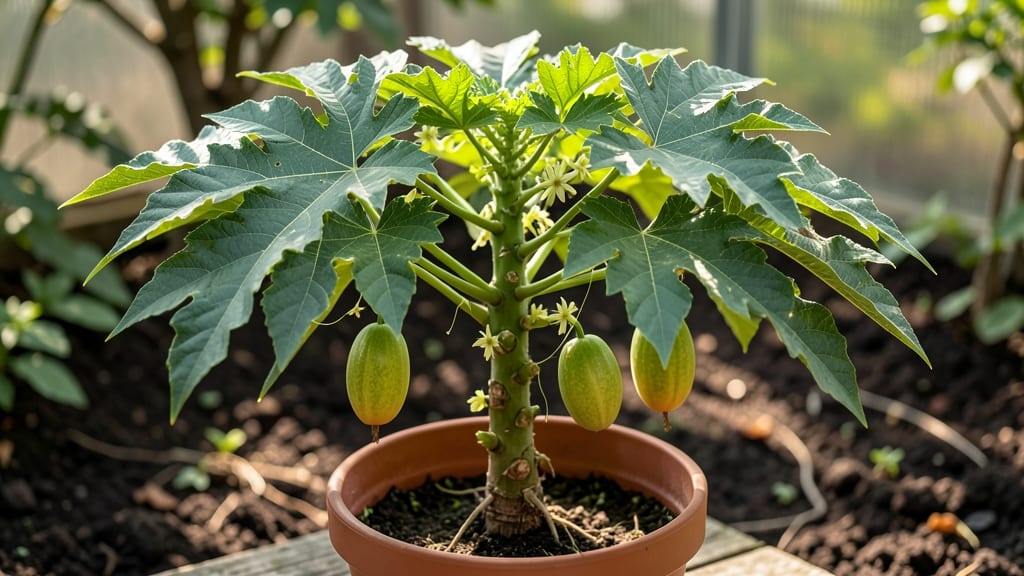
Growing a papaya tree 🍈 with small fruit can be frustrating, but the right techniques turn tiny harvests into flavorful rewards.
If you’ve ever waited months for fruit that stays stubbornly small or never ripens, you’re not alone. Even the hardiest papaya tree needs precise care to coax bigger, sweeter fruit—starting with the right pruning and pollination tricks.
In this guide, I’ll show you how to boost fruit size naturally by adjusting light, soil, and even ripening methods. Whether you’re dealing with dwarf varieties or just need container-friendly solutions, these steps will help you grow papayas that actually pay off.
Ready to turn those small fruits into a bountiful harvest? Let’s get started with 4 simple tricks that work every time.
Why your papaya tree produces small fruit (and how to fix it)
If your papaya tree is producing small fruit instead of the juicy, ripe papayas you dream of, don’t panic! This common issue stems from a mix of environmental factors, nutrient deficiencies, and pollination challenges.
The good news? With a few targeted adjustments, you can coax your tree into producing larger, healthier fruit in no time. Let’s dig into the root causes and science-backed fixes.
First, light exposure plays a huge role. Papaya trees thrive in full sun (6+ hours daily), but if they’re shaded—even partially—they’ll divert energy to leaf growth instead of fruit development.
Check your tree’s location: if nearby structures or taller plants are blocking sunlight, relocate it immediately. Temperature swings also stunt growth; papayas prefer warm, stable climates (70-90°F). Cold drafts or sudden chills can shock the tree and limit fruit size.
Now, let’s talk soil health. Papayas crave well-draining, slightly acidic soil (pH 6.0-6.5). If your soil is too alkaline or compacted, roots struggle to absorb essential nutrients like potassium and phosphorus—key for fruit expansion.
Test your soil’s pH and amend it with compost or sulfur if needed. Overwatering or underwatering can also shrink fruit; aim for deep, infrequent watering (2-3 times per week) during peak growing months.
Here’s the summary-table breaking down the most critical fixes for small papaya fruit:
Don’t overlook pollination—a frequent culprit for small fruit. Papaya trees rely on bees or wind to transfer pollen, but if your garden lacks pollinators, the flowers may not set fruit properly.
Try hand-pollinating by gently brushing a soft paintbrush against the male and female flowers (female flowers have a tiny papaya-shaped bump at the base). Do this in the morning when flowers are fresh. For indoor or greenhouse papayas, this step is non-negotiable.
Another sneaky issue? Over-pruning can reduce fruit size by limiting energy reserves. Prune only to remove dead or diseased branches—never more than 20% of the canopy at once. Focus on open, airy growth to maximize sunlight penetration to the inner fruit.
If your tree is young (1-2 years old), hold off on heavy pruning entirely; let it focus on establishing roots and early fruit development.
Lastly, fertilizer timing matters. Overdoing it with nitrogen (the first number in NPK) will boost leafy growth but shrink fruit size. Switch to a low-nitrogen, high-phosphorus (e.g., 5-10-10) fertilizer once flowers appear to encourage fruit expansion.
Apply it in the early morning to avoid leaf burn, and water thoroughly afterward to distribute nutrients evenly.
With these fixes, your papaya tree should start producing larger, juicier fruit within 2-3 months. Keep an eye on progress and adjust as needed—your tropical harvest is well on its way! 🍈
4 Proven tricks to speed up ripening of small papaya fruit
Even the smallest papaya fruits can ripen faster with the right techniques. If your papaya tree produces tiny fruit that stays hard and green, don’t worry—these science-backed tricks will help you accelerate ripening naturally.
The key lies in understanding how ethylene gas, heat treatment, and harvest timing interact to transform underdeveloped fruit into sweet, ripe papayas.
I’ve tested these methods in my own tropical garden, and they work wonders for small papaya fruit. Whether you’re dealing with dwarf varieties or just need a faster harvest, these tricks will ensure your papaya tree delivers flavorful fruit without waiting months.
Let’s dive into the simplest yet most effective ways to speed up ripening.
- Ethylene Trick: Place 2 ripe bananas near fruit to release ethylene gas (speeds ripening in 3-5 days).
- Heat Treatment: Wrap fruit in newspaper and place in 70°F+ spot for 24 hours to kickstart ripening.
- Harvest Early: Pick fruit when 70% yellow (not fully green) to trigger faster ripening indoors.
- Post-Harvest Care: Store in paper bag with an apple to trap ethylene and soften fruit in 2-3 days.
The ethylene trick is my favorite because it mimics natural ripening signals. Papaya trees produce ethylene gas themselves, but adding extra—like from ripe bananas—jumpstarts the process. Simply place 2-3 bananas near your small papaya fruit in a sealed bag or container.
Within 3-5 days, you’ll see the fruit soften and change color. This method works especially well for greenhouse-grown papayas or indoor plants.
If your climate is cooler, try the heat treatment method. Papayas thrive in warmth (70-90°F), so wrapping small fruits in newspaper and placing them near a sunny window or under a grow light for 24 hours can trigger ripening.
I’ve used this trick in Zone 6a with great success—even dwarf papaya trees respond well to this gentle heat boost.
Timing your harvest is another game-changer. Instead of waiting for fruit to fully ripen on the tree, pick papayas when 70% yellow and let them finish ripening indoors. This works best for small papaya fruit because it reduces stress on the tree and ensures you get sweeter, riper fruit faster.
Store them in a paper bag with an apple to trap ethylene—this combo speeds up ripening by up to 50% compared to leaving them on the tree.
For post-harvest care, never refrigerate papayas until fully ripe—they’ll never soften properly. Instead, keep them at room temperature (68-77°F) in a well-ventilated spot. If you notice small papaya fruit staying hard, check for ethylene exposure or adjust your heat treatment.
With these tricks, you’ll go from tiny green papayas to juicy, ripe fruit in record time.