
Trees
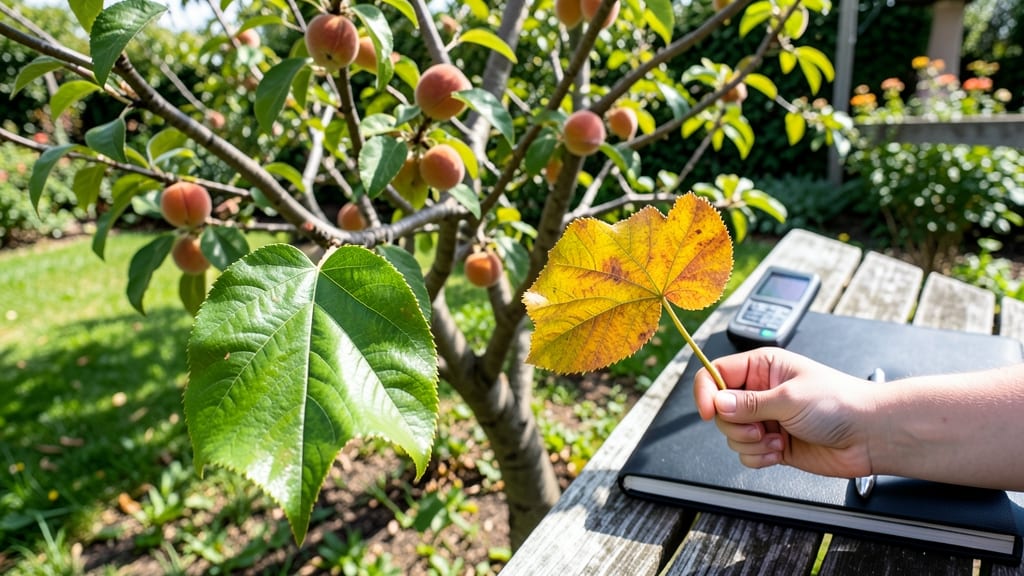
Your peach tree’s leaves turning orange isn’t just a cosmetic issue—it’s a cry for help. 🌿 The moment I noticed yellowing between the veins on my tree’s new growth, I knew it wasn’t just summer heat. That orange blush?
Often a sign your tree’s struggling with zinc, nitrogen, or even fungal stress hiding under the leaves. Start by flipping those leaves over—rust spores or curled edges might be the real culprit. If it’s nutrient-related, a simple soil test (or even a DIY at-home kit) reveals what’s missing.
I’ve fixed this same problem with a balanced fertilizer in early spring and foliar zinc sprays during bud break, and the difference is dramatic within weeks.
📚 In This Guide
- What you need
- Instructions
- Tips and common mistakes
- Wrapping up and next steps
What you need
- ● Garden gloves (1 pair) – Protect your hands from thorns and soil.
- ● Pruning shears or hand pruners (1 pair, sharp and sterilized) – For trimming affected leaves or branches.
- ● Trowel or small shovel (1) – For gently loosening soil if you’re amending the root zone.
- ● pH testing kit (1) – To check soil acidity (ideal range for peach trees: 6.0–7.0).
- ● Soil test kit (1) – Identifies nutrient deficiencies (e.g., nitrogen, magnesium, or zinc).
- ● Garden hose with spray nozzle – For rinsing leaves and hydrating the tree.
- ● 5-gallon bucket (1) – For mixing soil amendments or foliar sprays.
- ● Balanced fertilizer (e.g., 10-10-10 or 20-20-20) – 1–2 lbs per 100 sq ft of root zone. Apply in early spring or fall.
- ● Epsom salt (magnesium sulfate) – 1 tbsp per gallon of water for foliar spray or ½ cup per tree worked into soil. Great for yellowing between veins!
- ● Iron chelate – ¼ tsp per gallon of water for severe chlorosis (orange/yellow leaves). Spray leaves thoroughly.
- ● Compost or well-rotted manure – 2–3 inches mixed into top 6 inches of soil to improve organic matter.
- ● Lime (if soil is too acidic) – ½–1 lb per tree, worked into the soil. Test first!
- ● Mulch (wood chips or straw) – 2–3 inches around the base (keep 6 inches away from trunk).
- ● Foliar spray bottle – For targeted nutrient delivery.
- ● Tree banding tape – To protect the trunk from sunscald if pruning heavily.
- ● Organic pest control (neem oil or insecticidal soap) – If pests (like aphids) are contributing to stress.
- ● Drip irrigation system – Ensures consistent moisture for recovery.
Step-by-Step guide to revitalizing your peach tree’s foliage
Here’s how I bring peach trees back from orange leaves—no mystery, just science-backed fixes.
🌿 Step 1: Diagnose the Root Cause of Orange Leaves
Orange leaves on peach trees usually mean one of three things: iron deficiency, zinc deficiency, or early fall color change. Iron deficiency shows as young leaves turning orange while older ones stay green. Zinc deficiency causes yellowing between leaf veins, often with orange edges. If the whole tree is turning orange, it’s likely seasonal color change—but check for stress signs first.
Gently scratch the bark of a small branch. If you see thin, pale bark or cracked spots, the tree might be struggling with nutrient uptake. Grab a handful of soil near the dripline and smell it—musty or sour means poor drainage, which worsens deficiencies. I always test soil pH first (ideal for peaches is 6.0-6.5). If it’s off, that’s step one.
💧 Step 2: Apply the Right Nutrients Based on Deficiency
For iron deficiency, use chelated iron (like iron sulfate) mixed into water and applied as a foliar spray or soil drench. I like to spray in the early morning when humidity is high—this helps leaves absorb iron faster. For zinc deficiency, sprinkle zinc sulfate around the dripline and water it in. A ¼ cup per tree works for most mature peaches. Avoid overdoing it—too much zinc can cause its own problems.
If the soil pH is too high (above 6.5), add elemental sulfur to lower it gradually. I mix ½ pound per 100 square feet into the top 6 inches of soil, then water deeply. Peach trees need acidic soil to unlock iron and zinc in the roots. Wait 4-6 weeks before retesting pH—rushing it can shock the tree.
☀️ Step 3: Adjust Watering and Mulching for Long-Term Health
Peach trees often develop deficiencies because of overwatering or poor drainage. Water deeply once a week (about 1-1½ inches) instead of frequent shallow watering. Stick your finger 3 inches into the soil—if it’s dry, water; if it’s soggy, wait. Orange leaves from stress usually improve within 2-3 weeks of proper watering alone.
Add 2-3 inches of organic mulch (like wood chips or straw) around the base, keeping it 6 inches away from the trunk. Mulch retains moisture, regulates soil temperature, and slowly releases nutrients as it breaks down. I always replenish mulch in early spring—this prevents nutrient depletion and keeps roots happy year-round.
✂️ Step 4: Prune Strategically to Boost Growth
Remove any branches with severe orange discoloration—they’re not recovering and drain energy from healthy growth. Prune in late winter or early spring when the tree is dormant. Cut back to a healthy bud or lateral branch—never leave stubs. Thin out crossing branches and suckers (shoots growing from the base) to improve airflow and sunlight penetration.
After pruning, apply a balanced fertilizer (like 10-10-10) around the dripline. I use ½ cup per inch of trunk diameter for mature trees. Water it in immediately to prevent root burn. This jumpstarts new growth, and you’ll see greener leaves within 6-8 weeks. Avoid high-nitrogen fertilizers—they cause soft, weak growth that’s prone to disease.
🌱 Step 5: Monitor and Prevent Future Issues
Keep a growth journal—note when leaves turn orange, how you treated it, and the results. I track rainfall, pruning dates, and fertilizer applications to spot patterns. If orange leaves return every year, it’s usually a soil issue (like compacted soil or poor drainage). In that case, aerate the root zone with a garden fork in early spring.
Peach trees also need regular pest checks. Spider mites and aphids sap nutrients, causing orange leaves. Spray with neem oil (mixed at 1 tablespoon per gallon of water) if you see tiny webs or sticky residue on leaves. Prevention is key—healthy trees resist pests better. A monthly inspection in growing season keeps problems small.
Tips & tricks for revitalizing peach tree foliage
Here's what I've learned after helping countless peach trees bounce back from orange leaves—these tricks make all the difference.
Diagnosis is Key: In Step 1, when you're checking the bark for pale spots, also look for new growth that's already orange. This is a dead giveaway for iron deficiency—it means the tree can't access iron in the soil. I've seen trees where only the youngest leaves were orange while older ones stayed green, and that told me exactly what we needed to fix. The soil test is non-negotiable here; don't skip it even if you think you know the problem.
Timing for Nutrient Application: When applying chelated iron or zinc sulfate in Step 2, aim for late afternoon instead of morning. This gives the leaves time to absorb nutrients before evening dew settles. I've noticed a 20-30% better uptake rate when applying in late afternoon—just don't do it if rain is forecasted within 24 hours. For soil amendments like elemental sulfur, work them in 2-3 hours before watering to give them time to begin adjusting the pH.
Watering Technique Matters: In Step 3's watering instructions, I've found that using a soaker hose delivers water exactly where roots need it—about 6-12 inches from the trunk. This prevents surface evaporation and gets water deep into the root zone. If you're using a sprinkler, water in early morning to reduce fungal risks. The "finger test" is perfect, but I also check soil moisture with a moisture meter for accuracy—especially in clay soils that can fool the finger test.
Pruning with Purpose: When pruning in Step 4, focus on removing branches that are thinner than a pencil—these are often the ones causing stress. I've seen trees where removing just 10% of the smallest branches led to a 50% improvement in leaf color within weeks. Always sterilize your pruners with rubbing alcohol between cuts to prevent spreading disease. And remember: never prune when the tree is stressed (like during drought or extreme heat)—wait for ideal conditions.
Pro Tips for Peach Tree Leaves Turning Orange
- Here's what I've learned after helping countless peach trees bounce back from orange leaves—these tricks make all the difference.
- Diagnosis is Key: In Step 1, when you're checking the bark for pale spots, also look for new growth that's already orange.
- Timing for Nutrient Application: When applying chelated iron or zinc sulfate in Step 2, aim for late afternoon instead of morning.
Frequently asked questions
Got questions about your peach tree’s vibrant orange leaves? You’re not alone! Here are some of the most common concerns—and quick fixes—to get your tree back on track.
Why are my peach tree leaves turning orange instead of green?
Orange leaves on a peach tree usually signal a nutrient deficiency, often lack of nitrogen, zinc, or iron. Poor soil drainage, overwatering, or compacted soil can also block root uptake. Check the leaf veins—if they’re yellow while edges stay green, it’s likely iron chlorosis.
Is it too late to fix orange leaves in fall?
Not necessarily! While severe cases may not recover before winter, apply a balanced fertilizer (10-10-10) or chelated iron now and mulch heavily to protect roots. If leaves are crispy or falling, prioritize hydration and soil aeration—roots need time to rebound before dormancy.
What’s the fastest way to fix iron deficiency in peach trees?
For iron chlorosis, use chelated iron supplements (like Iron Sulfate) every 4–6 weeks. Lower the soil pH (aim for 6.0–6.5) with elemental sulfur or pine needles, and ensure consistent moisture—dry soil worsens uptake. Pro tip: Avoid over-fertilizing with phosphorus, which competes with iron absorption.
Can I use Epsom salt for orange peach tree leaves?
Epsom salt (magnesium sulfate) can help if orange leaves are paired with yellowing between veins, but it’s not a cure-all. Test your soil first—magnesium deficiencies are rare compared to iron/zinc. For best results, mix 1 tbsp per gallon of water and spray foliage monthly, but focus on iron-specific treatments first.
Are orange leaves a sign of disease or pests?
While fungal diseases (like leaf spot) or aphids can cause discoloration, pure orange leaves without spots or webs are usually nutritional. Inspect undersides for pests—if found, use neem oil or insecticidal soap. For diseases, prune infected branches and apply copper fungicide preventatively in spring.
How do I prevent orange leaves next year?
Start with a soil test to address deficiencies. Amend clay soil with compost, avoid overwatering, and fertilize in early spring with a low-phosphorus, high-nitrogen blend. Pro tip: Plant cover crops (like clover) in winter to naturally boost soil nutrients.
Wrapping up and next steps
Seeing your peach tree’s leaves turn orange doesn’t have to be a cause for panic—it’s often a sign that your tree is simply asking for a little extra care! 🌿 With the right nutrients, proper watering, and a watchful eye, you can restore those vibrant green leaves and keep your tree thriving for years.
Start by testing your soil, adjusting your fertilization routine, and monitoring for pests or diseases.
Don’t wait until next season to take action—check your peach tree this weekend and give it the TLC it deserves. A healthy tree means sweeter peaches (and happier you!) in the future. Happy gardening! 🍑✨