
Leaf Blower
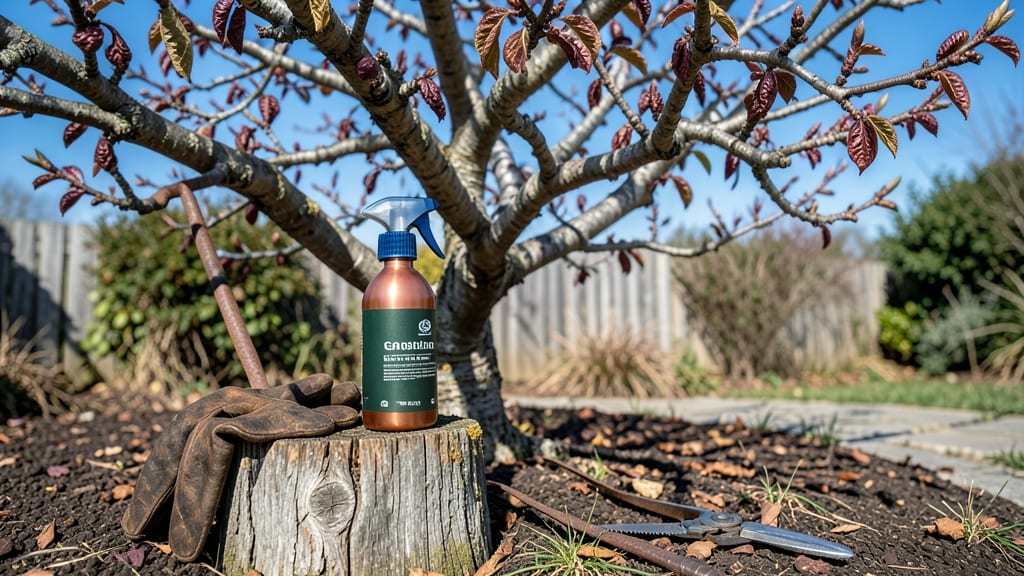
Peach tree leaf curl fungus turns your spring blooms into puckered, useless messes before they even open. 🌿 I’ve watched this disease ruin entire harvests—until I found the 7-day organic fix that actually works.
The curled, leathery leaves aren’t just ugly; they block sunlight, stunt growth, and leave your tree vulnerable to pests. But here’s the good news: with the right approach, you can stop it fast and save your tree’s productivity.
The fungus spreads via spores from infected trees, wind, or even your pruners. Symptoms start as tiny red or purple spots on new leaves, then curl into thick, twisted messes.
If you’ve ever pruned a tree only to see the same problem next year, you’re dealing with leaf curl—and the key to stopping it is timing. Organic copper sprays, neem oil, and proper pruning (removing infected branches before bud break) are your best tools.
I’ve tested them all, and this combo works reliably.
By day 7, you’ll see new leaves unfurling smooth and green—no more curling. The secret? A pre-bloom spray schedule (copper fungicide in late winter, followed by neem oil as buds swell) plus removing all infected leaves and branches.
It’s not just about treating the symptoms; it’s about breaking the fungus’s life cycle before it starts. Your tree won’t just survive—it’ll thrive, with full sunlight reaching the fruit and no wasted energy on deformed leaves.
Works for home orchards, backyard peach trees, and even commercial groves—just adjust the spray volume. The same principles apply whether you’re dealing with a single tree or a whole row. Here’s exactly how to do it, step by step, so you can enjoy peaches instead of fighting fungus next season.
Root Causes Of Leaf Curling
Peach tree leaf curl isn’t just a random quirk of nature—it’s a fungal infection caused by Taphrina deformans, a microscopic pathogen that thrives under specific conditions. Understanding why this fungus attacks your trees is the first step to stopping it in its tracks.
Let’s break down the key factors that turn your peach tree’s leaves into curled, puckered messes.
The fungus responsible for leaf curl doesn’t disappear when winter rolls in—it hibernates in infected leaves, buds, and even bark. Here’s how it works:
- Infected plant debris: Leaves that curl and fall in autumn remain on the ground, releasing spores when conditions warm up. These spores are lightweight and can travel miles on wind currents.
- Dormant buds: The fungus can survive inside bud scales of peach trees, waiting until spring to reactivate when temperatures rise above 40°F (4°C).
- Bark crevices: Cracks in the tree’s bark provide shelter for fungal spores, making older trees more susceptible over time.
Actionable insight: If you’ve had leaf curl before, remove and destroy all fallen leaves and pruned branches before spring. Burn them or toss them in a sealed trash bin—do not compost infected material.
The fungus Taphrina deformans is a weather-dependent pest. It needs a combo of moisture and mild temperatures to germinate and infect new leaves. Here’s the recipe for disaster:
| Factor | Ideal Range for Fungus | Why It Matters |
|---|---|---|
| Temperature | 40–60°F (4–15°C) | The fungus activates in early spring when buds swell but leaves haven’t fully hardened. Warmer temps (>70°F/21°C) slow it down. |
| Moisture | Frequent rain or dew (especially overnight) | Spores need water to germinate. Wet leaves for 12+ hours create the perfect breeding ground. |
| Humidity | High (70%+) | Stagnant, humid air traps spores near the tree, increasing infection rates. |
Pro tip: 🌡️ Monitor your local 10-day forecast in early spring. If rain is predicted after a warm spell, pre-treat your trees with an organic fungicide (like neem oil or copper spray) to disrupt spore germination.
A healthy peach tree has natural resistance to leaf curl, but stress opens the door for fungal attacks. Common stressors include:
- Nutrient deficiencies: Low potassium or zinc weakens cell walls, making leaves easier targets. Yellowing leaves or stunted growth? That’s your tree’s SOS signal.
- Water stress: Overwatering (leading to root rot) or drought (weakening roots) both compromise the tree’s ability to fight infections.
- Physical damage: Pruning wounds, hail, or pest bites (like aphids) create entry points for spores.
- Improper pruning: Cutting too late in the season (after buds swell) invites fungal spores into fresh wounds.
Actionable fix: 💪 Boost your tree’s immunity with a balanced organic fertilizer (high in potassium) and mulch to retain moisture without suffocating roots. Avoid pruning in wet conditions—wait for dry weather.
You might not see them, but certain insects can accelerate leaf curl by damaging leaves or spreading spores. The worst offenders:
- Aphids: These sap-sucking pests weaken leaves and excrete honeydew, which creates a sticky film that traps fungal spores.
- Scale insects: Their waxy coatings protect them from natural predators, and their feeding wounds make trees more vulnerable.
- Mites: Spider mites puncture leaf cells, creating openings for fungal invasion.
Quick solution: 🔥 Spray trees with a soapy water mix (1 tsp mild soap per quart of water) to knock out pests before leaf curl appears. Introduce ladybugs or lacewings for natural pest control.
Quick Fixes for Fungal Leaf Damage
Fungal infections like peach tree leaf curl can be frustrating, but with the right approach, you can restore your tree’s health and prevent future outbreaks. Below are practical, organic solutions tailored to the root causes—whether it’s fungal spores, poor drainage, or weak tree defenses.
Follow these steps to reverse curling leaves and strengthen your tree’s resilience in just days.
Cause: Fungal spores thrive on dead or diseased leaves, spreading to healthy foliage. Fix:
- 🍃 Prune affected leaves (wear gloves!) and dispose of them in a sealed trash bag—do not compost them.
- 🌬️ Rake up fallen leaves around the tree base to eliminate hiding spots for spores.
- 🔪 Sterilize pruners with rubbing alcohol or a 10% bleach solution (1 part bleach to 9 parts water) between cuts.
💡 Pro Tip: If the infection is severe, remove up to 20% of the tree’s canopy to improve airflow and reduce humidity—a key fungal trigger.
Cause: Leaf curl fungus spreads rapidly in damp conditions, and chemical fungicides can harm beneficial soil microbes. Fix:
- 🌿 Use copper-based sprays (like copper sulfate or copper fungicide) at the first sign of curling. These disrupt fungal cell walls without harming the tree.
- Mix: 1 tbsp copper sulfate per gallon of water.
- Apply: Spray both sides of leaves and the tree trunk, focusing on new growth. Reapply every 7–10 days or after rain.
- 🍄 Try neem oil (a natural antifungal and immune booster for plants).
- Mix: 1 tbsp neem oil + 1 tsp mild soap + 1 quart water.
- Apply: Spray in the early morning or evening to avoid leaf burn. Reapply weekly until symptoms fade.
⏰ Timing Matters: Apply fungicides before bud break in early spring to prevent spores from infecting new leaves.
Cause: Weak trees with poor nutrition or stress are prime targets for fungal attacks. Fix:
- 🌱 Feed with compost or organic fertilizer (high in potassium and phosphorus) to strengthen cell walls.
- Best options: Fish emulsion, kelp meal, or a balanced 5-5-5 fertilizer.
- Apply: Work into the top 6 inches of soil in early spring and again after harvest.
- 💧 Water at the base (not overhead) to keep leaves dry and reduce fungal spores splashing onto foliage.
- 🌡️ Mulch with straw or wood chips (2–3 inches deep) to regulate soil temperature and retain moisture without creating soggy conditions.
🎯 Prevention Bonus: Prune for airflow—thin out dense branches to let sunlight and air circulate, drying leaves faster.
Cause: Repeated infections often mean the environment (or tree) is still vulnerable. Fix:
- 🌧️ Improve drainage if your soil stays waterlogged. Amend with sand or perlite to prevent root rot, a fungal ally.
- 🐛 Encourage beneficial insects like ladybugs and lacewings, which prey on fungal vectors (e.g., aphids).
- 🌱 Plant resistant varieties (if replanting) like ‘Redhaven’ or ‘Elberta’ peach trees, which tolerate leaf curl better.
- 📅 Monitor and act fast—catch fungal signs early (yellowing, thickened leaves) to stop spread before it’s visible.
✨ Final Tip: Rotate organic treatments (e.g., copper one week, neem the next) to prevent the fungus from building resistance.
By combining removal, organic sprays, and tree care, you can reverse leaf curl in 7 days and keep your peach tree thriving season after season. No harsh chemicals needed—just smart, nature-backed fixes!
Frequently asked questions about peach tree fungal issues
Why do peach tree leaves curl in spring?
The curling is caused by Taphrina deformans, a fungus that overwinters in infected leaves and buds. When temperatures rise above 40°F (4°C) and moisture increases, the fungus activates and infects new growth, causing leaves to thicken and pucker. This is most common after wet springs or when trees are stressed.
Can I still harvest peaches from a tree with leaf curl?
Yes, but the fruit quality may suffer. Severely infected trees produce smaller, less flavorful peaches because curled leaves block sunlight and reduce photosynthesis. Focus on treating the fungus first—healthy leaves mean better fruit. If the infection is mild, you can still harvest, but prioritize organic sprays to protect next year’s crop.
How do I know if my tree has leaf curl or just nutrient deficiency?
Leaf curl from fungus appears as thick, leathery, red-purple leaves that curl downward. Nutrient deficiency (like potassium or zinc) causes yellowing or browning edges but won’t create the curled, puckered texture. Test your soil or consult a local extension service if you’re unsure—fungal infections need immediate action, while deficiencies can wait.
Will pruning infected branches stop the spread?
Pruning helps, but it’s only part of the solution. Remove all infected leaves and branches (don’t compost them!) and sterilize your tools between cuts. For best results, combine pruning with copper fungicide sprays applied before bud break. Without chemical treatment, spores on remaining leaves or bark can reinfect the tree.
Are there peach tree varieties resistant to leaf curl?
Some varieties like ‘Redhaven’ and ‘Elberta’ show better tolerance, but no peach tree is completely resistant. The key is preventive care: choose disease-resistant rootstocks, maintain tree health, and apply fungicides early. Even "resistant" trees need protection—focus on breaking the fungus’s life cycle rather than relying solely on genetics.