
Neem Oil
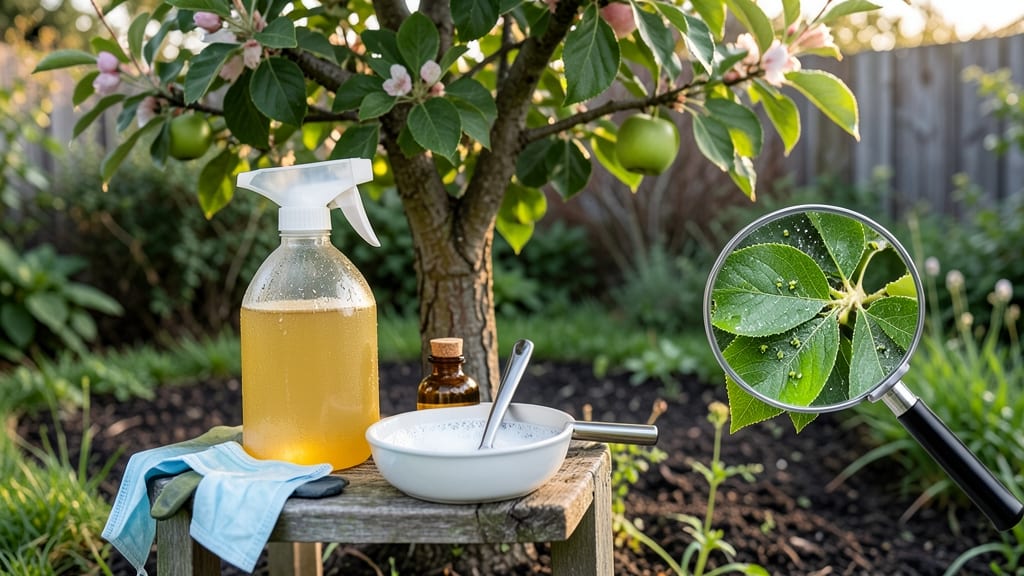
The fruit tree oil spray made with neem oil saved my peach tree from peeling bark disease last summer—no harsh chemicals, just a few simple ingredients. 🌿 The key is knowing when to apply it (dormant season for fungal issues, growing season for pests) and how to mix it right.
Most gardeners overlook the importance of surfactant, which helps the spray stick to leaves and fruit. You’ll need neem oil, water, a surfactant, and a sprayer—that’s it. The process takes about 20 minutes, and you can reuse the spray for multiple applications.
Just remember: always test on a small branch first, especially if your tree is sensitive. Once applied correctly, you’ll see fewer aphids, mites, and fungal spots within a week or two.
The trees stay healthy, the fruit develops without blemishes, and your neighbors will ask how you got such perfect-looking trees. Works for apples, cherries, citrus, and more—just adjust the timing based on what’s attacking your trees. Here’s how to do it right the first time!
📚 In This Guide
- What you need
- Instructions
- Tips and common mistakes
- Wrapping up and next steps
What you need
- ● Neem oil (100% cold-pressed, organic preferred) – 1 tablespoon (15 mL) per quart (1 liter) of water
- ● Water – 1 quart (1 liter) per batch (use filtered or distilled for best results)
- ○ Horticultural oil or liquid soap (optional but recommended) – ½ teaspoon (2.5 mL) per quart (helps emulsify neem oil)
- ● Spray bottle or pump sprayer – 16-32 oz (500 mL–1 L) capacity (glass or food-grade plastic preferred)
- ● Measuring spoons and cups – for precise mixing
- ● Protective gear – gloves, long sleeves, and safety goggles (neem oil can irritate skin)
- ● Stirring stick or spoon – for blending ingredients thoroughly
- ○ Fine mesh strainer (optional) – to filter out any clumps before spraying
- ● Label and marker – to tag your spray bottle with the date and ingredients
- ● Early morning or late evening timing – to apply the spray when sunlight is low (avoids leaf burn)
Step-by-Step instructions for making fruit tree oil spray
Here's the foolproof method I use to keep my orchard thriving—safe, effective, and ready in minutes.
🌿 Step 1: Gather and Mix the Base Solution
In a 1-gallon spray bottle (or mixing container), combine 1 quart of water with 1 tablespoon of horticultural oil—I prefer refined mineral oil or neem oil for its dual action against pests and fungi. Add 1 teaspoon of mild liquid soap (like Castile soap) to help the oil adhere to plant surfaces. Stir gently but thoroughly to create an emulsified mixture.
This blend works because the oil smothers pests while the soap acts as a surfactant, ensuring even coverage. If you see separation after mixing, stir again before use. The solution should look cloudy but uniform—never oily or clumpy.
🌱 Step 2: Add Neem Oil for Pest and Fungal Control
Measure 1 tablespoon of neem oil into the mixture and stir again. Neem oil disrupts the life cycles of aphids, mites, and fungal spores, making it a powerhouse for organic fruit tree care. For extra potency, add ½ teaspoon of garlic powder—this adds a natural antimicrobial boost without altering the spray’s consistency.
Let the solution sit for 5-10 minutes to allow the oils to fully integrate. This resting period ensures the garlic’s active compounds dissolve properly. Avoid using metal containers, as they can react with the soap—stick to glass, plastic, or food-grade buckets.
☀️ Step 3: Strain and Transfer to a Spray Bottle
Strain the mixture through a fine-mesh sieve or cheesecloth into your 1-gallon spray bottle to remove any undissolved particles. Fill the bottle with 3 additional quarts of water to reach the full gallon volume. Shake vigorously for 30 seconds to re-emulsify the oils before each use—this prevents separation during spraying.
This dilution ensures the spray remains effective without overwhelming the tree’s foliage. Test a small branch first—if you see excessive leaf curl or wilting after 24 hours, the concentration is too high. Adjust by adding more water in ¼-cup increments until the reaction is minimal.
💧 Step 4: Apply at the Right Time for Maximum Effect
Spray the solution early in the morning or late afternoon when temperatures are below 85°F to avoid stressing the tree. Focus on the undersides of leaves (where pests hide) and the fruit clusters, applying until the surfaces glisten but don’t drip. Avoid spraying when rain is forecasted within 24 hours, as this washes the oil away before it can work.
Reapply every 7-10 days during active pest seasons or after heavy rain. For fungal issues like powdery mildew, increase frequency to every 5 days until the problem clears. Store unused spray in a cool, dark place—it keeps for up to 2 weeks if refrigerated.
⏰ Step 5: Monitor and Adjust for Ongoing Protection
Check your trees 3 days after application for signs of pest die-off (e.g., aphids falling to the ground) or fungal reduction (e.g., fewer white spots on leaves). If pests return within a week, increase the garlic powder to 1 teaspoon next time—this adds a stronger antimicrobial punch without harming beneficial insects.
Rotate with other organic sprays like potassium soap every 2-3 applications to prevent pest resistance. Always wear gloves and a mask when mixing, as neem oil can irritate skin and lungs. This spray is safe for edible fruit once fully absorbed—harvest within 24 hours of application to avoid any residue concerns.
Tips & tricks for perfect fruit tree oil spray
Took me years of trial-and-error to perfect this spray—here's what actually makes the difference in your orchard.
Mixing Precision: In Step 1, use a clean, dry measuring spoon for the 1 tablespoon of horticultural oil and 1 teaspoon of liquid soap. Wet spoons can cause inaccurate measurements, leading to either ineffective coverage or plant stress. I always measure these ingredients first before adding water—this ensures proper emulsification from the start. The mixture should resemble milk, not oil droplets suspended in water.
Resting Time Matters: The 5-10 minute resting period in Step 2 isn't just optional—it's crucial for the garlic powder to fully dissolve and activate. I've seen mixtures where garlic powder sinks to the bottom if not given this time, which means you're not getting the full antimicrobial benefit. Use this time to prep your strainer and spray bottle so you're ready to proceed immediately.
Dilution Testing: When testing your diluted spray on a small branch in Step 3, look for two specific signs: first, the leaves should maintain their natural color without any browning within 24 hours. Second, check the undersides of leaves where pests hide—if you see oil droplets remaining after 24 hours, your dilution is too strong. This test is your quality control before full application.
Application Technique: In Step 4, use a gentle, sweeping motion when spraying to ensure even coverage on both leaf surfaces. I've found that holding the spray bottle 12-18 inches from the foliage creates the optimal mist without oversaturating. Always spray until surfaces glisten but don't drip—this ensures maximum coverage while preventing water stress on the trees.
Pro Tips for Fruit Tree Oil Spray
- Took me years of trial-and-error to perfect this spray—here's what actually makes the difference in your orchard.
- Mixing Precision: In Step 1, use a clean, dry measuring spoon for the 1 tablespoon of horticultural oil and 1 teaspoo...
- Resting Time Matters: The 5-10 minute resting period in Step 2 isn't just optional—it's crucial for the garlic powder...
Frequently asked questions
Got questions about using fruit tree oil spray? You’re not alone! Here are some of the most common concerns—and straightforward answers—to help you get the best results from your neem oil treatment.
How often should I spray neem oil on fruit trees?
For preventive care, apply neem oil spray every 1–2 weeks during peak pest seasons (spring and summer). If treating an active infestation, spray every 5–7 days until pests disappear. Always follow up with a rinse after 12 hours to avoid leaf burn.
Is there a best time of day to apply fruit tree oil spray?
Apply neem oil spray early in the morning or late afternoon to avoid direct sunlight, which can break down the oil. Early morning applications also allow the spray to dry before temperatures rise, reducing the risk of phytotoxicity (leaf damage).
Can I use neem oil spray on fruit trees that are already bearing fruit?
Yes, but with caution! Neem oil is low-toxicity and safe for edible crops when used correctly. Avoid spraying directly on ripe or nearly ripe fruit—focus on leaves and stems. Harvest fruit at least 24 hours after spraying to ensure residue safety.
What if neem oil spray doesn’t work? Troubleshooting tips.
If pests persist, try these fixes:
- Check concentration: Ensure your mix is 1–2% neem oil (1–2 tbsp per gallon of water). Too little won’t work; too much can harm plants.
- Reapply more frequently: Some pests (like aphids) require daily sprays for severe infestations.
- Combine with insecticidal soap: For tough pests, alternate neem oil with soap sprays for better coverage.
- Inspect for secondary issues: Fungal diseases or mites may need targeted treatments (e.g., copper fungicide).
Are there natural alternatives to neem oil for fruit trees?
If neem oil isn’t an option, try these DIY sprays:
- Garlic spray: Blend garlic with water, strain, and add a drop of dish soap. Repel soft-bodied pests like mites.
- Chili pepper spray: Mix cayenne pepper with water and soap for a spicy deterrent against chewing insects.
- Horticultural oil: Similar to neem but derived from petroleum—use in dormant season only.
Note: Always test sprays on a small leaf area first to avoid damage!
Wrapping up and next steps
Harnessing the power of fruit tree oil spray—especially with neem oil—is a game-changer for organic gardeners! 🌿 This natural solution offers a safe, effective, and eco-friendly way to protect your trees from pests and fungi without harsh chemicals.
Whether you're a seasoned gardener or just starting out, this method empowers you to nurture healthier fruit trees while keeping your harvest thriving.
Ready to take action? Start small—test the spray on one tree first, monitor results, and adjust as needed. Your future orchard (and hungry pests!) will thank you! 🍏✨