
Leaf Blower
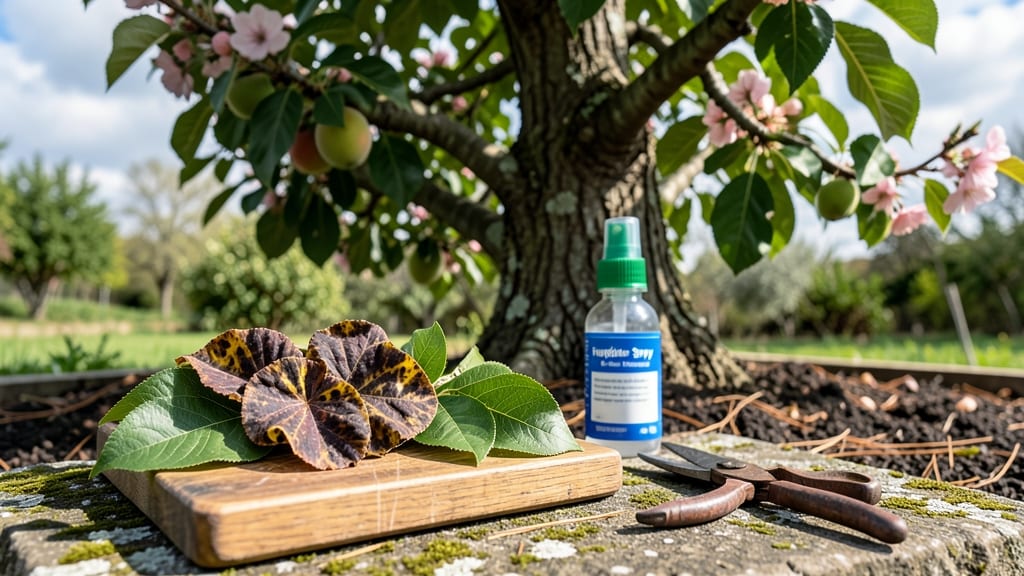
Peach tree leaf spots turn your tree's foliage into a sad, spotted mess—unless you act fast. 🌿 I've battled this problem myself, and the right organic fungicide spray can bring back that lush green canopy in just a few weeks, not months.
Leaf spots usually show up as brown or black splotches, often with yellow halos, and they're usually caused by fungal diseases like brown rot or bacterial spot. These fungi thrive in wet conditions, so heavy rain or overhead watering makes them worse.
The good news? You can stop the spread with simple organic treatments and a few smart habits.
Once you identify the spots, you'll mix up a fast-acting spray with ingredients like neem oil, baking soda, or copper fungicide—all safe for your tree and the environment.
Within 7-10 days, you'll see new growth pushing out, and the spots will stop spreading. The key is consistency: spray every 7-10 days during wet seasons.
This method works for both young and mature peach trees, and it's gentle enough for organic gardens. The best part? You'll prevent future outbreaks by pruning infected branches and keeping the area around your tree clean. Let's get that foliage back to its best!
Understanding Leaf Spot Triggers
Leaf spots on peach trees aren’t just random blemishes—they’re often a cry for help from your tree, signaling stress or an unwelcome fungal invasion. 🌿🔍 Understanding the root causes is the first step to restoring your tree’s health.
Below, we break down the most common culprits behind those unsightly (and potentially harmful) spots.
Fungal infections are the #1 cause of leaf spots on peach trees, with several species specializing in attacking Prunus persica (the scientific name for peaches). Here’s how they strike:
- **Brown Rot (Monilinia fructicola):
- This aggressive fungus thrives in
- It doesn’t just stop at leaves—it also infects fruits and blossoms**, leading to mummified peaches and twig dieback.
- Why it spreads: Spores hitchhike on rain splashes or wind, landing on fresh wounds (like pruning cuts) or wet foliage.
- These fungi favor
- Common in
Even without fungi, peach trees can develop leaf spots when their natural resistance is compromised. Key stressors include:
- Excessive Moisture:
- Pro tip: 💡 Water at the base (not overhead) and ensure soil has 1–2 inches of mulch to regulate moisture.
- Overcrowded trees or dense foliage trap humidity, creating a fungal paradise.
- Fix it: ✂️ Prune to open the canopy and space trees 15–20 feet apart for airflow.
- Late frosts or heatwaves shock trees, making them susceptible to infections.
- Solution: 🌡️ Use frost cloths in spring and provide shade cloth in scorching summers.
- Low nitrogen (N) or zinc/magnesium weakens leaves, making them easier targets.
- Test it: 📊 Soil tests reveal deficiencies—amend with compost or organic fertilizers (like fish emulsion).
Any wound on a peach tree—whether from hail, insects, or pruning—can serve as an entry point for fungi. Common culprits:
- Hail or Wind Damage:
- Torn leaves create raw edges where spores land and multiply.
- Prevent it: 🌪️ Stake young trees and plant windbreaks (like shrubs) to reduce exposure.
- Insect Feeding:
- Aphids, mites, or borers weaken leaves, making them vulnerable to secondary infections.
- Spot check: 🔍 Inspect undersides of leaves for webbing, stippling, or eggs.
- Improper Pruning:
- Cutting too late in the season (after buds swell) or using dull tools creates jagged wounds.
- Best practice: ⏰ Prune in late winter/early spring and sterilize tools with rubbing alcohol.
Fungi can hibernate in tools, mulch, or soil, ready to reinfect your tree when conditions are right.
- Old Pruning Tools:
- Fungal spores cling to dull or dirty blades, spreading disease to new cuts.
- Clean them: 🧼 Wipe with 70% isopropyl alcohol between uses.
- Infested Mulch/Compost:
- Old leaves or wood chips left around the base can harbor spores.
- Solution: 🔥 Remove old mulch in fall and replace with fresh, disease-free options.
- Recycled Plant Debris:
- Leaving fallen leaves under the tree provides a fungal buffet for overwintering pathogens.
- Action step: ⏰ Rake and compost (or trash) debris after leaf drop in autumn.
Revive Your Tree’s Leaves Now
Peach tree leaf spots don’t have to mean the end of your harvest—with the right approach, you can reverse the damage and protect your tree for future seasons. Below, we break down the most common causes of leaf spots and provide organic, actionable solutions to restore your tree’s health.
From quick fixes to long-term prevention, these steps will help your peach tree bounce back stronger than ever.
Fungal leaf spots (like brown rot or scab) thrive in damp conditions. Here’s how to treat and prevent them:
🔥 Remove Infected Leaves Immediately
- How: Strip off all spotted leaves and drop them in a sealed trash bag (not compost).
- Why: Fungal spores linger on dead leaves, reinfecting your tree.
- Pro Tip: 💡 Wear gloves—some fungi (like brown rot) can spread to your skin.
🍳 Apply an Organic Fungicide Spray
Use these DIY or store-bought options for fast results:
| Solution | How to Use |
|---|---|
| Neem Oil Spray | Mix 1 tbsp neem oil + 1 tsp mild soap in 1 quart water. Spray thoroughly (top/bottom of leaves) every 7–10 days until spots fade. |
| Baking Soda Spray | Dissolve 1 tbsp baking soda + 1 tsp oil in 1 gallon water. Spray in early morning to avoid leaf burn. |
| Copper Fungicide | Follow label instructions—apply at first sign of spots for severe cases (e.g., peach scab). |
🌡️ Improve Airflow & Reduce Moisture
- Prune branches to open up the canopy (fungi love crowded, damp leaves).
- Water at the base (not overhead) to keep foliage dry.
- Mulch with straw or wood chips to dry out soil faster after rain.
If leaf spots are caused by pests (like aphids or mites) or bacterial infections, take these steps:
👨🍳 Blast Off Pests with Natural Repellents
- Horticultural Oil: Spray dormant oil in late winter to smother overwintering pests.
- Soap Spray: Mix 2 tbsp castile soap in 1 gallon water—spray directly on pests (reapply after rain).
- Ladybugs & Lacewings: Release beneficial insects to eat aphids/mites naturally.
✂️ Sterilize Tools to Prevent Bacterial Spread
- Clean pruners with rubbing alcohol between cuts to avoid spreading Xanthomonas (bacterial leaf spot).
- Avoid pruning during wet weather—wait for dry days.
🎯 Boost Tree Immunity with Organic Fertilizer
- Fish Emulsion or Compost Tea: Feed your tree balanced nutrients (nitrogen, phosphorus, potassium) to strengthen defenses.
- Mycorrhizal Fungi: Add to soil to improve root health and resistance to stress.
Stop leaf spots before they start with these year-round habits:
🌿 Spring: Clean Up & Spray Proactively
- Rake and remove all leaf debris from last season.
- Apply preventive fungicide (neem oil or copper) at bud break.
🌞 Summer: Monitor & Maintain
- Inspect leaves weekly—catch spots early!
- Avoid overhead irrigation—use drip lines instead.
🍂 Fall/Winter: Prepare for Next Year
- Prune dead/diseased branches in late fall.
- Store tools in a dry place** to prevent fungal hitchhikers.
Remember: Consistency is key! Leaf spots often return if you stop treatments too soon. Stick with your plan, and your peach tree will reward you with lush, healthy foliage and a bountiful harvest. 🌱
Frequently asked questions about peach tree leaf spots
What do peach tree leaf spots look like?
Leaf spots on peach trees appear as brown, black, or yellowish splotches that may have halos or tiny black specks in the center. Common patterns include target-shaped rings (brown rot) or angular spots (Cercospora). Severe cases may cause leaves to yellow, curl, or drop prematurely.
Can I still harvest peaches if my tree has leaf spots?
It depends on the severity and cause. Fungal spots like brown rot can infect fruit, leading to mummified peaches—remove and destroy affected fruit immediately. For leaf-only spots (like Alternaria), harvest is usually safe, but monitor for secondary infections. Always wash peaches thoroughly before eating.
How often should I spray my peach tree for leaf spots?
Apply organic fungicide sprays every 7–10 days during wet seasons (spring/fall) or after heavy rain. For prevention, spray at bud break in spring and again after harvest. Consistency is key—stopping too soon lets fungi return.
Will pruning help stop leaf spots from spreading?
Prune infected branches (cut 6 inches below the last spot) and remove all fallen leaves. Thin the canopy to improve airflow, which reduces humidity—fungi’s favorite condition. Sterilize tools with rubbing alcohol between cuts to prevent cross-contamination.
When should I call a professional for peach tree leaf spots?
Consult an arborist if spots worsen despite treatment, fruit is heavily infected, or you see oozing lesions (sign of bacterial leaf spot). Severe cases may require systemic fungicides or soil amendments. Early intervention saves your tree!